 Latest Review



 December 4, 2025

Every so often, we meet someone whose connection to the gear they carry runs deeper than specs and materials—someone who treats objects as quiet collaborators in how they move through the world. Suguru H. Nishioka, a.k.a. @garactacle, is one of those people. A photographer, motorcyclist, camper, and thoughtful observer of the everyday, Suguru brings an intentionality to his tools that feels both personal and instantly relatable.
For this edition of Enthusiast Spotlight, we brought Shinzo Tamura and their polarized sunglasses to Suguru for his first impressions and a real-world look at their approach to eyewear. What followed was a conversation about the “companions” he carries—on the road, on foot, and in the in-between moments that define a day. From finding calm inside high-focus activities to appreciating the unseen people behind the tools he trusts, Suguru reminds us why we fall in love with gear in the first place.


Shinzo Tamura is the boutique eyewear brand from TALEX, built on more than 85 years of Japanese lens-making expertise and guided by third-generation craftsmanship. Each pair is handmade in Japan and powered by TALEX’s proprietary iodine-filter polarized lenses, engineered to fine-tune color, contrast, and brightness. Designed around a purpose-built environmental lens system, Shinzo Tamura embraces a “sunglasses quiver” philosophy—equipping you with specialized glasses tailored to specific moments through your day.
Thank you for joining us Suguru. How do you describe who you are and what you do—especially to the enthusiast community?
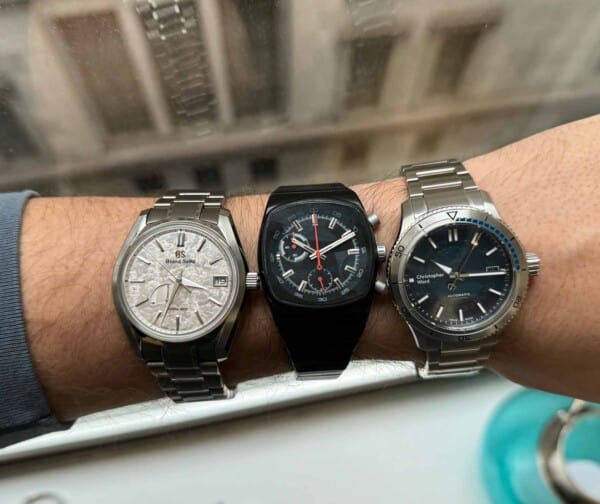
That’s always a tricky one. I’m definitely a wristwatch enthusiast, but I wouldn’t call myself a collector—of watches, motorcycles, gadgets, camera gear, any of it. I’m more of a user of all those things. I love gear, but I’m not trying to present myself as some full-time adventurer. Instead, I use the watches, sunglasses, motorcycles, and other tools I have in real outdoor, real-life situations.
You mentioned watches, what watch are you wearing today?
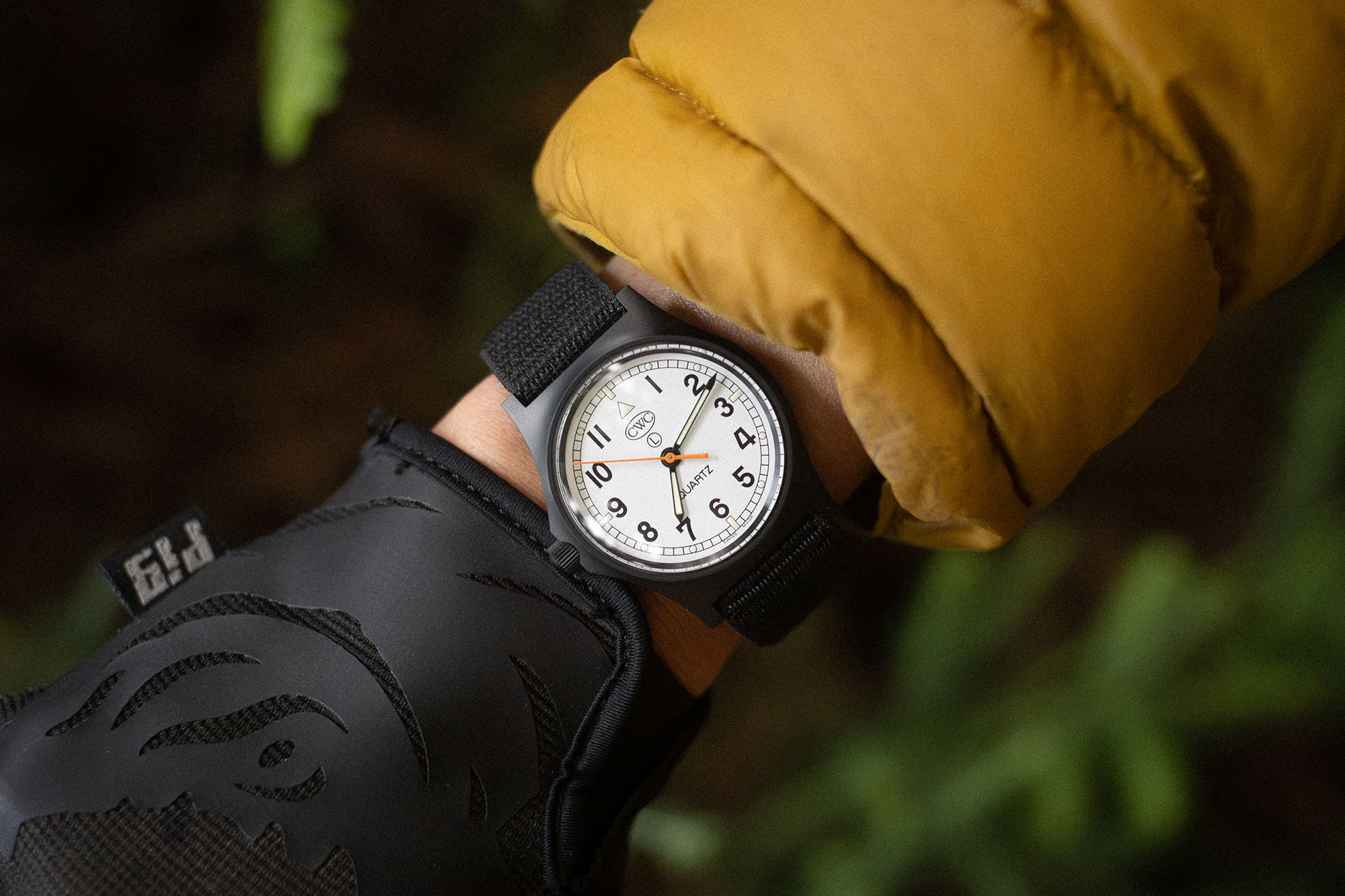
Today, I’m wearing a CWC GS Sapphire that they custom made for me. It’s a “destro” version, so the crown’s at 9 o’clock. White dial, orange seconds hand—a one-off piece they did for me.

Where did your love of gear begin? How did it develop?
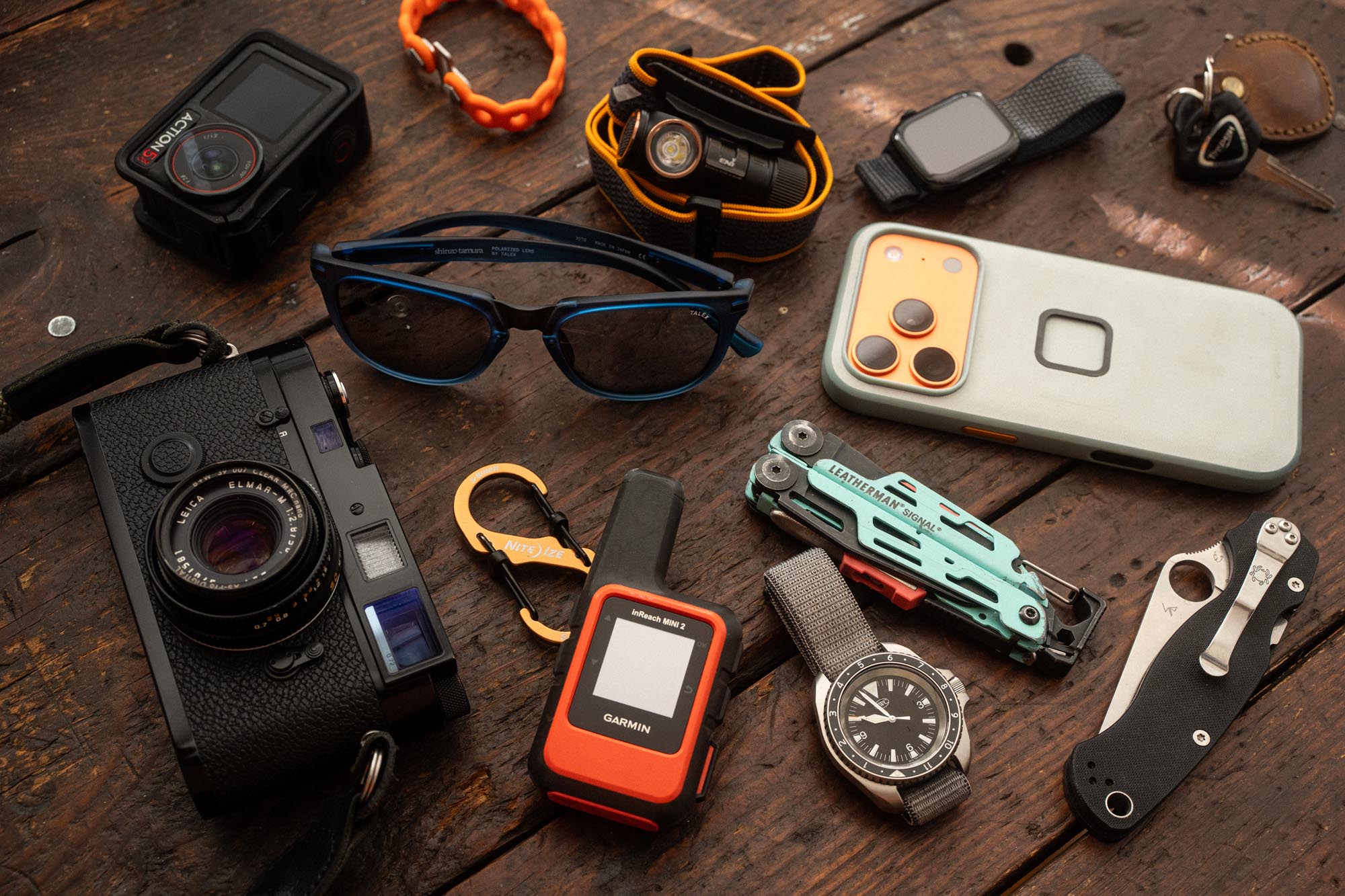
Since I was a kid, I’ve loved small, self-contained tools—objects that pack a lot of purpose into a compact form. Cameras, flashlights, watches… anything designed around a clear function. I’ve always appreciated purpose-driven design, and that eventually grew into becoming a product designer as an adult. But it started with admiring objects that are tightly packaged, thoughtfully engineered tools.
Was there a specific object from your youth that embodied that idea?
Definitely cameras. My first camera, which I bought in the ’90s, was a Pentax SFX. Not a sexy design, but a real purpose-built tool. I used it shooting motocross—my teammates racing or practicing—and that was where I learned how to use a camera in a functional way. Watches followed around the same time. My first one was basically a cheap digital watch when I was a kid, but it sparked the fascination.
We’re big fans of your @garactacle Instagram and YouTube channels. How has your relationship with gear changed now that you’re telling stories with it—like in your motorcycle camping videos?
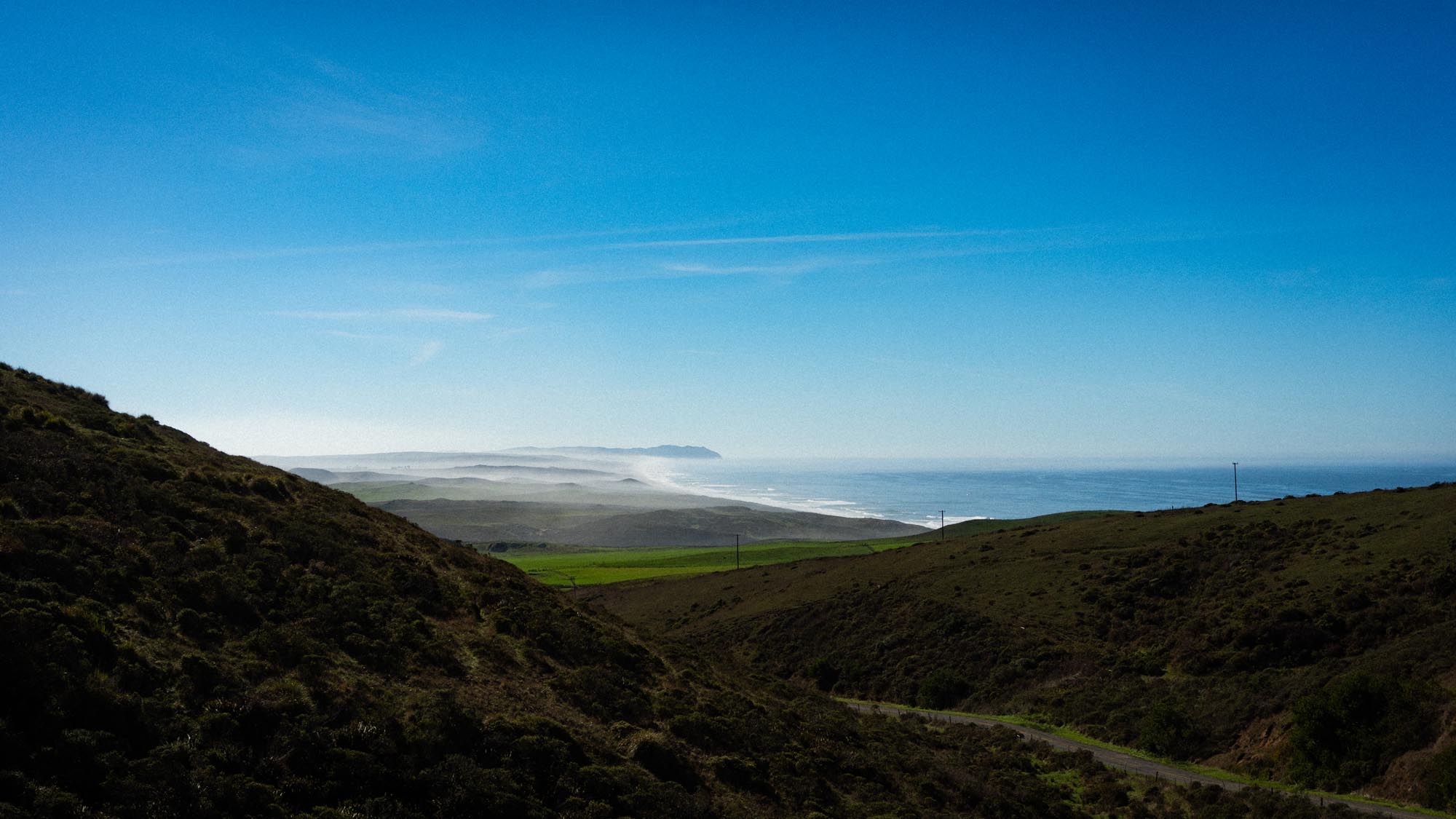
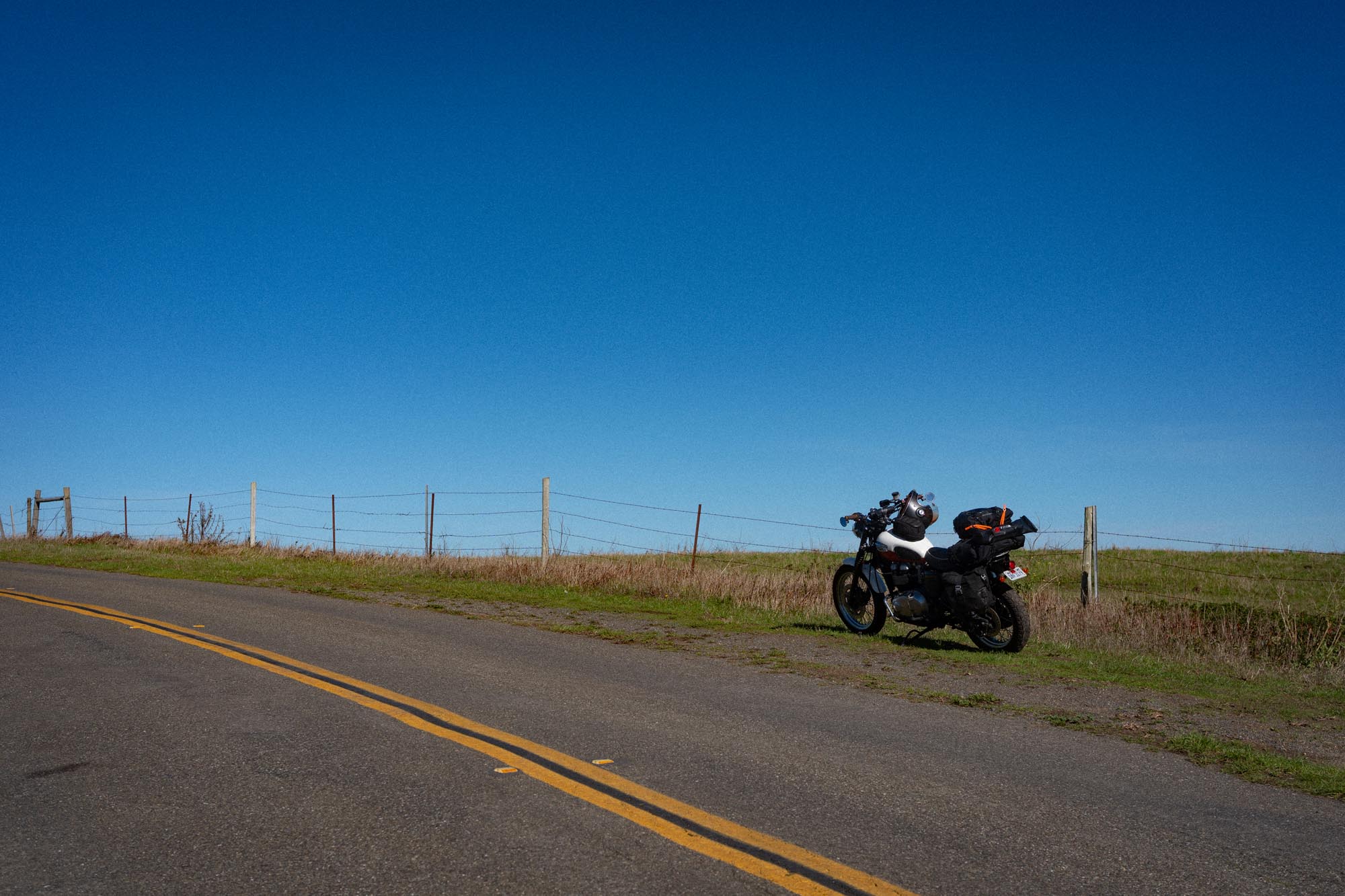
I wanted to connect the dots between the romantic idea of gear and what most people actually do. People buy dive watches but never dive. They buy adventure motorcycles but ride to Starbucks. There’s nothing wrong with that, but I wanted to show a middle ground—using tools in real ways within reach for most people. Not extreme expeditions, but also not just lifestyle posing. When someone tells me that my videos inspired them to do their first motorcycle camping trip, that’s what motivates me. Showing realistic, attainable adventure.
Your videos have this calm, tactile, almost ASMR quality. What do you want viewers to feel?
I want them to feel invited—to come along with me for a calm night out or a slightly challenging one. It’s not meant to be overly polished or performative. It should feel like you’re just tagging along.
Solo. Moto. Camping. Why combine those three things—solo adventuring, motorcycles, and camping specifically?
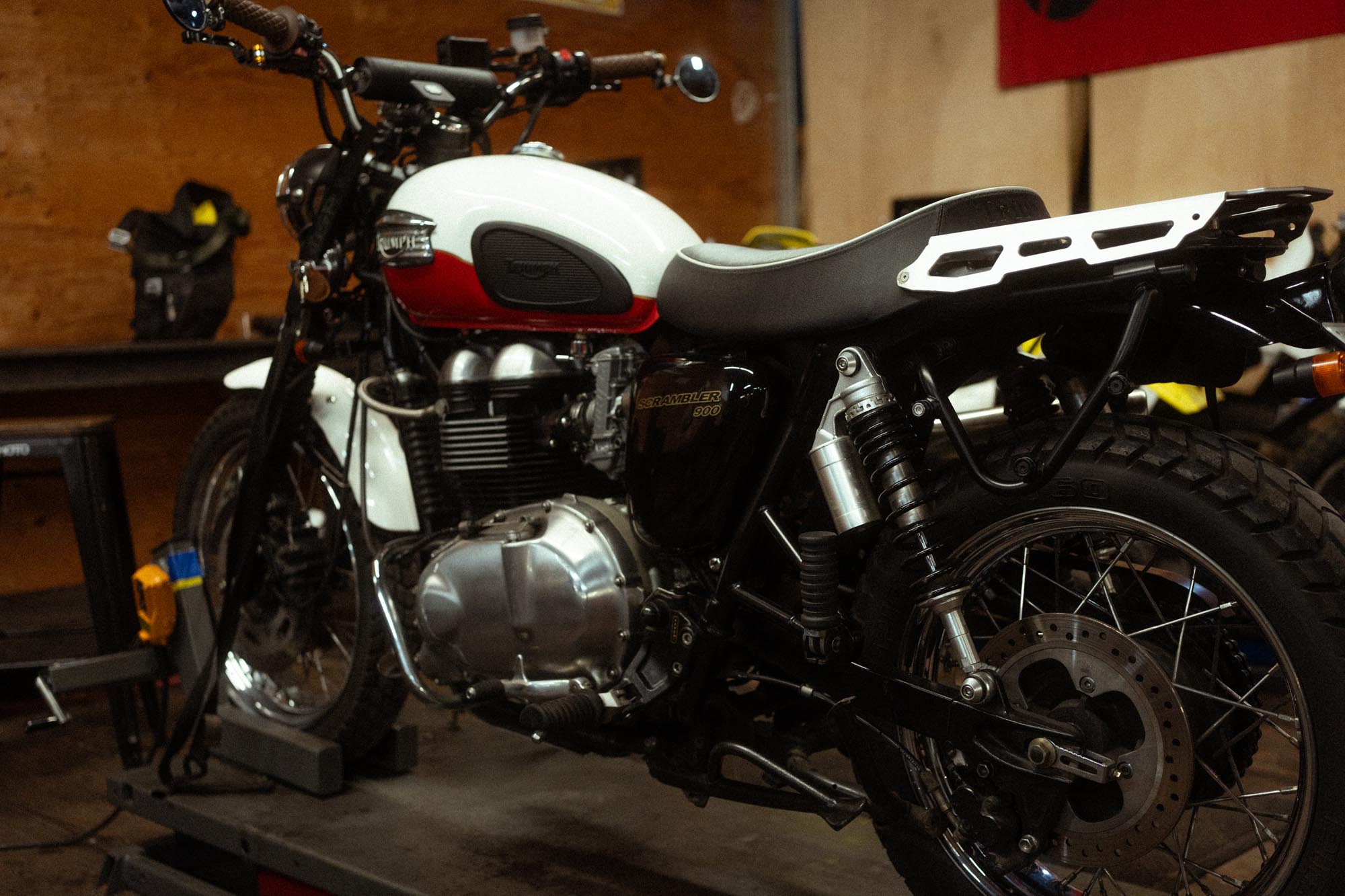
They all share a sense of individuality and isolation. When you ride, you’re alone—even if you’re with another person, you’re each in your own helmet with the world trying to kill you. Camping alone is similar: once you leave home, you’re relying on yourself, supported by the tools you bring. You become more aware of the infrastructure and people behind those tools, and you appreciate them more.
Has showcasing gear on camera changed how you evaluate what’s worth owning?
Definitely. When you’re alone on a motorcycle with minimal luggage, the gear isn’t theoretical. It has to function. If a tool or light fails, it’s out. Some pieces—like my coffee grinder—I’ve used for 20 years and they keep going. For my videos, I also think it’s valuable to show how quality long-term gear holds up, not just the newest thing I bought last weekend.
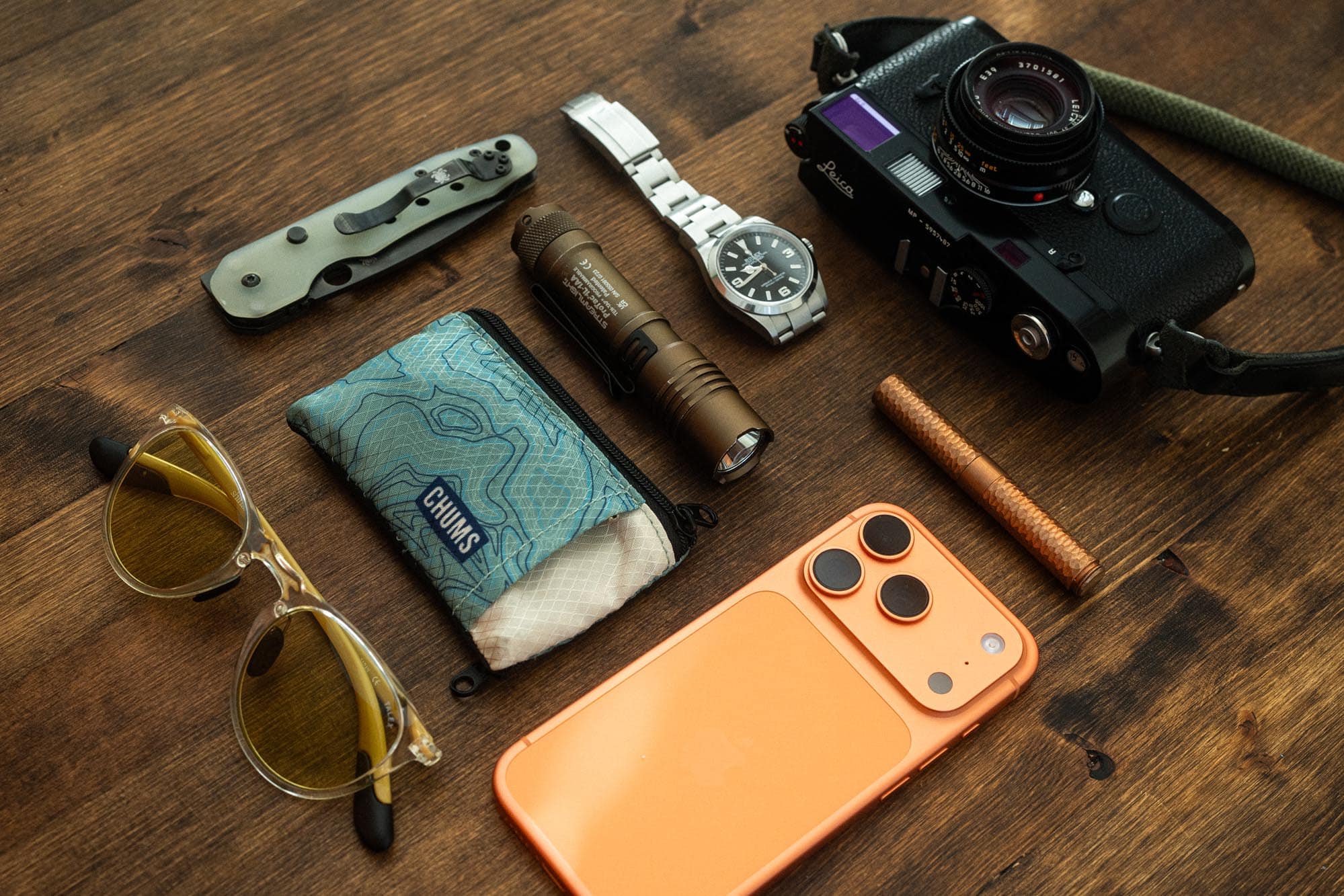
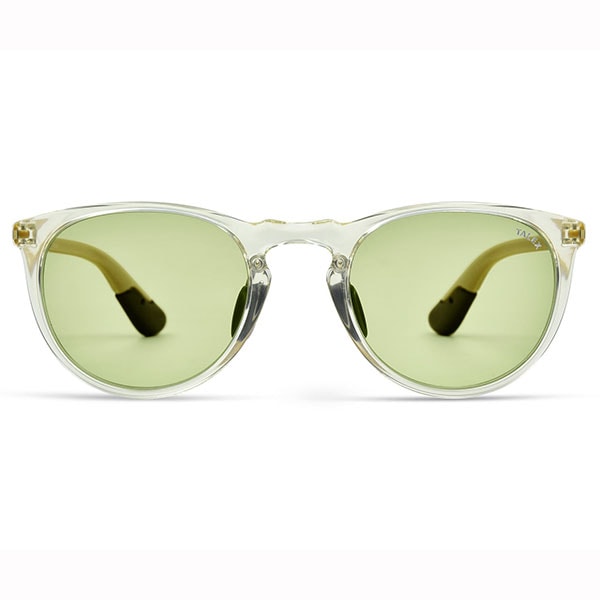
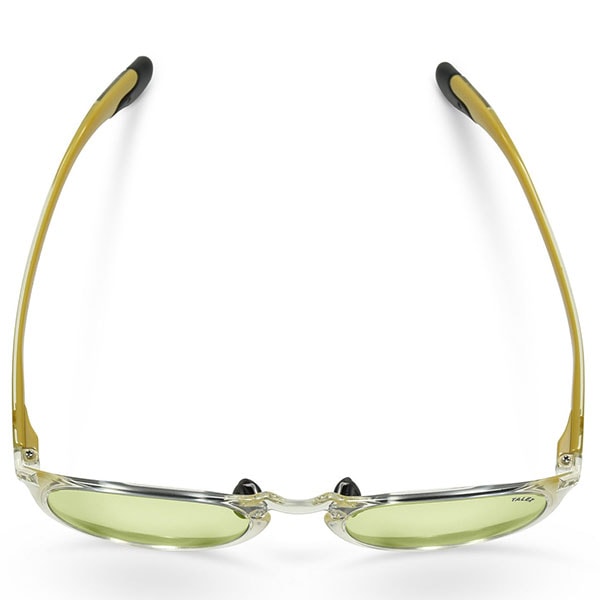
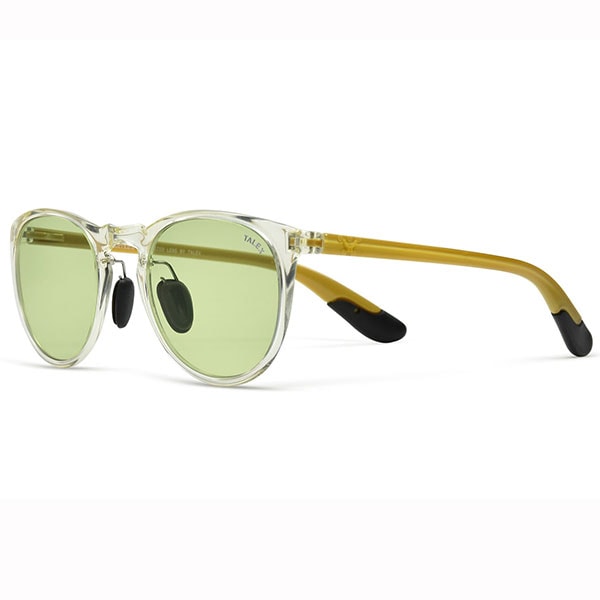
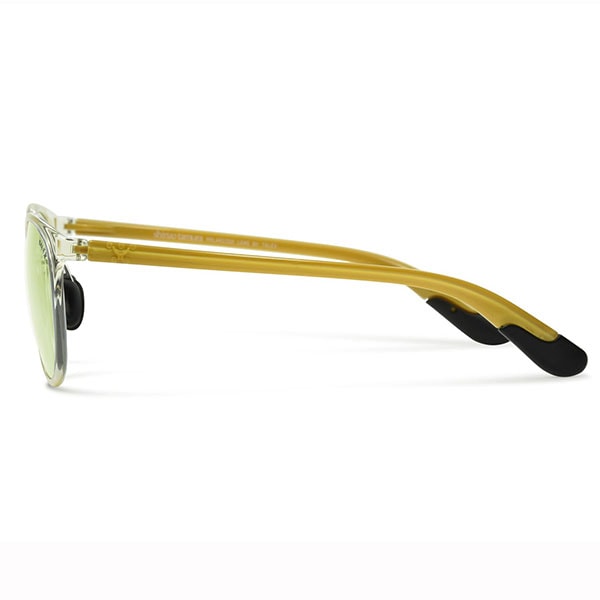
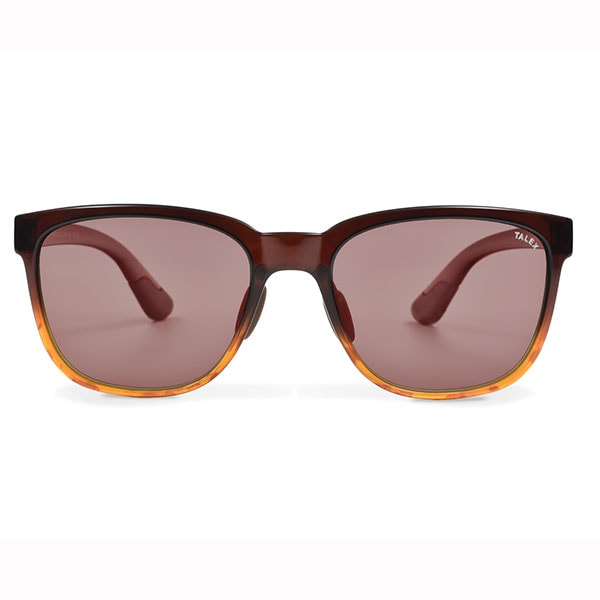
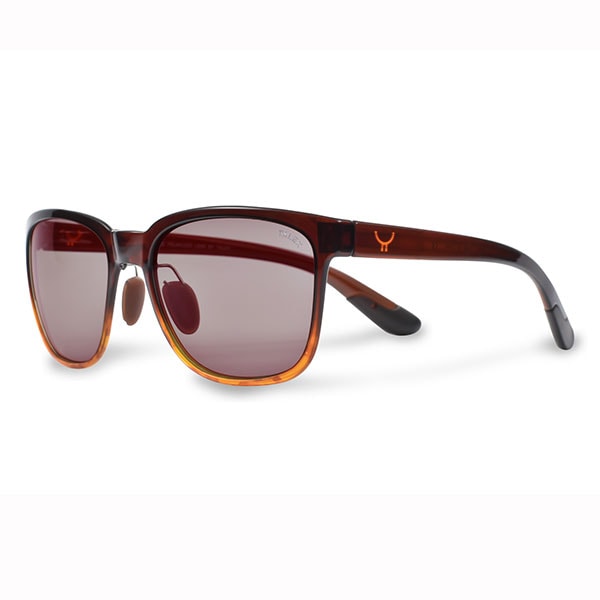
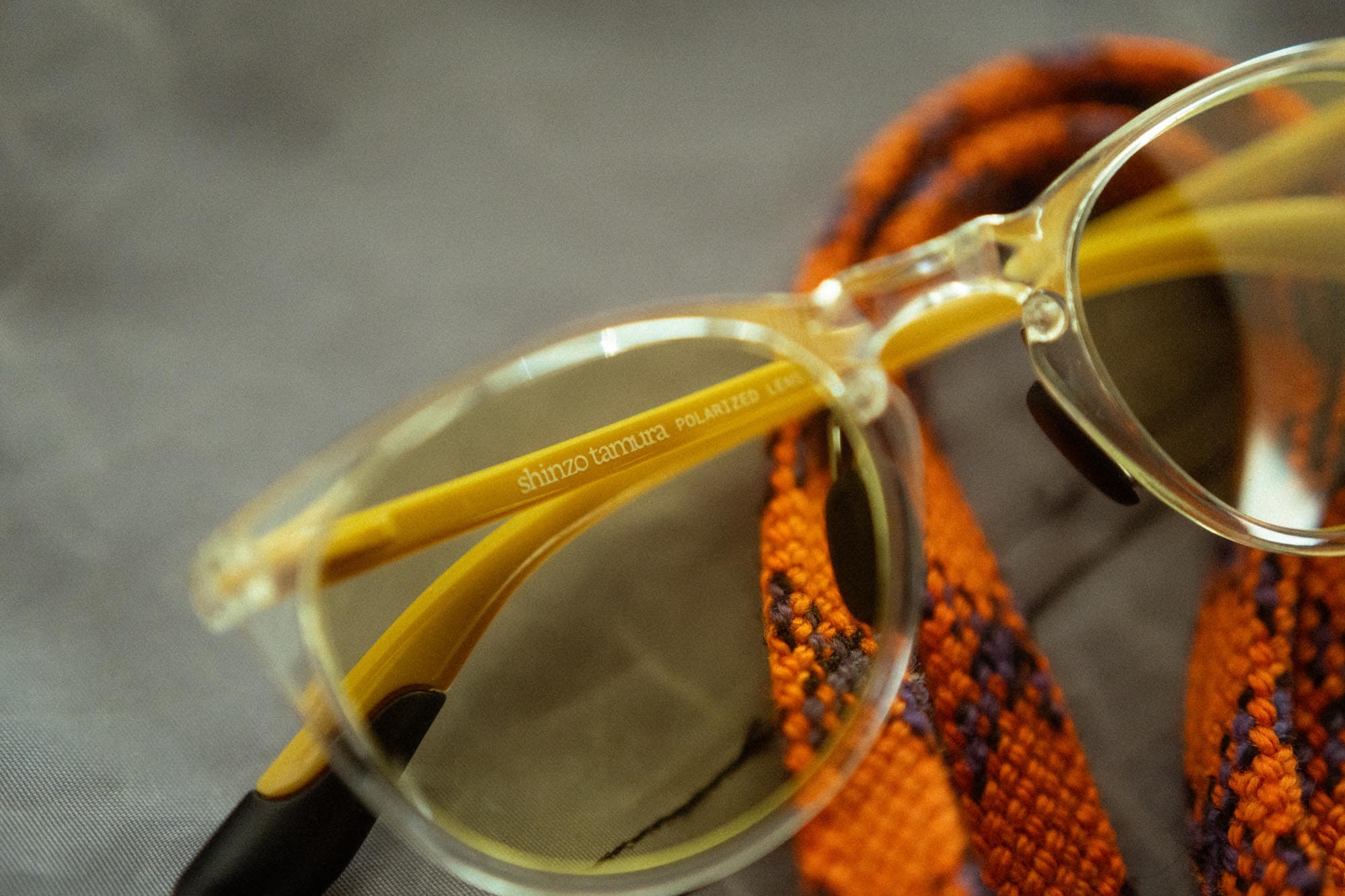
Let’s talk about the Shinzo Tamura sunglasses we sent you from Japan. We shared a few different pairs for different use cases, the Abeno with Peridot lenses, the Joto with Slate lenses, and the Namba with Copper lenses. What’s your relationship with eyewear and what were your first impressions before using them?
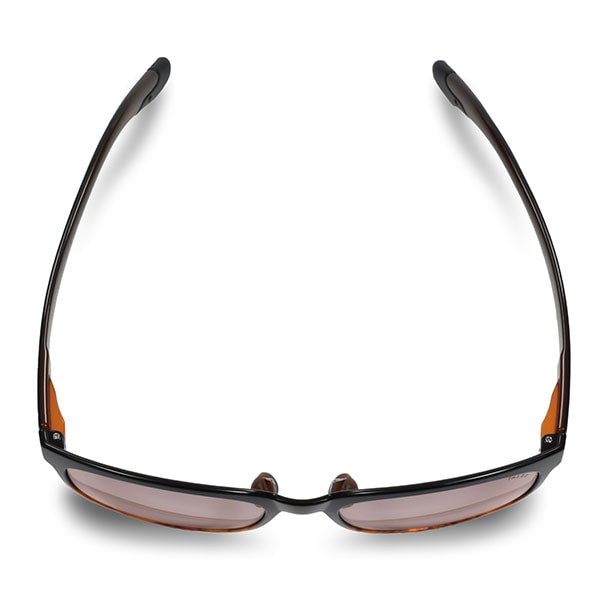
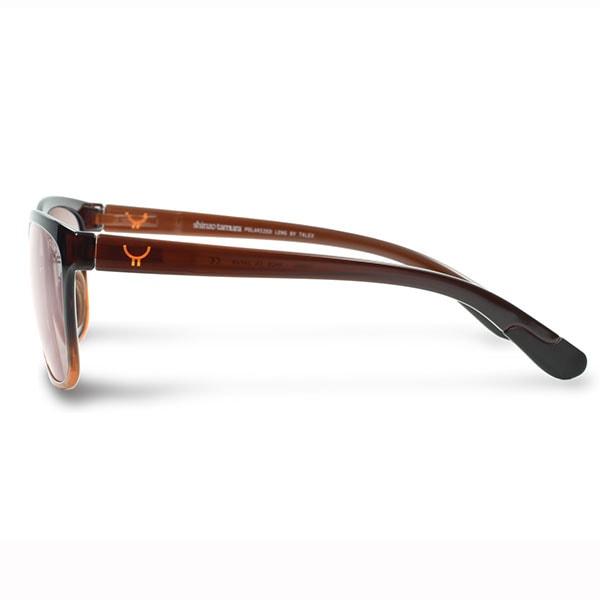
I’m definitely a sunglasses enthusiast, but I don’t have strong ties to the Japanese eyewear world. After researching and then receiving the pairs, I could immediately see the quality—especially Shinzo Tamura’s polarized optics, which are so important functionally. The build quality felt great. I tried both the more casual style and the more technical style, and they each fit really well. The adjustable nose pieces and the shape of the arms felt thoughtfully designed. Even before wearing them outdoors or for driving, the optics and the fitment considerations were obvious.

You got to try the more casual Abeno Peridot in the car and the more technical Joto Slate sunglasses on the bike. How did they perform?
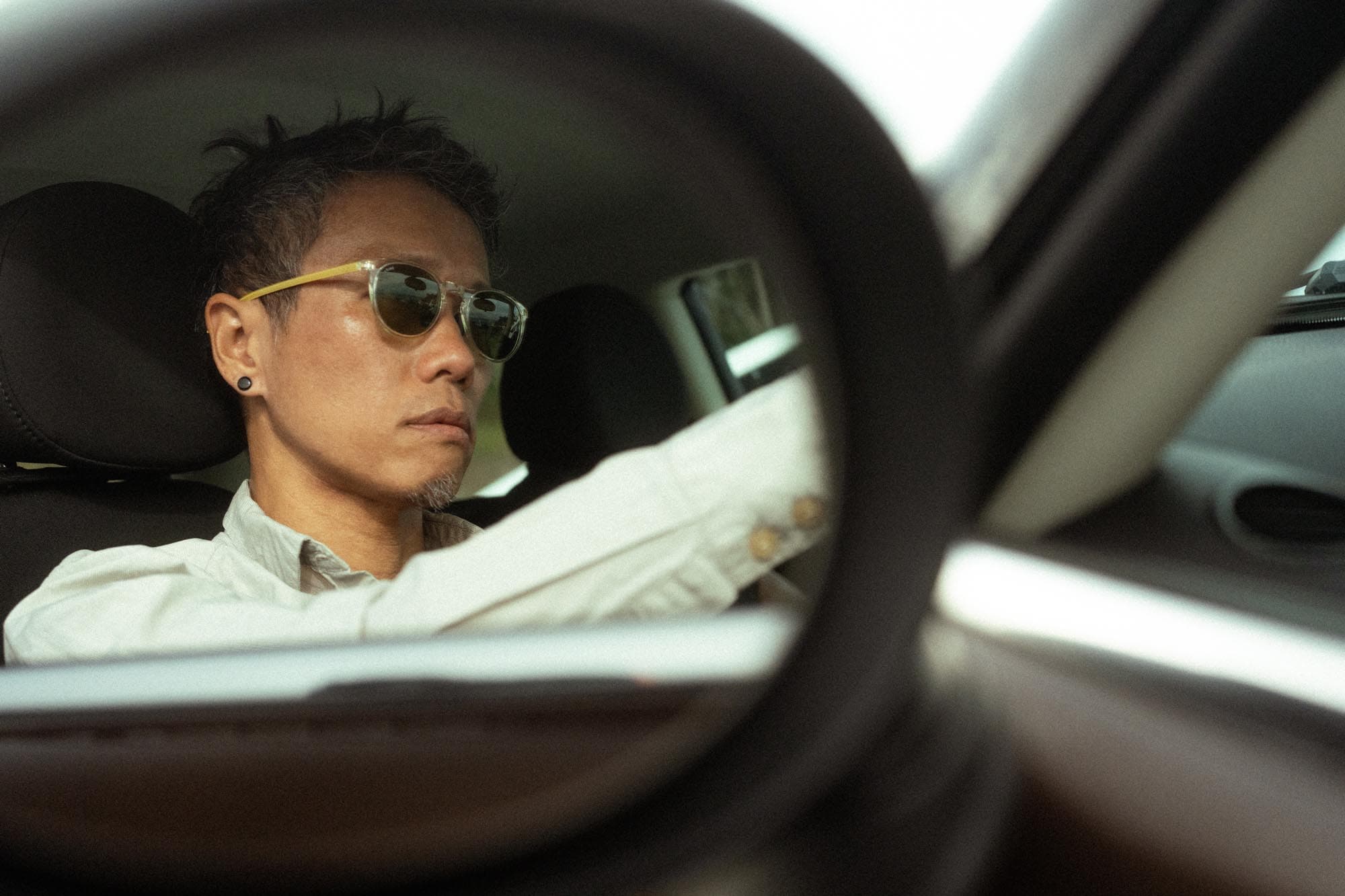
For driving in city conditions, lighting changes constantly—tunnels, shade, sudden glare. A lighter tint works better for that, and the slight yellow tone in these lenses actually helps in darker conditions. For driving, I prefer starting with a lighter shade rather than a really dark one, purely for safety and awareness. So, the Abeno sunglasses worked really well. Its Peridot lens enhances brightness and reduces glare, making it the perfect choice for driving in rainy conditions or overcast days. It’s also an ideal choice for low-light driving conditions. My priority is always about staying focused and intentional on the road, and the sunglasses are there to support that by keeping visibility consistent in shifting light.
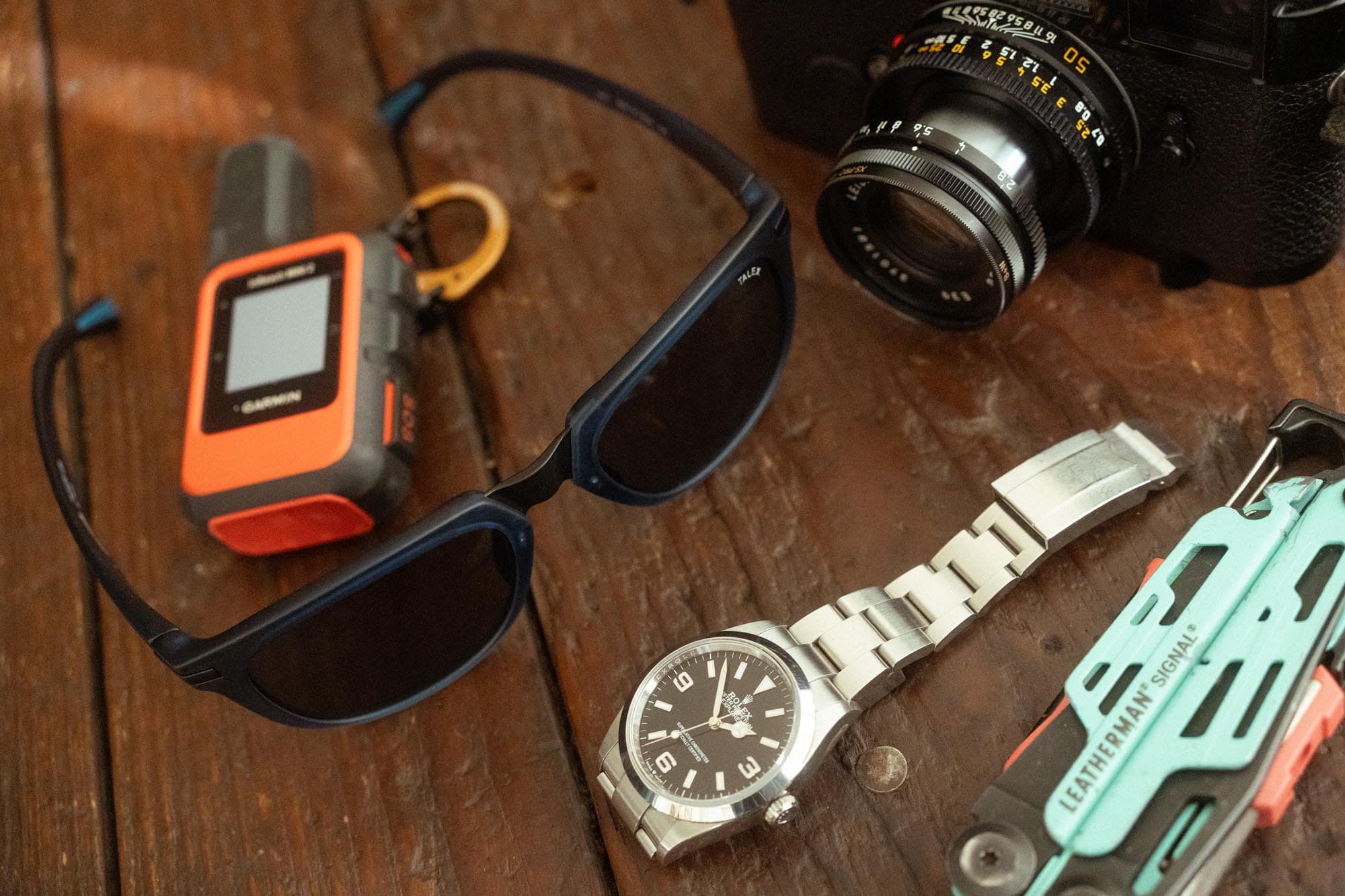
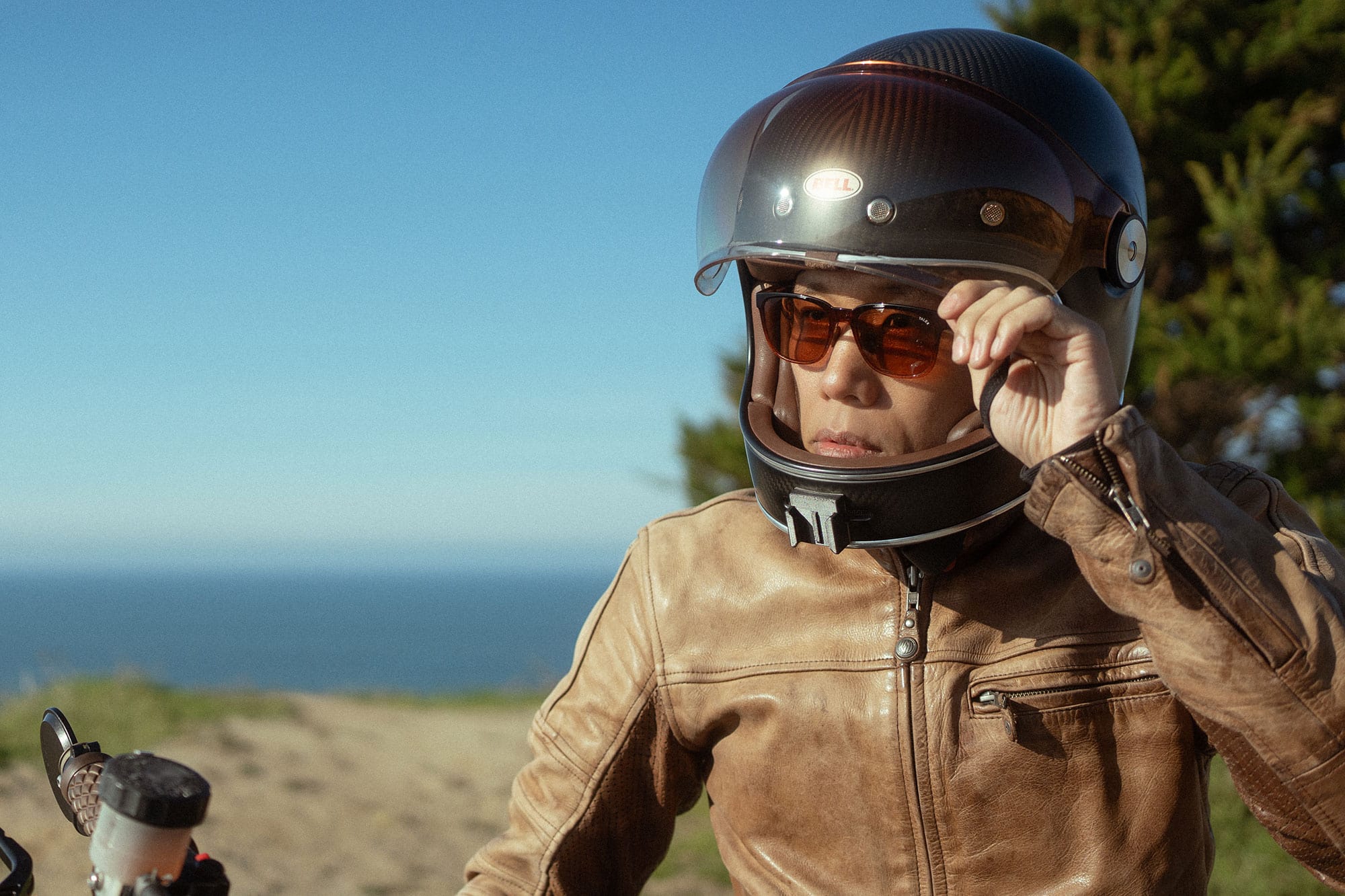
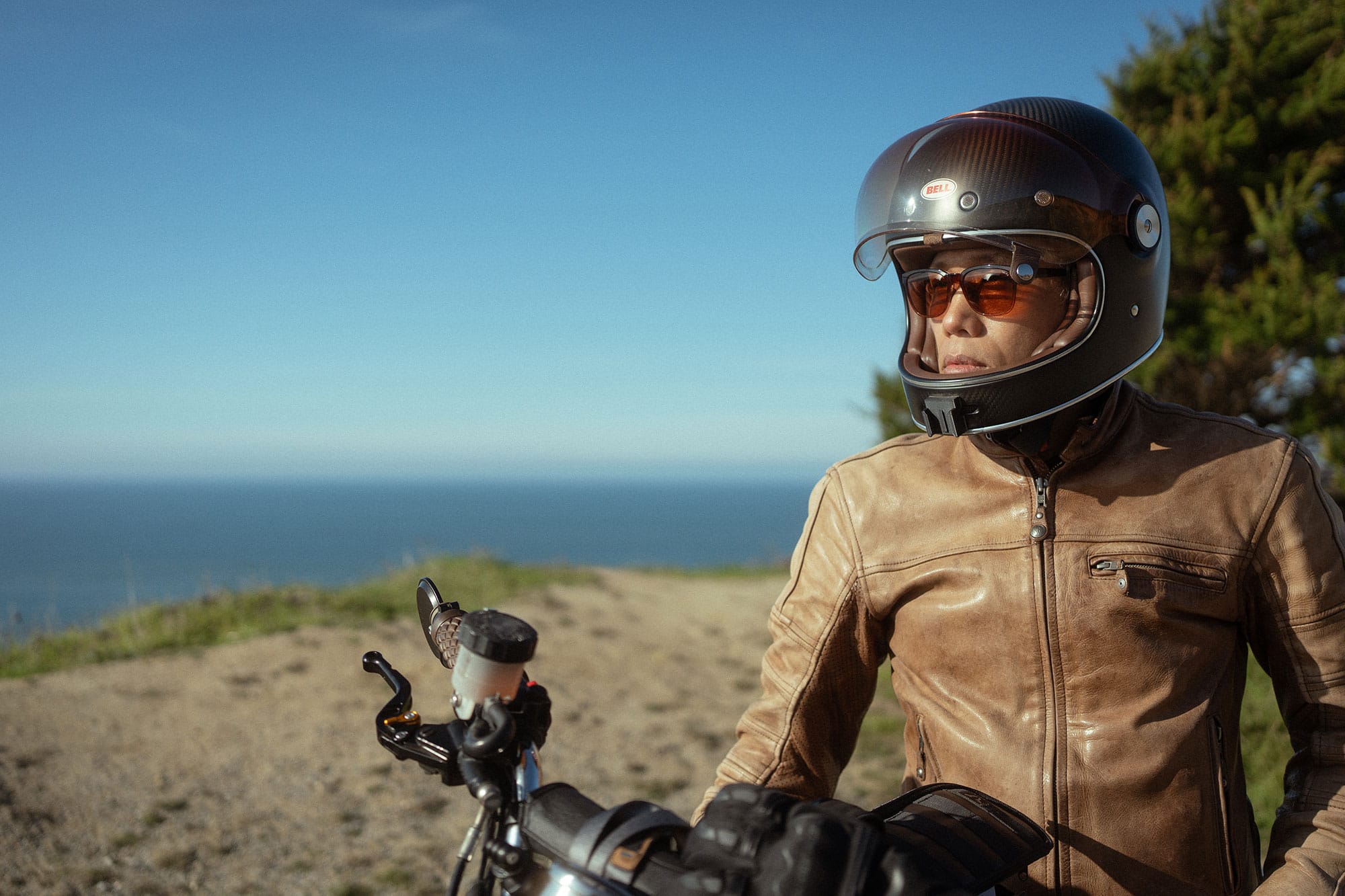
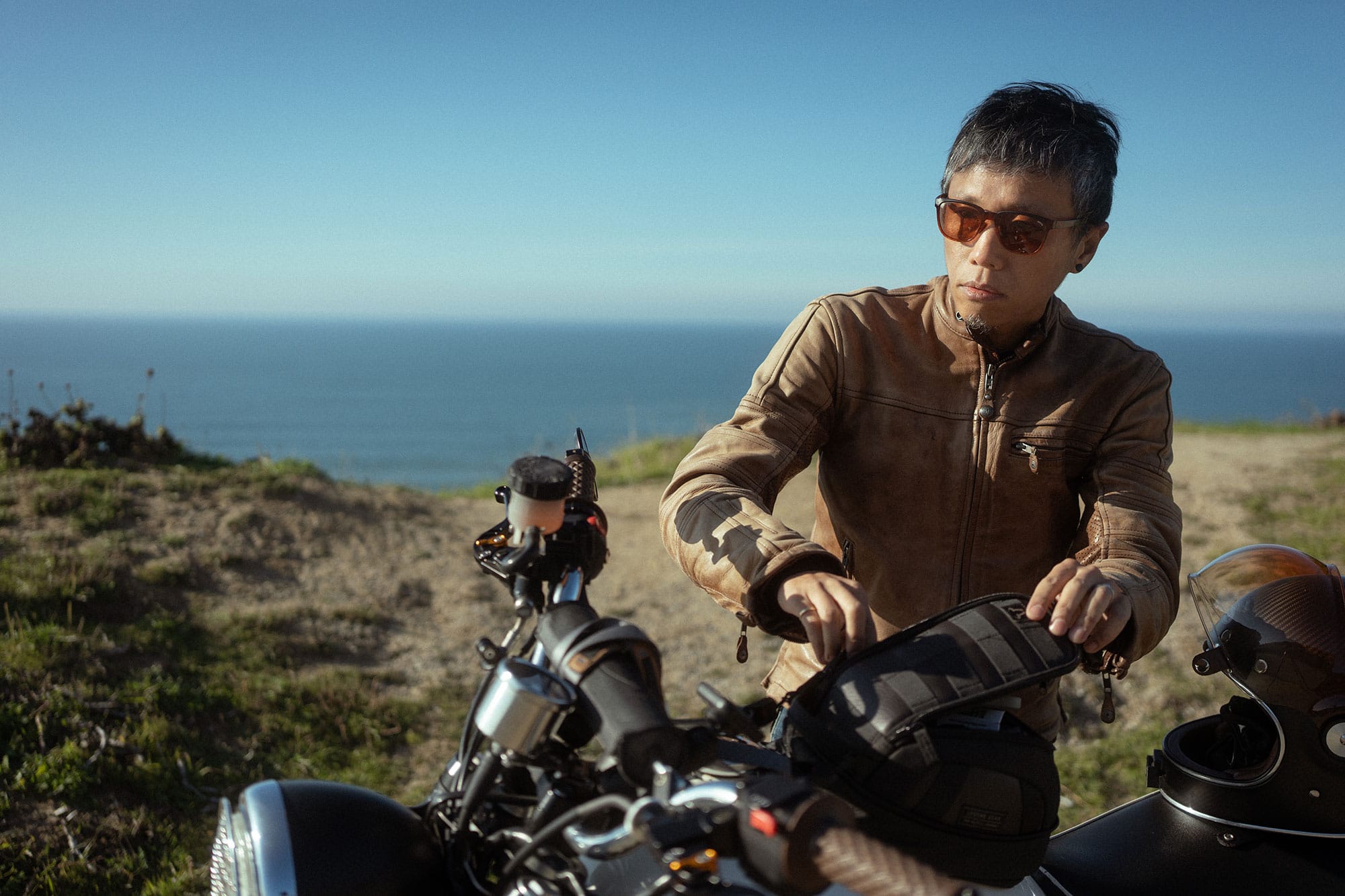
Sunglasses play a big role in both protection and visibility, whether you’re driving or riding. In my recent video, I chose that setup because daylight is so short now. It’s easy to end up riding at sunset, and you need options. My helmet has a lightly and partially tinted bubble shield that stays clear even when it gets dark, but during the day it’s not enough on its own—too bright—so the Joto sunglasses fill that gap. I use a medium tint, not the darkest, because extremely dark lenses can be hard to adjust to when light changes quickly. If I’m riding toward evening, I can simply take them off. That flexibility is huge. Relying solely on a tinted visor would mean swapping to a clear one after sunset, which is bulky and inconvenient to carry. Sunglasses make the whole setup more versatile for a full day.

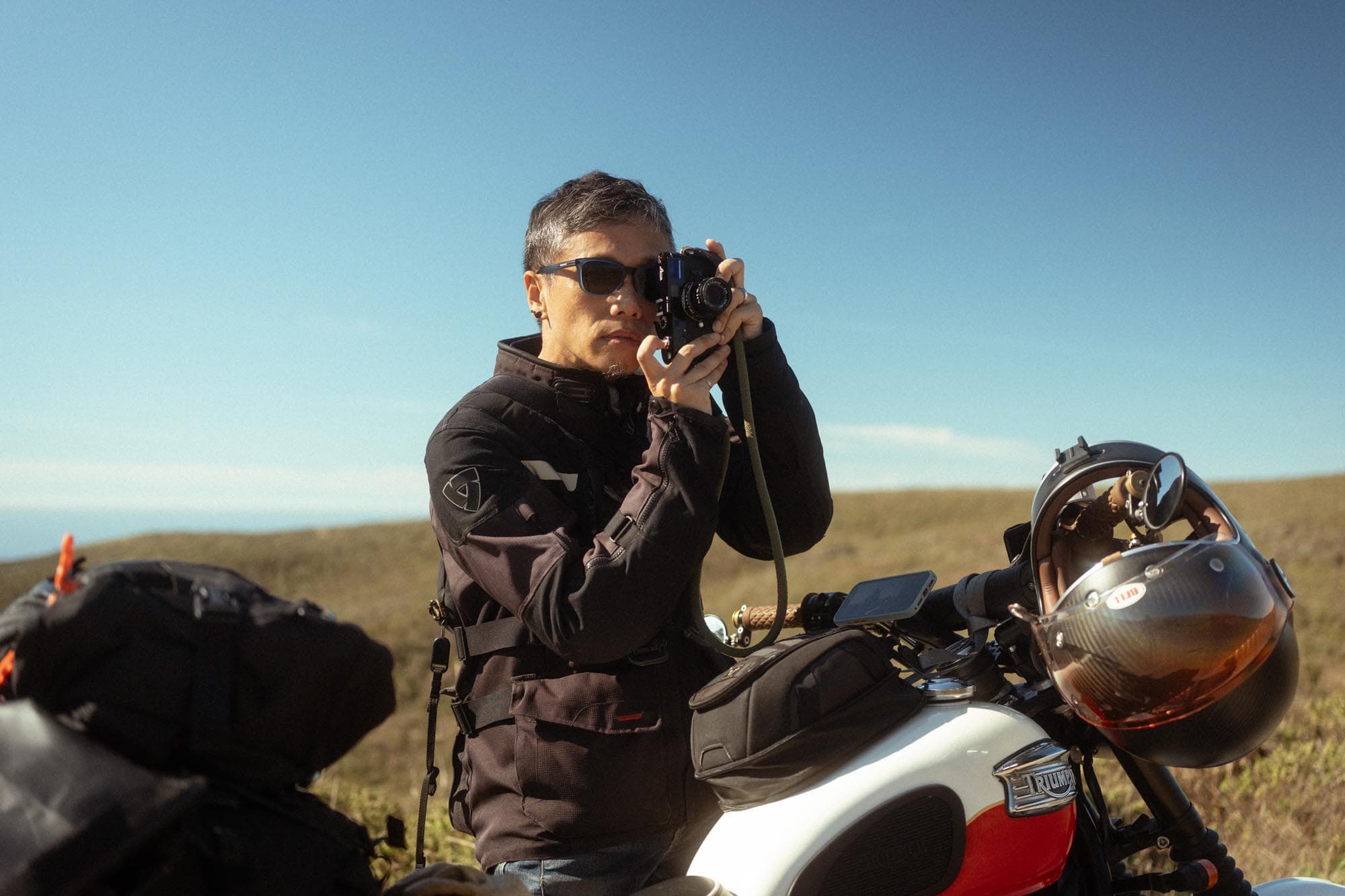
Now for the question of the hour—how did they perform with a motorcycle helmet?
That’s always a challenge for riders. Most glasses create pressure points or don’t fit under a full-face helmet. I chose the Joto and they worked exceptionally well. The arms taper very thin where they contact your head, so there’s little pressure, but they also have a thicker portion that “anchors” into the helmet so they don’t move around. The arms also have just the right amount of flexibility, which makes it very easy to slide them on and off once you’re already wearing your helmet. Depending on how glasses—sunglasses or standard glasses—are shaped, they have the tendency to induce headaches due to the tightness of modern helmets. I wore these for hours with a full face helmet. That means not an open face or cap style—what people call a brain bucket… And thanks to the way the arms are designed, I didn’t have any of the pressure, which happens a lot with almost all glasses. So no headache—rare for riding with glasses.
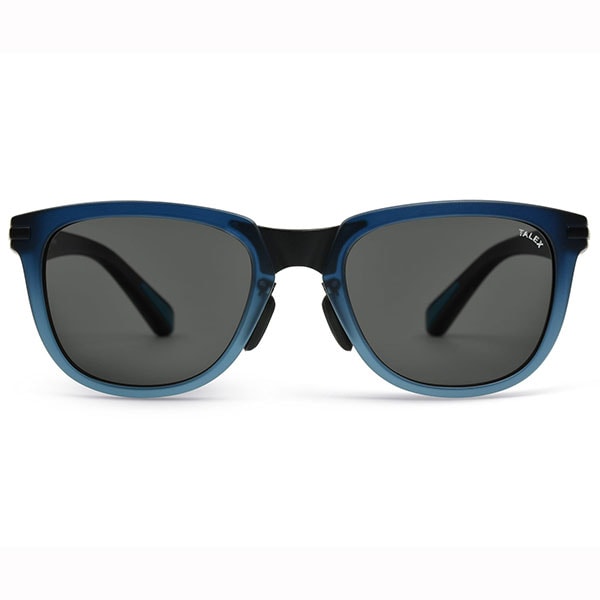
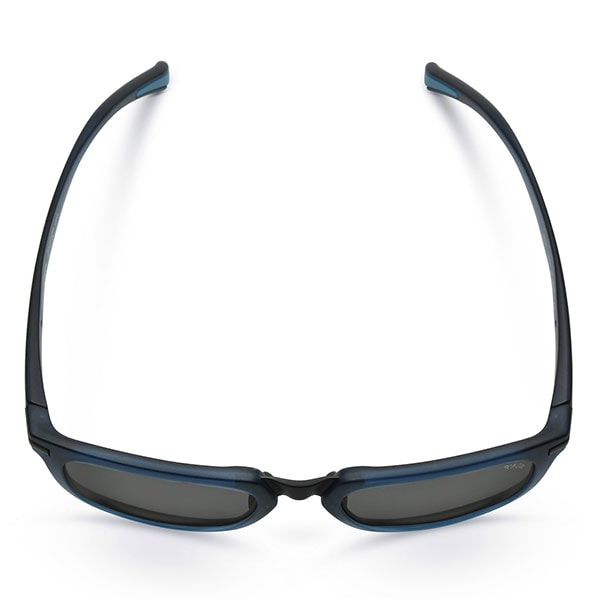
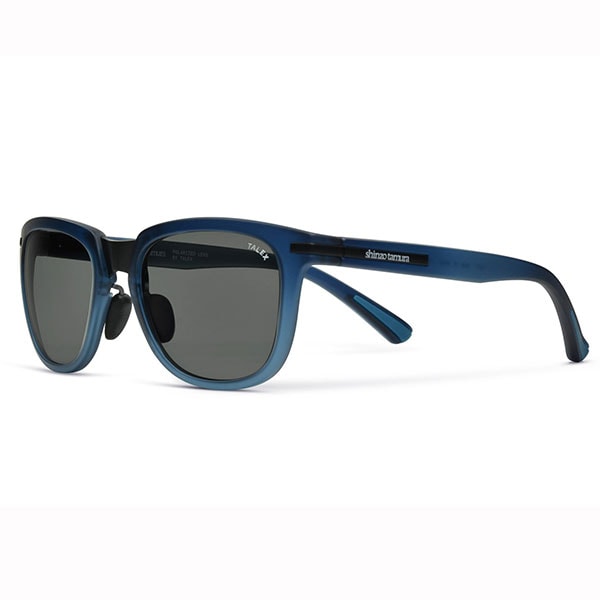
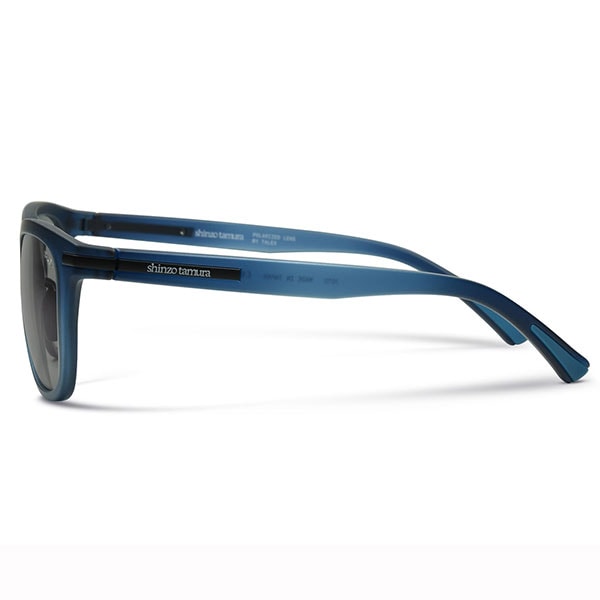
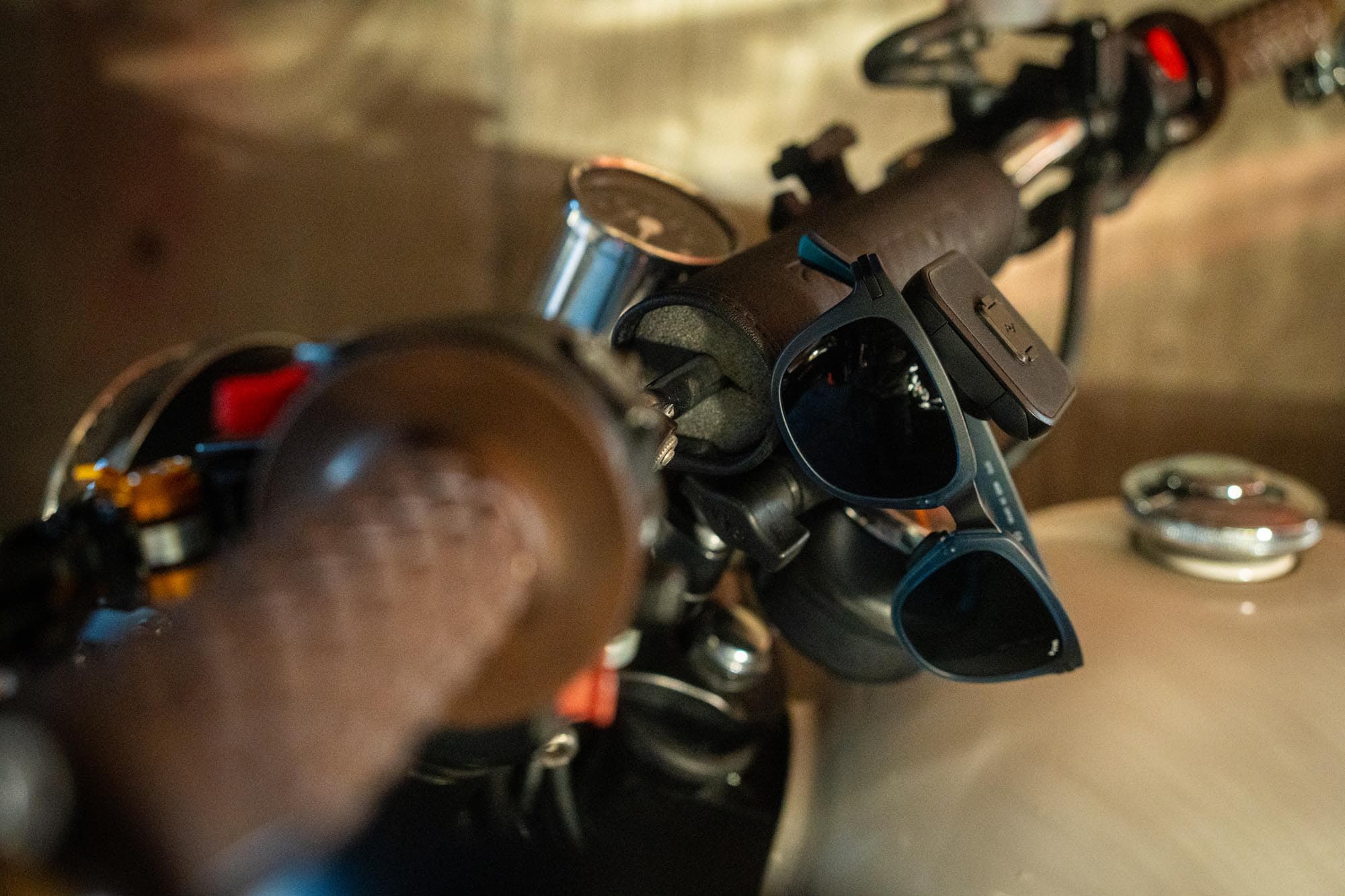
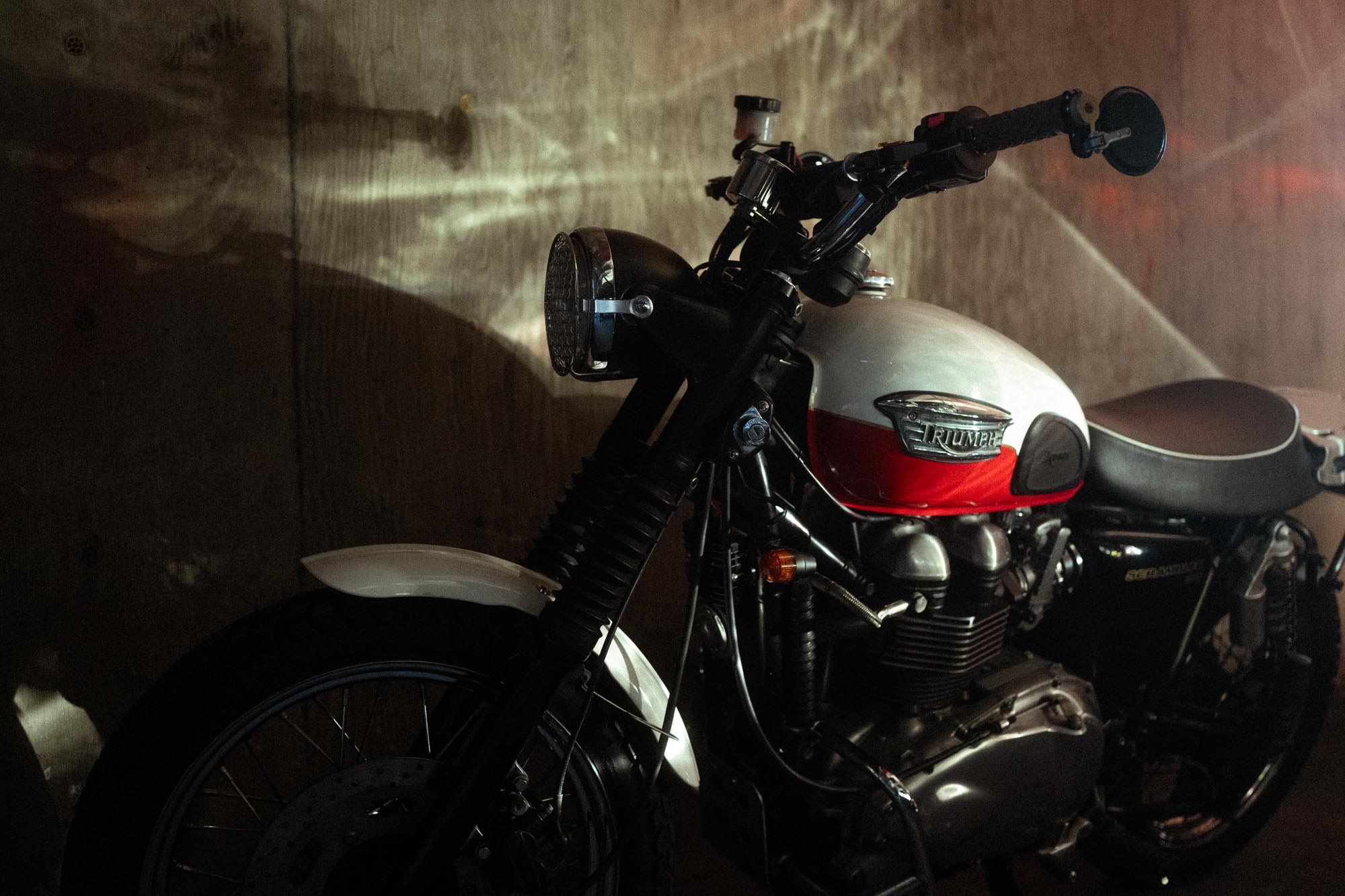
Shinzo Tamura is known for polarized lenses. But polarization can be troublesome when combined with other transparent materials. How did Shinzo Tamura’s unique approach to polarization interact with your motorcycle helmet’s visor?
Typical polarization plus a curved visor can be a nightmare, creating rainbow effects, light artifacts, and distortions. All of these add up to potential distractions that can cause unsafe conditions when riding. But with the Joto, even using my bubble visor—which is a worst-case scenario surface—I saw minimal side-effects with no distortion or distractions. That’s unusual and really impressive.
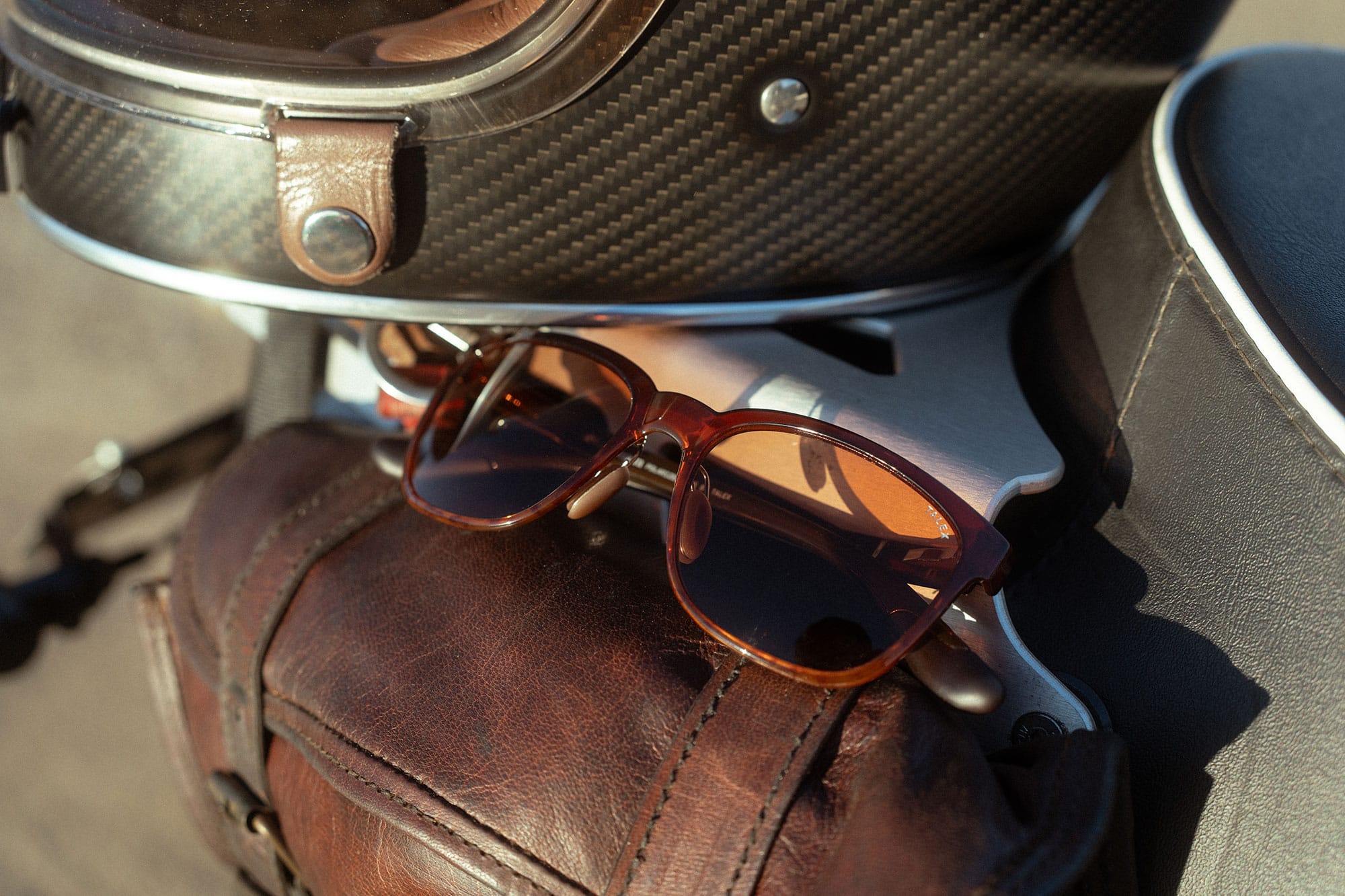
Is it smart to have a “quiver” of sunglasses for different conditions?
Absolutely. If you have the space, multiple pairs of sunglasses help a lot as conditions change. If you can only pick one, choose one that works across the widest range of light and settings. For example, I found myself swapping from the Joto Slate to the Namba Copper that’s designed for high-speed driving or in this case, riding. The Copper lens enhances both clarity and contrast while enabling me to focus on riding through twisty woods and coastline with rapidly changing light conditions, thanks to the gentle, not-too-dark tint.

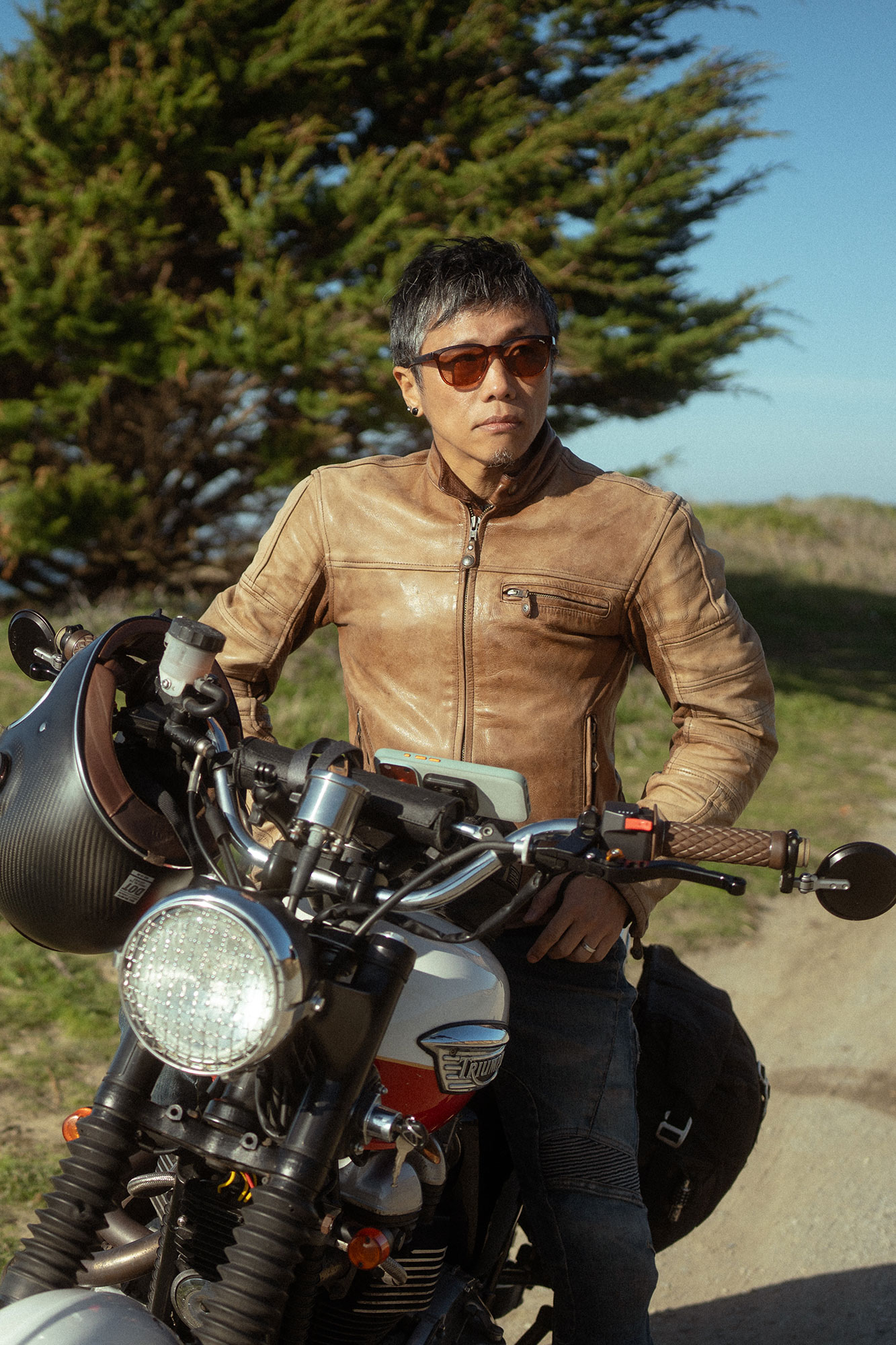
Has this project with Shinzo Tamura changed how you think about sunglasses as part of your EDC?
Yes. I always carried sunglasses, but they were more of a background necessity. Now I think more intentionally—what conditions I’ll be in, what tint I need, whether I’ll be in the woods, the rain, bright sun, etc. They’ve moved from “always in the bag” to something I choose deliberately.
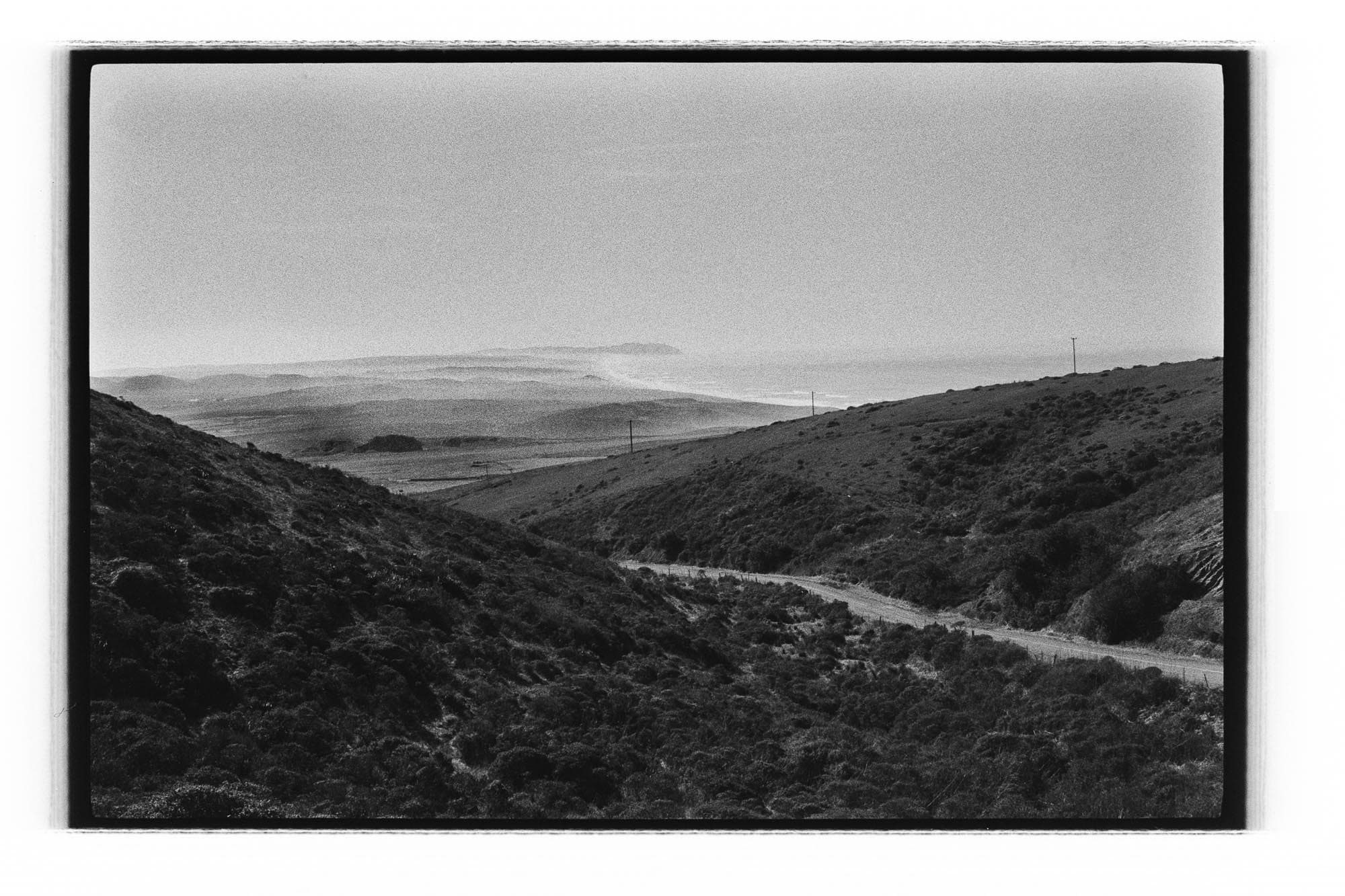
It’s almost like these objects, like the right sunglasses or watch, become small companions for your journey.
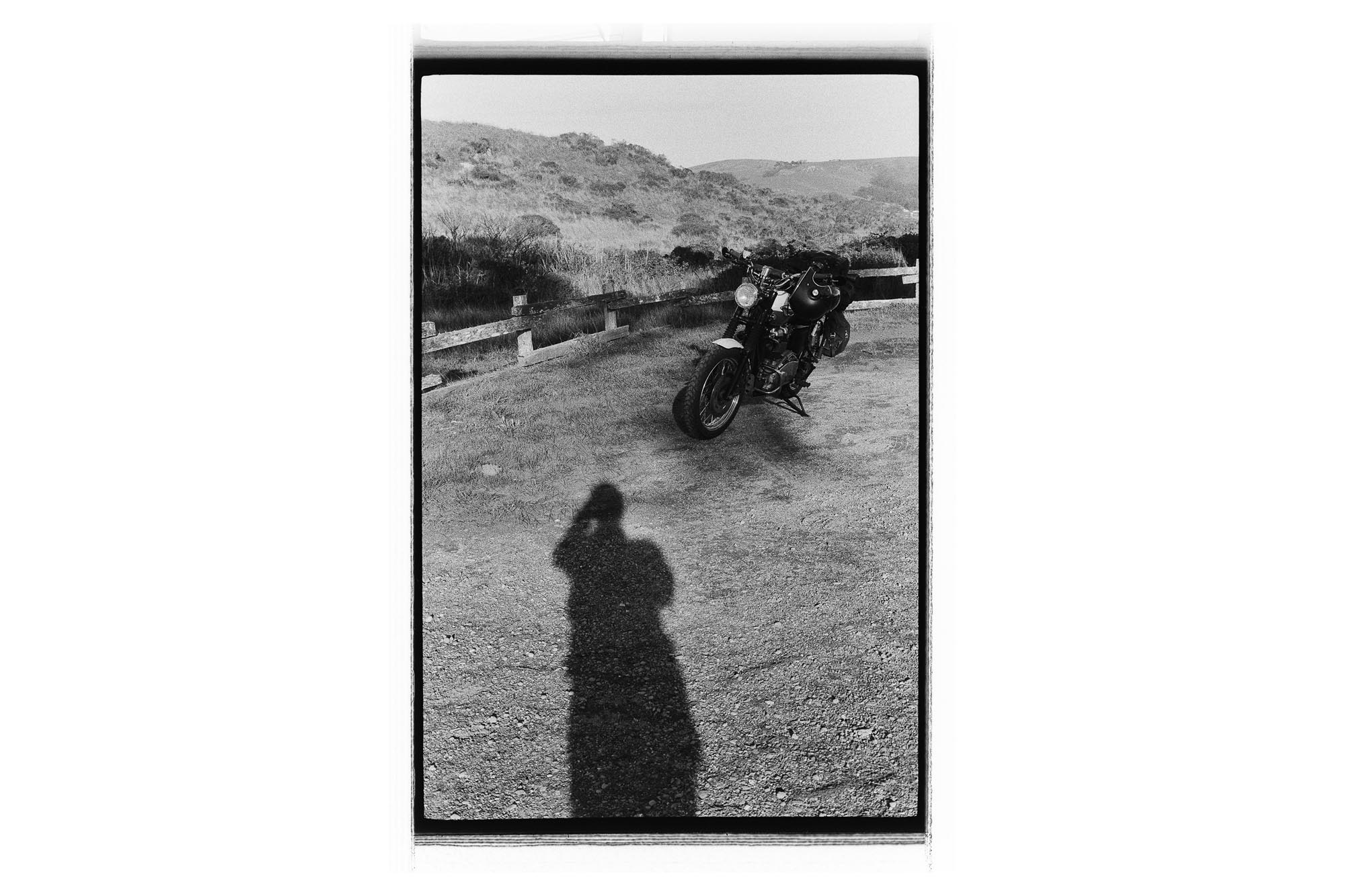
Exactly. Riding solo makes you aware of your vulnerability and forces you to be intentional. Choosing the right gear, like the right eyewear, for example, gives an added level of safety and comfort.. Those “companions” are what make the experience enjoyable—they give you the freedom to have your own physical and mental space. In a way, you’re not truly alone. And when these tools work well, they make me appreciate the people behind them. It feels like they’re along for the ride too.
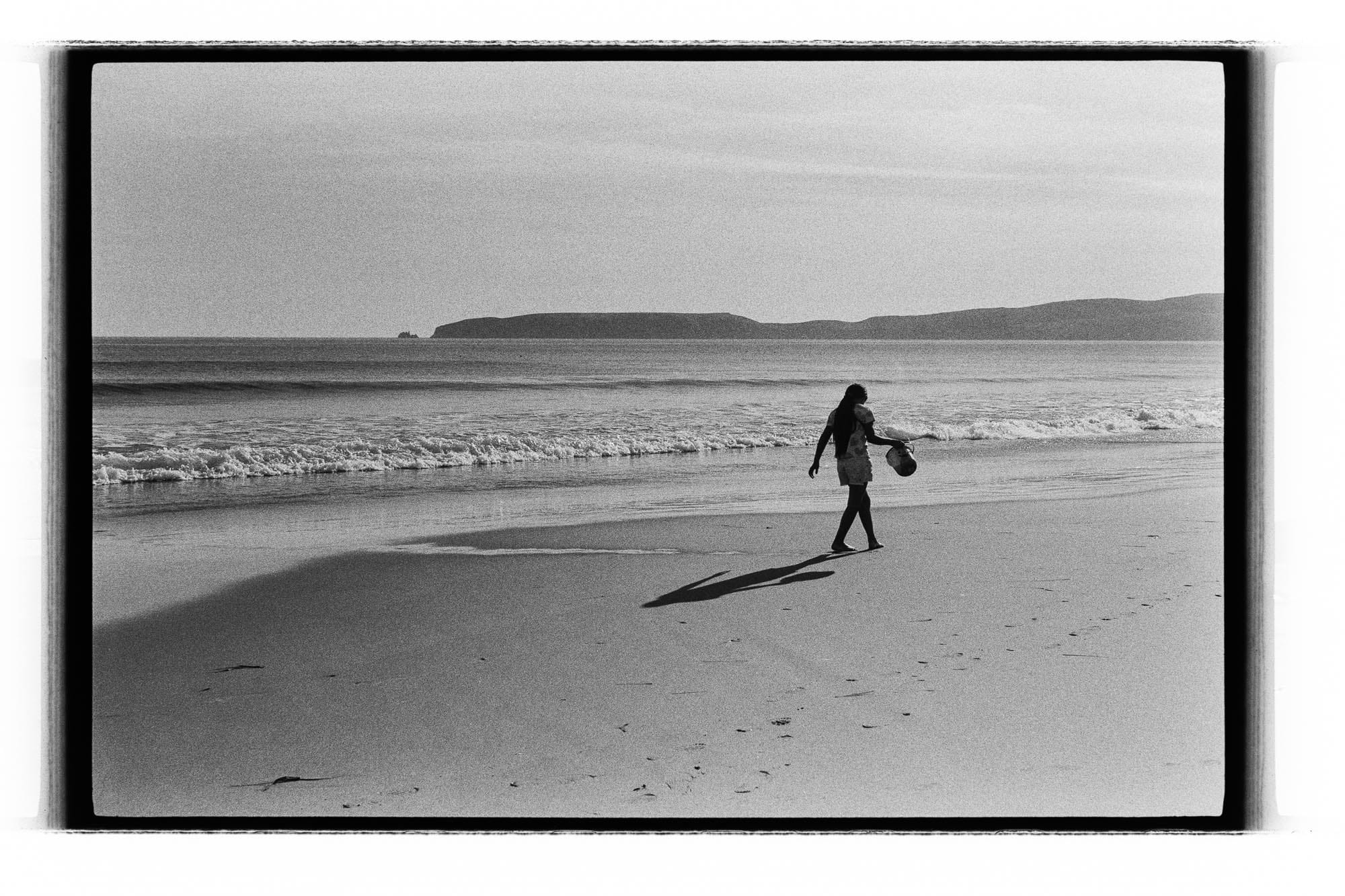
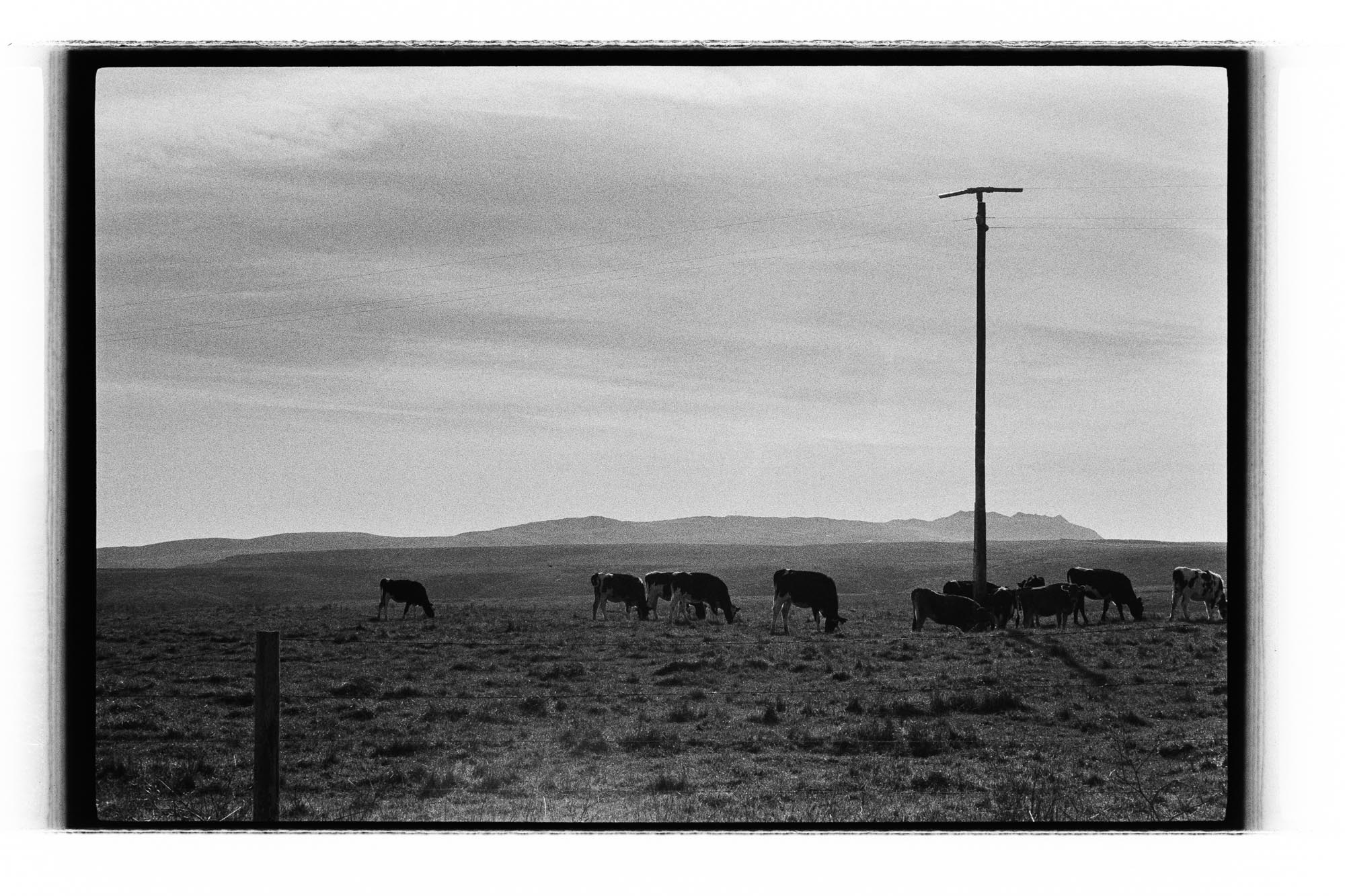
Last question: you’ve mentioned “laid-back” riding or camping. What does that mean to you?
“Laid-back” can sound like an excuse for not doing something extreme, but for me it’s more about intention. It’s recognizing that I’m not chasing some super-serious expedition or mindbending adventure. I’m slowing down, being deliberate, being aware. It’s about enjoying the experience fully, not rushing through it, not pushing beyond what’s necessary, just being present and intentional with the journey I’ve chosen and the gear I’ve brought. But when you catch that moment of the sun setting—whether you’re riding toward it or away from it—you see the scenery just flying past you, and something shifts. Even in that intense state of focus, there’s this surprising feeling of calm that comes through. That contrast is what I love: the idea that a demanding, high-focus activity actually creates space for a laid-back moment within it. It’s like the intensity makes you more aware of those small pockets of peace, and you appreciate them even more.