 Latest Review




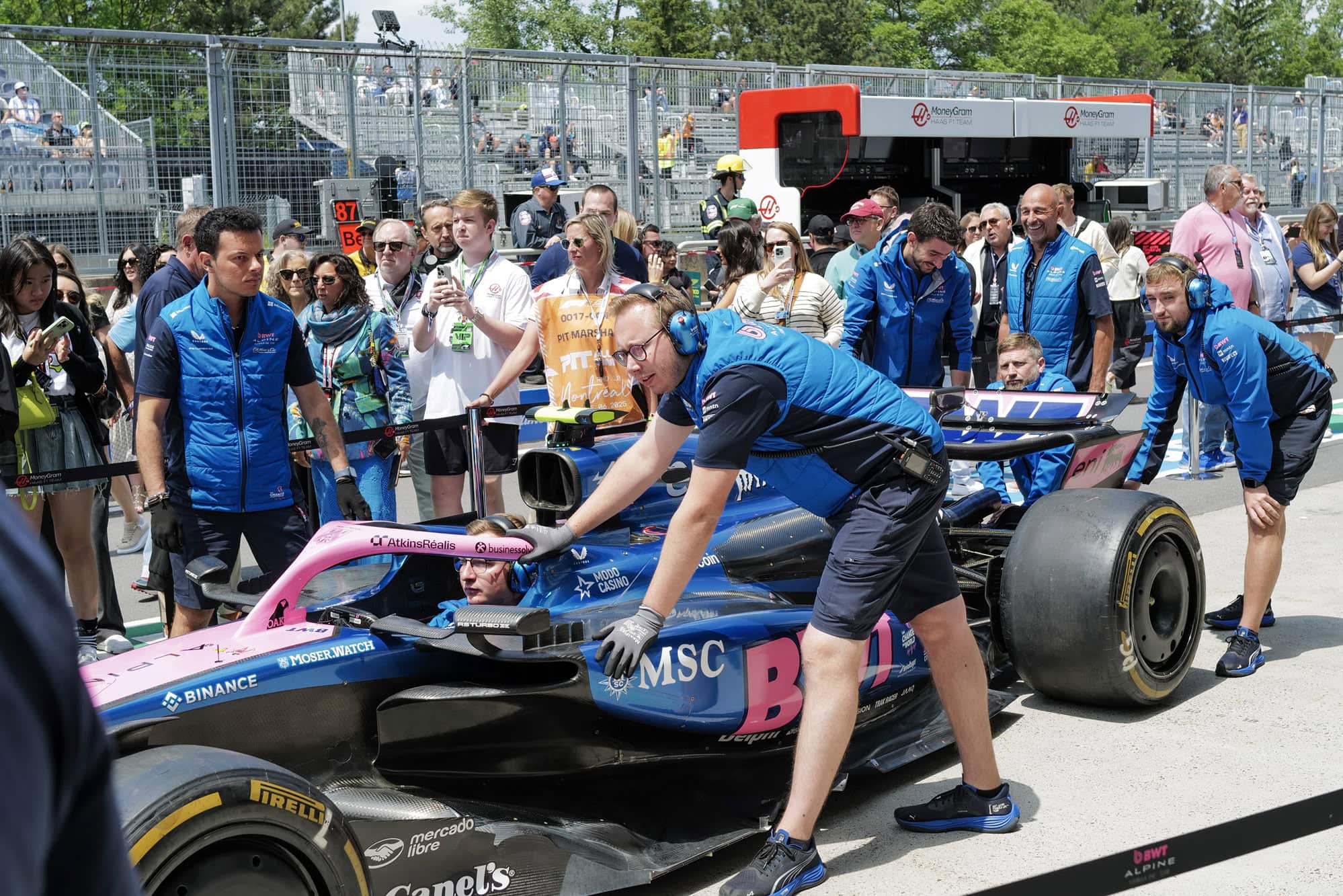
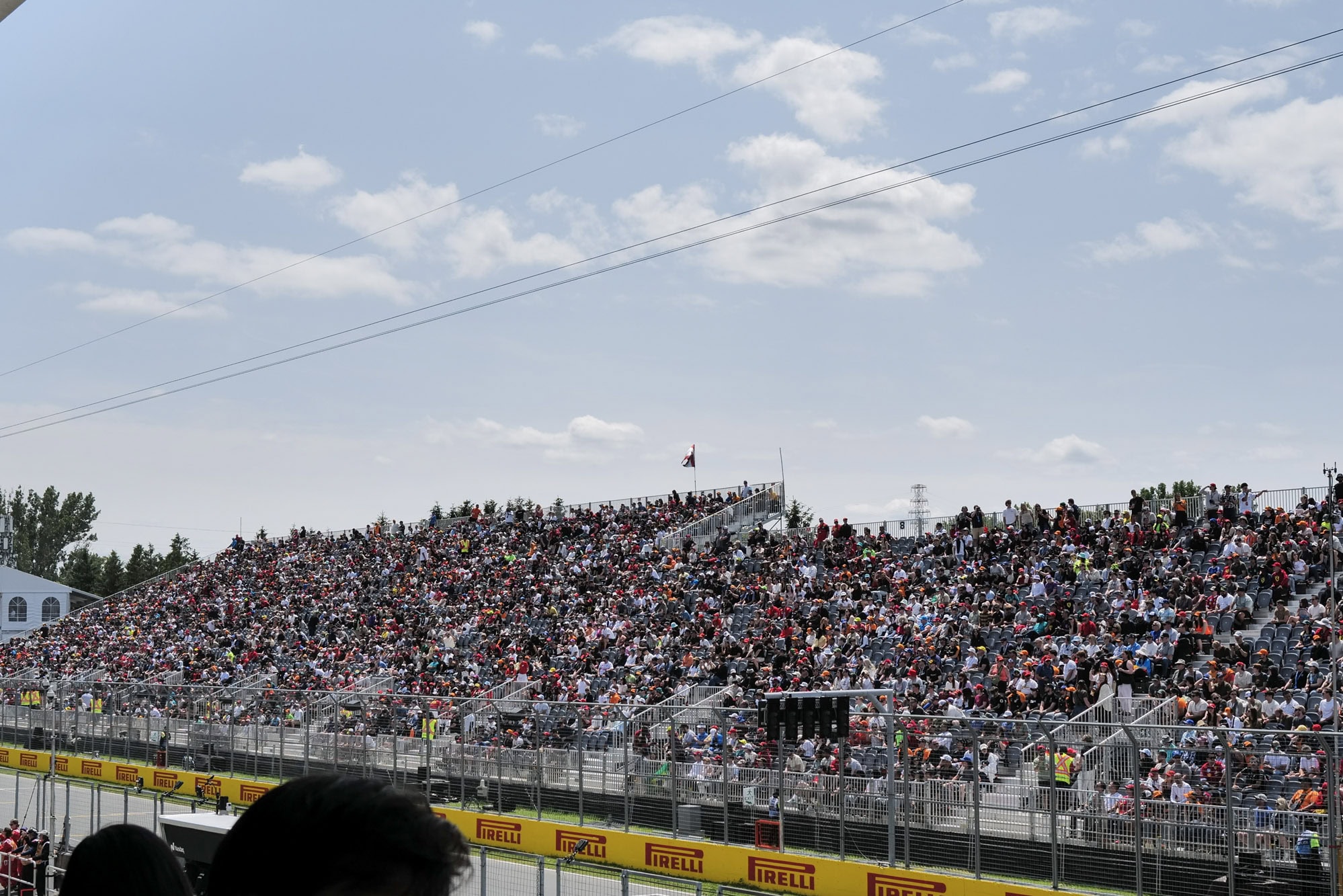
If I’m being honest, I have to admit that I was a strange choice to attend this press trip to the Canada GP in Montreal. At least on paper. I could be excommunicated from the watch world for what I’m about to say, but I have to speak my truth: I just don’t really care all that much about cars.
I own a car, for sure. And I drive it on an almost daily basis. But the fact is, because I live in a very walkable neighborhood in my city, I find myself getting annoyed when I’m forced to drive somewhere. Driving is a huge pain, after all, mostly because you have to deal with other drivers, but also because cars are pretty annoying. Mine, like its driver, is getting older. And these days when I start it up I often discover some new ailment that will force me to part with money likely earmarked for the Watch Fund, just to keep it up to the standards of the State of New Hampshire.

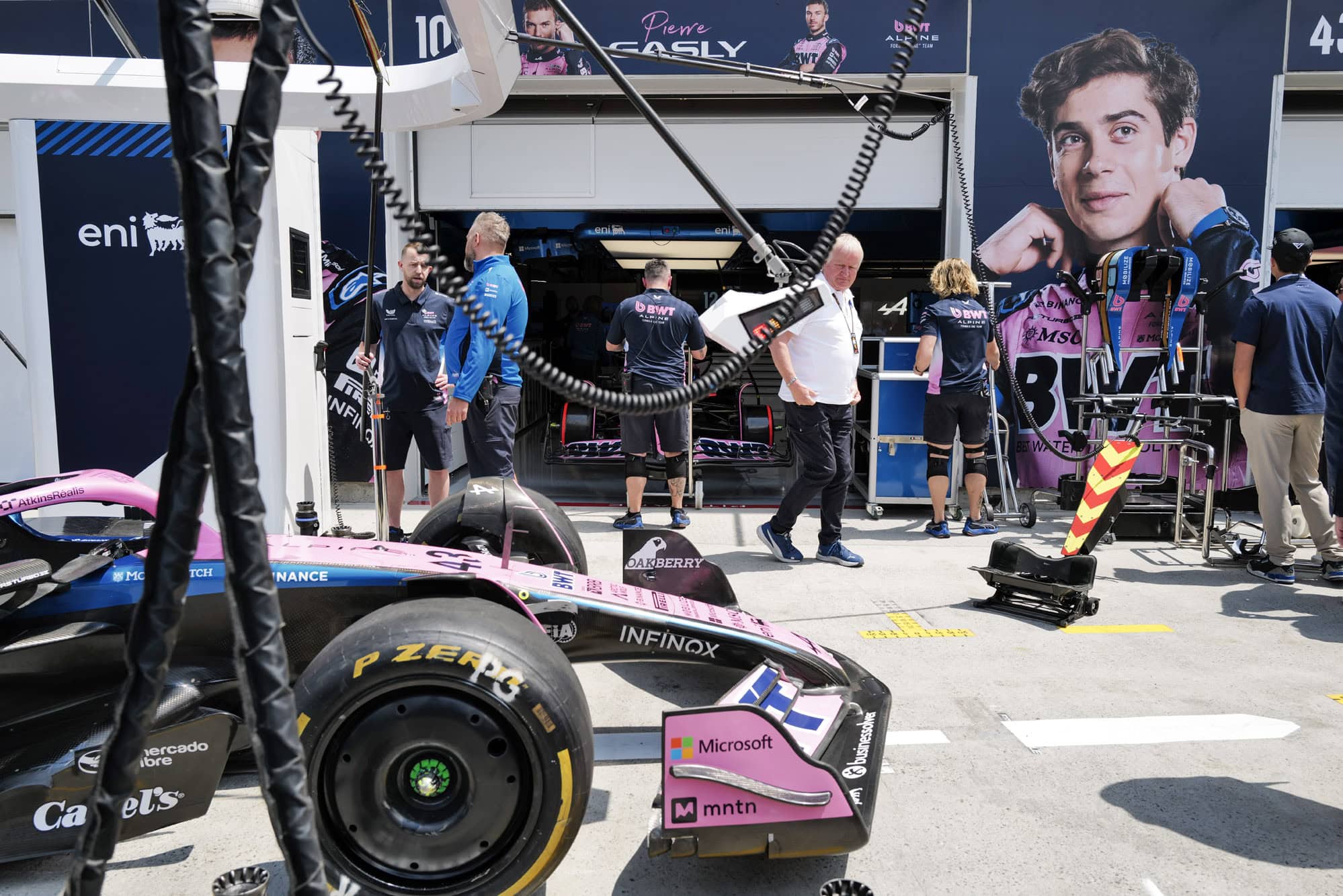
Anyway, this is a long winded way of saying I didn’t come into this experience a big F1 fan, because watching other people drive always seemed fundamentally like something I wouldn’t be all that interested in. And I’ll save you the suspense here: I didn’t come out of this experience as an F1 convert, ready to binge watch every season of “Drive to Survive.” But I did come away from it with a much better appreciation for the complexity of the sport, and I can certainly see how and why so many seem to be obsessed with it. And it also became clear to me how H. Moser fits in here. In fact, Moser’s approach to being a sponsor of an F1 team strikes me as fundamentally different from what we typically see from brands who develop relationships in the world of sports, and that’s a topic worthy of discussion all on its own.
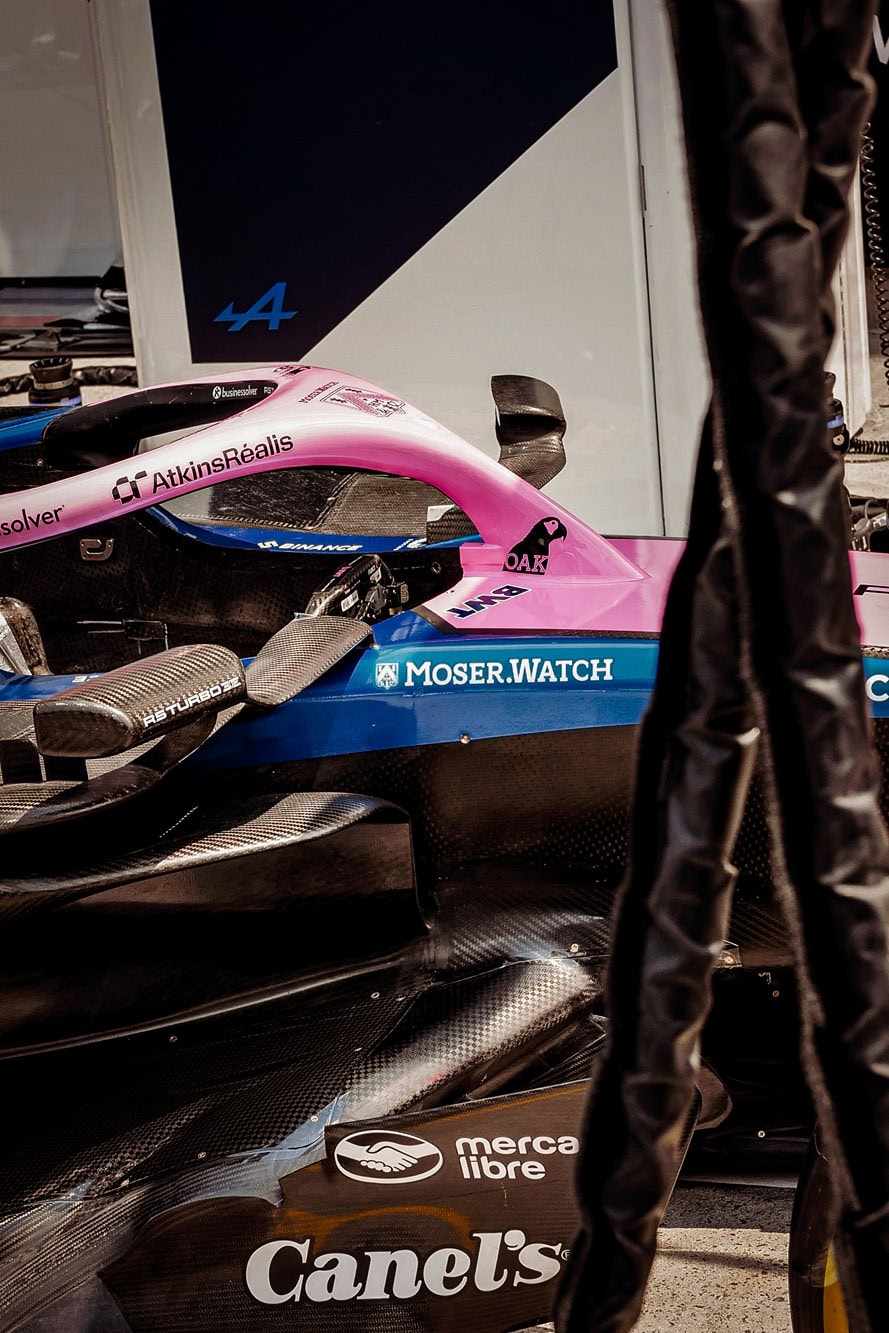
F1 has been having a moment in the world of watches and more broadly in our popular culture for at least the last few years. One wonders, with the release of the F1 film starring Brad Pitt (literally opening today, if you’re reading this on the day it’s published), the continued interest in the sport among the general public, and absolute pervasiveness of F1 partnerships in the watch world, if we’ve reached some kind of peak this year. Walking around Palexpo at Watches & Wonders earlier this spring, it was striking to see so many open wheeled racecars present in booths, and not every brand that has a relationship with an F1 team even had a car on hand (Moser falls into that category). As an outsider, this kind of thing always makes me skeptical when it comes to enduring popularity. When we see a lot of people, brands, and other corporate entities jumping into something all at once, often that means we’re closer to the end than to the beginning.
And if what I saw in Montreal in terms of the watches H. Moser showed us had amounted to nothing more than a cynical licensing arrangement I’d probably be more convinced than ever that F1’s popularity, at least in watch circles, is somewhat overblown. I can’t say I was surprised to find that the opposite was the case, because Moser, in my view, has always been among the more thoughtful of the independent brands on my radar in terms of messaging and coming up with a coherent concept for their watches. That’s honestly what has always appealed to me most about the brand. Their watches are loaded with ideas, and have a perspective on the industry itself. And while not every Moser is my cup of tea aesthetically, I place a lot of value in the brand’s vision, and frankly the fact that they have one at all. Many brands simply do not.
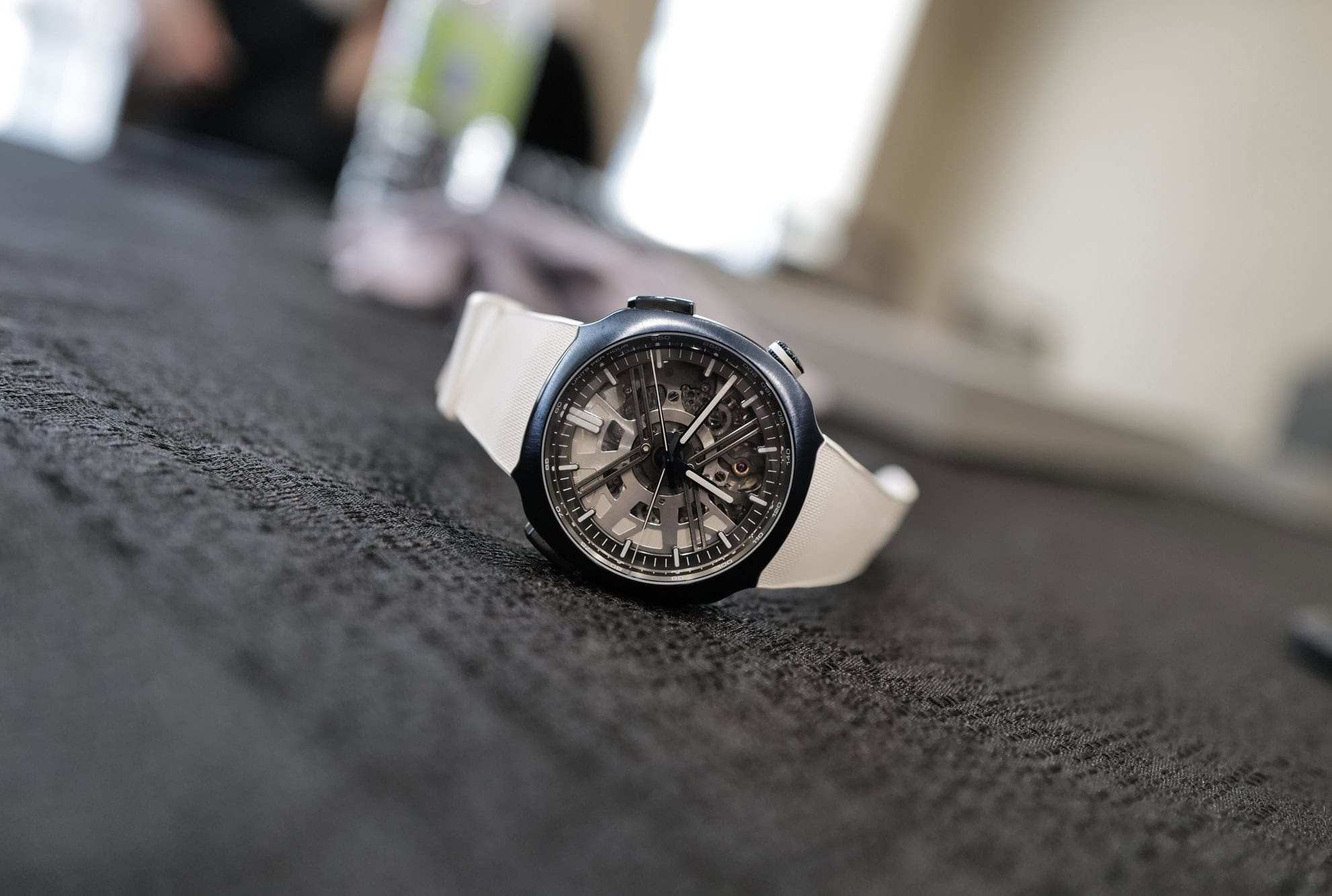
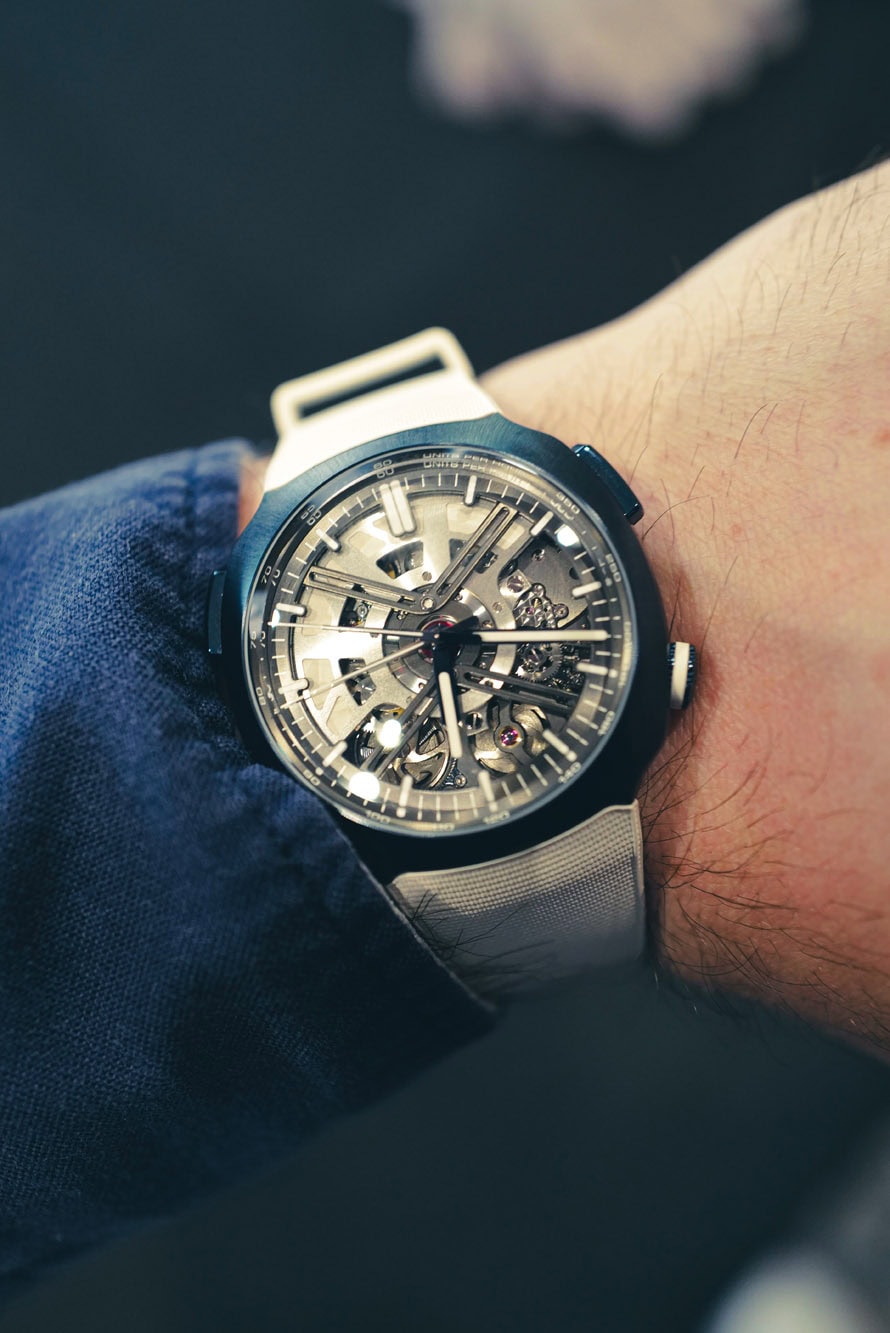
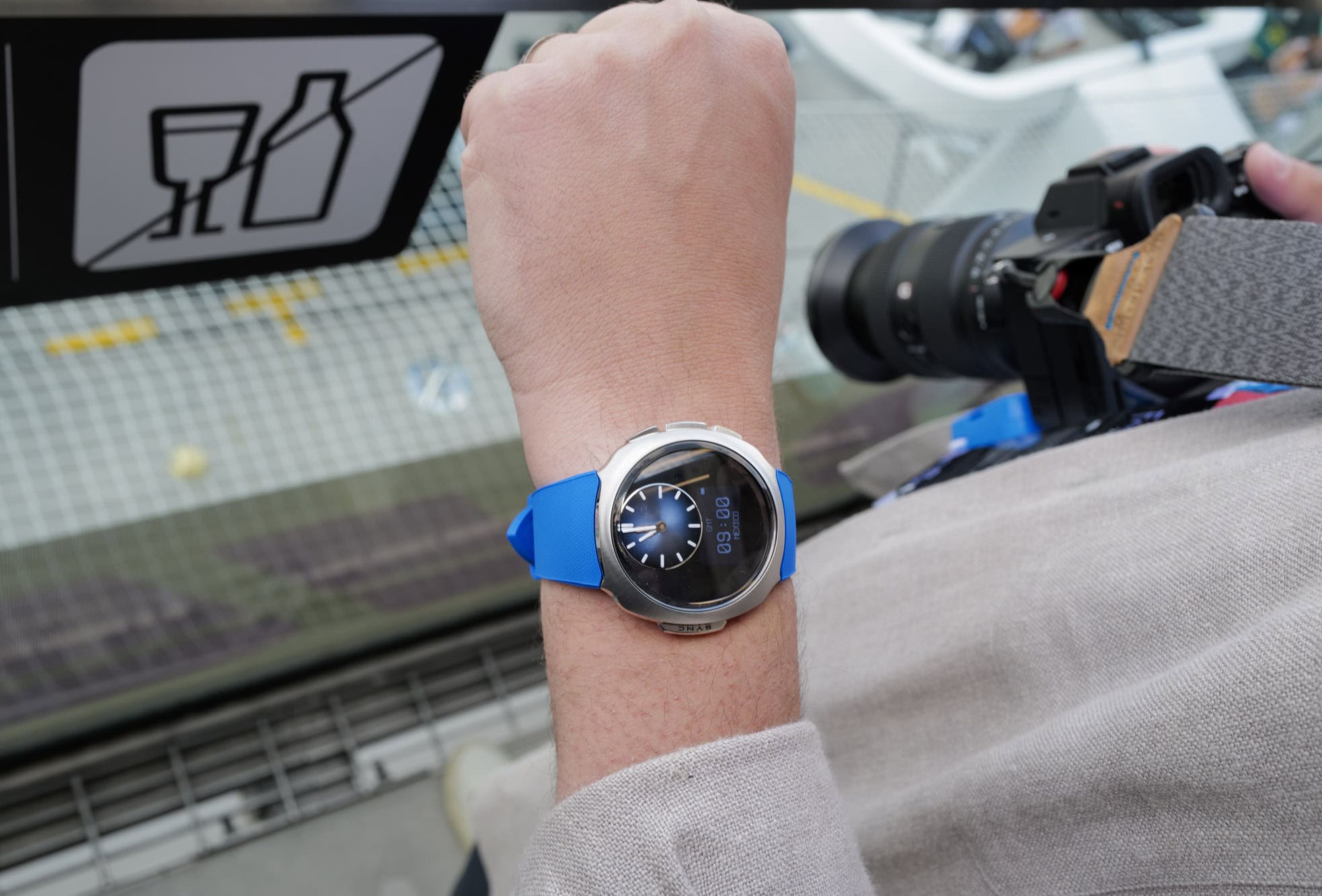
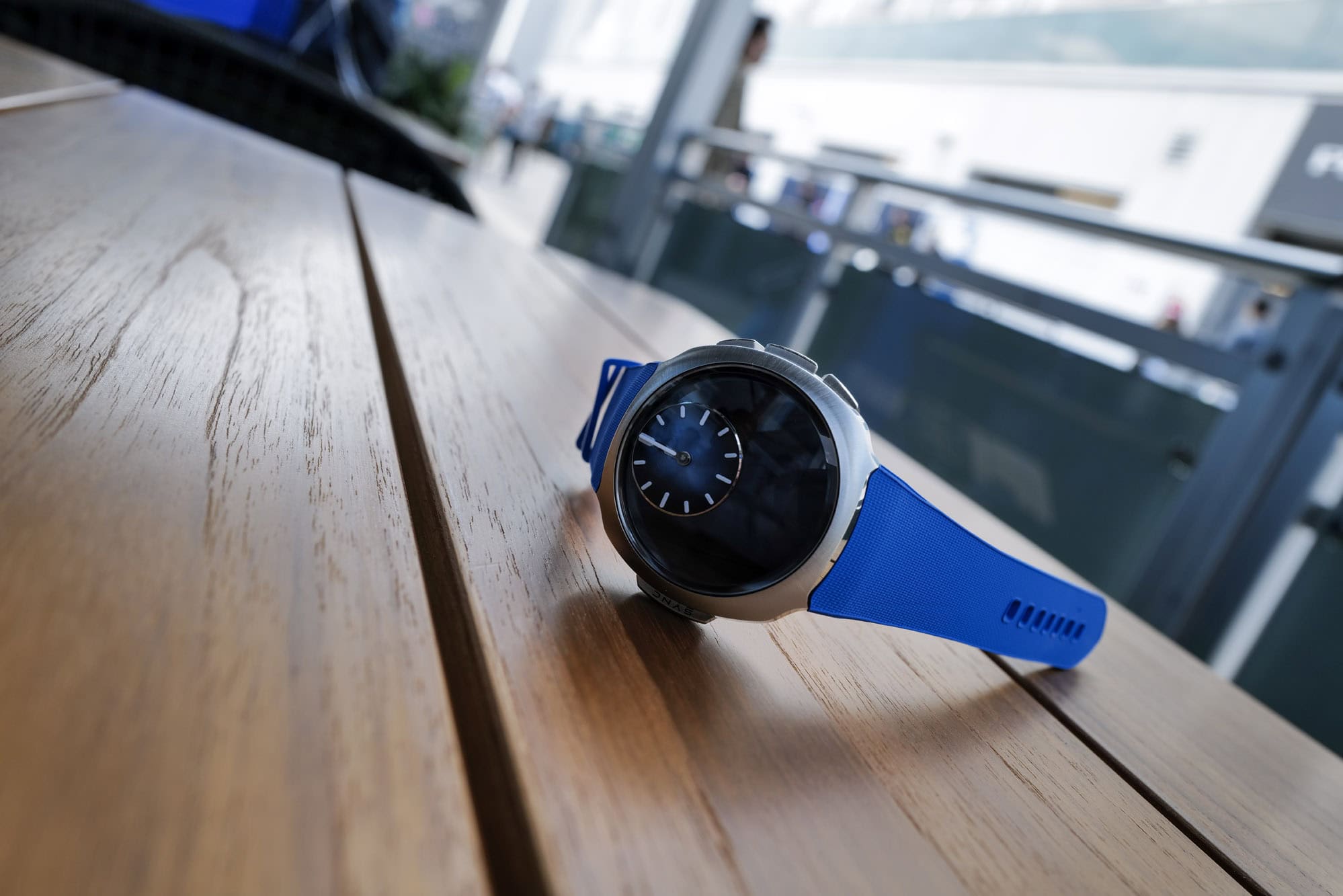
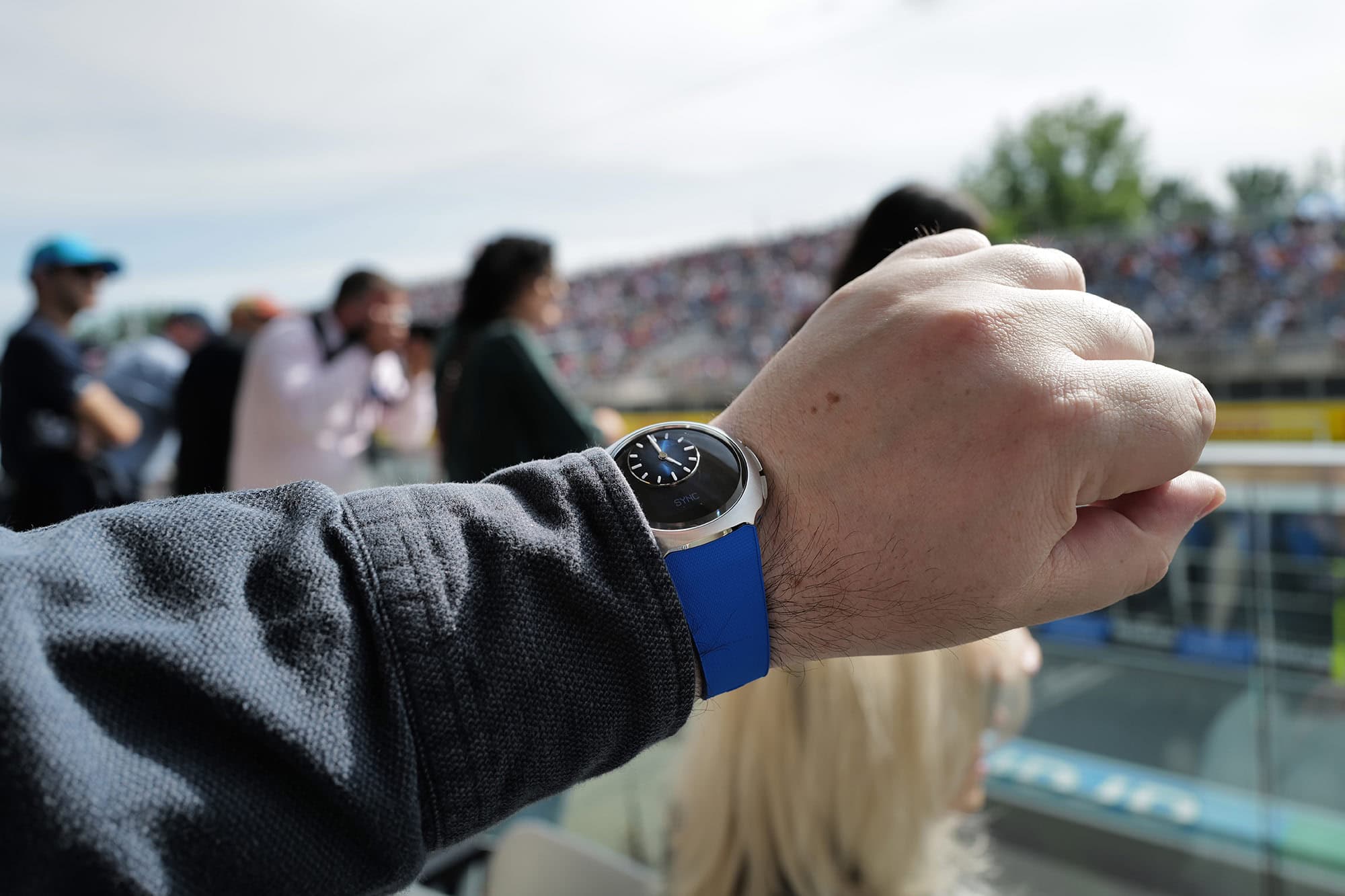
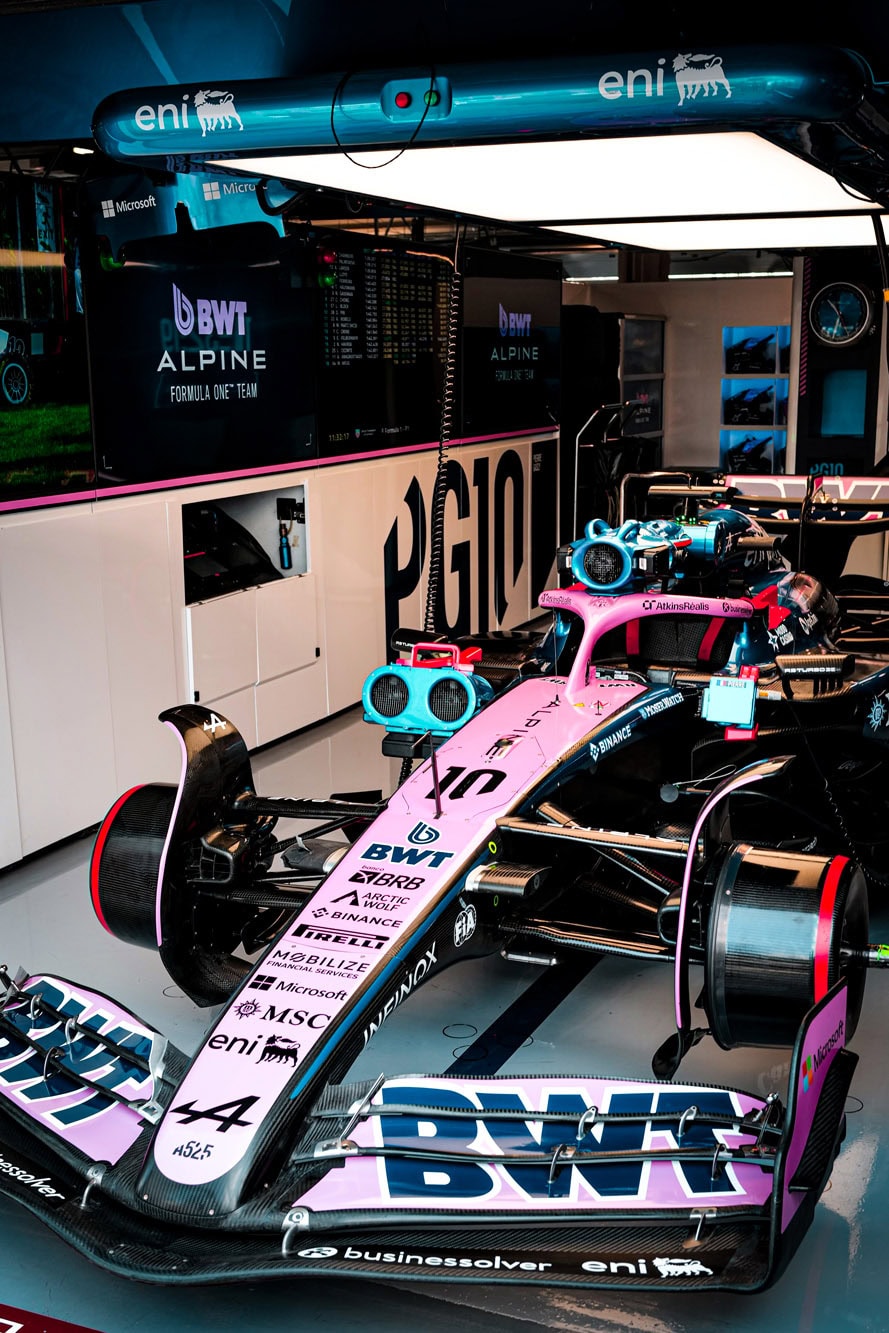
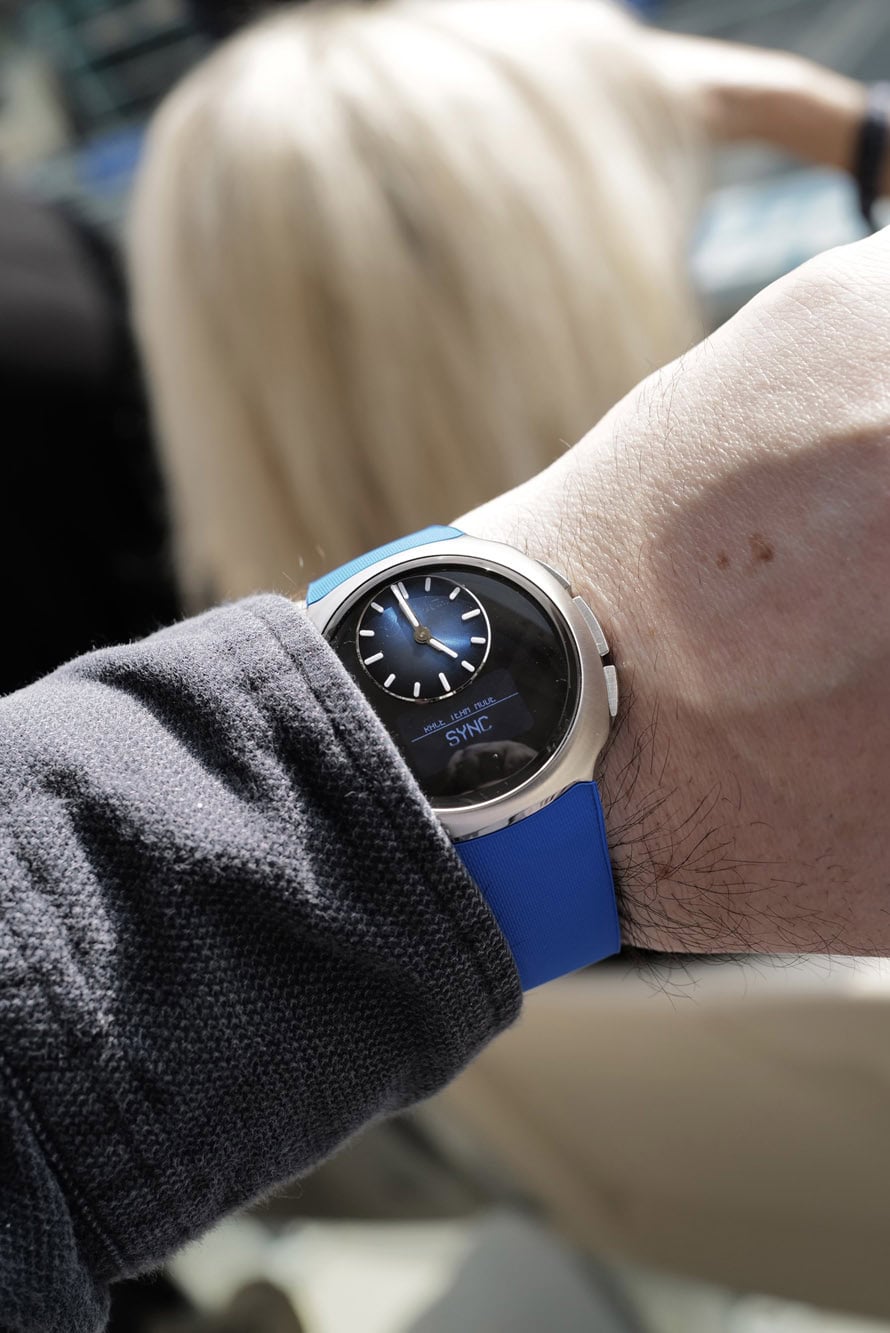
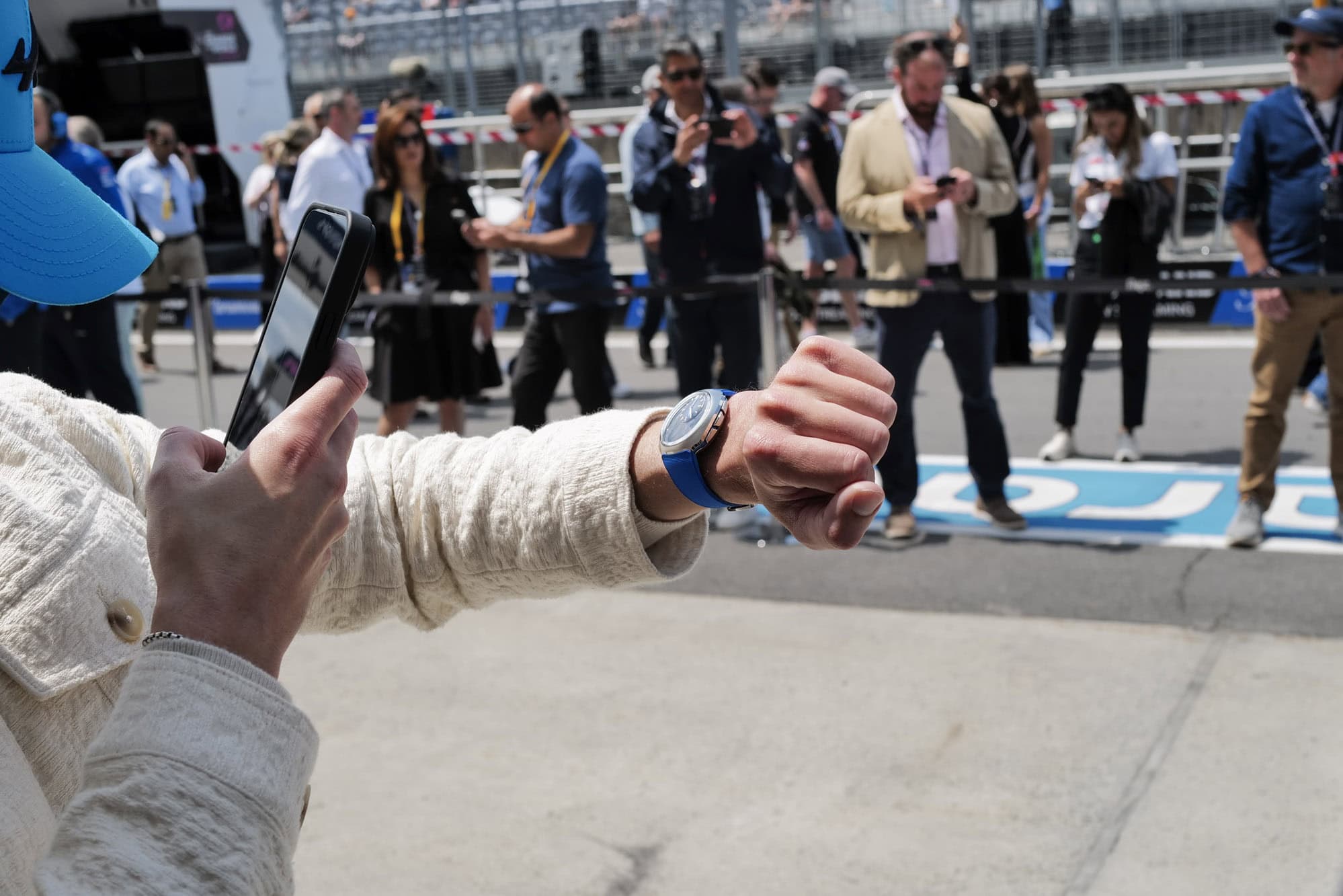
I wrote about the two watches Moser has made as part of their partnership with the Alpine Motorsports F1 team shortly after they were announced. The new Drivers Edition Streamliner was apparently designed with input from Alpine driver Pierre Gasly, and the heavy skeletonization, particularly the exposed winding rotor viewable from the dial side, feels like something that a competitive racecar driver would opt for.
I’m a pretty big fan of the Stremliner in general, and while there are elements of this watch that work really well (I loved the blue case) I ultimately thought that visually things get a little lost in that dial. There’s just a lot going on. It’s impressive, for sure, but in terms of its practicality, it feels more like something you’d strap on after a race to make a statement in a post-race interview than a watch you’d wear day in and day out. And I think that’s perfectly OK. Ultimately the point of a watch brand sponsoring an F1 team is to increase that brand’s visibility and help them to be more recognized, and to do that you need a watch that stands out on the wrist.