 Latest Review





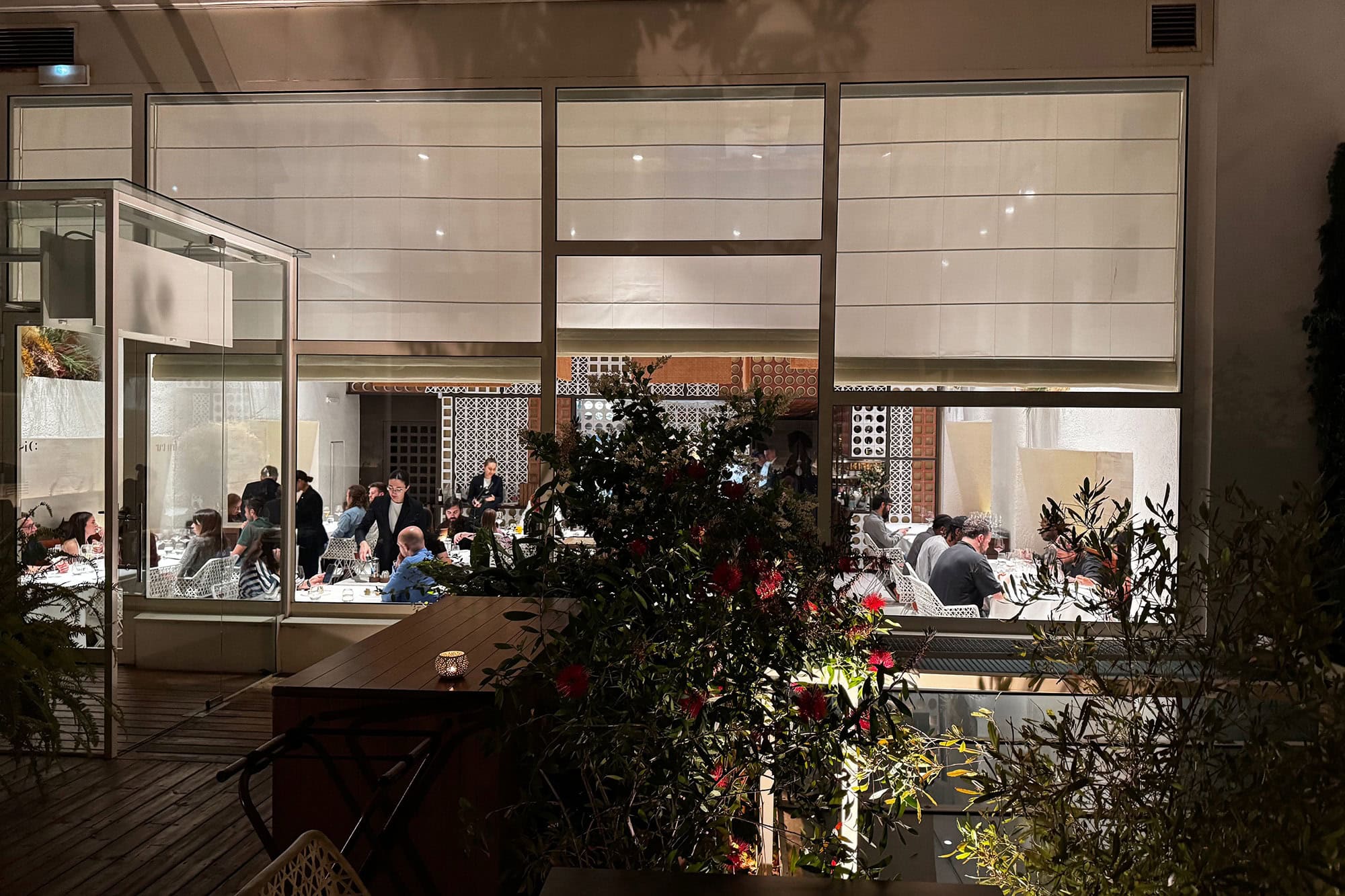
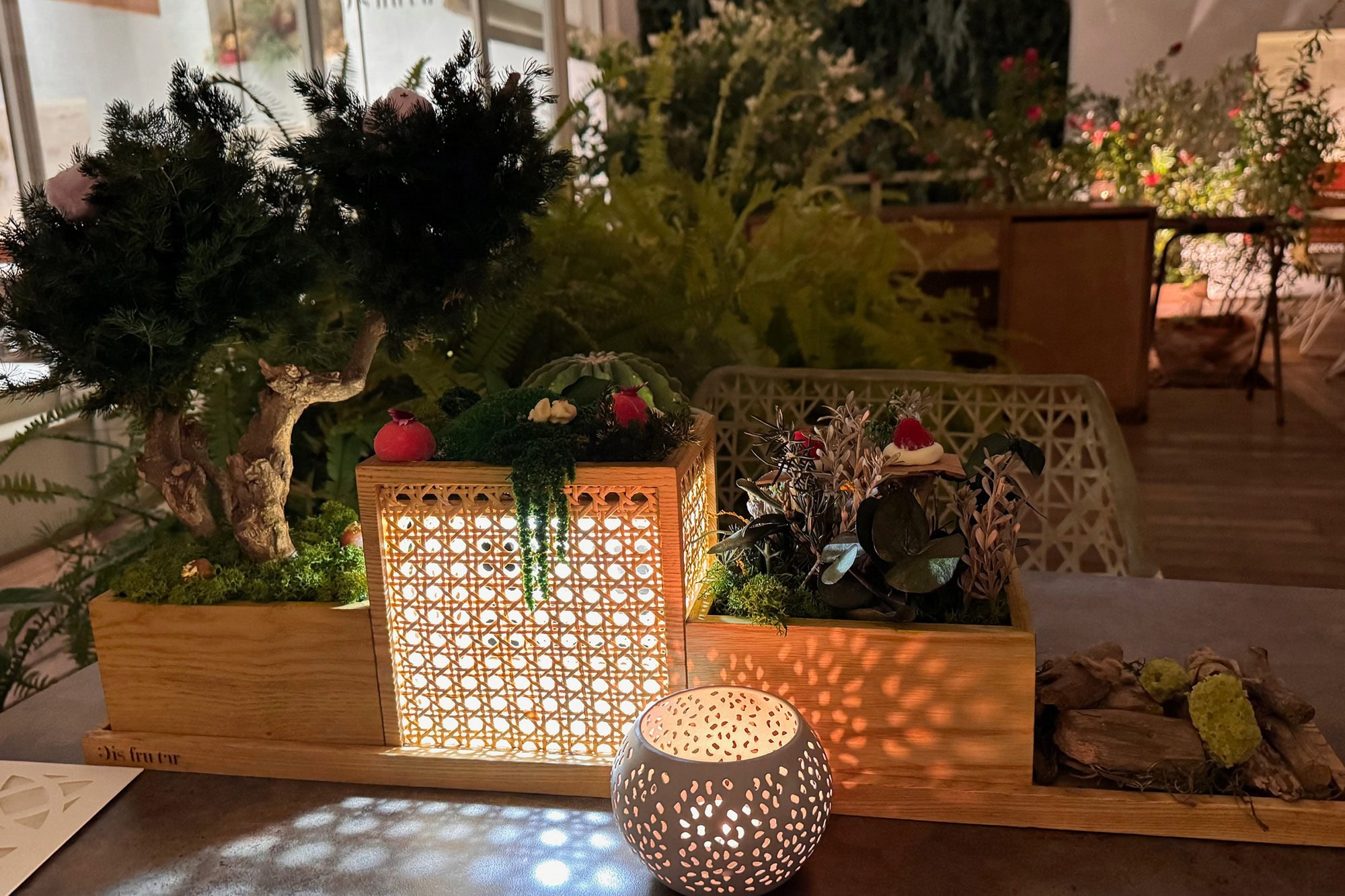
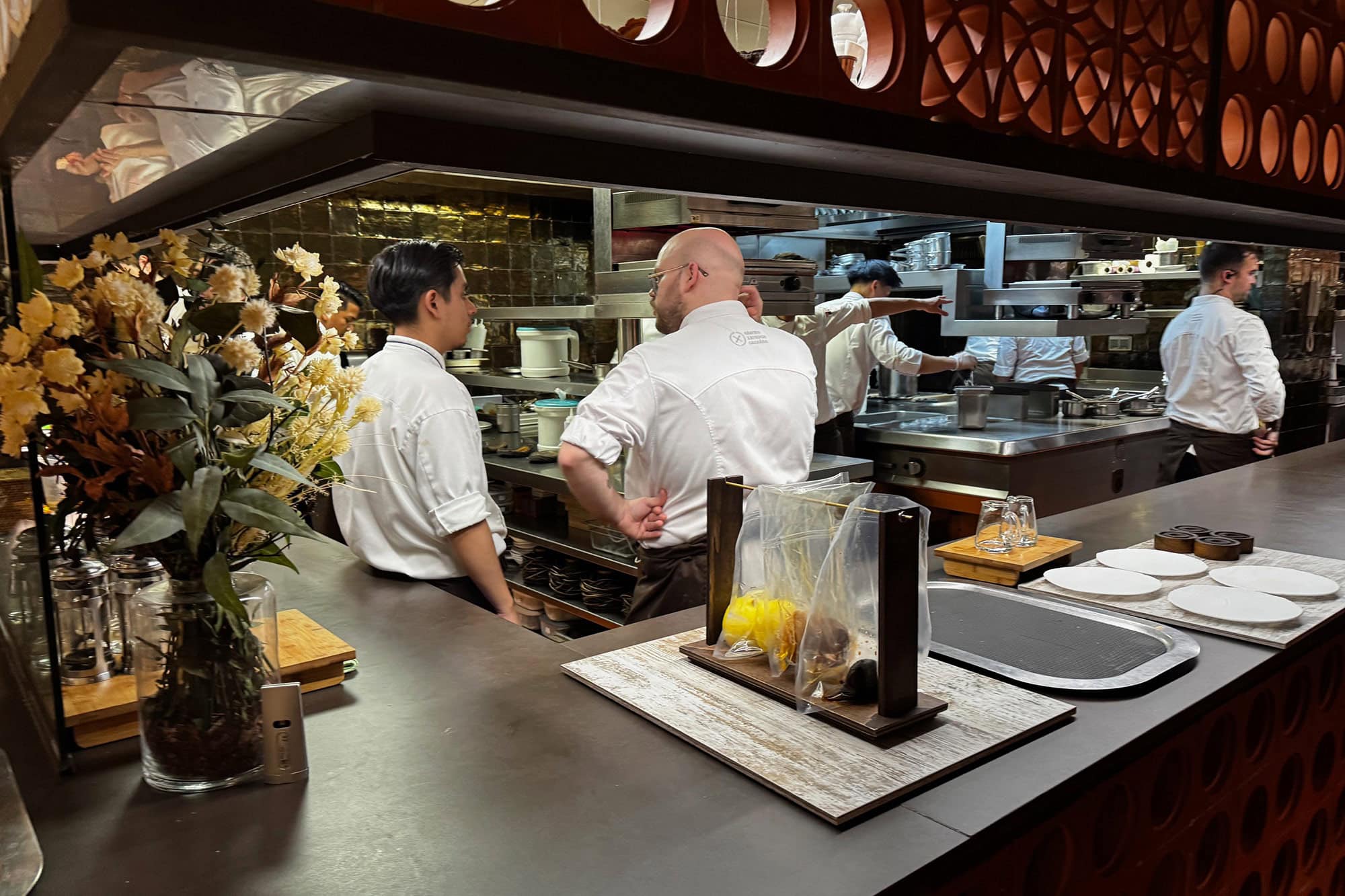
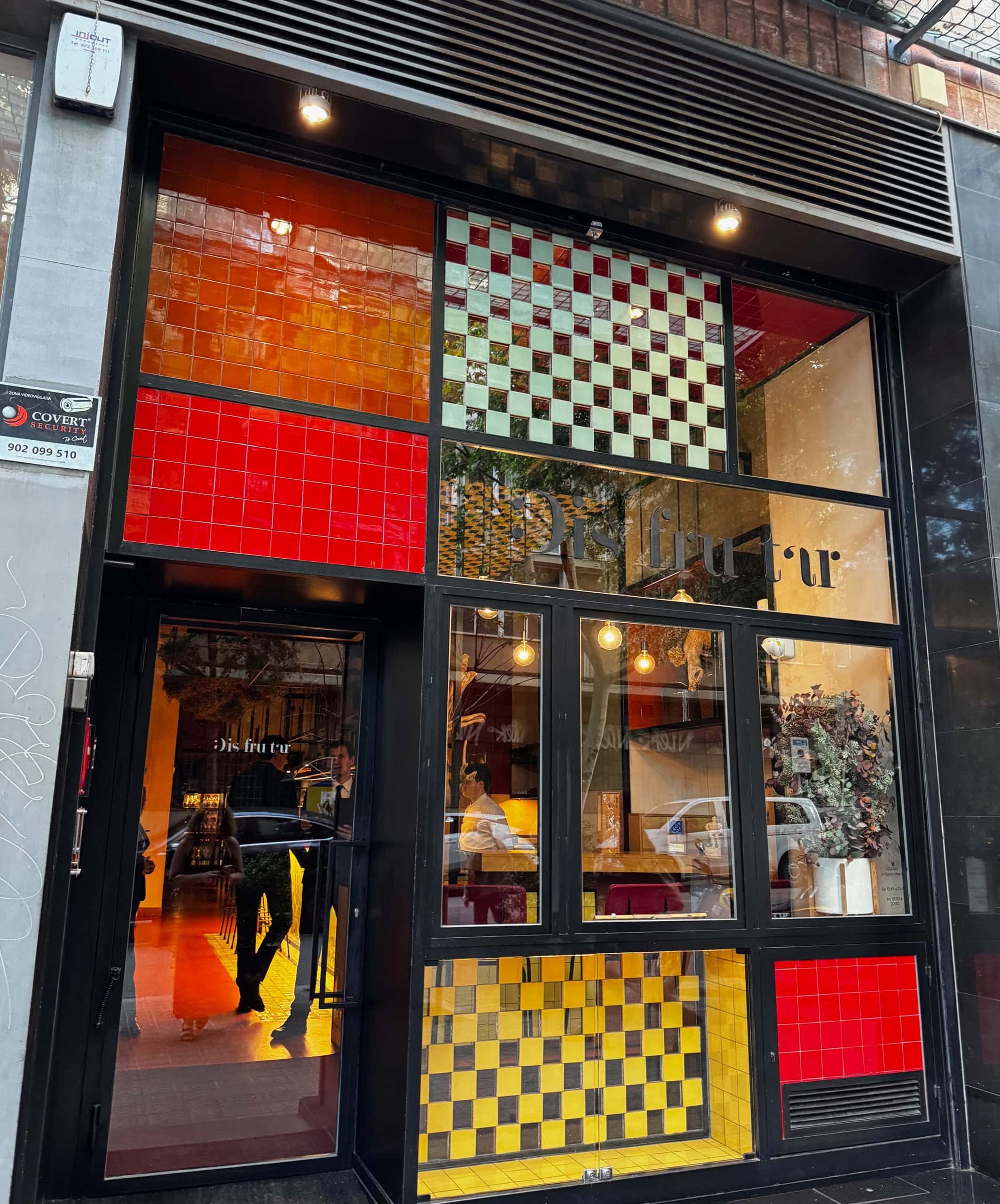
I’m fortunate enough to have been to Spain twice, to Seville and to Barcelona in 2018 and 2019. I fell in love with the country, the history, culture, architecture, food and lifestyle, and had wanted to come back ever since. My wife and I are foodies who truly enjoy fine dining and new eating experiences. When we went to Barcelona the first time, I heard of an amazing restaurant called Disfrutar (“enjoy” in Spanish), but was unable to get reservations at the time. Disfrutar has three Michelin Stars and was named the best restaurant in the world in 2024. I tried many times to get a reservation, but they book out one year in advance to the day, and are understandably quite popular. Late one night while watching TV in May of 2024, I randomly went to their website and, lo and behold, was able to procure a reservation for two on Friday, May 9, 2025. Well, that settled it, we were going to Spain in 2025!
Spain is a place that we are considering spending a significant amount of time after retirement, so we wanted to use this trip as an opportunity to explore some areas that might be suitable to live/stay part-time in the future. After much research and deliberation, our itinerary was set. We would arrive in Madrid, stay there for five days, take the train to Córdoba for the day, and continue on to Málaga for a five day stay. Then, we’d rent a car and take a few days to drive the Costa Del Sol (the southern coast), ending up in Valencia for three days. And finally, we’d plan to take the train to Barcelona for the last five days of our three-week trip, and a dinner date at Disfrutar.
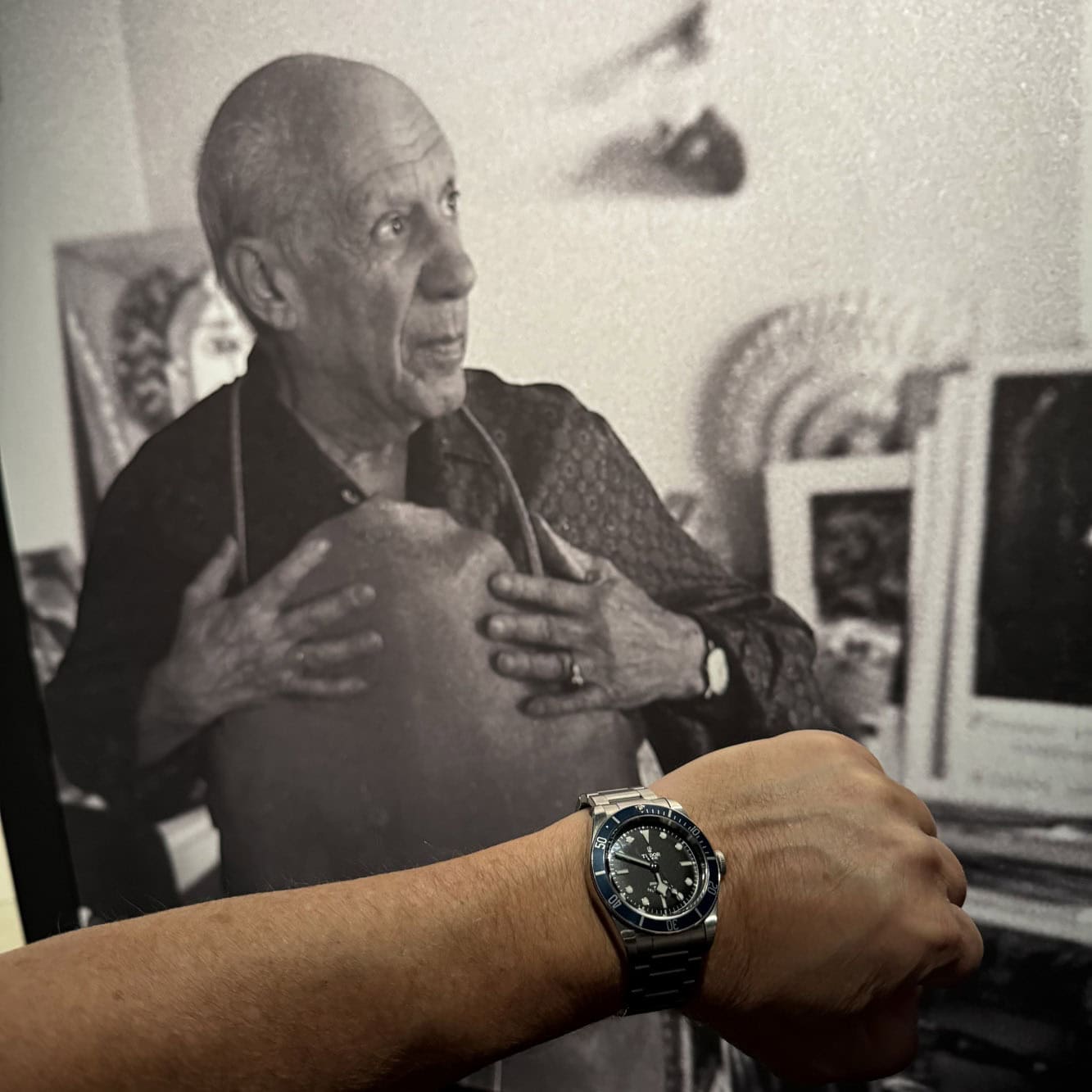
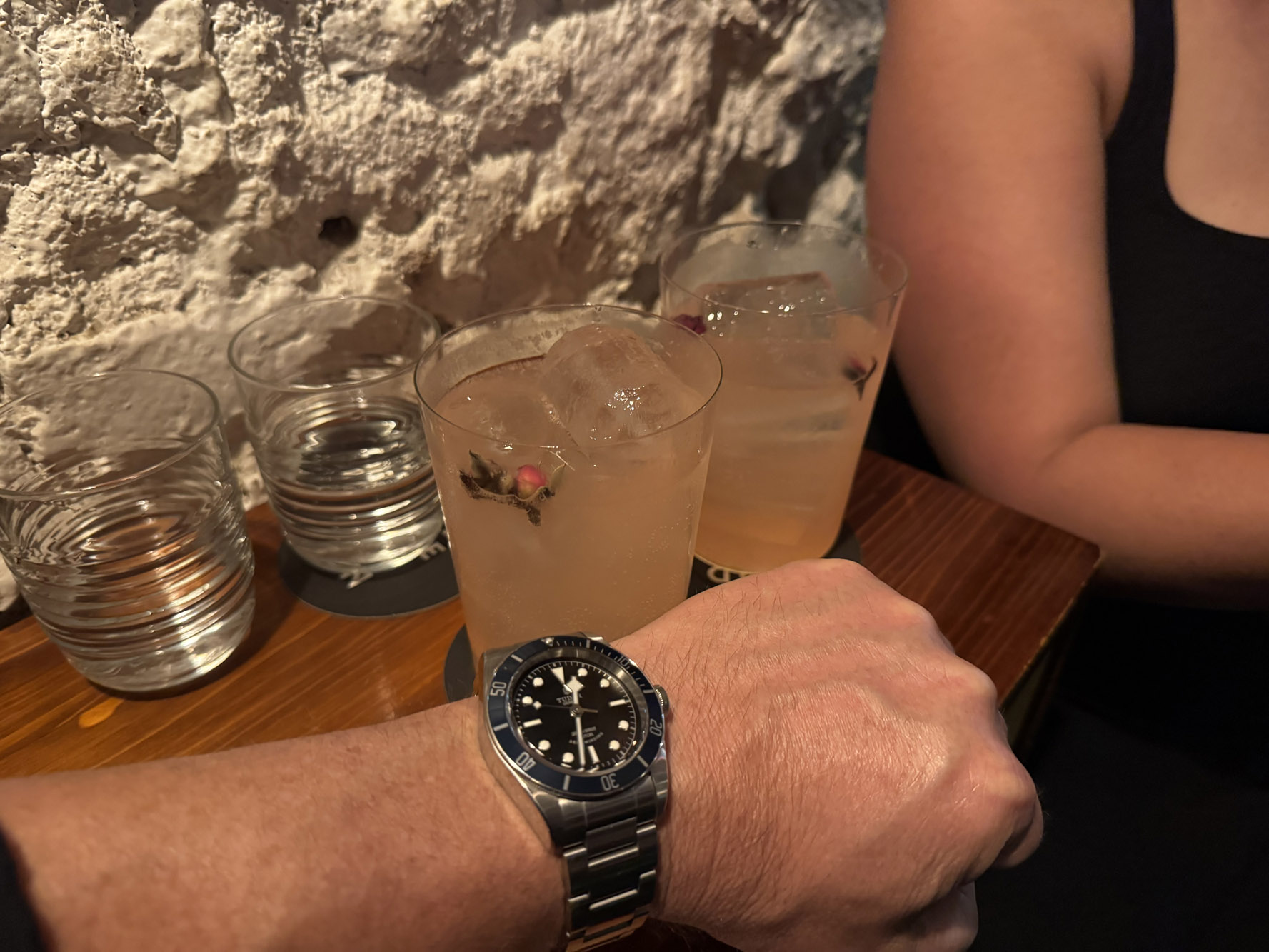
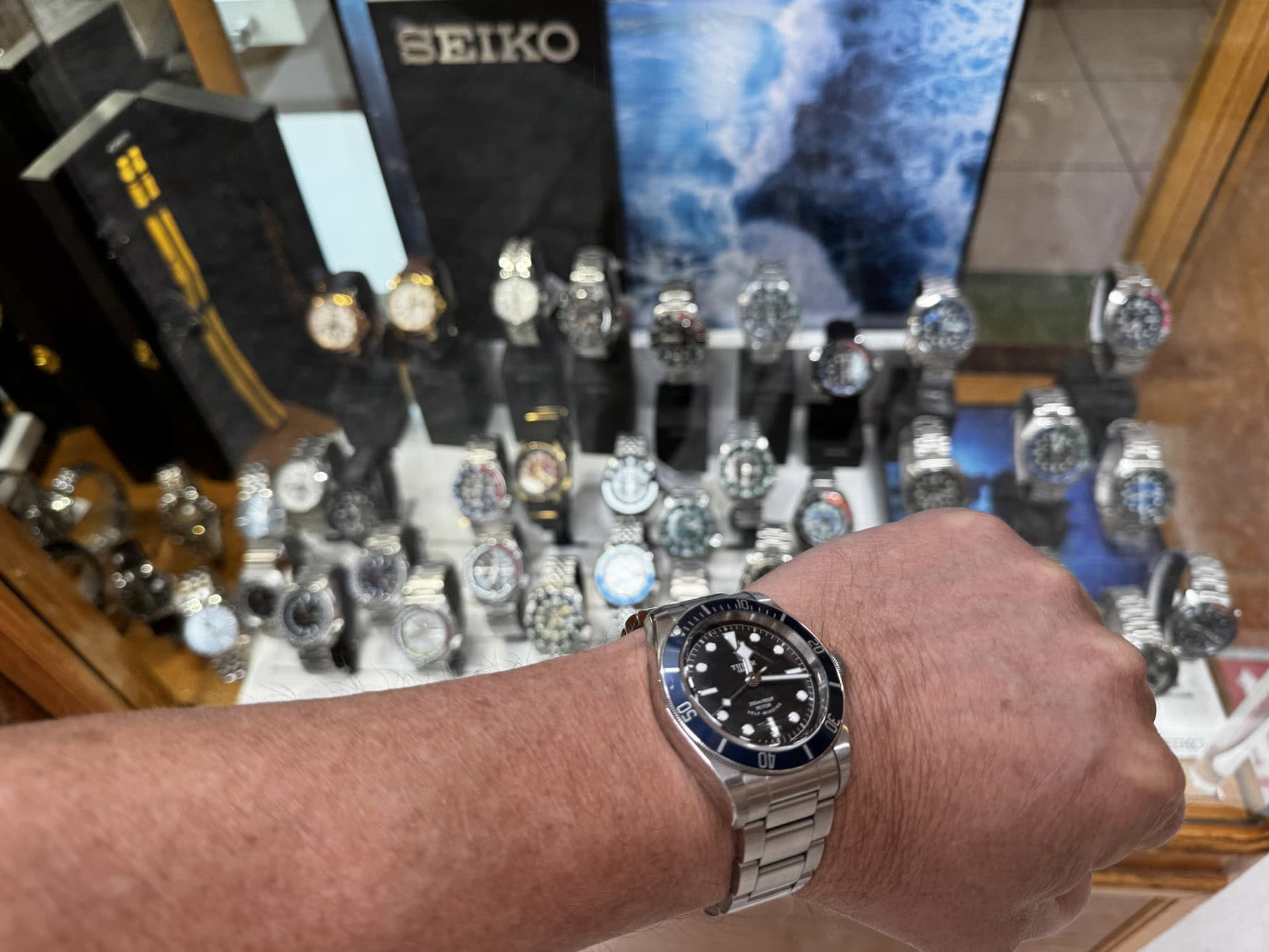
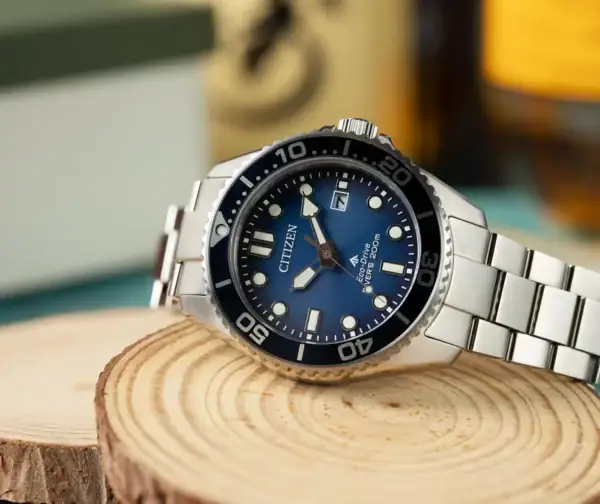
For this trip the choice of watch to wear was an easy one, quickly deciding on my 2016 Tudor Black Bay blue on the OEM bracelet. As much as I love my vintage watches, I rarely take them with me when traveling, as I prefer not to worry about my watch on the road. I’d be concerned about heat, water, scratches, and so on. So, I almost always travel with a modern watch. I wanted a watch that was robust, waterproof, and also elegant enough to wear on a night out dressed up (like… for maybe a three-star restaurant?), so the Black Bay was the choice. Also, I made the deal to purchase this watch on a forum sales corner while I was in Spain for the first time in 2018, so there’s a bit of a full circle feeling there which I liked. I considered doing the true watch nerd move and taking a watch roll and a couple other pieces, but ultimately I preferred to travel as light and worry-free as possible and just stuck with the Tudor. I don’t usually wear the same watch for three weeks straight, but the Black Bay is classic, classy, and comfortable, and it felt good as my constant travel companion.

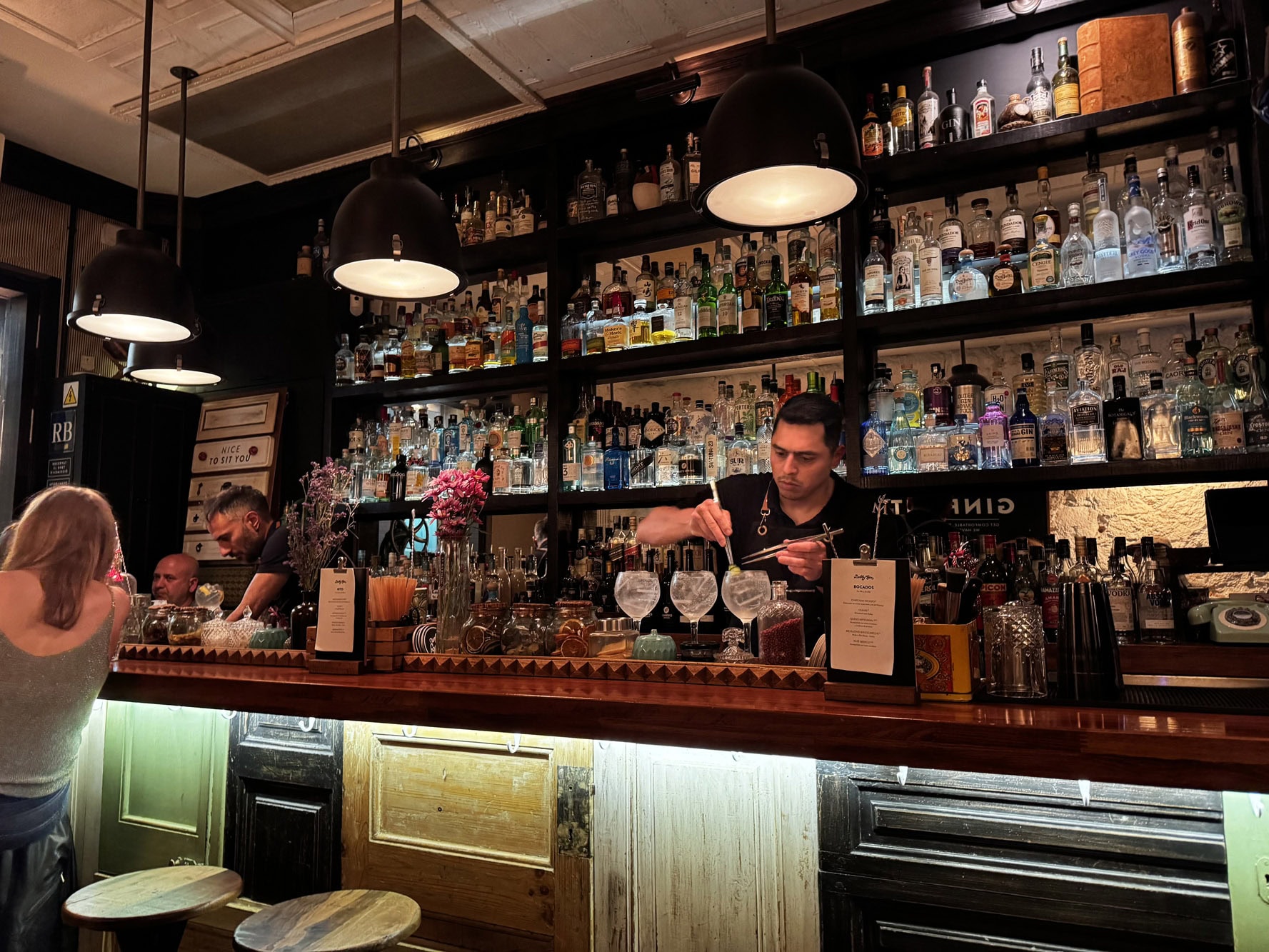
Finally, after a year of planning and dreaming, the day arrived to take off for Spain. We boarded our plane at SFO on a brisk Tuesday morning, stopping off in Montreal and then continued on to Madrid, where we landed at a way too early time of 6:40am. For Madrid, I chose the Riu Plaza España hotel for our stay, which was a great hotel close to everything and features an amazing rooftop bar with a 360-degree view of the city. After a nice long nap and a bit of cruising around to get our bearings, we ordered some Jamón croquettes and Monkey 47 gin and tonics on the rooftop to enjoy that spectacular view and start our trip off right. I love a good gin and tonic, and Spain is a great place to get one. They bring you a large glass with ice, and the bottle of whichever gin you’ve chosen. They pour the gin in front of you, and swirl the gin in the ice to cool it down. Then they give you a small cold bottle of tonic to gently pour into your glass. This gives you a refreshing, cold gin and tonic that is perfectly bubbly. When you order one in the States, you usually get tonic out of the dispenser gun at the bar, and it immediately goes flat. Spanish gin tonics are simply the best.
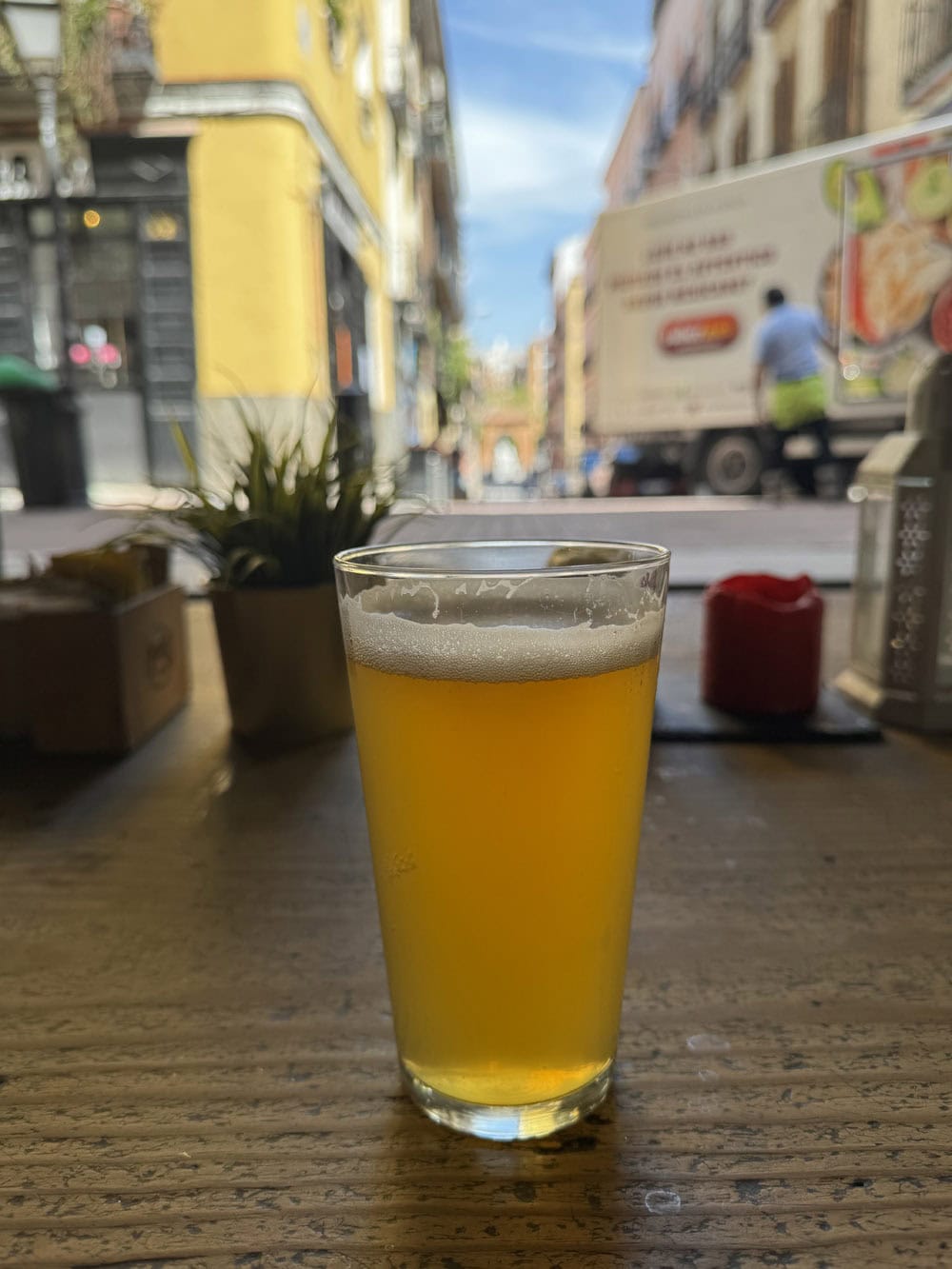
Madrid is of course the capital of Spain and is a magnificent city with so much to offer. We spent our five days there exploring the old town barrios nearby like Malasaña, Chueca and Sol. I love the narrow alleys and old buildings of these older sections of town, with great local shops and tapas restaurants as well as hidden gem bars for those delicious gin drinks or a nice cold caña. A caña is a small pour of beer, usually about 6oz and typically a local lager like Estrella Galicia – it’s very refreshing.
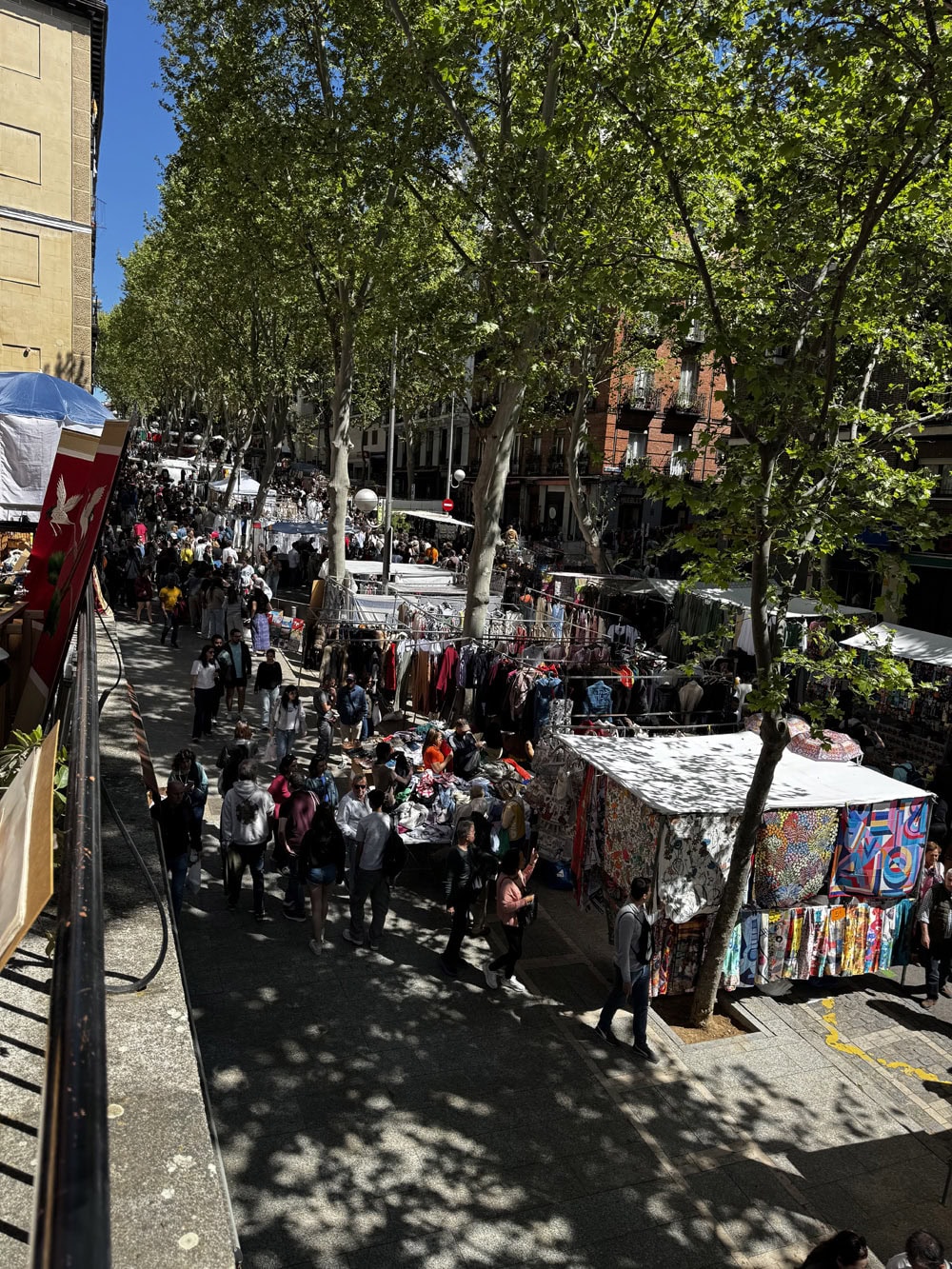
Spain is famous for their siesta time, and most smaller shops close from 2:00pm to 5:00pm. Sadly all of the watch shops in Madrid that I came across were closed when I found them. There was one shop that had a decent selection of cool vintage watches, but alas it was closed as well. On Sunday we went to the famous and enormous El Rastro flea market, which I had read much about and was excited to check out. However, it was a huge disappointment, as almost every single booth was selling new stuff like clothes or handbags or household goods, nothing vintage. It is held in an area where there are also permanent vintage/antique shops, and few of these had some good vintage stuff, but there were no watches to be found here.
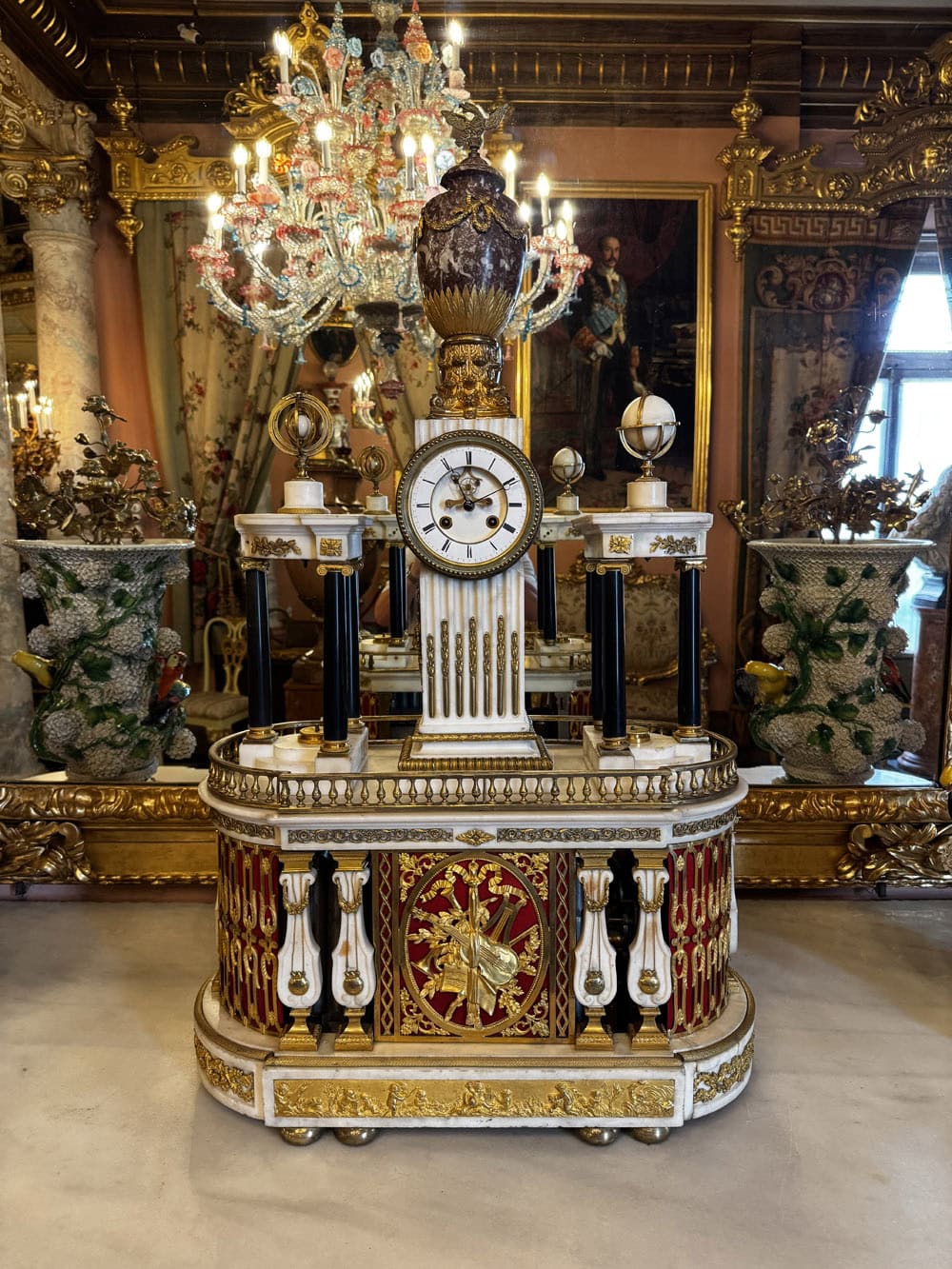
One of the most interesting places we saw in Madrid was the Museo Cerralbo, which was recommended to us by an artist friend. It’s not your typical museum, rather it’s a house that belonged to a family whose patriarch was a collector of epic proportions. The large house is chock full of amazing paintings, sculptures, suits or armor, furniture, books, and myriad other collectibles, including some really cool clocks and pocket watches (something like 150+ timepieces).
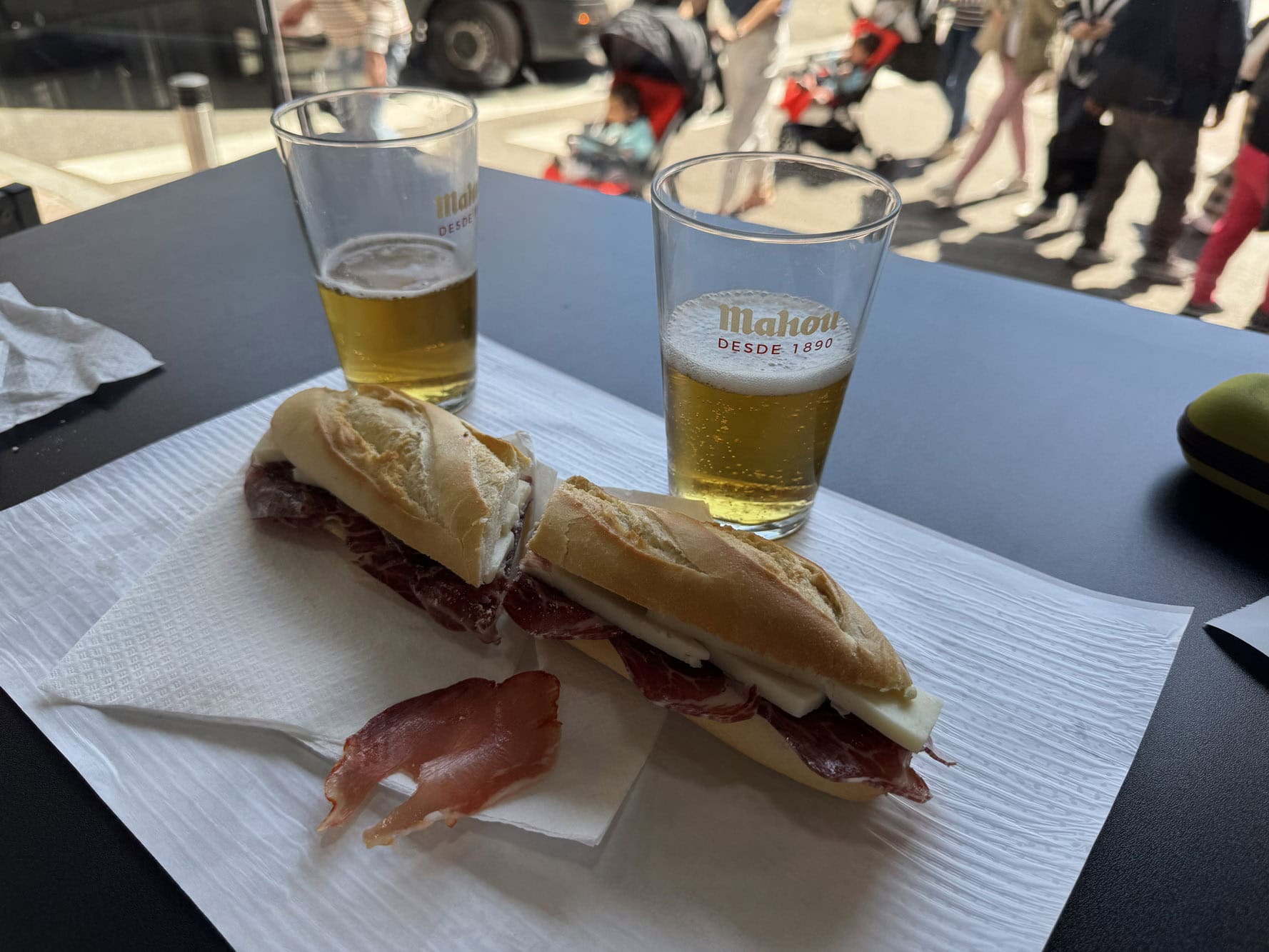
The best part about that day though was our breakfast. We found a shop that sells Jamón Ibérico (Spain’s famous cured pork, similar to prosciutto but infinitely better), and we ordered a Jamón bocadillo (small sandwich) with some added Manchego cheese and a beer. Breakfast of champions and one of the best meals we had the whole trip!
After five nights in Madrid, our plan was to take the train to Córdoba where we would spend the day and then take another train to continue South to Málaga. Of course, we all know that even the best laid plans don’t always come to fruition. At 12:33pm on April 28, our train became stuck in a tunnel during a massive and unprecedented blackout in Spain, Portugal, and part of France. Being stuck in-between places to stay, we ended up having to spend the night in the Cordoba train station with a couple hundred other weary travelers. This was definitely not part of the plan, and at the time was quite stressful, not knowing what the extent of the power outage would be, or how long we might be stuck in Cordoba or even stuck in Spain and unable to get home!
Having little cash and nowhere to stay or eat, we wandered around a bit and found a little outdoor bar that had cold beers and some snacks. Of course, we were stuck in the one city in Spain where the preferred snack is snails. I figured it may be the apocalypse, but I’m not hungry enough for snails. So, our dinner was some ice cold beers and a bag of chips. After “dinner” we went back to the station to hunker down for the night. I have to say that the Policia Nacional who were there, and later the Red Cross, did an amazing job of keeping things calm and safe. During a long night trying to sleep on the station floor snuggled up next to the trash can, the power came back on at precisely 3:29am (thank you, Tudor Black Bay) much to the delight of everyone!

After a few hours we were allowed to retrieve our bags from the train, and we found a cab willing to take us the roughly 100 miles to Málaga, where a beautiful AirBnB with a hot shower and soft bed awaited us. Not wanting to take public transit after that night, the cab was worth every cent!
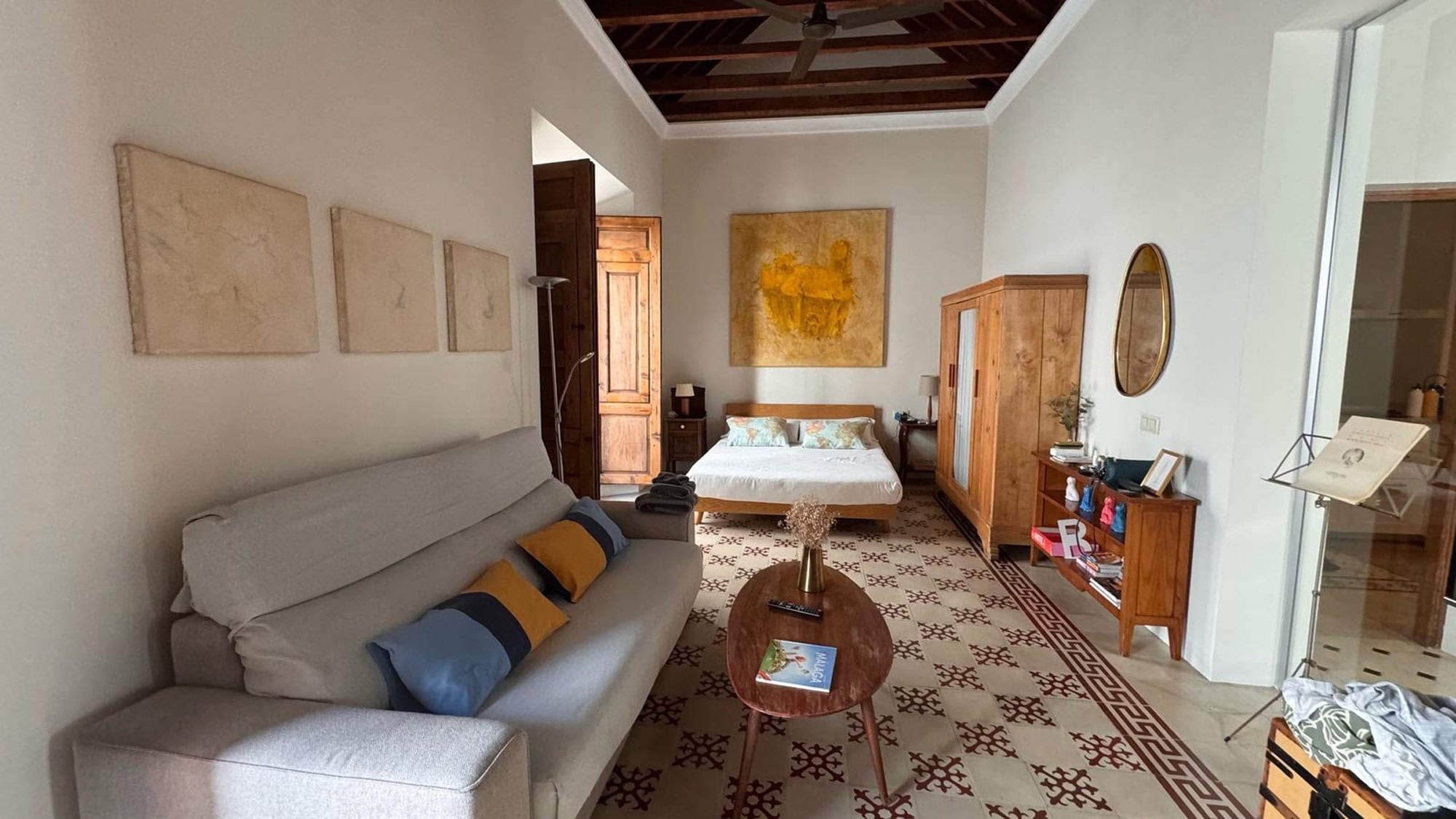
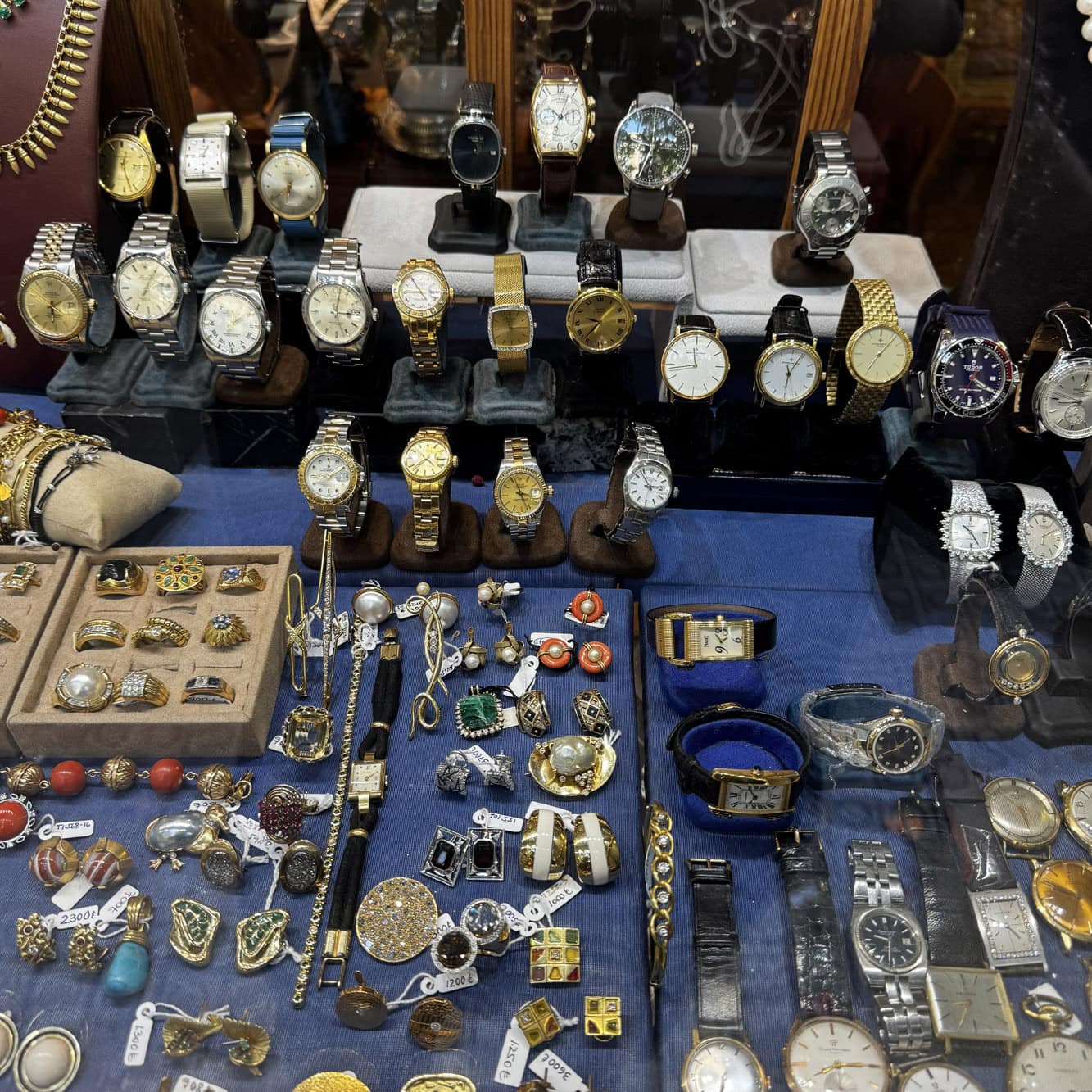
Málaga is the sixth largest city in Spain, and is located on the southern coast, not too far from many of the most popular places in Spain to visit. It is on the Ave Train network (high speed rail), has an international airport, a bustling old town and nightlife, as well as wonderful beaches. It is a very popular place for expats, which is why we wanted to explore it as a city to perhaps spend a lot of time in when we retire. It did not disappoint! Our AirBnB was on a quiet pedestrian-only street, yet still only a two-minute walk to all the shops, bars, and restaurants. We found lots of great food and drink, as well as a few watch shops! I went to one that had a nice selection of Seikos in the window, but the shop didn’t have anything that I was dying to get. Still, it was nice to finally find a watch shop that was open!
Málaga is the birthplace of Pablo Picasso, and as such they have a magnificent Picasso museum downtown. If you are a fan of art, this is a stop not to be missed. They had representative works from all eras of his career, from some of his earliest works as a teenager to the last paintings of his life. Really a well laid out gallery with a stunning selection of paintings and sculptures from one of the most famous artists of all time.

If you travel around Spain, you will notice that almost every city has an ancient fort of some type up on the highest ground, and Málaga is no exception. We spent part of a day hiking up to the Castillo de Gibralfaro fort, which afforded an amazing view of the city. The old forts in all these Spanish towns are always worth the effort to see. You can really feel the history in the stone architecture, and many of the sites have been at times occupied by the Romans, then the Moors, then the Spanish.
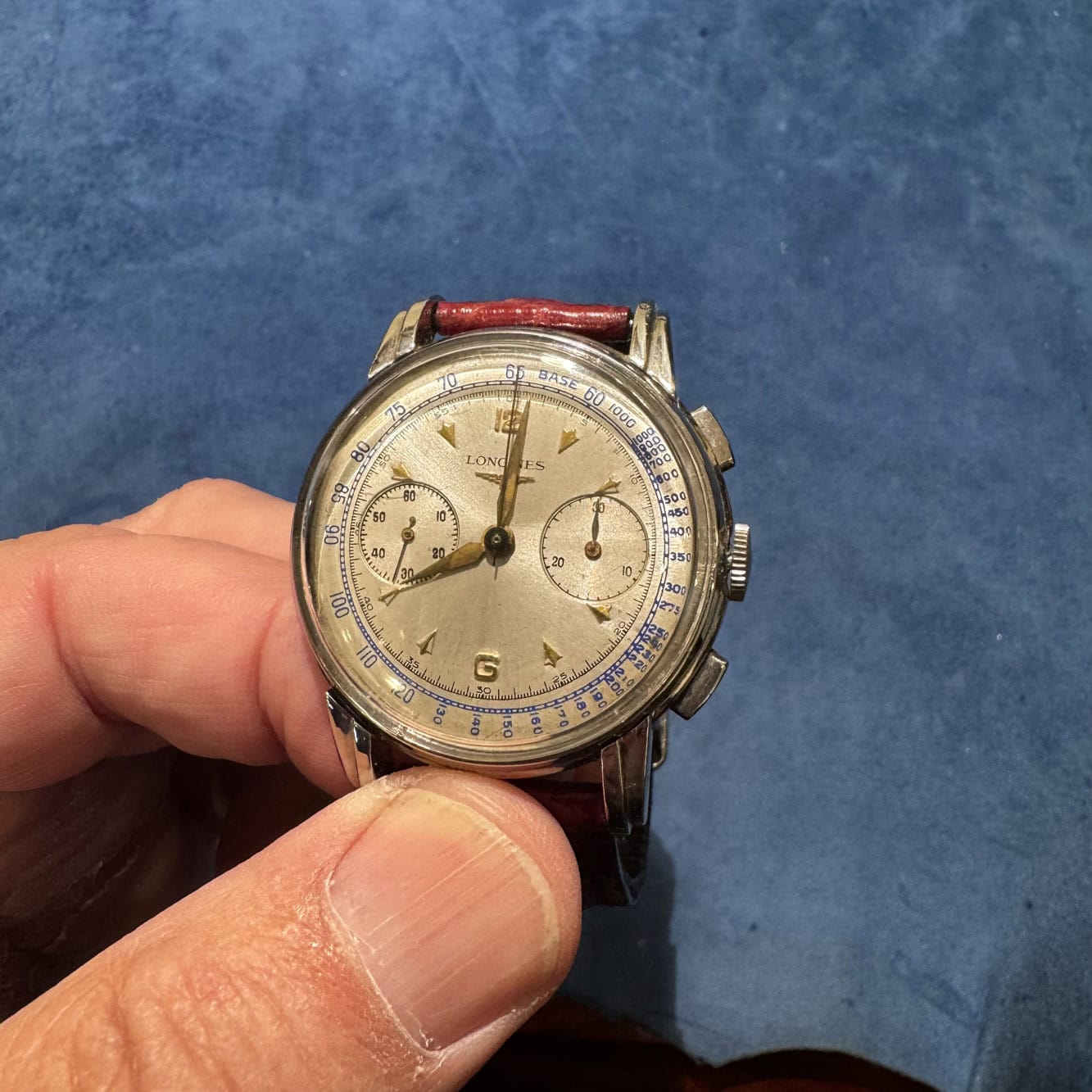
From Málaga we rented a car and took a few days to drive the coast, ending up in Valencia. Along the way we stopped for lunch one day in Nerja, a beautiful seaside town that will definitely merit a longer visit in the future. Wandering the alleys, we came across an open watch store that sold Seiko, Rado and Longines among other brands. There was a sweet Longines that caught my eye, a Conquest Automatic chronograph, model L3.835.4.98.6. It’s a 42m steel beauty that has a silver dial with blue sub-dials and a blue bezel. We went in and checked it out, as well as a blue dial/bezel Seiko SPB183J1 diver.
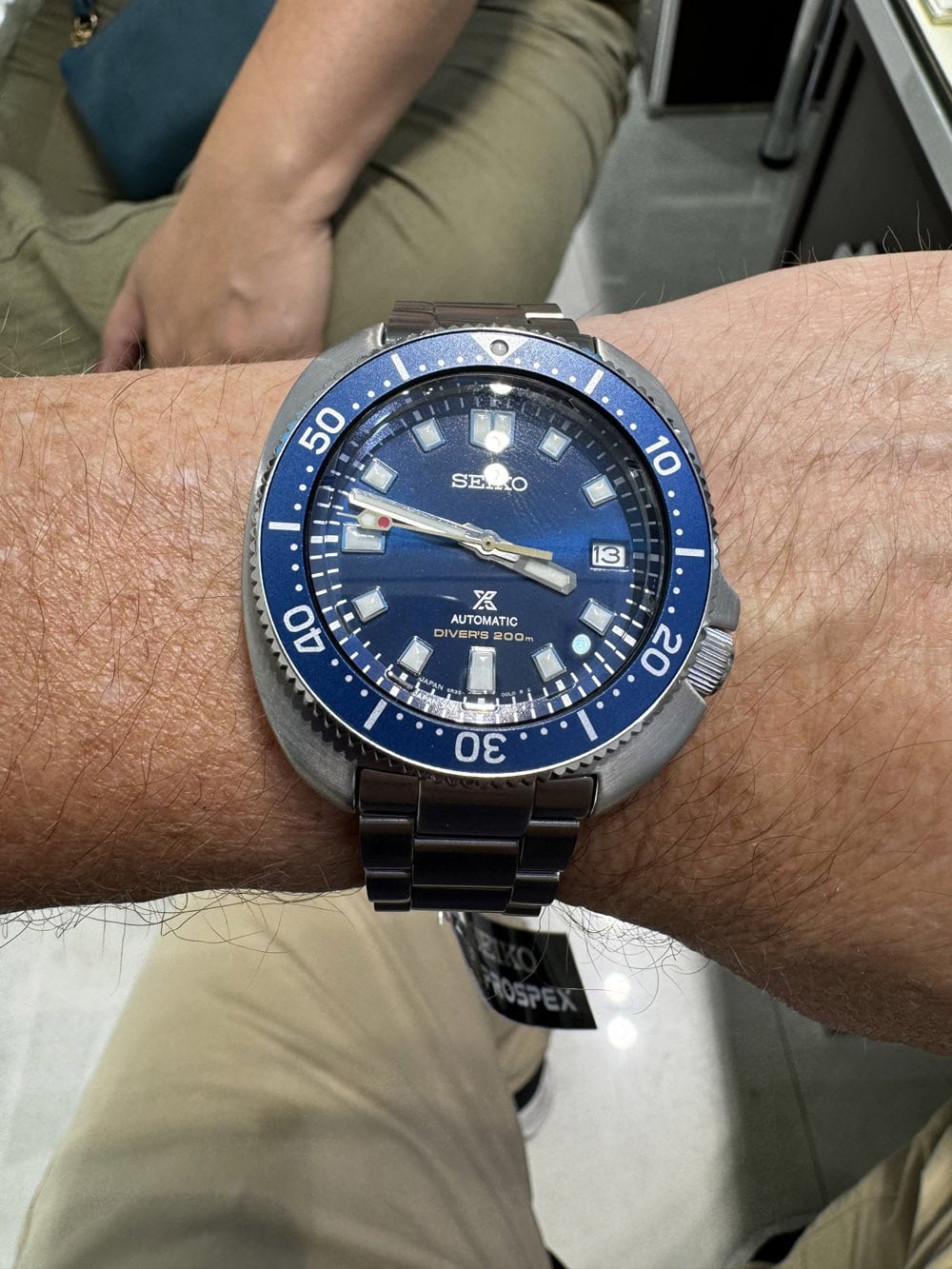
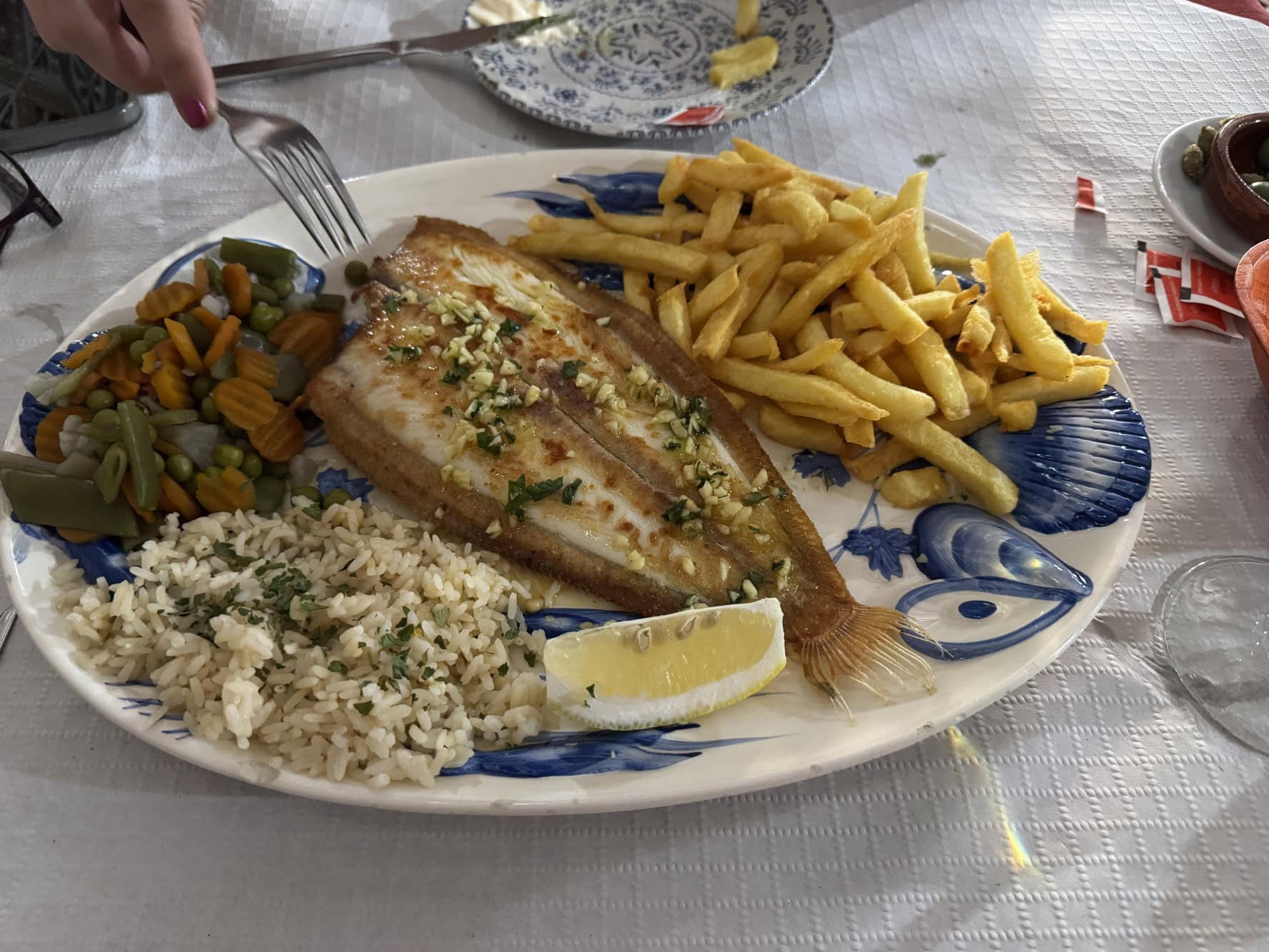
Both were awesome watches, as you would expect from Longines and Seiko. Even with the duty-free price, they ended up being more than I wanted to spend, although both were quite tempting to be honest. The Longines is a stunning watch, and the perfect size too. However, I found that the bracelet was a little thin and definitely too narrow (like 16-18mm I think) for a watch that size. In the end I couldn’t justify the purchases when I was already wearing one of the best modern divers in the Tudor Black Bay. It was still fun to spend a little time looking at some nice watches in an air-conditioned store sipping some nice, cold cava that the store manager brought out to ply us with. After this stop we were directed by a local to her favorite restaurant away from the touristy area, where we had a meal of fresh local seafood that was absolutely delicious.
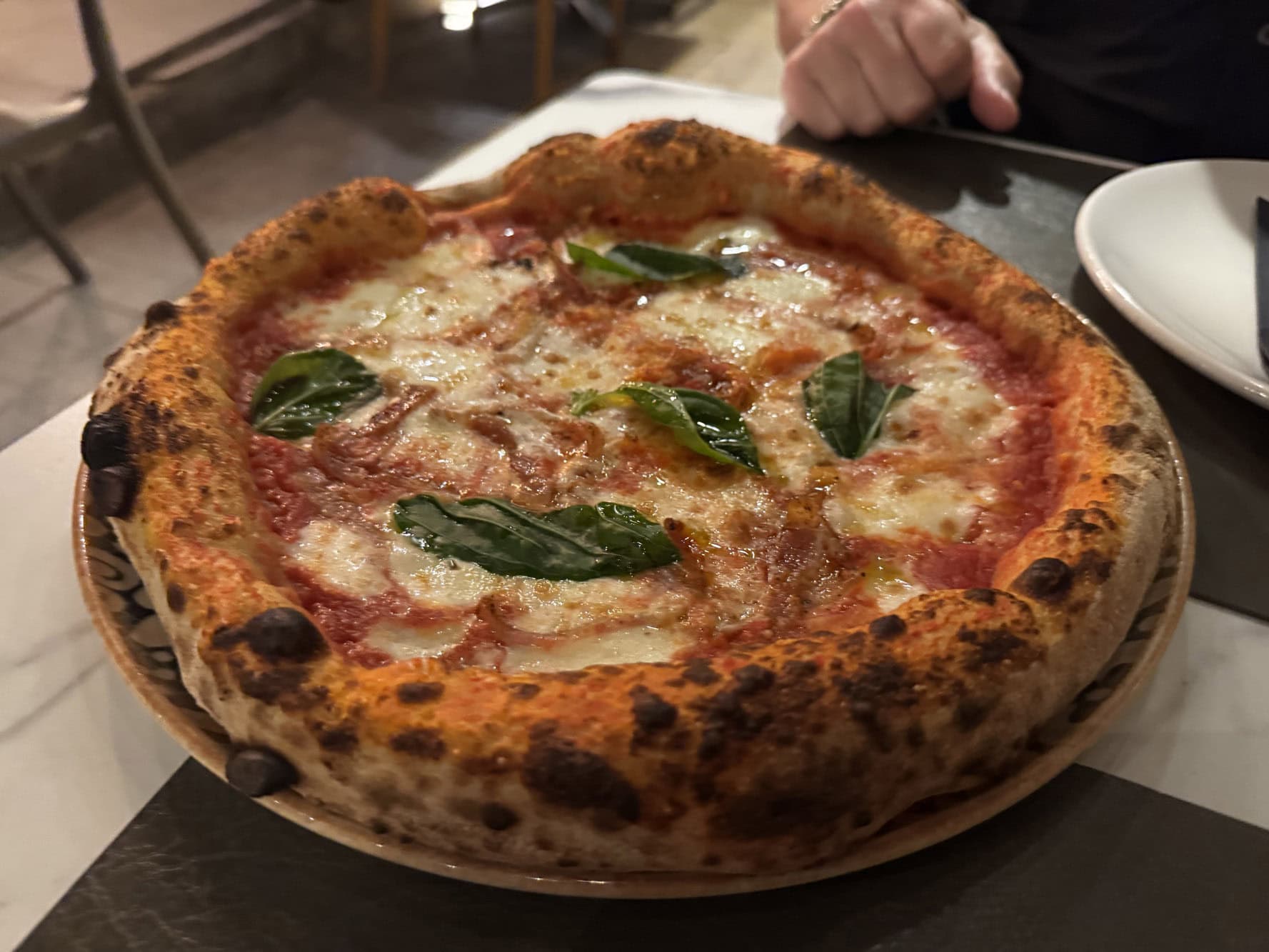
Moving on, we headed up the coast for the next couple of days, stopping in Almeria and Alicante each for the night. Both towns were nice but were smaller and definitely more laid back than the larger cities of Madrid and Málaga. In Almeria I had quite the adventure trying to squeeze the rental car into the car elevator (yes, you read that correctly…) that was literally mere inches larger than the car, and parking it in the microscopic garage under the hotel. All I can say is, I’m glad I forked out for the complete coverage insurance from the rental company! That was almost as stressful as the power outage. While these towns weren’t our favorite, it was nice to be able to see some of the less touristy places and get a feel for different areas of Spain. The best thing about this part of the trip has to be the Italian restaurant we found in Alicante that had the absolute best pizza we’ve ever had.
We left Alicante and headed for Valencia, where we stayed in another sweet AirBnB for three nights. I have to say, there is definitely something to be said for staying in AirBnBs while travelling in Europe. It was so nice to have a larger space to chill if we didn’t feel like going out, and having a kitchen where we (and by we, I mean my amazing wife and her culinary wizardry) could cook a healthy and more familiar meal every now and then to counter all the dining out. Also, having a washing machine available meant being able to pack lighter which was definitely a plus.
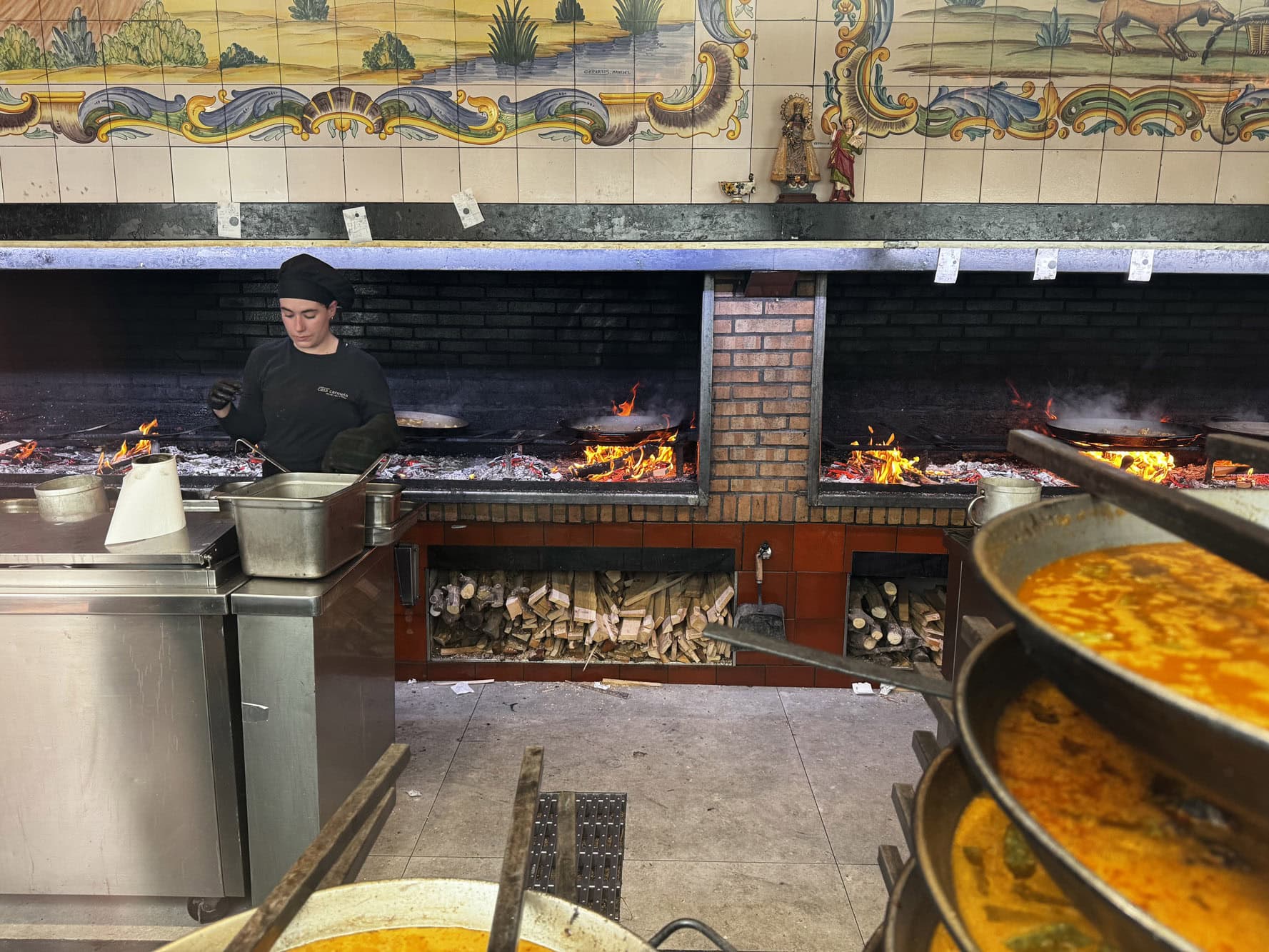
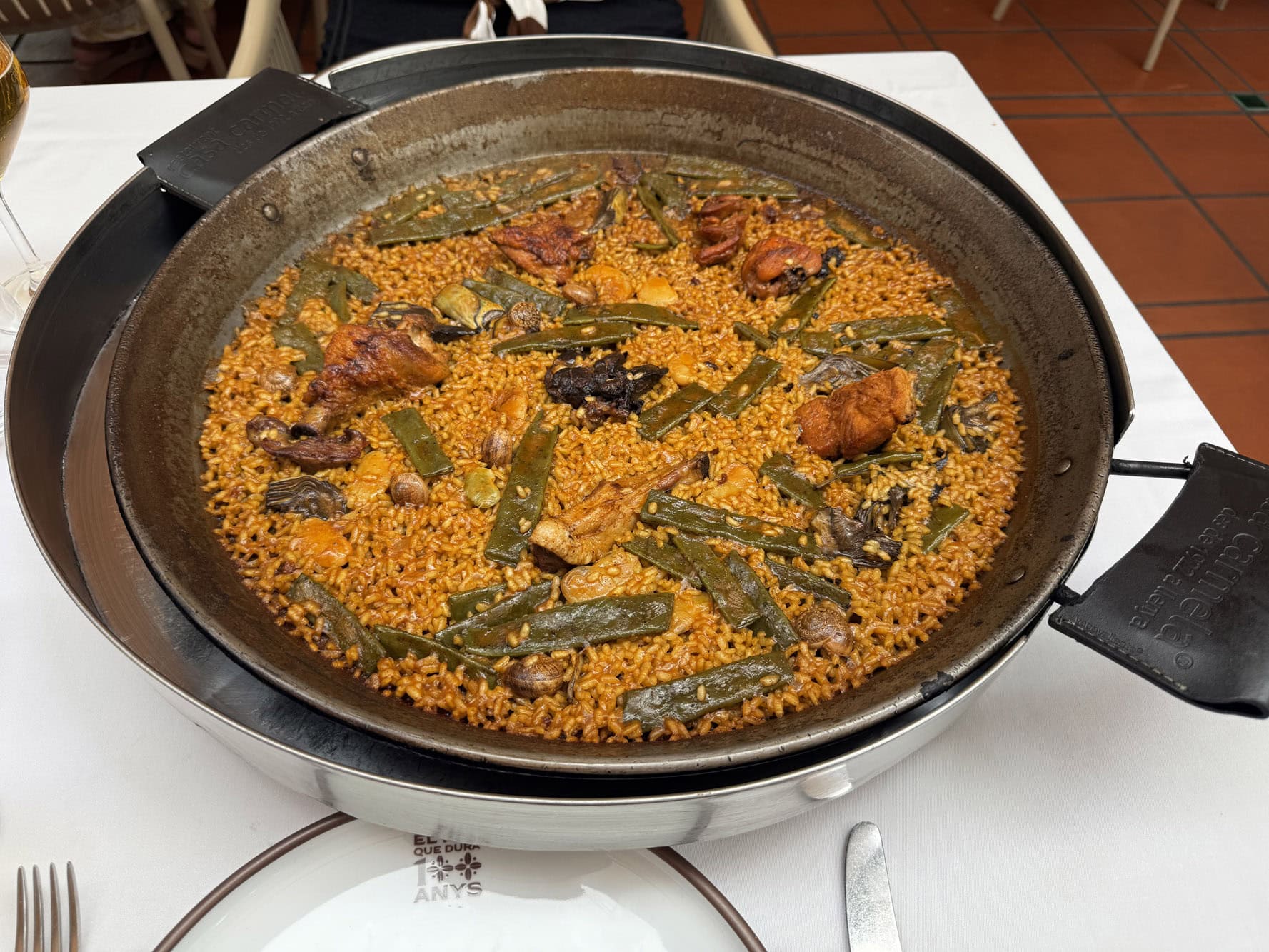
Valencia is a great city, and our apartment was only a fifteen-minute walk from all the action in the old town area. Since Valencia is the mothership for paella, we had to try a traditional paella Valenciana, so we went to Casa Carmela, a restaurant that has been in business for over 100 years and making their paella the traditional way over a wood fire for all those years. Paella Valenciana has chicken, rabbit, snails, and green beans, and you have to order this paella in advance when you make your reservation.It was delicious, albeit very strong in its flavor. We found several other great places to eat and drink, including a few small craft brewery pubs that had some decent IPAs, which was a welcome break from the standard Spanish lagers.
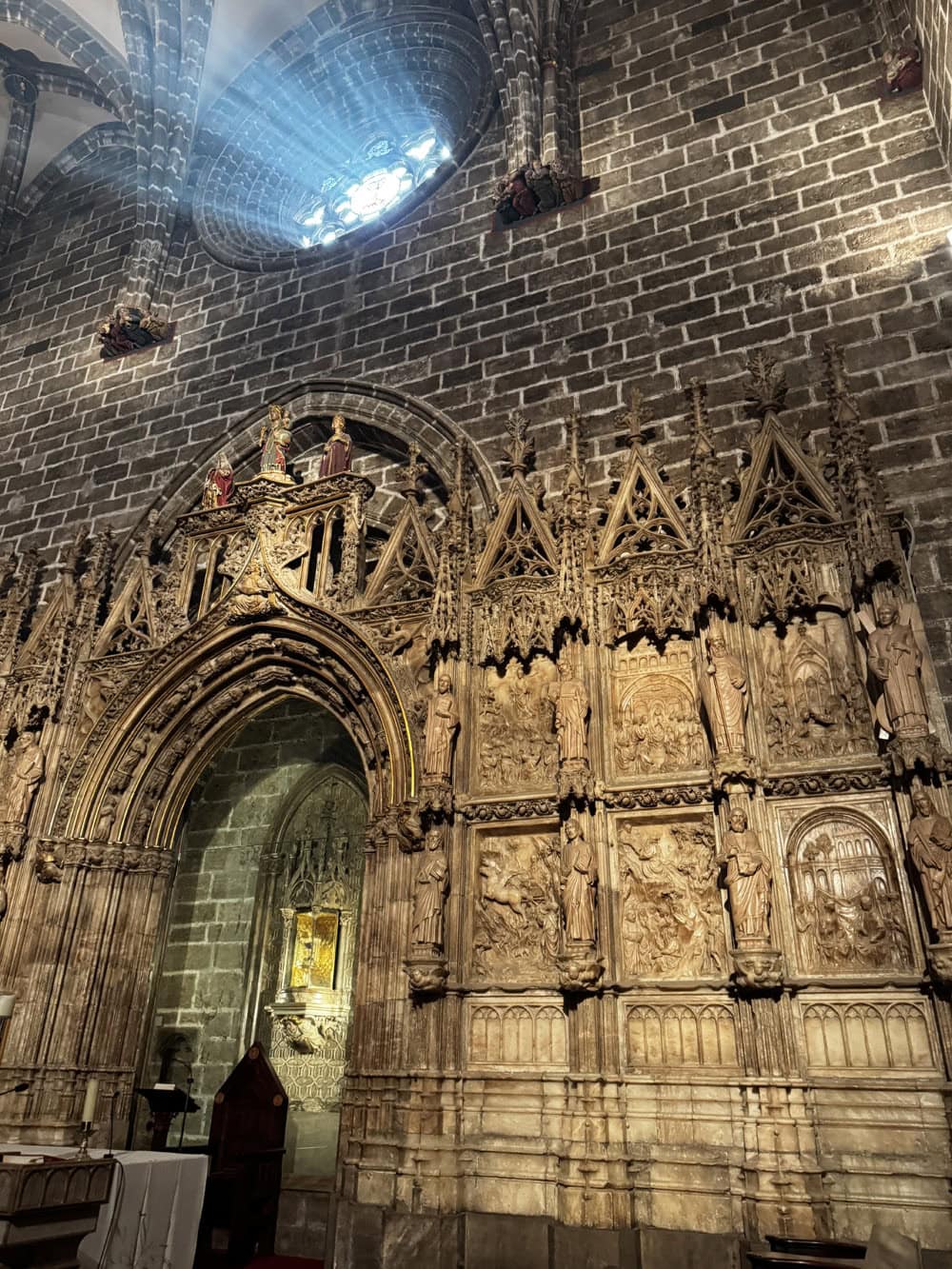
Probably the coolest thing we saw there was the Valencia Cathedral. Every old town in Spain has at least one large cathedral, and they are always worth a visit. However, the Valencia Cathedral has what they claim to be the actual Holy Grail. The dating of the materials of the Grail dates it to the correct time period, and there is some historical data to suggest that it might actually be the real Grail, but of course, it’s not definitive. I’m not a religious person, but I must admit it was pretty wild to see something so historically significant in person. The cathedral also has an incredible museum that contains a stunning collection of artifacts and illustrated books on display, and is definitely worth a visit.