

 Latest Review





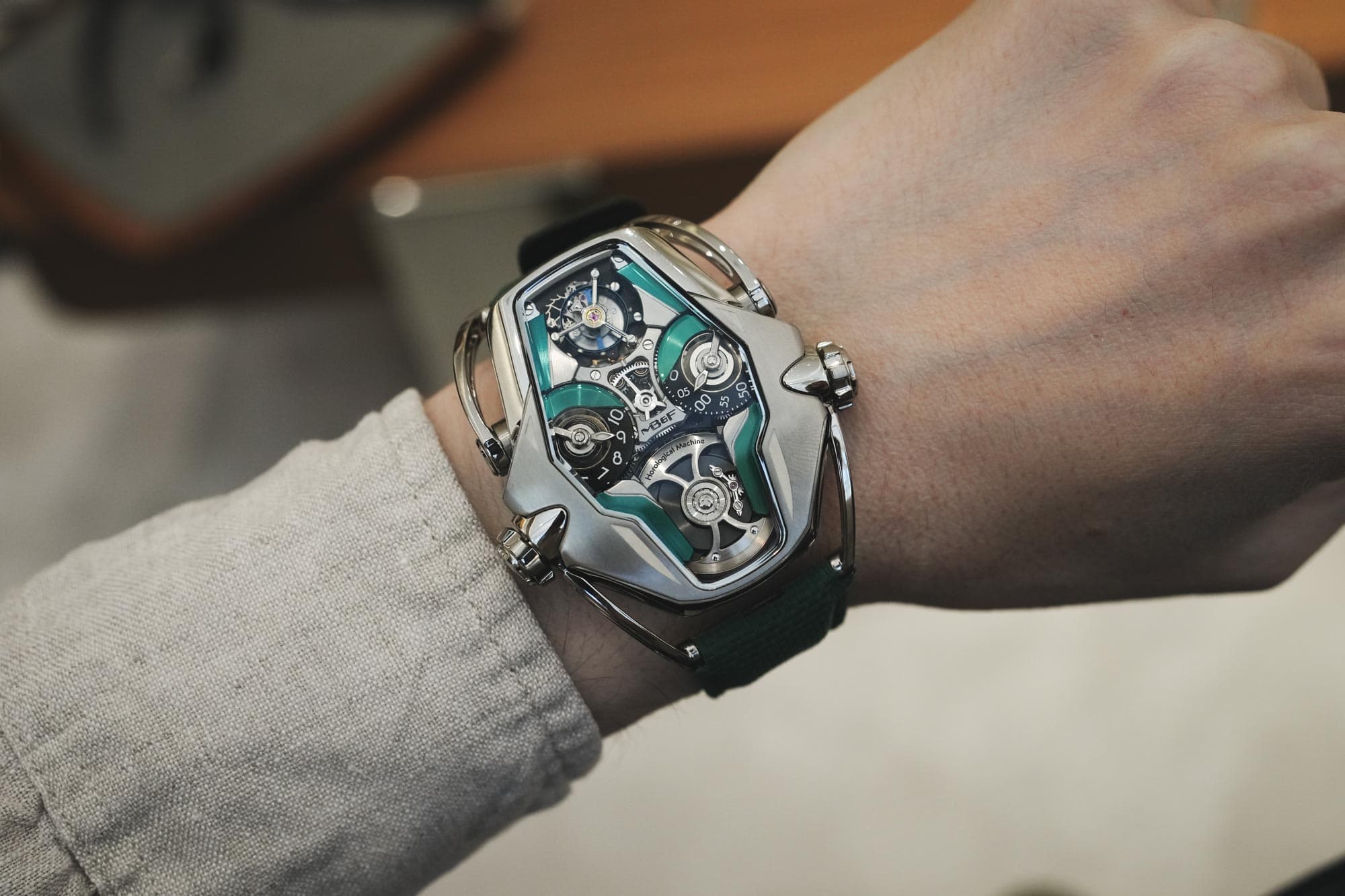
I first met Max Maertens at Dubai Watch Week last year. The young designer already has a storied career under his belt, working on projects with brands like Chopard, Vacheron Constantin, Cartier, and MB&F, where he started out as an intern. Here, something clicked. For several years, Maertens firmly fell in the “F” or “friends” category of the brand, collaborating with MB&F and L’Epée on the T-Rex clock before being given free rein to create the TriPod and the Orb. But his legacy with MB&F is only just getting started. Through these projects on several horological objects, the brand’s founder Max Busser saw something special and took him under his wing as his protégé and future successor. Today, we see Maertens’ first take on a more traditional MB&F wristwatch – well…. sort of.
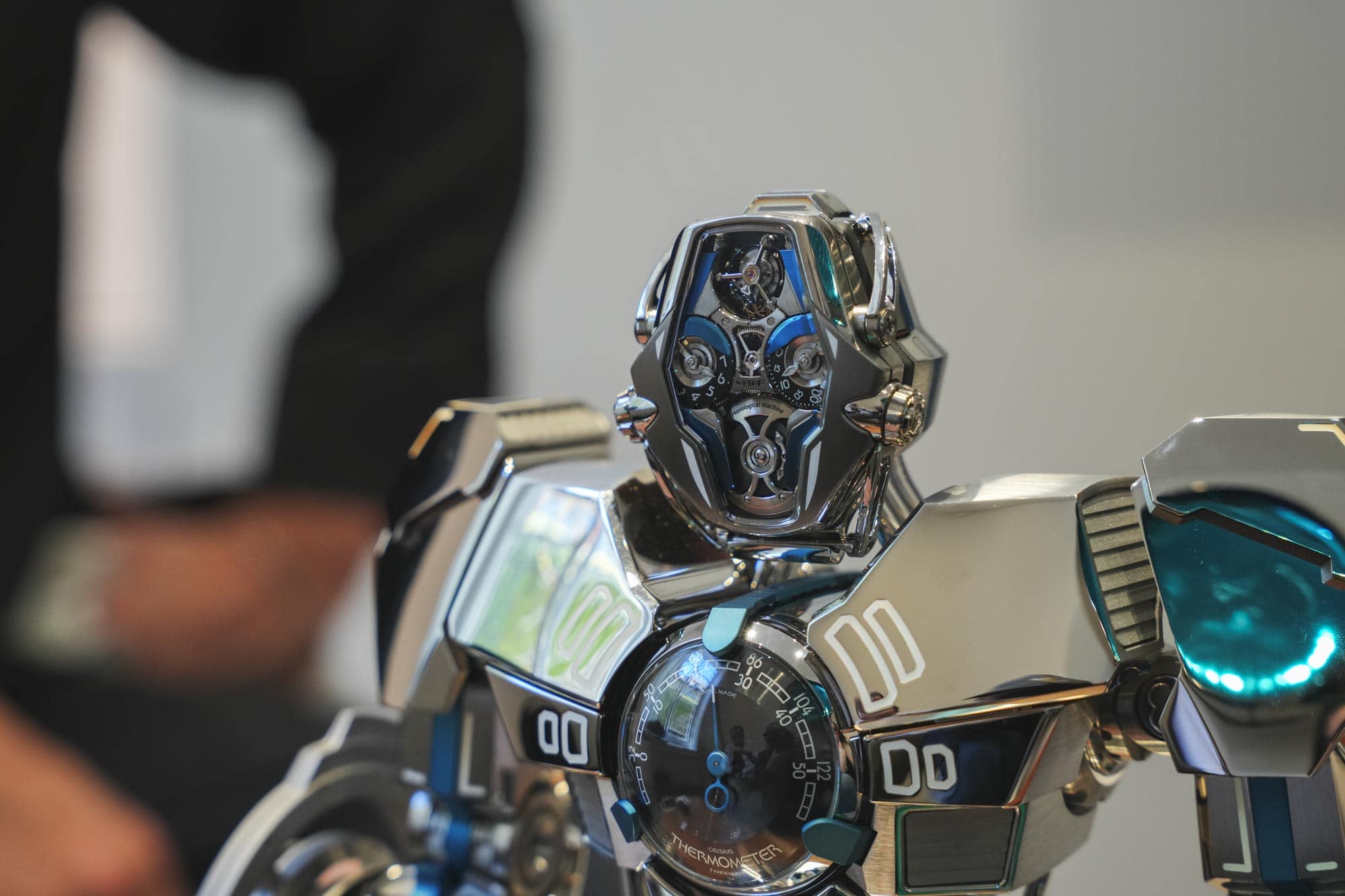
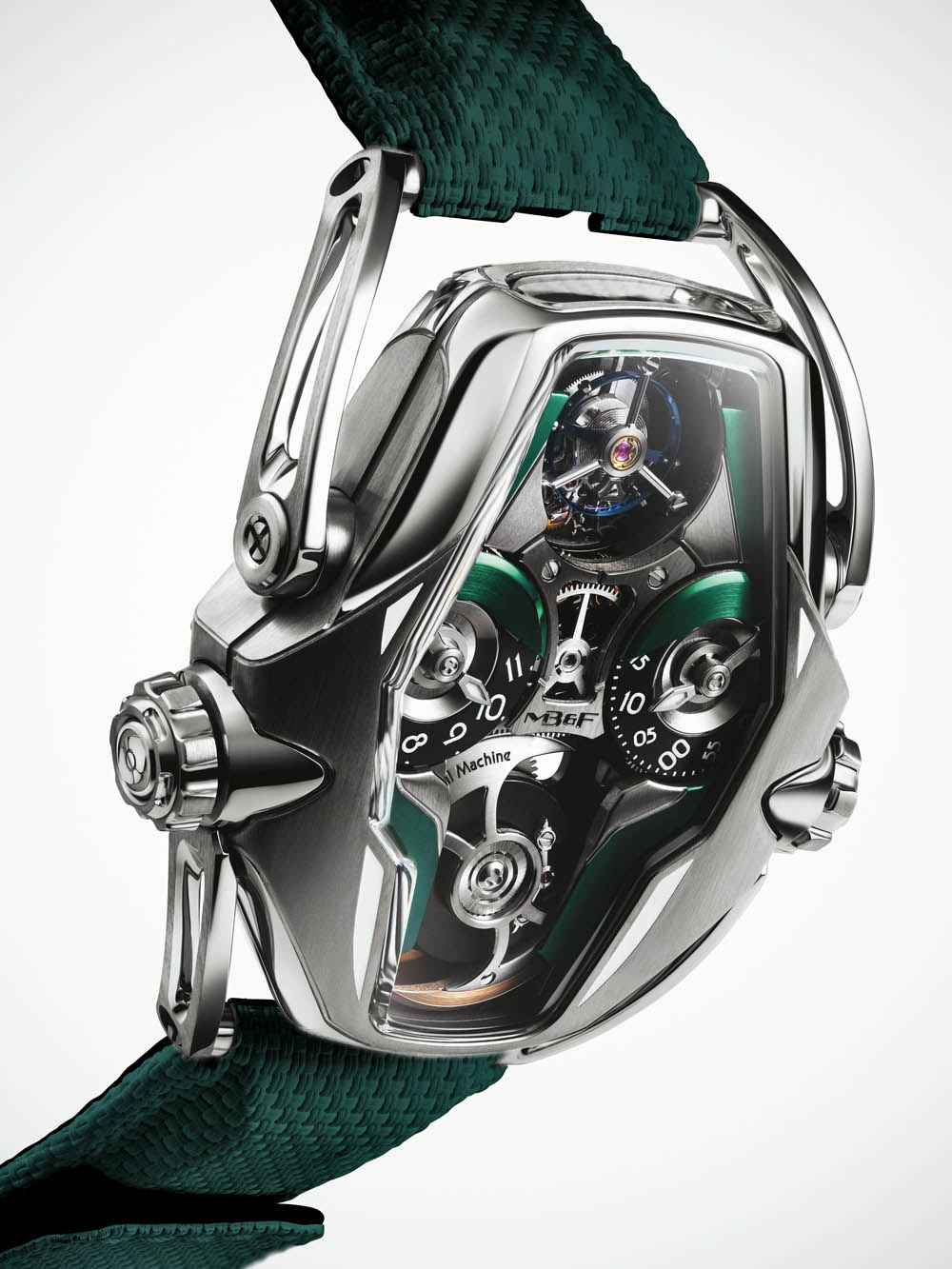
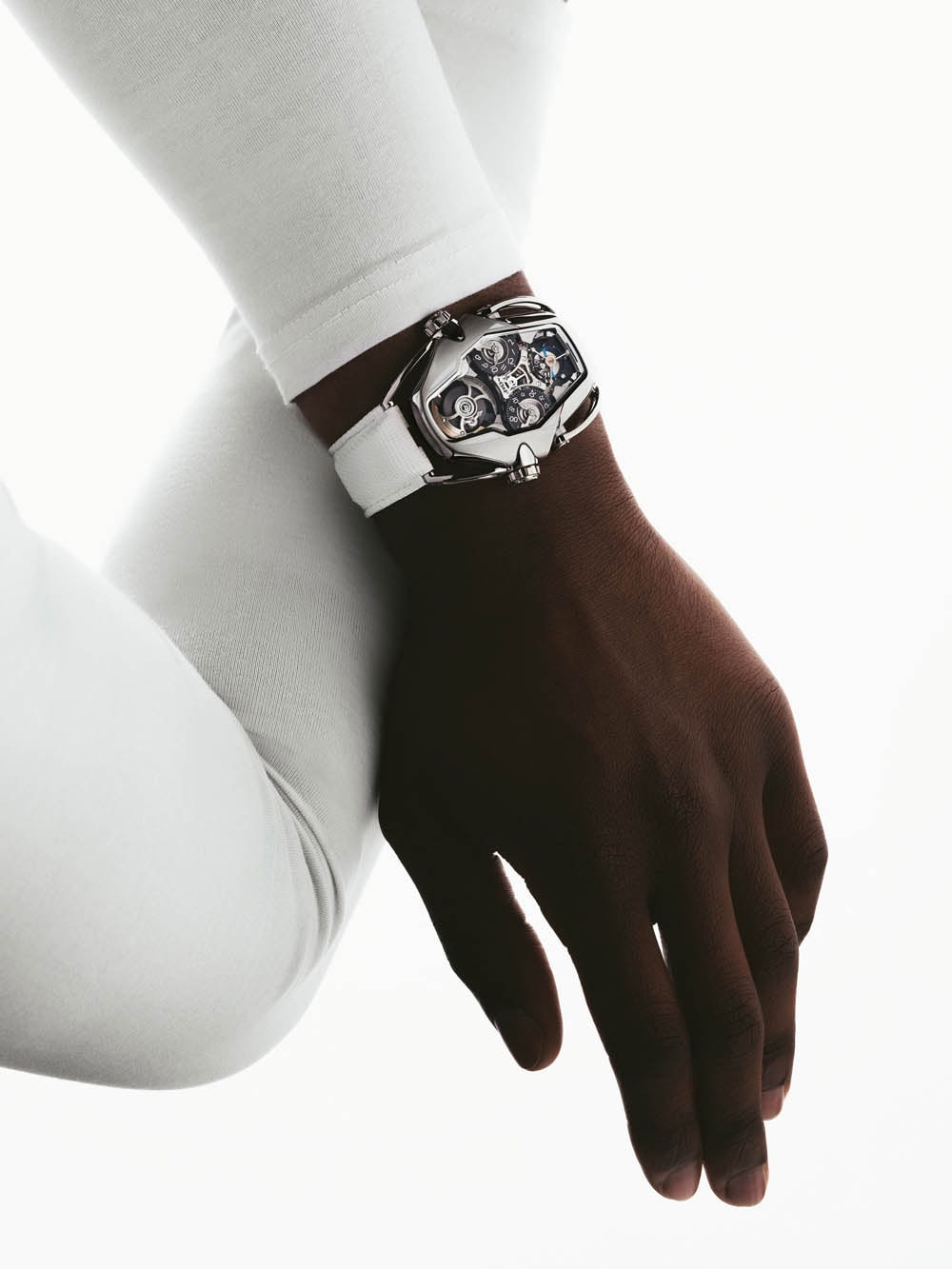
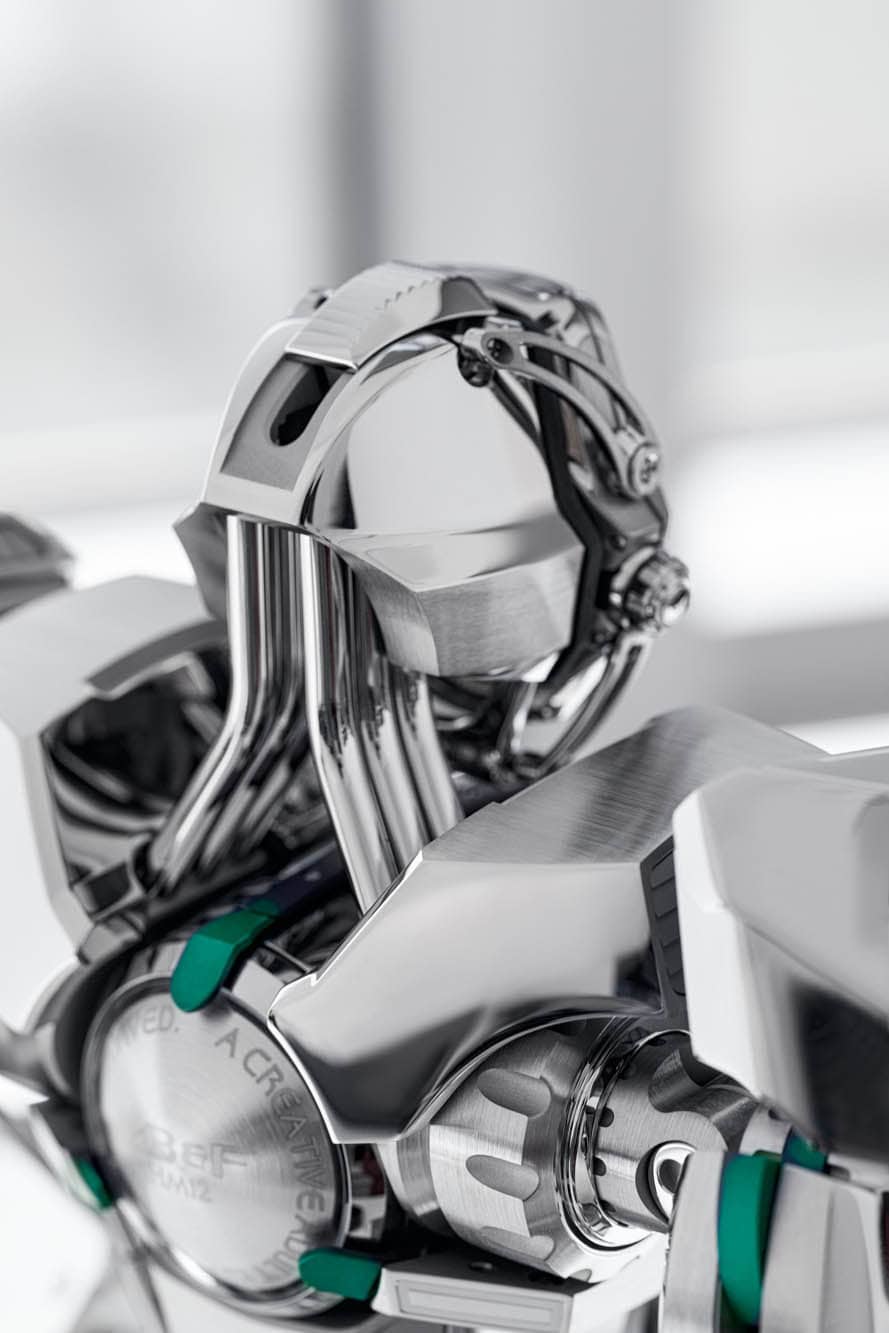
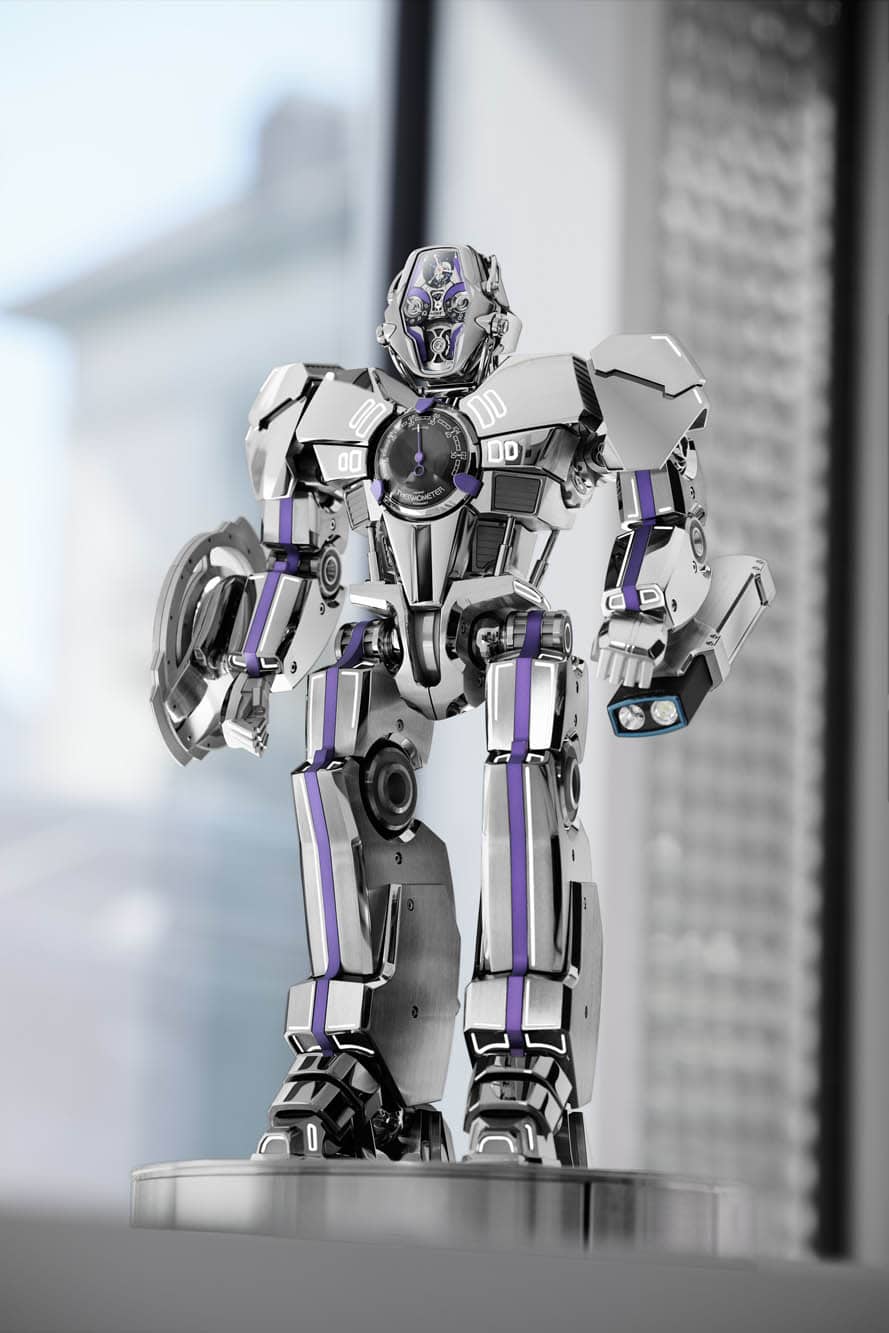
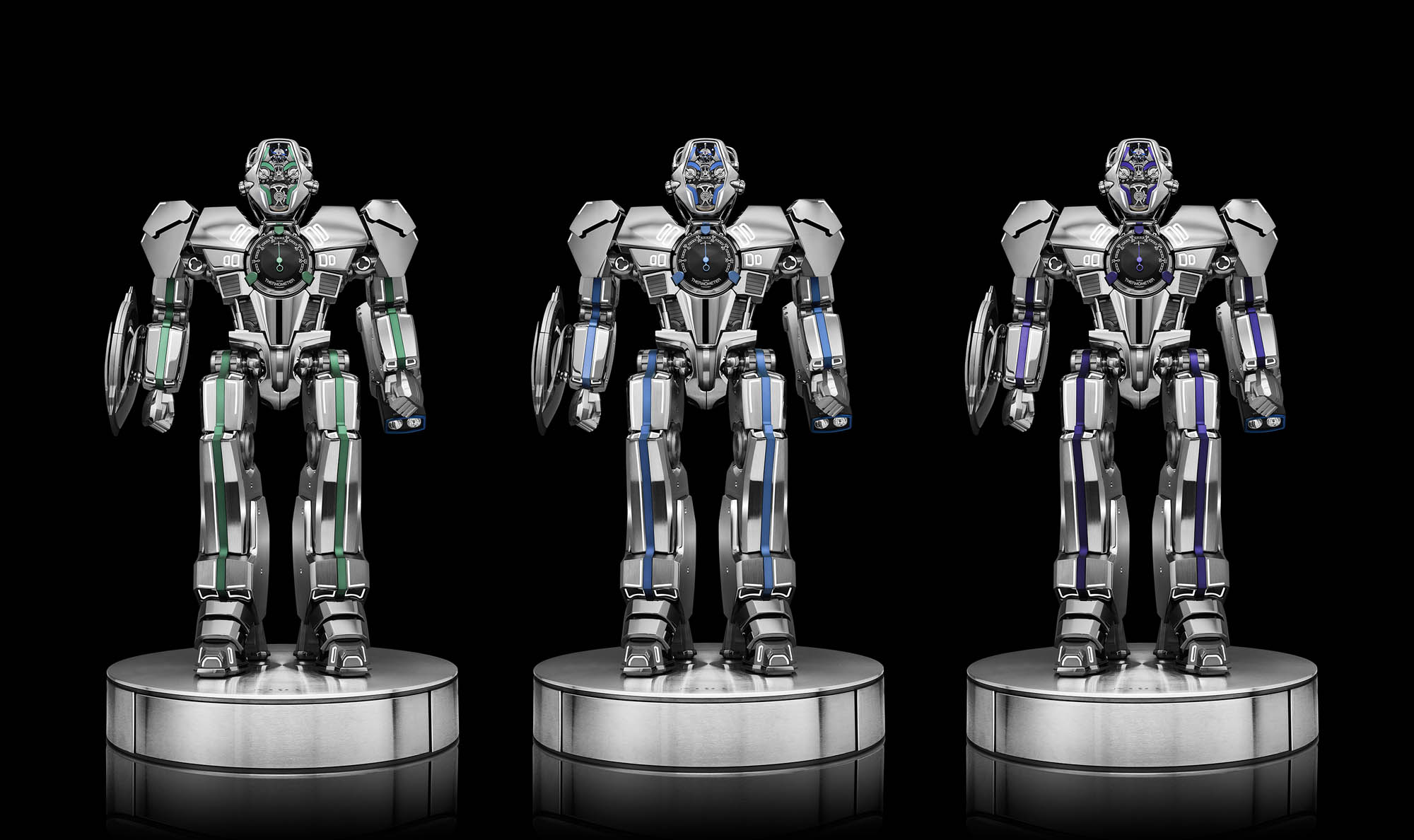
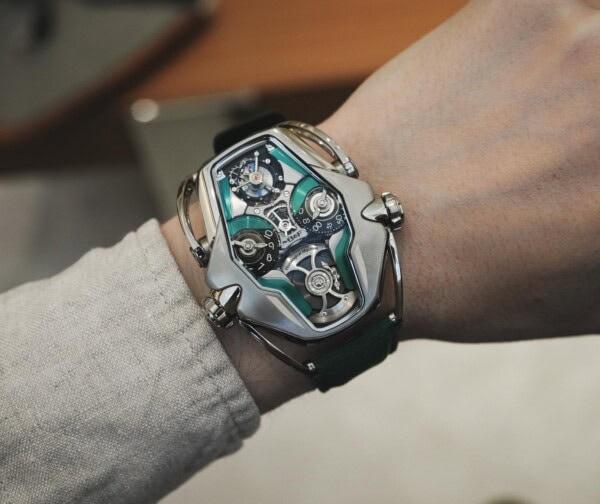
Making its grand entrance is the HM12 Guardian, the next chapter in the brand’s horological machines. It started with a “simple” brief (though we all know, nothing MB&F does is simple. “I was in Max’s office, and he said to me,
‘wouldn’t it be cool to create a watch that’s also a robot’s head?’
And somehow, immediately in that moment, a vision popped in my mind of how it should look,” recalls Maertens. “In the end, I would say this final concept of the HM12 is about 80% of what I had in my mind from that first idea.”
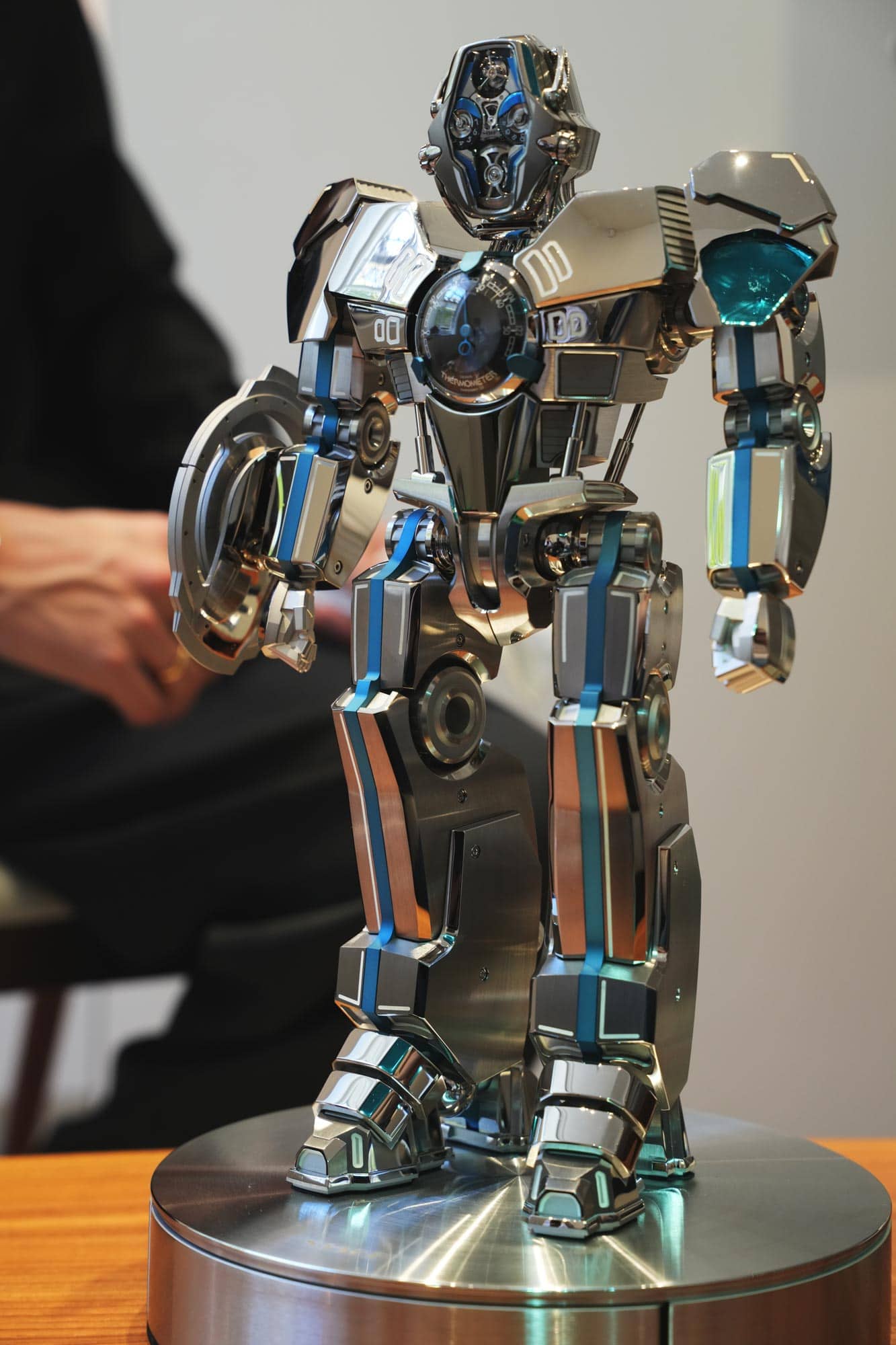
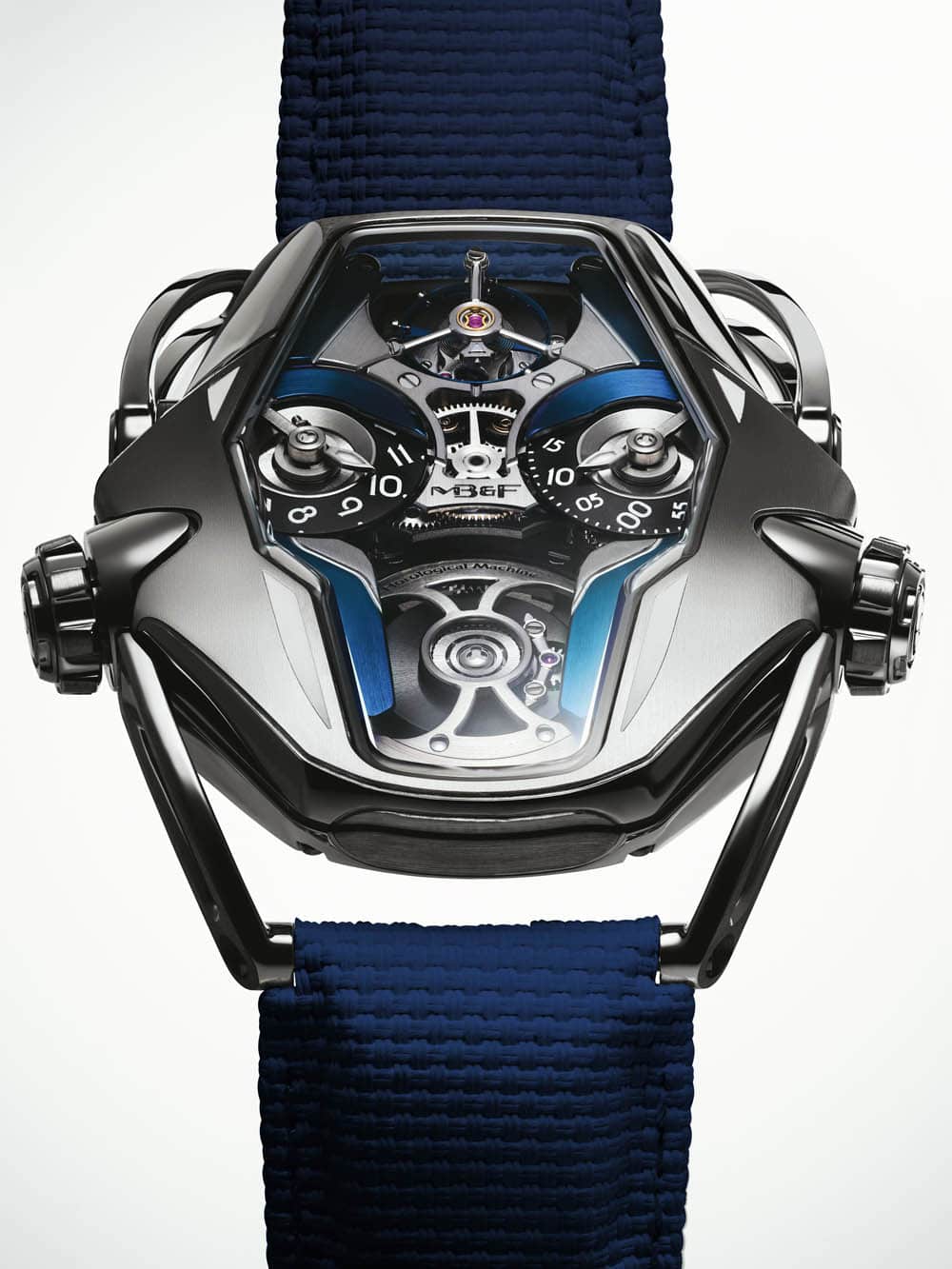
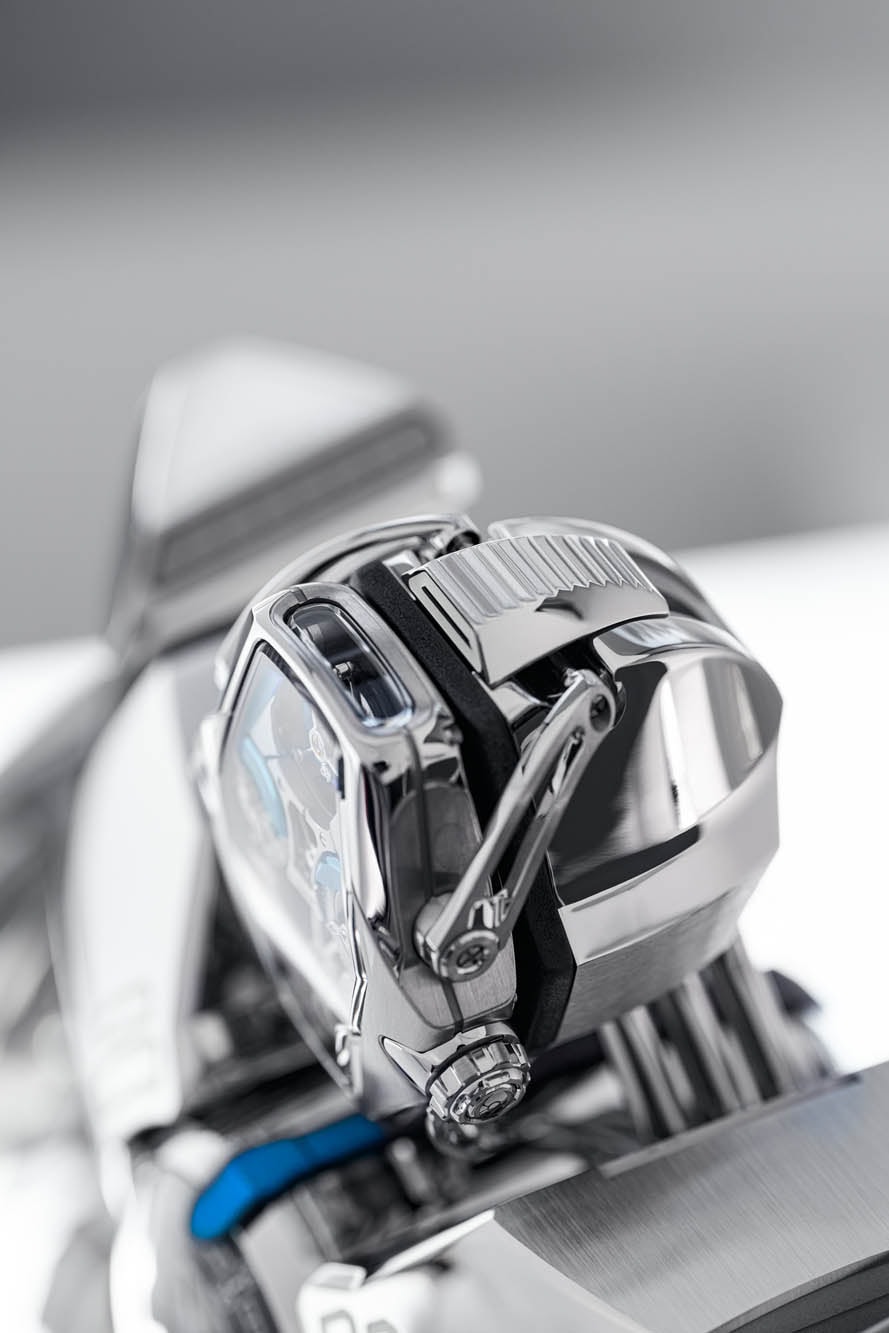
Yes, the concept still originated from the mind of Busser himself, but the design of the new HM12 Guardian – a wristwatch with a “very elaborate watch stand” that holds the case and transforms it into a robot desk clock – is the brainchild of Maertens. “I still don’t really have words to explain my design process and what makes an MB&F and MB&F for me,” Maertens admits. “It’s not really about the materials or particular shapes or lines or design language, it’s more about the concept,” he continues. “It needs to make you smile. It needs to evoke your inner child. And it needs to surprise you. But mostly, it’s just a gut feeling.”
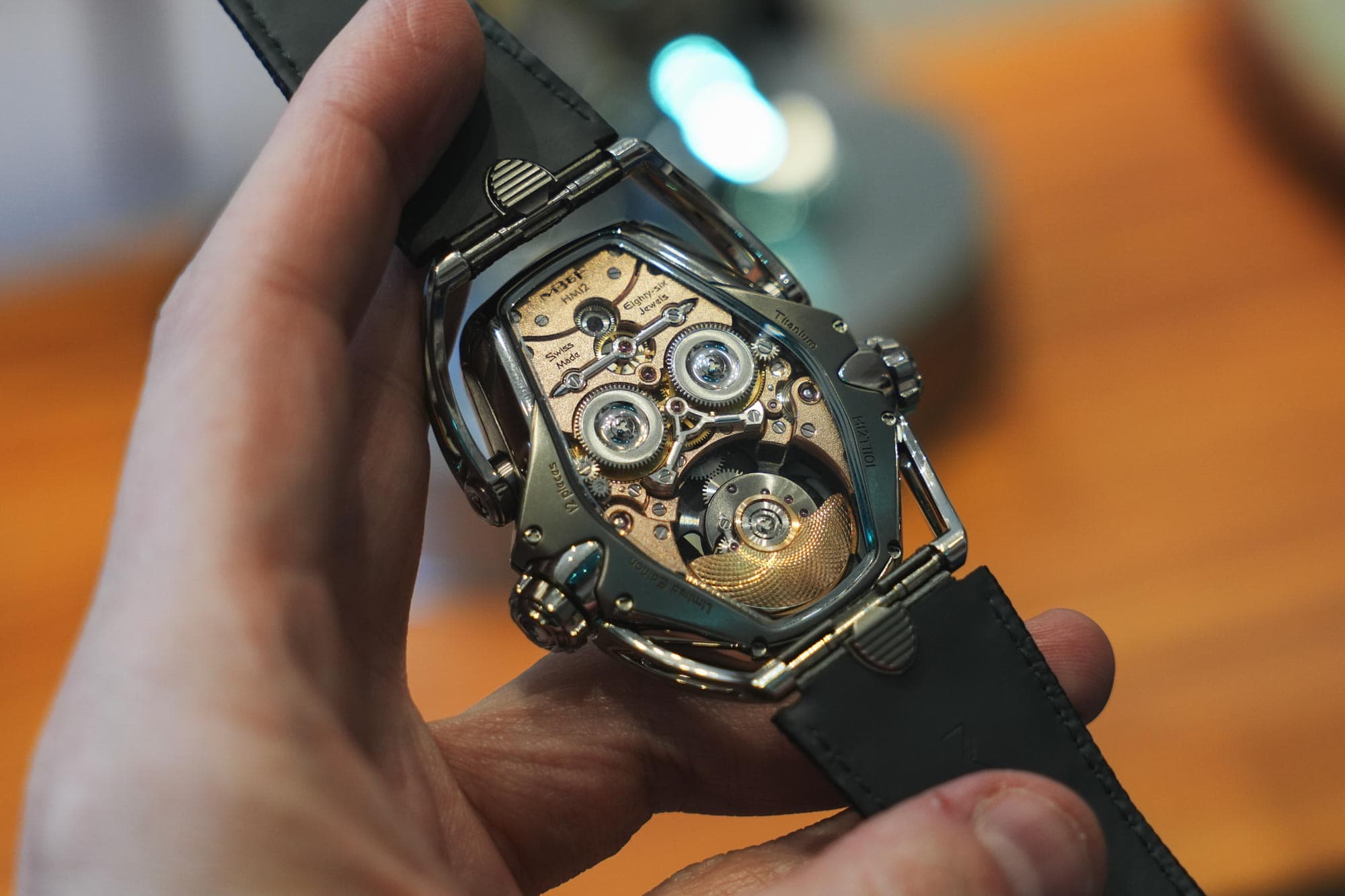
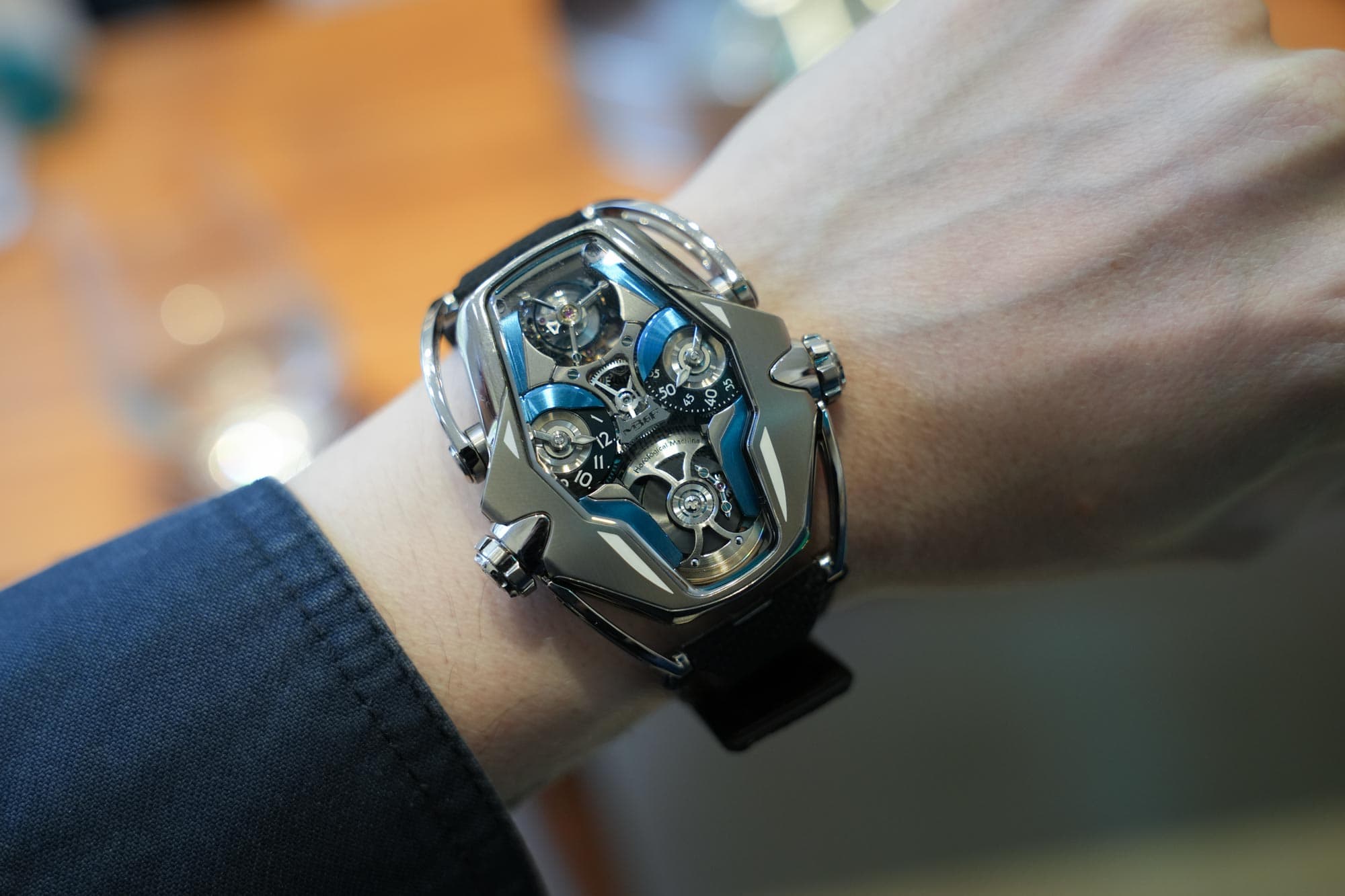
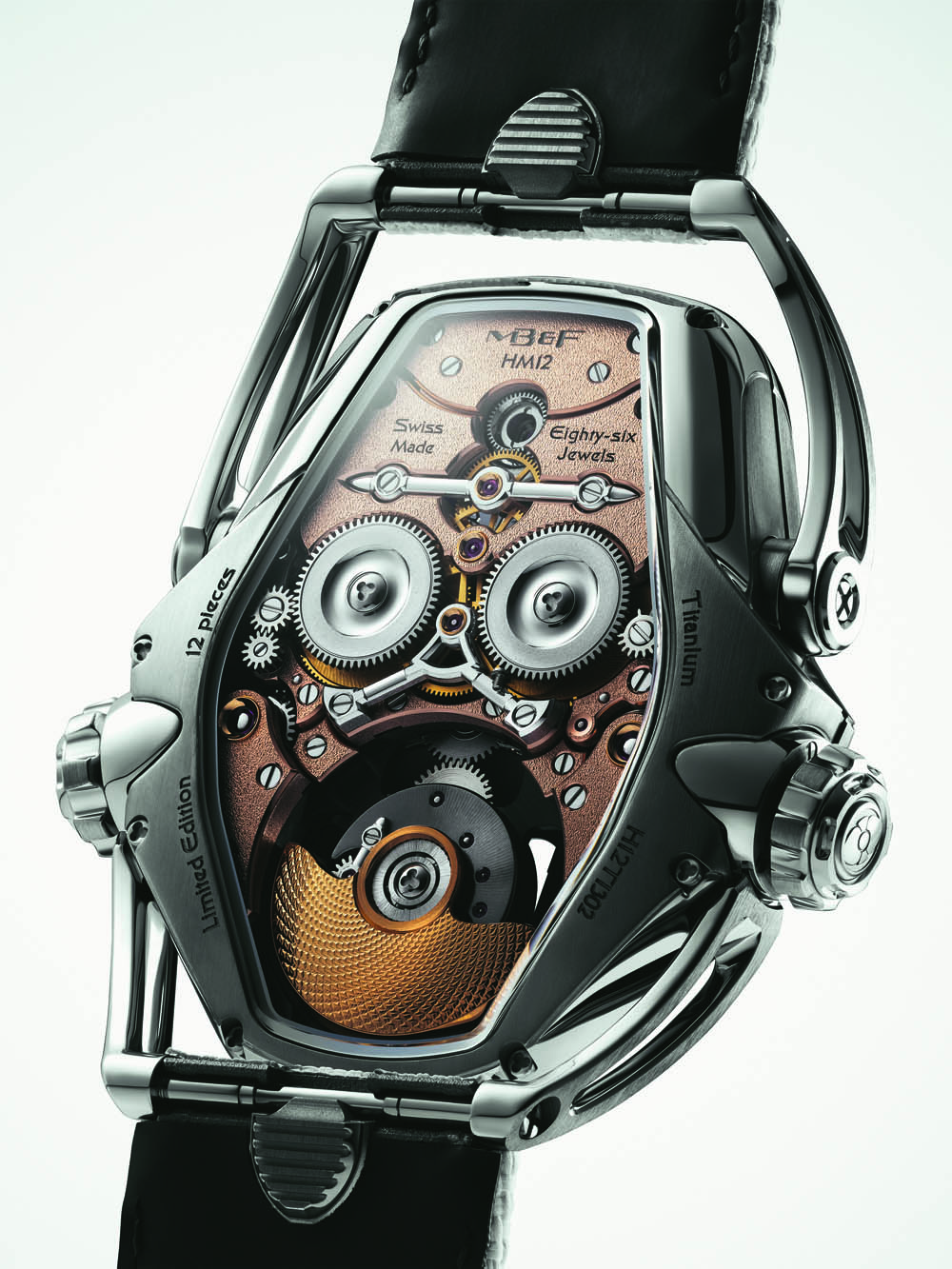
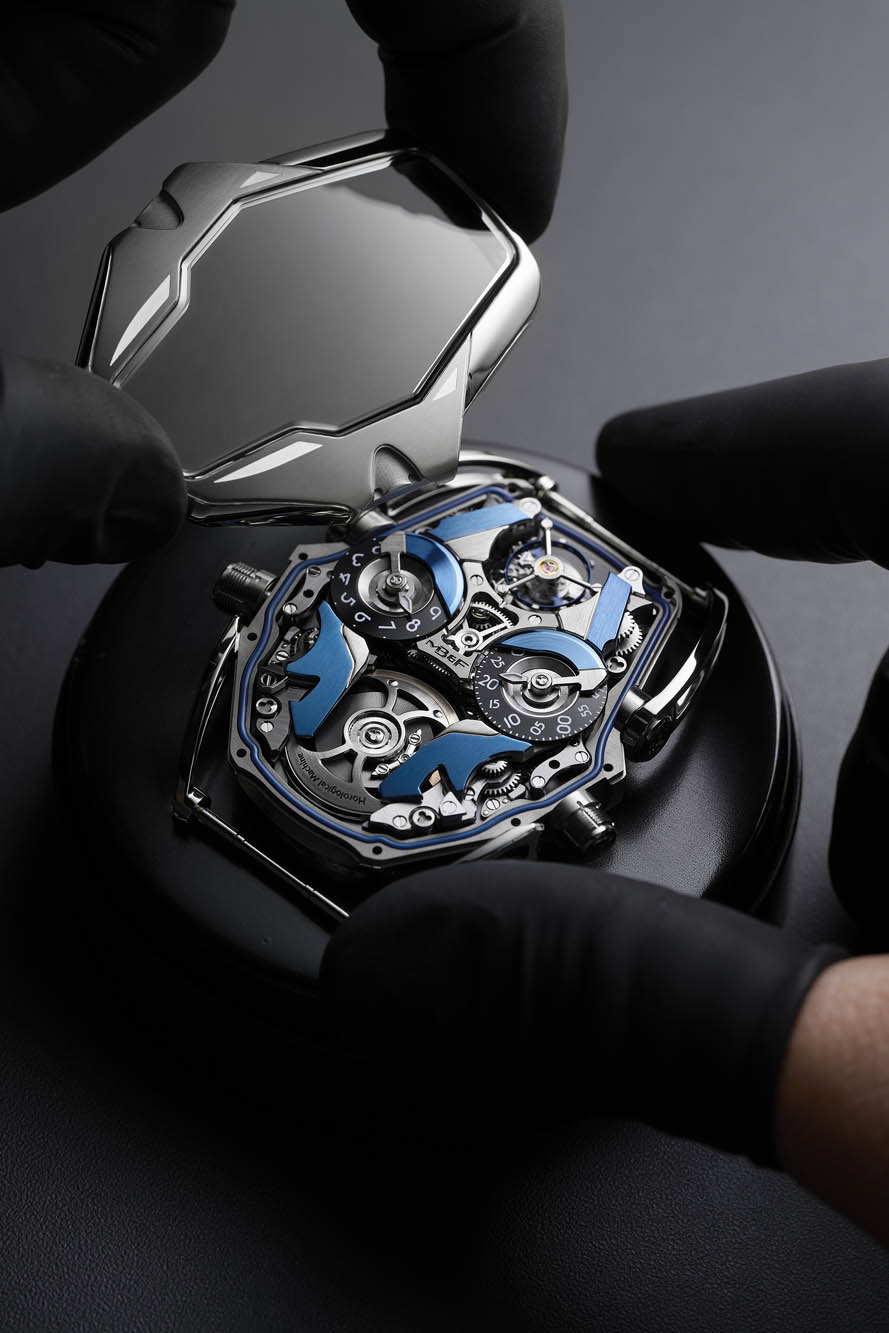
That visceral feeling is brought to life in a highly complex wristwatch featuring a flying tourbillon “brain” at 12 o’clock, symmetrically placed jumping hours and trailing minutes at 9 and 3 o’clock respectively forming the eyes, and a double-sided micro-rotor “mouth” all protected by a novel “face shield” complication. “The biggest challenge was combining two independent systems into one movement with two independent minds bringing them together,” Maertens explains. The genius of creating cohesiveness between these two systems were two of MB&F’s leading movement engineers, Pierre-Alexandre Gamet and Thomas Lorenzato.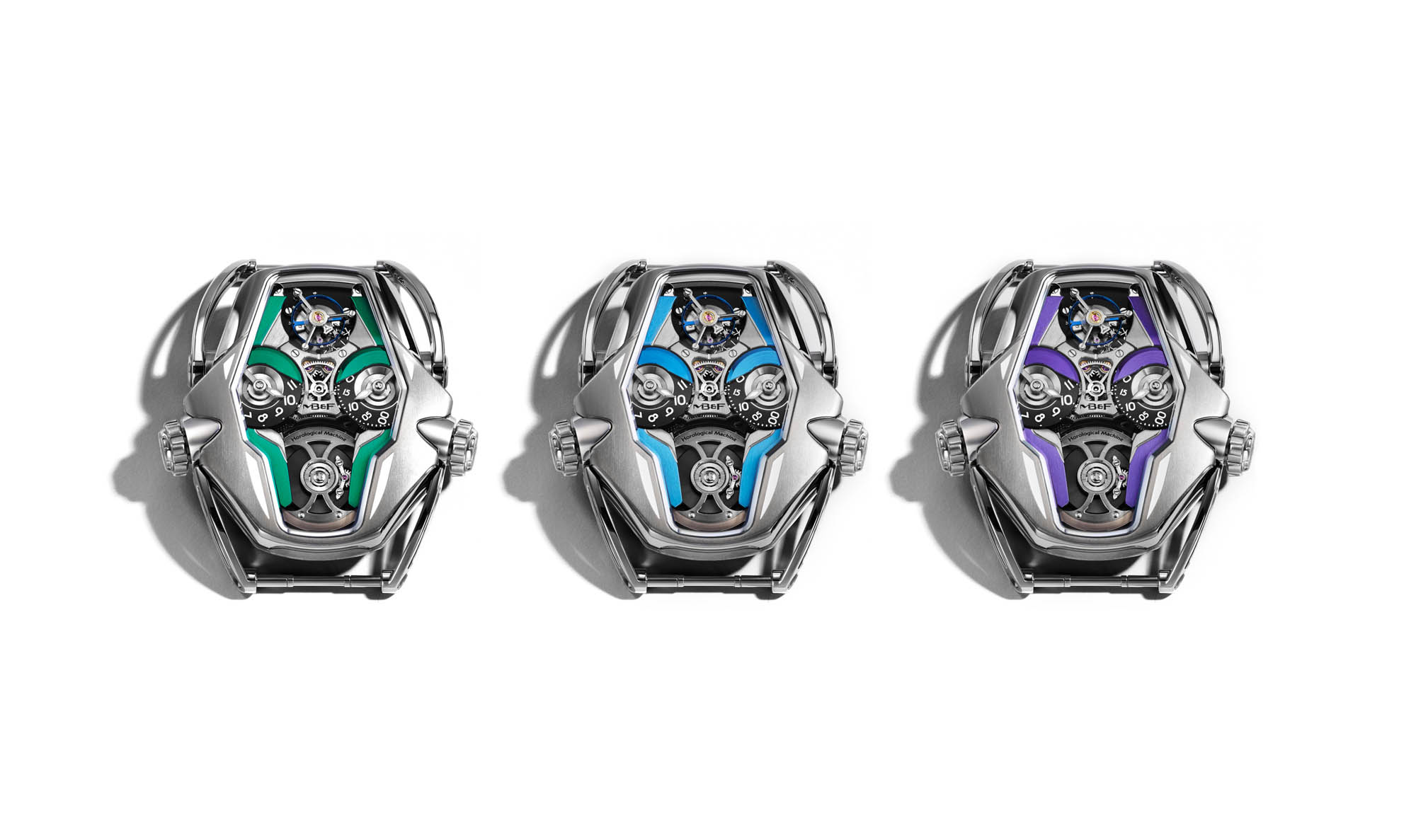 The newly conceived face shield complication was built completely from the ground up and consists of over 200 parts alone, making up one third of the total movement components. Activated via the left crown, the shields move in a continuous, linear way. The wearer controls how exposed the face remains and can stop at any point, from fully visible to concealed. The crown is declutching, and once the shields reach their stop, it disengages.