
 Latest Review






 May 8, 2026

There is a specific moment, perched at the hinoki wood counter of Sushi Teru in the West Village, when you realize you are no longer ordering a meal, you are surrendering to it. This is the soul of omakase: “I leave it up to you.” It is an exercise in radical trust, a silent pact between guest and maker, where you turn the reins over entirely over to the chef.

In the world of Japanese watchmaking, that same trust sits at the heart of Kiwame Tokyo. Their latest duo, the Mune Usuki and Mune Kurotsuki, don’t shout for attention. They earn it through a deliberate, carefully constructed minimalism—much like the nuanced sequence of a perfectly executed Edomae meal.


The Discipline of Restraint
At Sushi Teru, the craft begins long before the first grain of rice is selected. In the Edomae tradition—born in old Edo before the age of refrigeration—fish is rarely served “fresh” in the Western sense. The Edomae sushi style involves using the aging process to preserve the fish, develop umami flavors and create a more tender texture. A variety of methods are employed including marinating in soy sauce and curing in salt or kombu sea kelp-from a few hours to several days. The results are simple, yet wildly flavorful dishes.

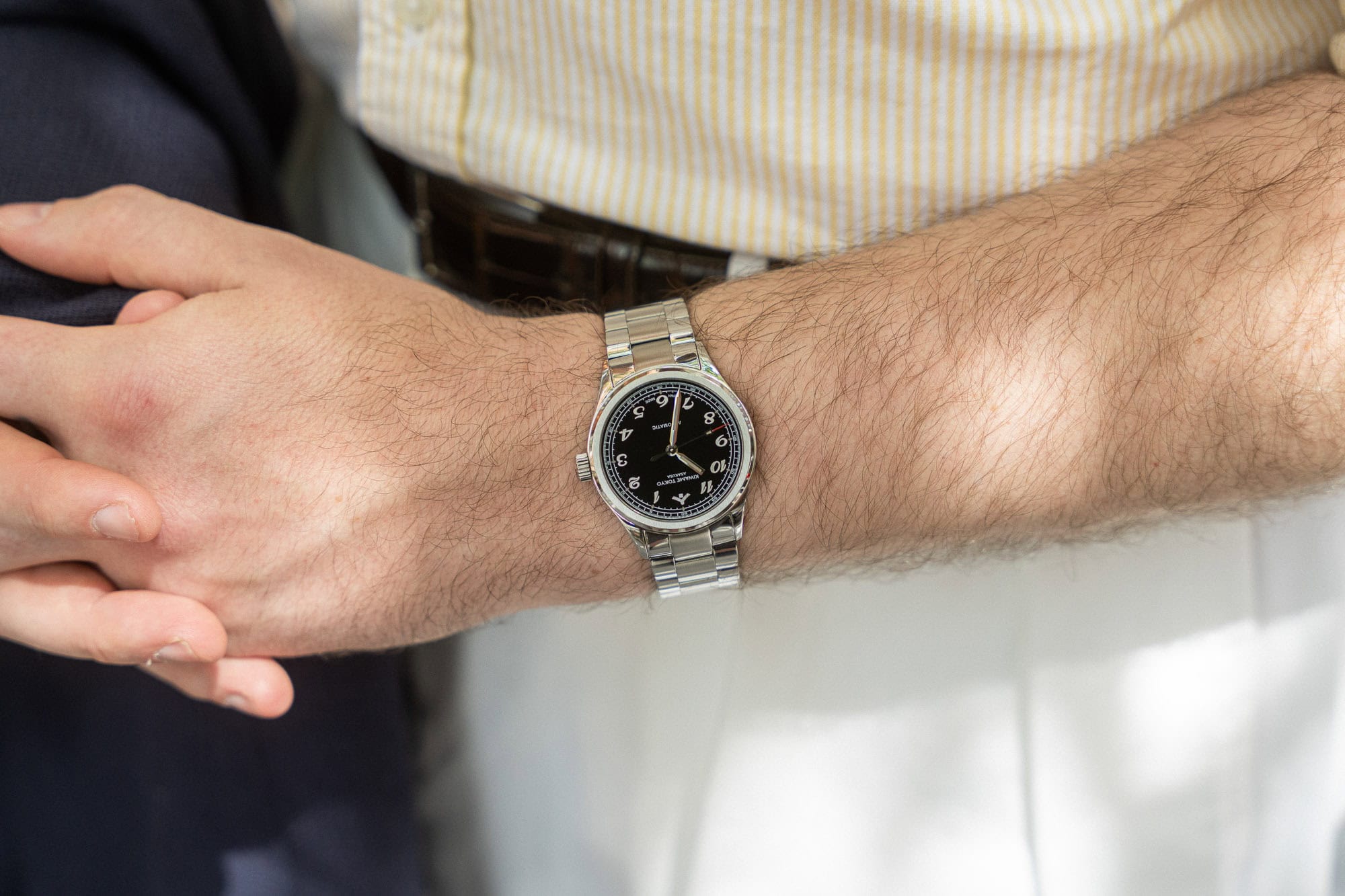
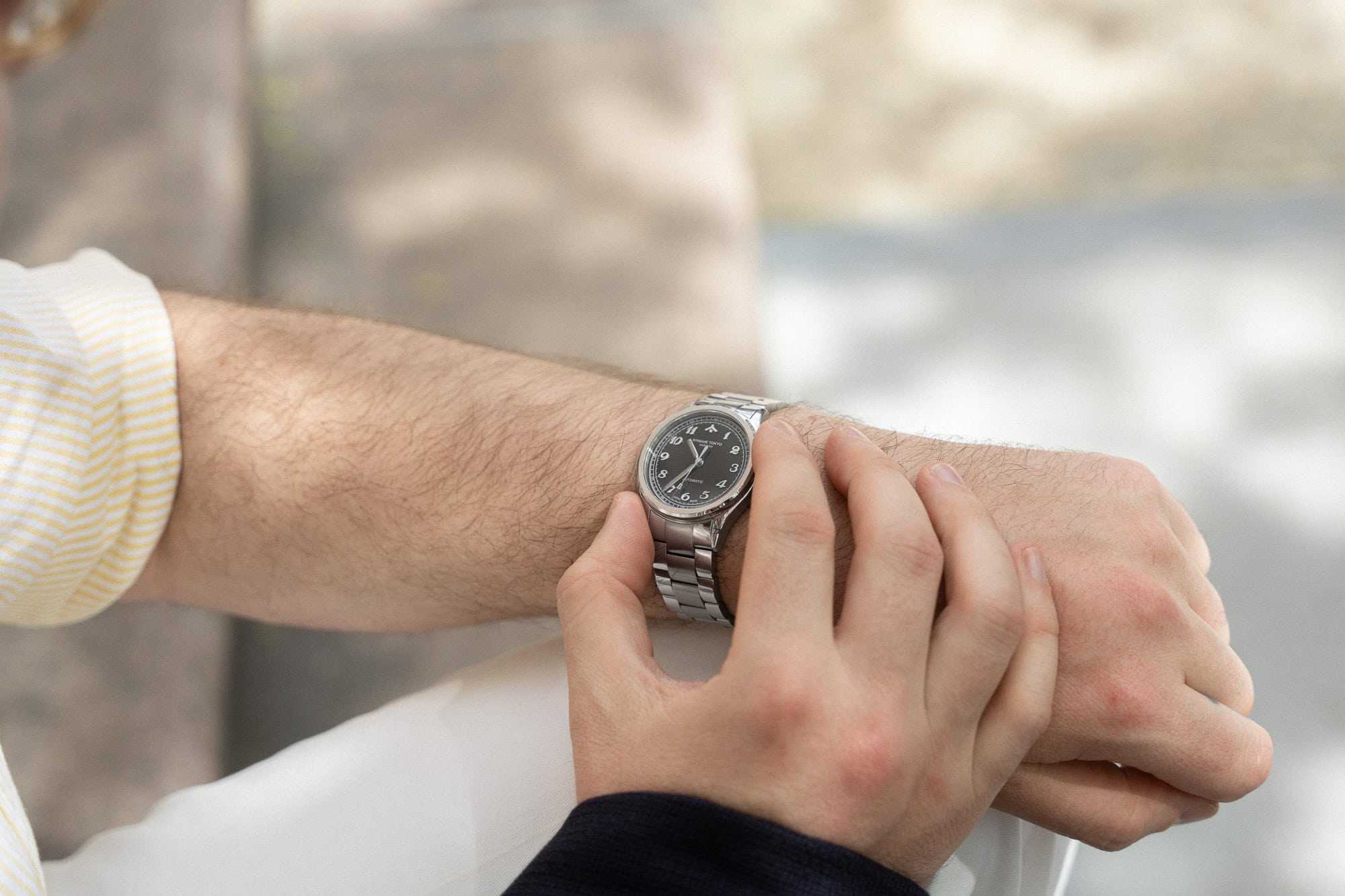
Kiwame Tokyo operates with a remarkably similar ethos. The Mune Collection is not a study in any degree of maximalism; it is a masterclass in proportions. The 316L stainless steel case hits a “sweet spot” at 38mm wide, with a remarkably slim 9.5mm thickness and a compact 46mm lug-to-lug.


The finishing avoids loud, high-polish surfaces common in entry-level luxury, opting instead for a sophisticated interplay of vertical hairline brushing on the stepped bezel and mirror-finished chamfers. Like Edomae preparation, nothing is untouched. From the choice of the knife to the manner in which each ingredient is placed, everything is considered, ensuring that the simplicity is a result of effort, not an absence of it. Kiwame Tokyo’s products look and feel equally scrutinized and intentional.

Structure as Storytelling
True omakase is a narrative arc. At Sushi Teru, the progression begins with seemingly simple starters, such as an Avocado Roll with Ikura, interspersed with homemade Gari, a type of Japanese pickled ginger palate cleanser. The meal then crescendos to main courses that are as striking to look at, as they are to taste—such as Chef Teru’s signature Toro and caviar, complete with a gold leaf garnish.

Kiwame Tokyo builds its narrative around the mune, or the ridge line of a traditional Japanese roof. On the dial, this architectural concept anchors the 12 o’clock index—a sculptural “summit” from which the eye descends. This focus on verticality is mirrored in the movement choice.


Housed behind a solid, screw-down caseback is the Miyota 9039. A member of Miyota’s premium “9-series,” this is a true no-date, thin-profile caliber that allows the watch to maintain its sub-10mm height. Beating at 28,800 vph (4Hz), it offers a smooth sweep and a 42-hour power reserve. It is a movement chosen for its material honesty. It’s reliable, Japanese-made, and technically superior to the more ubiquitous alternatives.

A Conversation with the Past
Chef Teru’s Edomae-style sushi draws on skills from the 1800s in creating a conversation between Japan-sourced fish and traditional Edo technique. The Mune Collection mirrors this level of connection.

Kiwame Tokyo’s Mune Usuki version features a warm ivory lacquered dial with dark applied numerals, while the Mune Kurotsuki offers a deep black lacquer with vertically brushed indices. A particularly sharp detail is the seconds hand: its counterweight is shaped to evoke the sweeping roof silhouette of the Kaminarimon Gate in Asakusa. On the Kurotsuki, the tip is finished in a deep vermilion red—a nod to the traditional cinnabar pillars of Japanese temples.

Tokyo to New York: A Shared Vibe
What’s striking is how naturally this philosophy travels. At Sushi Teru, the chef brings decades of Japanese mastery to a New York counter. Meanwhile, Kiwame Tokyo remains rooted in Asakusa, drawing from local architecture and a distinctly Japanese perception of time—one that values refinement over excess and iteration over “innovation” for its own sake.


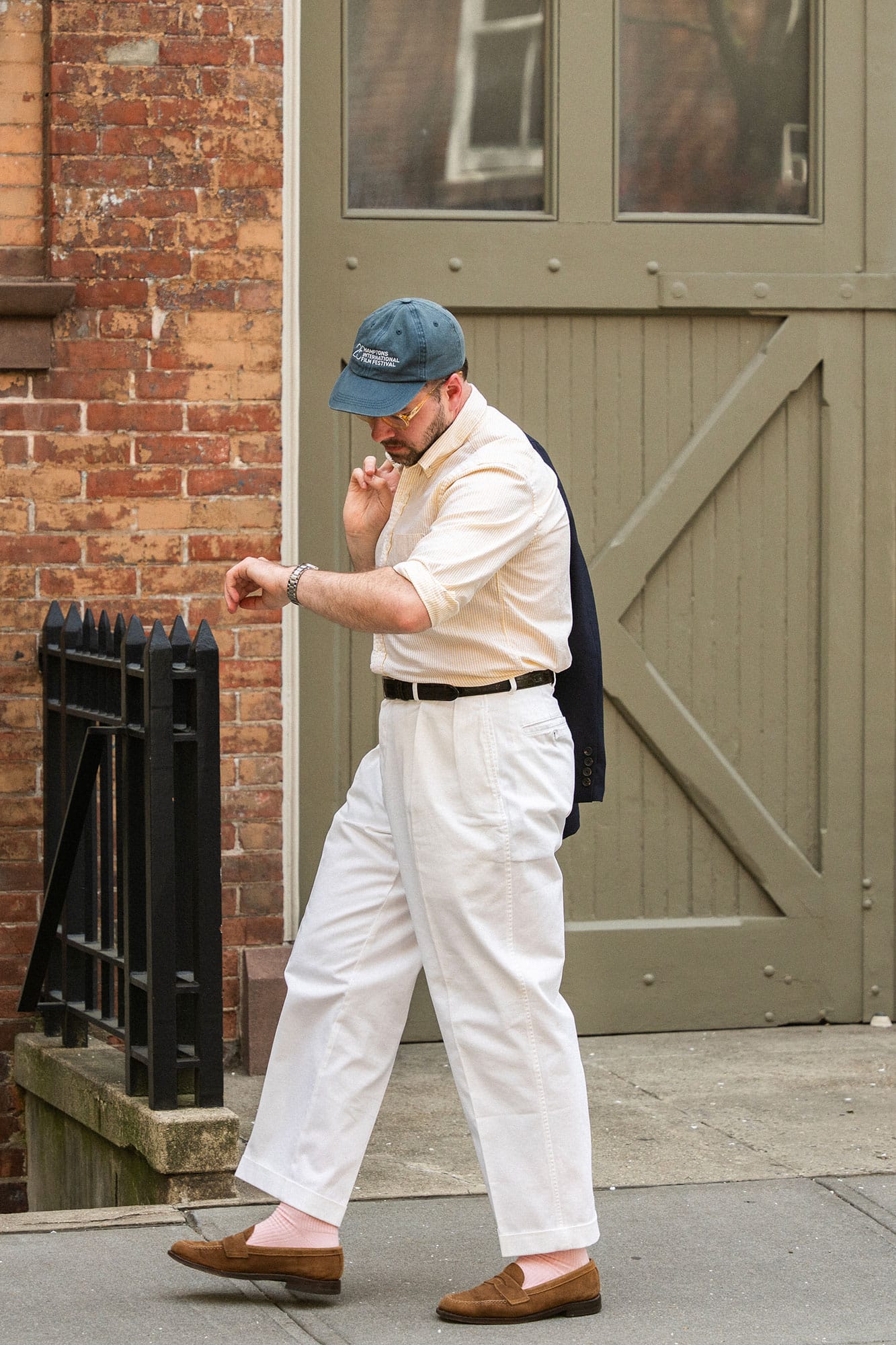
Omakase is ultimately an invitation to slow down and trust the maker. When you sit at the counter, you relinquish control to the chef’s hands. Strapping on a Mune feels strikingly similar. You aren’t overwhelmed by complications. Instead, you are invited to notice the way light catches a brushed lug or how the case balances elegance with everyday utility.


In both sushi and watchmaking, the best experiences aren’t the ones that demand your attention—they’re the ones that reward it.

SPECIFICATIONS
- Dimensions: 38mm x 9.5mm x 46mm
- Case: 316L Stainless Steel
- Dial: Lacquered Ivory (Usuki) or Black (Kurotsuki) with applied Arabic numerals
- Crystal: Sapphire with inner anti-reflective coating
- Movement: Miyota 9039 Automatic (No-date), 28,800 vph
- Power Reserve: 42 hour
- Water Resistance: 100m


