
 Latest Review







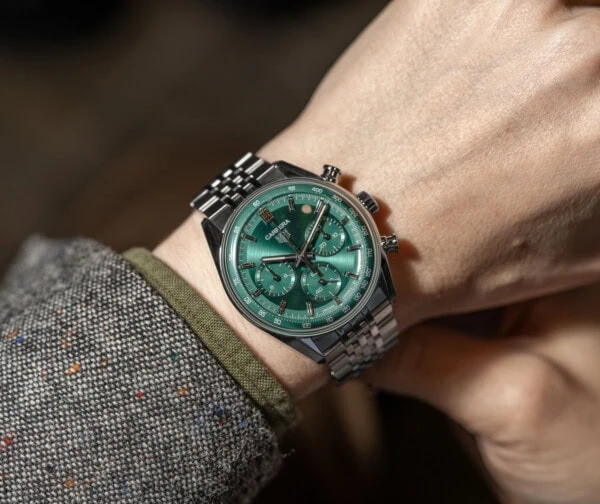
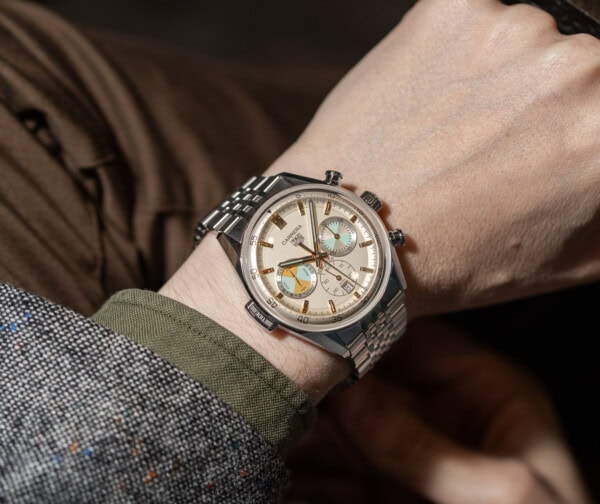
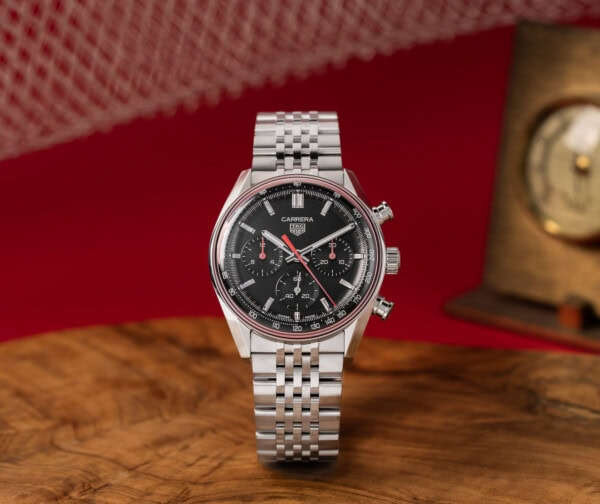
When I think of Heuer, or TAG, or TAG Heuer, for that matter, I think of chronographs. You probably do too. Carreras, Monacos, Autavias, Monzas, Veronas, Montreals, etc… All iconic models, their pursuit of the stop-watch-in-a-wrist-watch goes far beyond just that of aesthetics. Famously, in 1969, they were among the first three brands to introduce an automatic chronograph with the Caliber 11. Then, in the 2010s, they pushed chronograph innovation to its limits with high-concept, high-frequency calibers like the Mikrograph, Mikrotimer, and Mikrogirder.
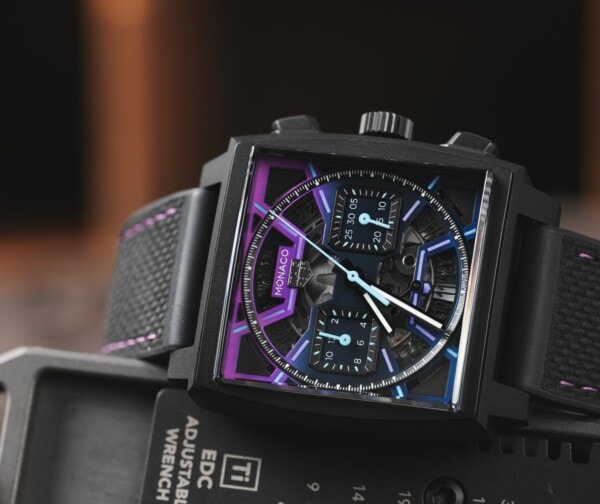
In the last few years, TAG has focused more on the commercial side, honing in on a contemporary design language with the glass box Carreras, as well as a workhorse caliber of their own, the 80-hour, column-wheel, automatic TH20. 2026, however, marks a return to more innovative, if high-end times. Earlier this year, they introduced the six-figure Carrera Split-Seconds Chronograph, a 36,000bph rattrapante made in collaboration with Vaucher, under the category of “avant-garde horlogerie.” A curious development that was perhaps undermined by having such a daunting price, it did serve as an amuse-bouche to their big Watches & Wonders novelty: the Monaco Evergraph, which includes at least one first in watchmaking.

There is a lot to unpack with the Evergraph, but the movement is a good place to start. Inside is a new caliber called the TH80-00. An integrated chronometer-certified automatic chronograph with 47-jewels, it features a 70-hour power reserve, and a frequency of 5Hz or 36,000bph. That’s the simple stuff. The TH80-00 also features TAG’s proprietary TH-Carbonspring oscillator. An amagnetic material that TAG debuted in 2019; after a brief attempt at industrialization, they took it off the market, only to return last year with two limited, full-carbon-cased chronographs. New hairspring materials are as uncommon as new escapements, if not more so, so this is very cool, especially in a high-beat chronograph. But, there’s more.