

 Latest Review






 June 30, 2025

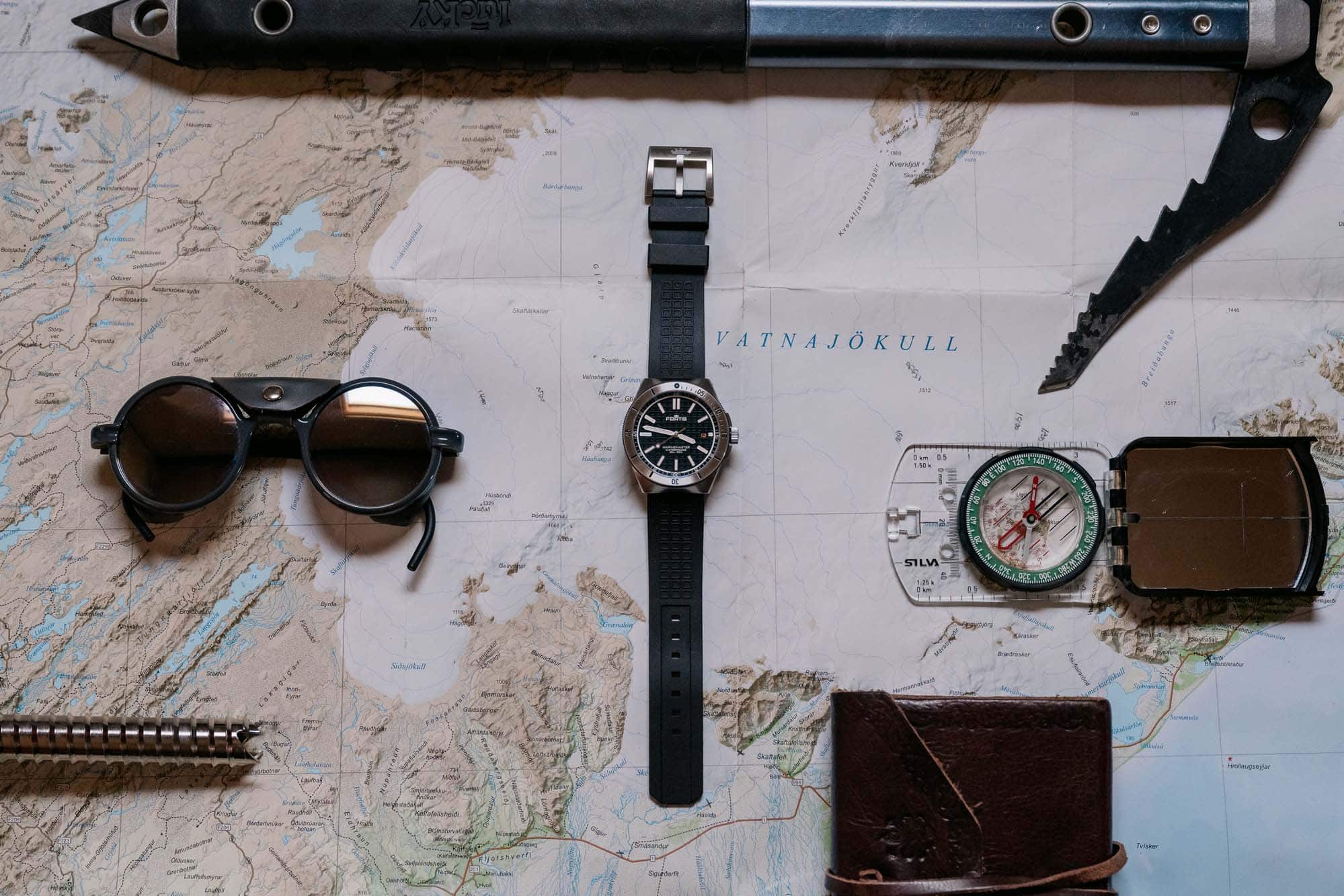
For this latest edition of Tool/Kit we’re recounting the experience of explorer and photographer, Niklas Marc Heinecke, as he traversed the glacier at Vatnajökull, Iceland. With him is a small troop of scientists and the Fortis Marinemaster M-40, together making the trek… “for the sake of knowledge.” We’re honored to share his story.

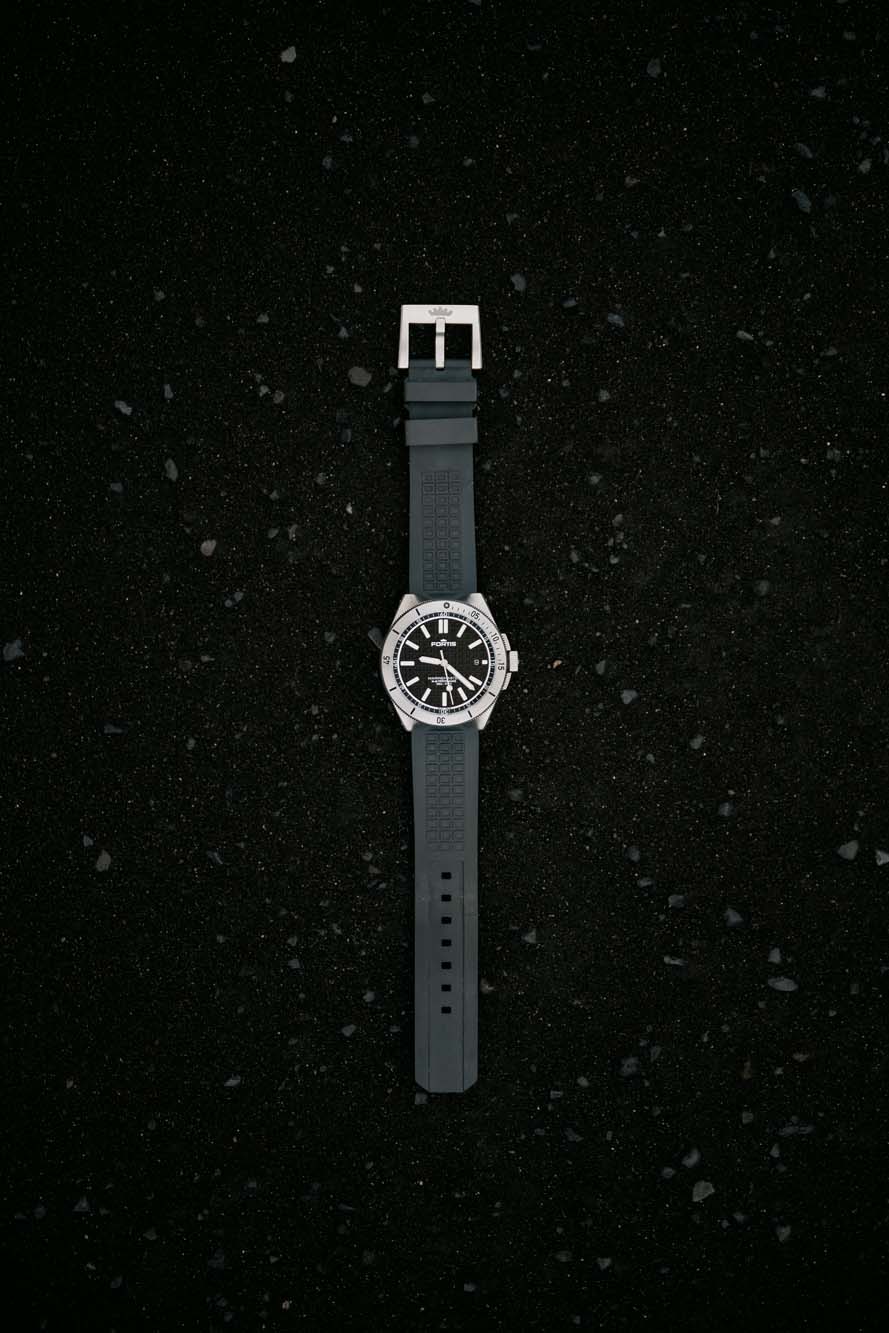
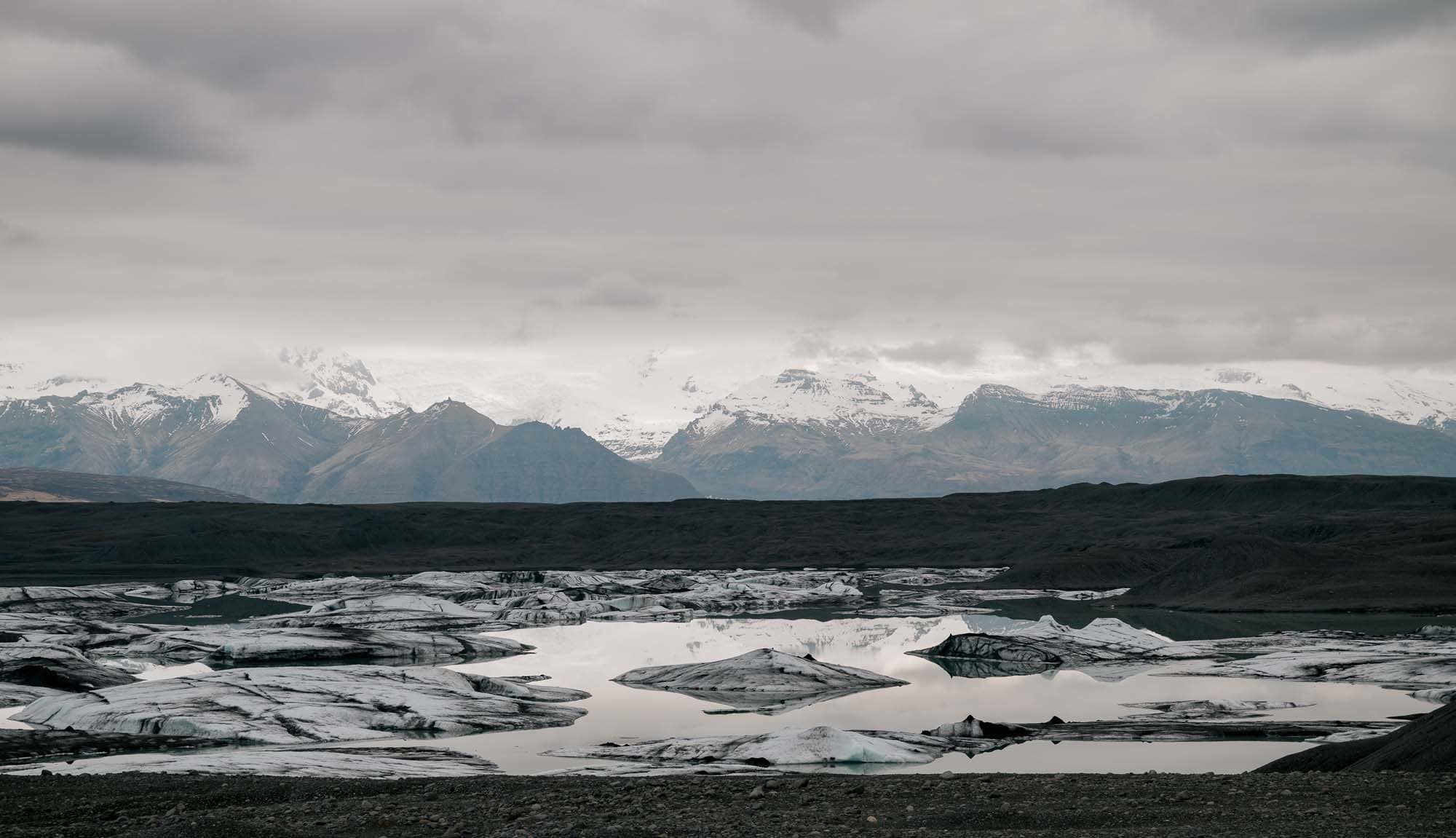
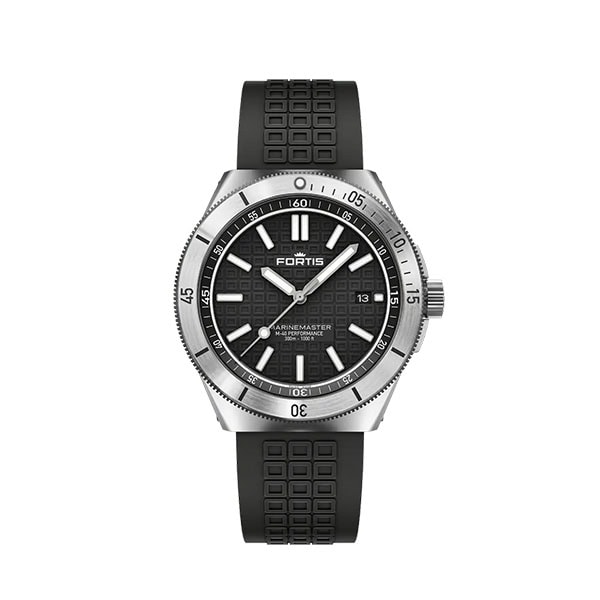
Vatnajökull, Iceland. At 5:00 a.m., somewhere in the heart of Europe’s largest glacier, I peel my hand from the warmth of a down sleeping bag to check my tool watch. The Fortis Marinemaster M-40 ticks relentlessly, a constant in a landscape defined by change. Outside, the silence of fresh snow blankets a frozen world still recovering from the night’s storm.
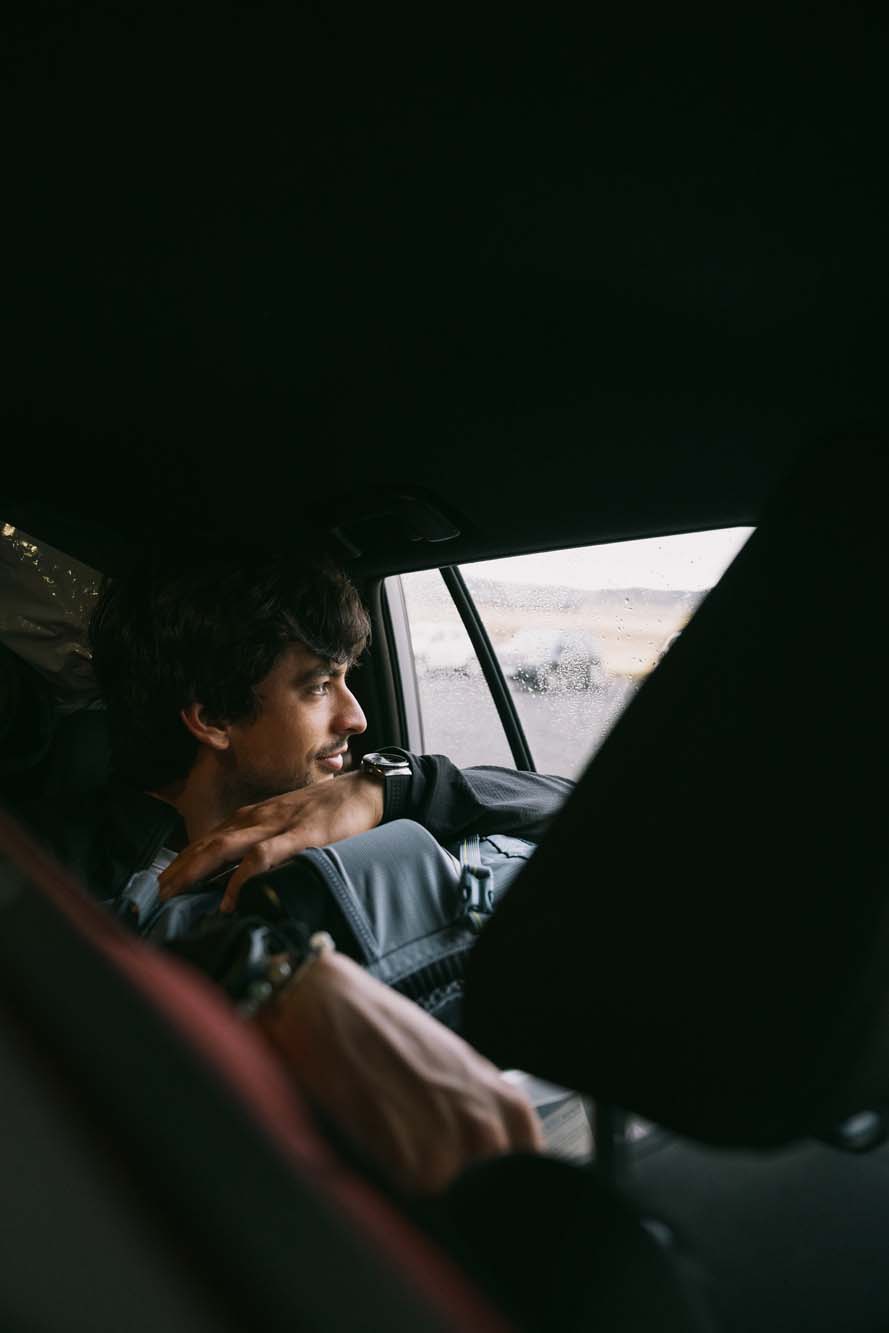
Back home in Hamburg, I struggle to leave bed before 8 a.m. But here, on the Vatnajökull ice cap, my body has aligned itself with the rhythm of survival. We are not tourists. We are scientists, explorers—witnesses to a vanishing frontier. And the Marinemaster M-40 is more than just a timekeeper here; it’s a quiet companion that endures where few things can.
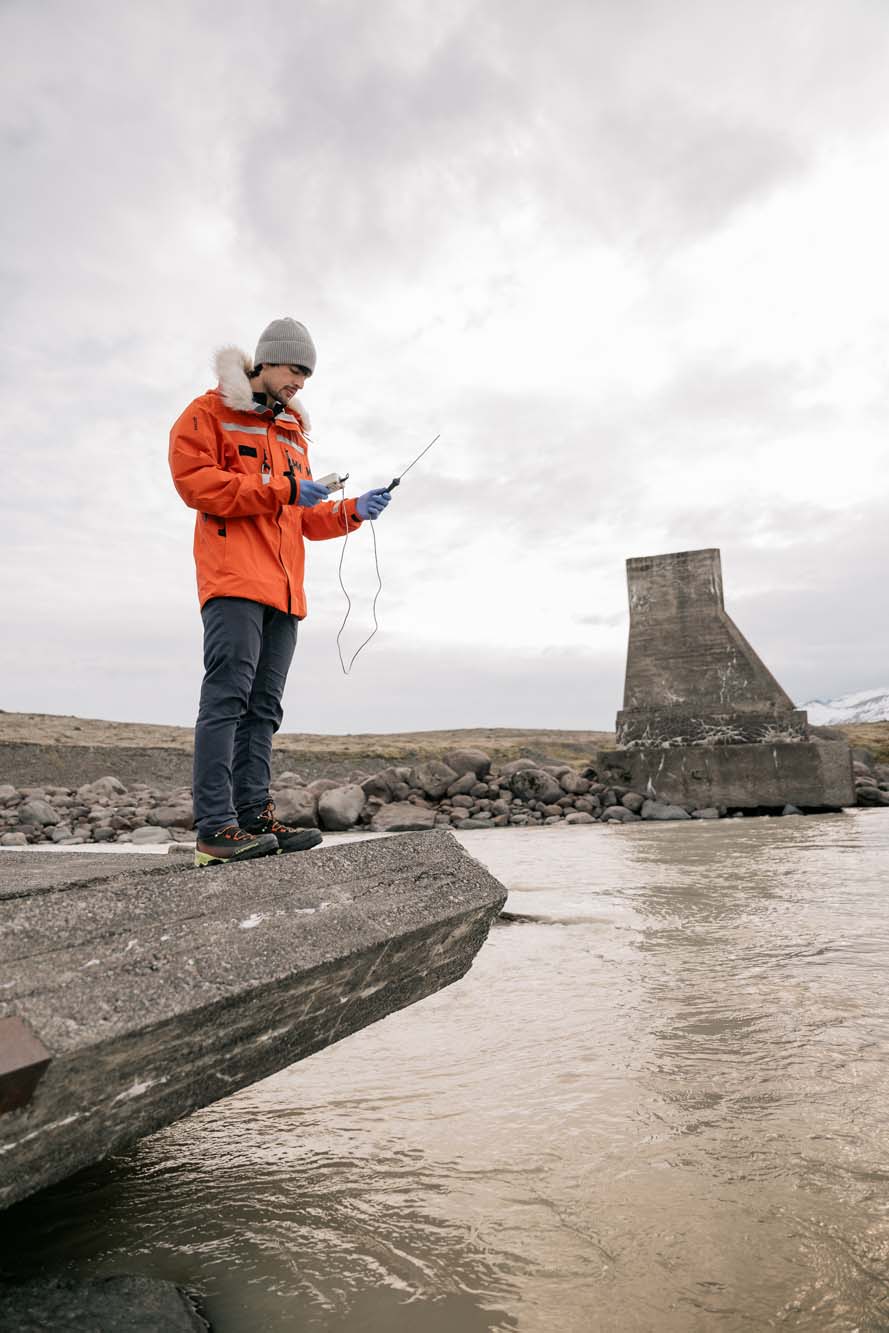
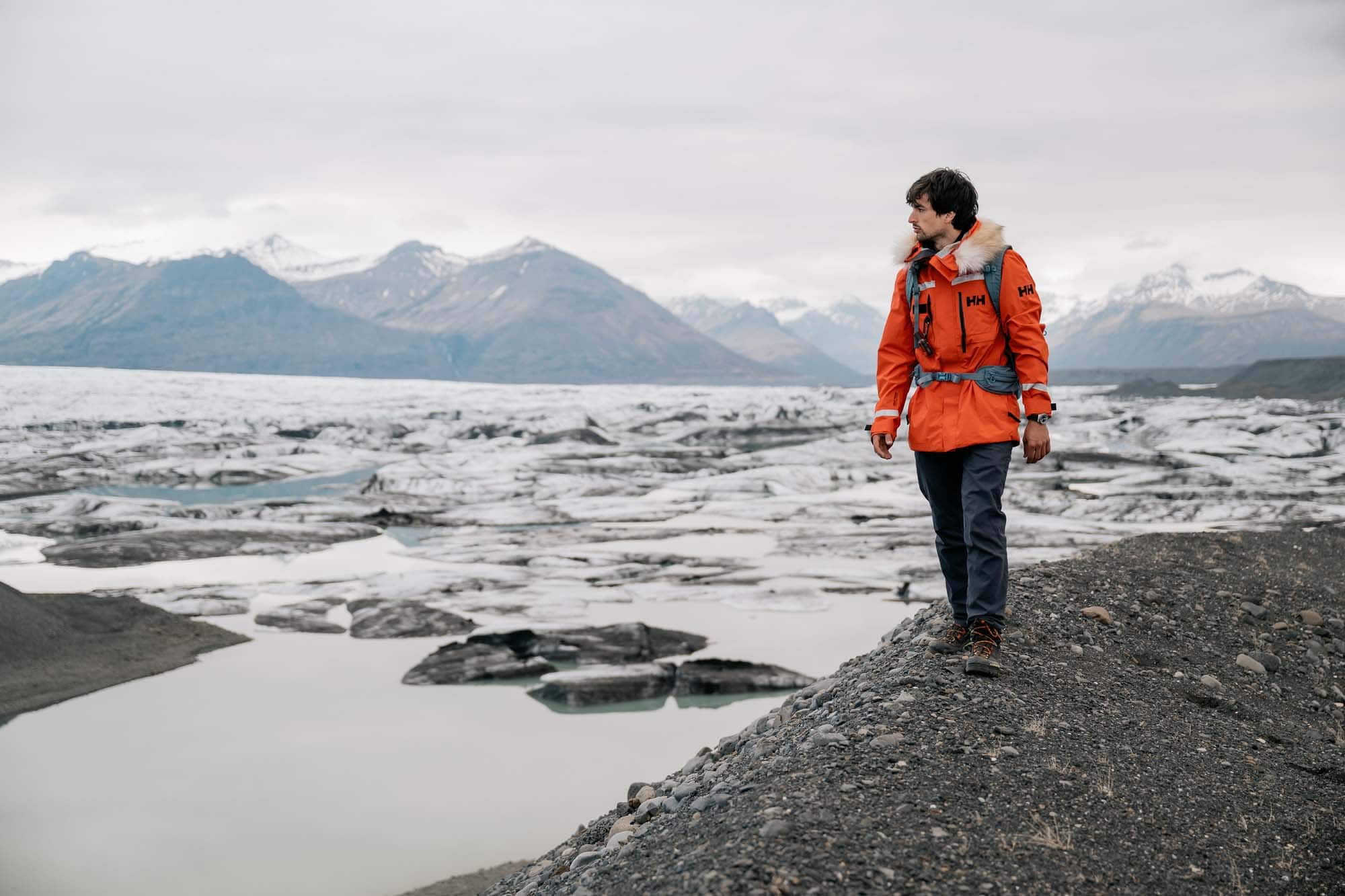
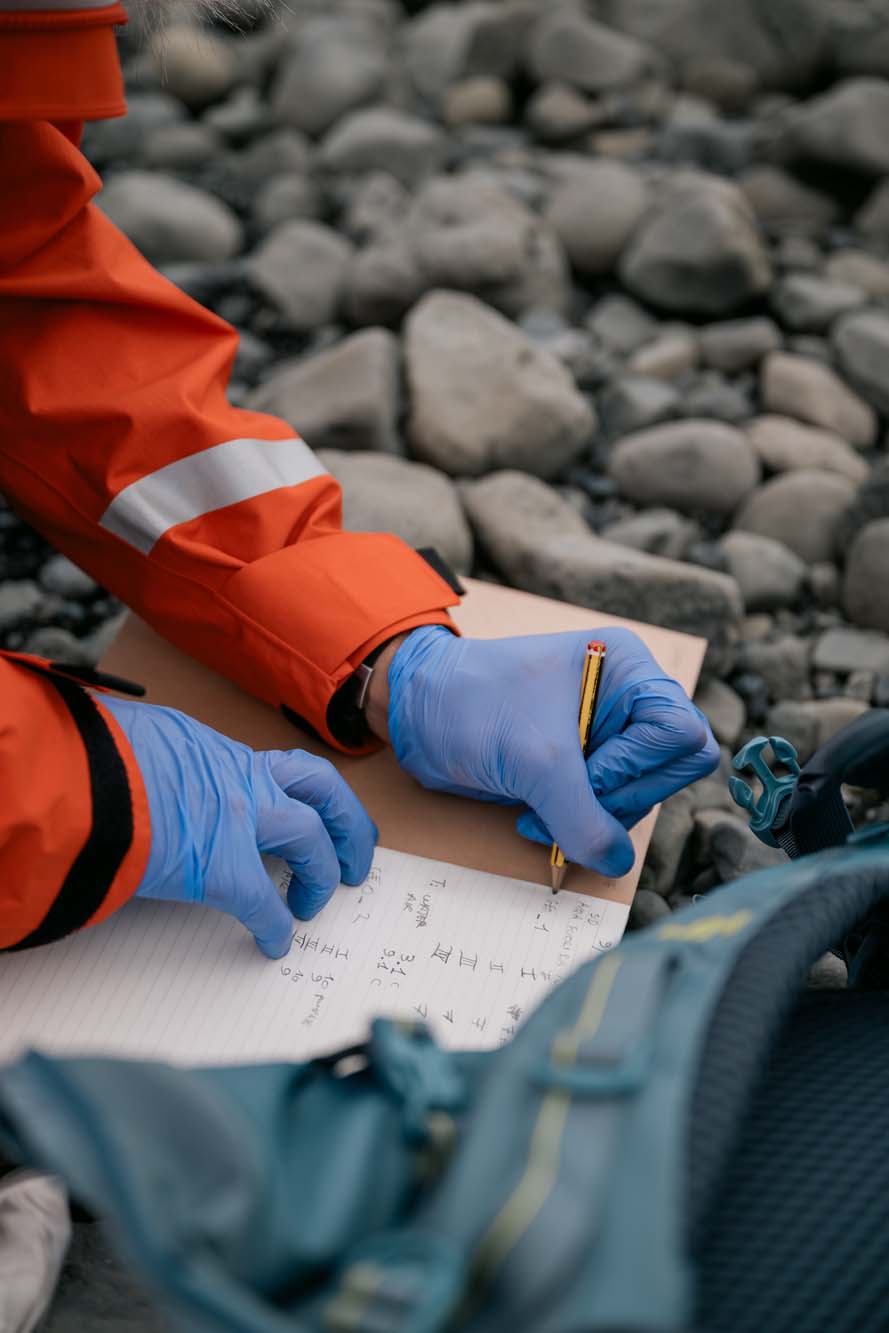
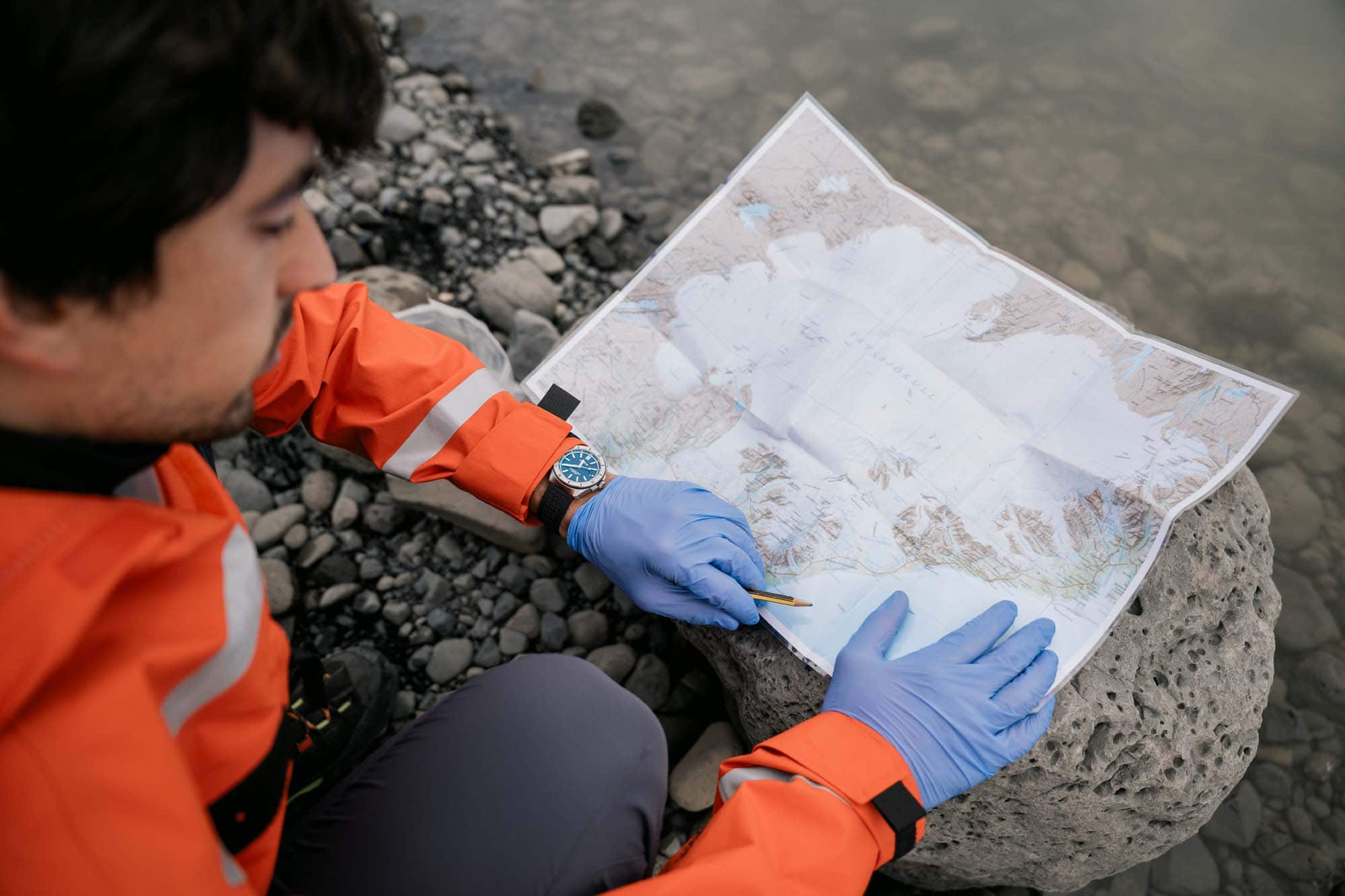
Our small team is led by Jan Rasmussen, an experienced polar guide with whom I crossed Greenland last year, and Tommaso Fusco, a biologist from the University of Naples. Tommaso is here to study microbial life in glacial meltwater, minute organisms that may hold clues to the past, and perhaps the future, of our planet. I’ve joined to document the mission: an expedition where adventure and science blur together under an indifferent sky.
Even before setting foot on the glacier, our work began. We hiked for miles off-road, filtering meltwater from remote glacial lakes, each drop a fragile archive of microbial life. Tommaso hopes to compare these modern samples with old data. Are bacterial cultures dying out as the climate changes? Are they mutating? Are new forms emerging? This research may help us understand how life adapts, or fails to, in extreme conditions.
But the glacier does not give up its secrets easily.
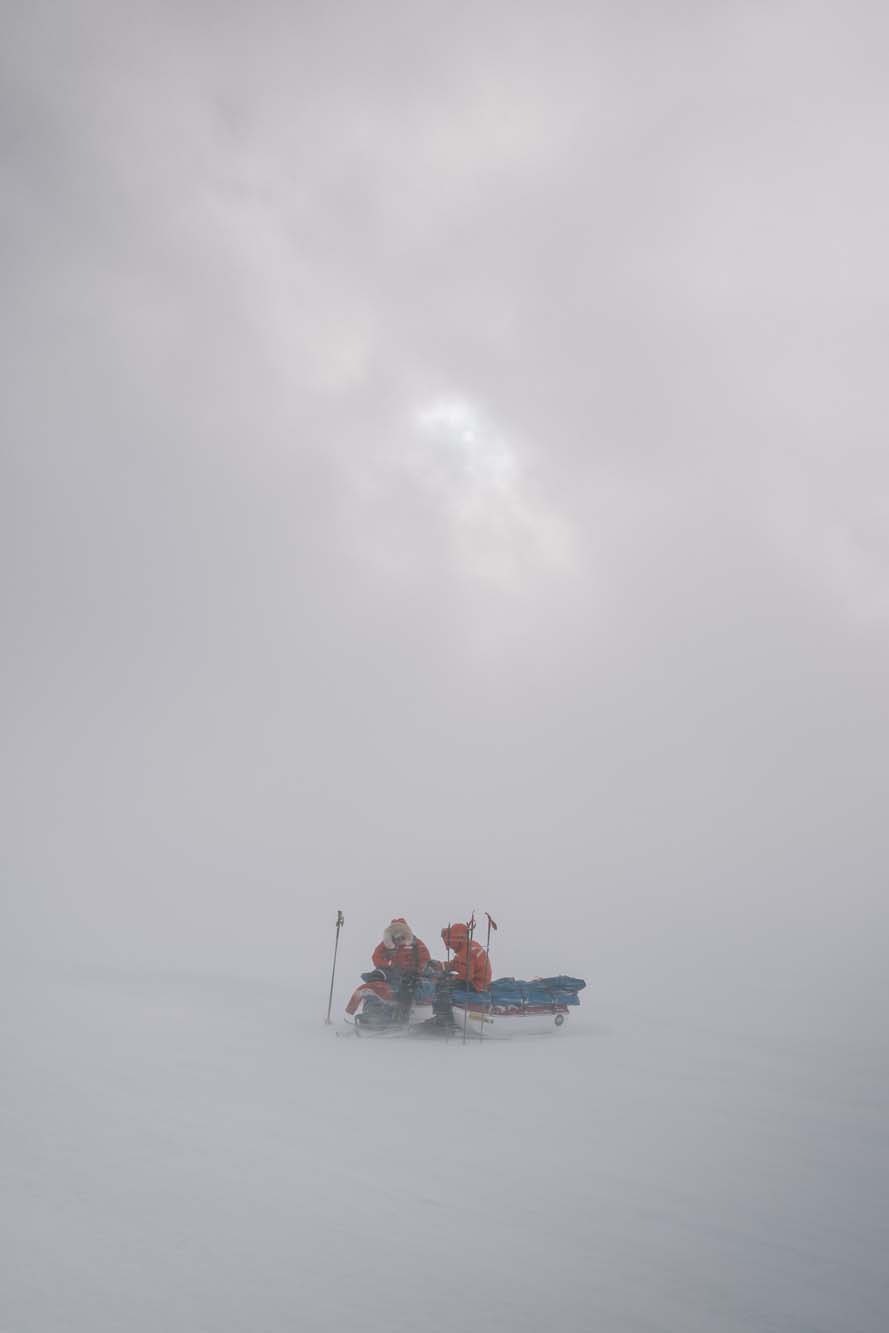
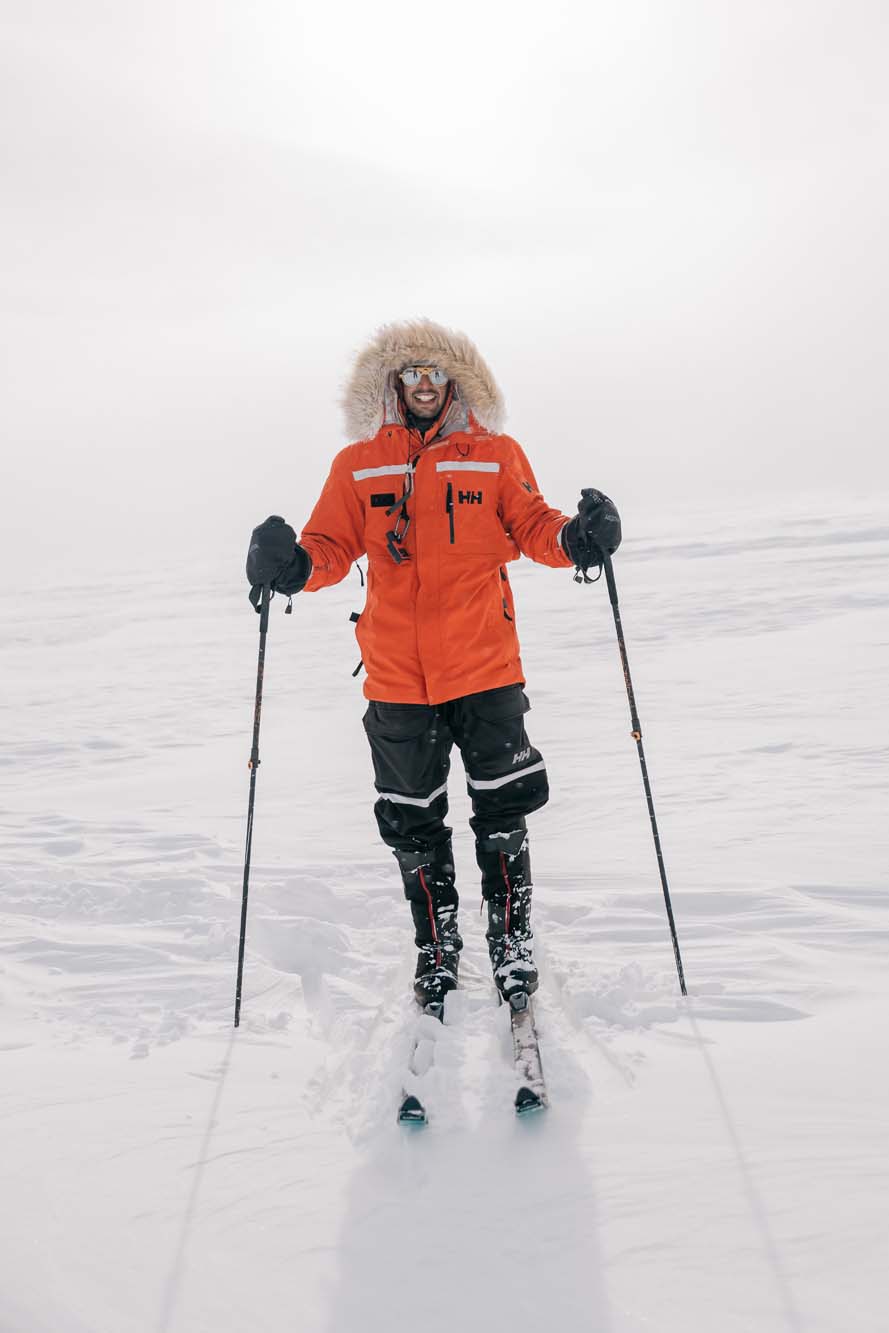
Yesterday, a snowstorm pinned us down. Our Superjeep driver, who dropped us at the ice edge days ago, left us with a warning: “Remember guys, the weather here is… let’s say, flexible.” He wasn’t wrong. Since day one, our expedition has shifted between dead calm and brutal winds.
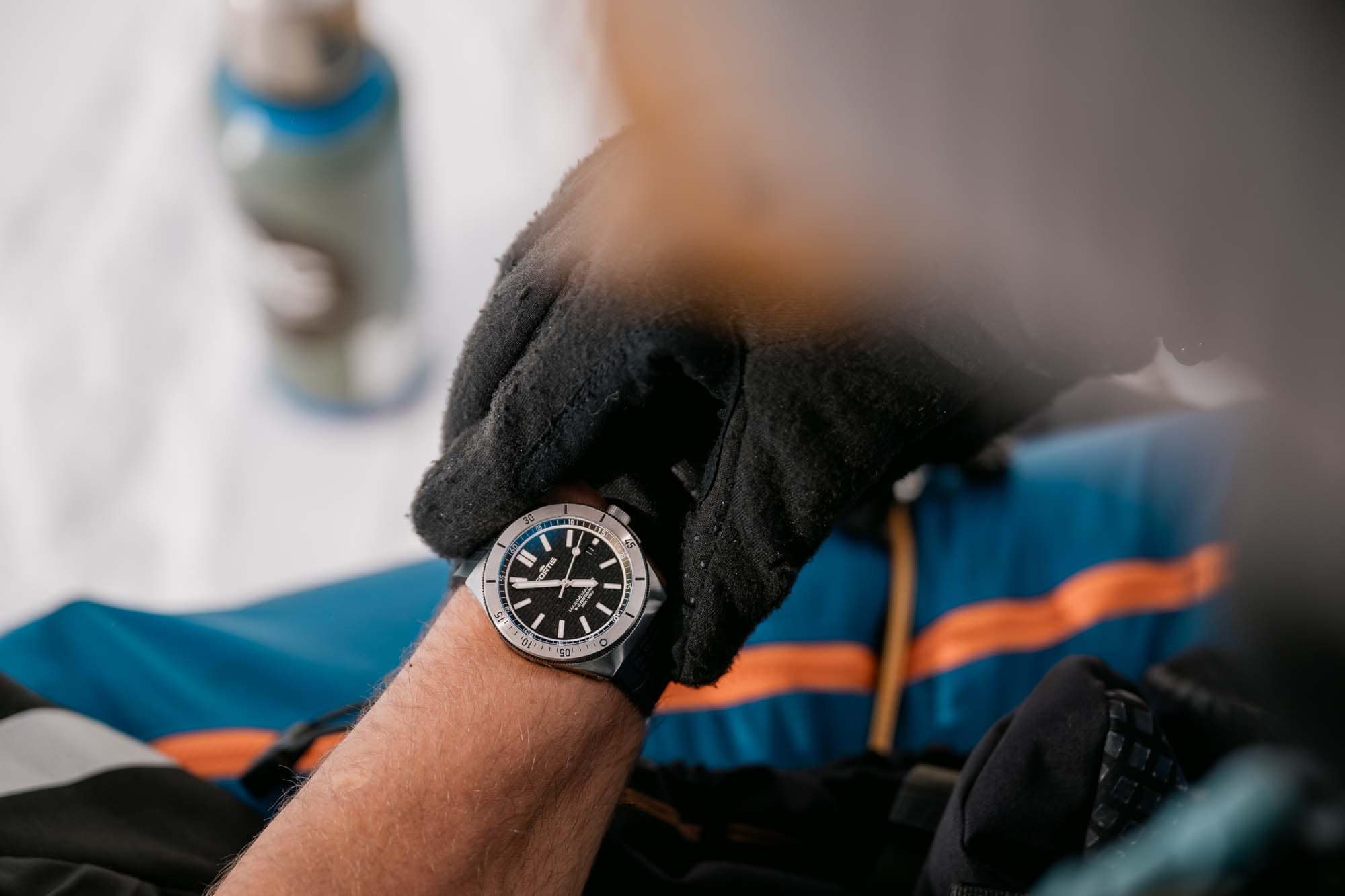
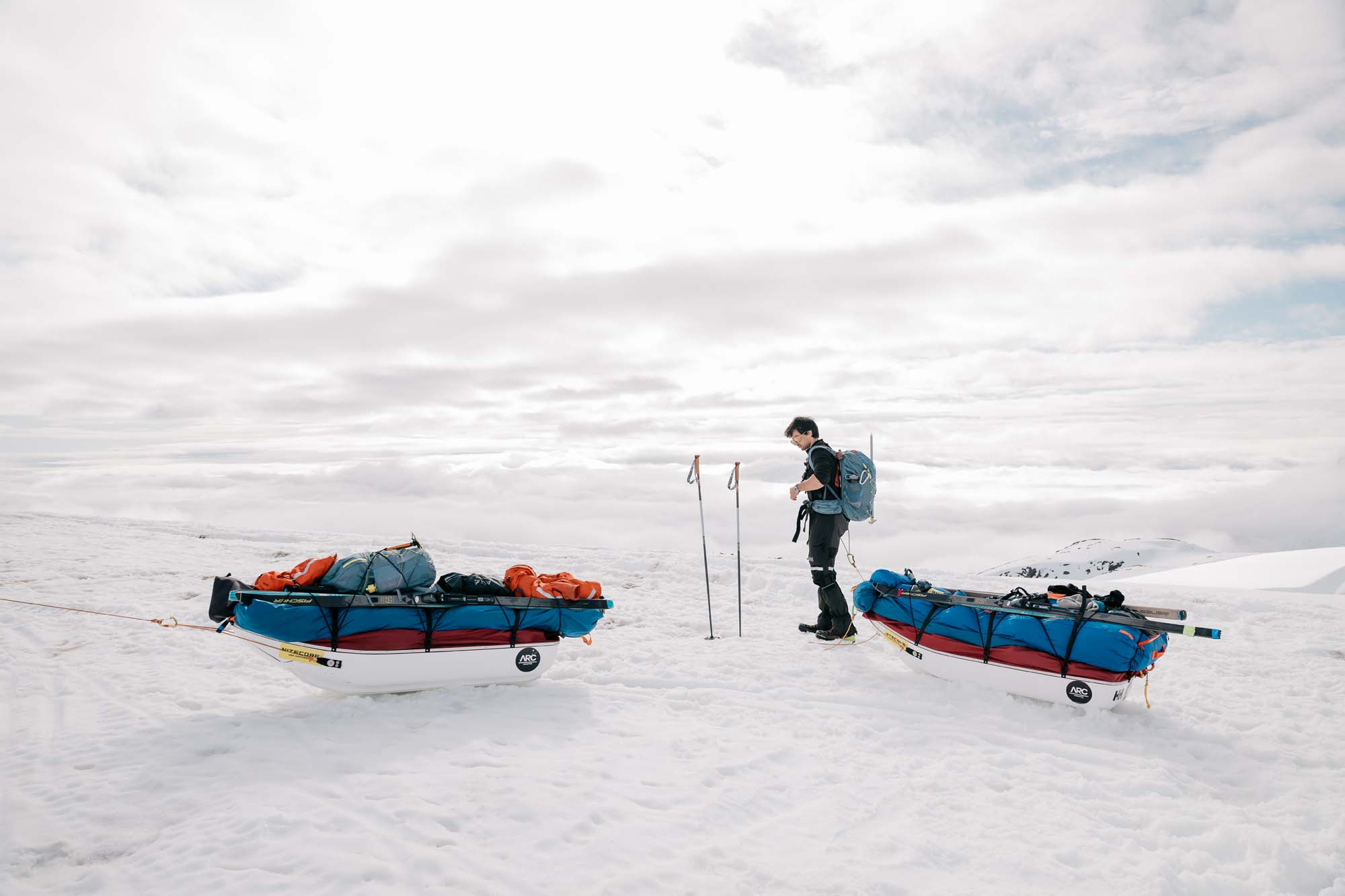
Today, the storm has eased—but left more than a meter of fresh snow in its wake. Ten kilometers ahead lies a thermal spring, one of our target sites. We harness up, dragging two sleds, each weighing over 50 kilograms, across the endless white. The load includes a tent, food, fuel, sampling gear, and my essentials: camera, field notes, and my Fortis Marinemaster M-40, which has become a trusted field tool—its luminous dial cutting through the dim light like a flare in a snow squall.
But after only a few hundred meters, the snow proves too deep, too soft. Progress is impossible.
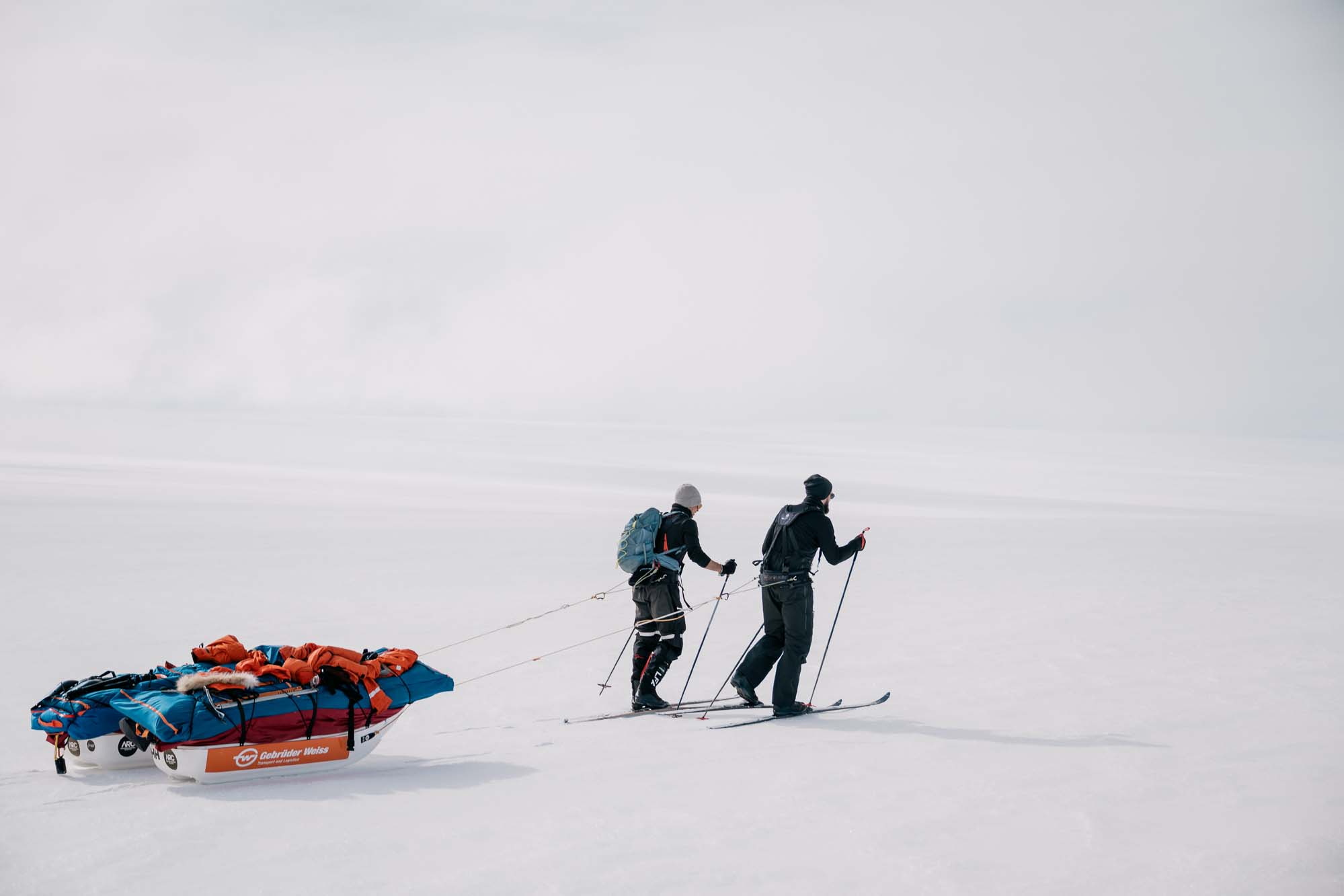
We regroup. The thermal spring must wait. Our new target—a subglacial lake beneath the Grímsvötn volcano—we’ll need to pivot southwest, another full glacier crossing ahead.
We adjust, recalibrate, and march on.
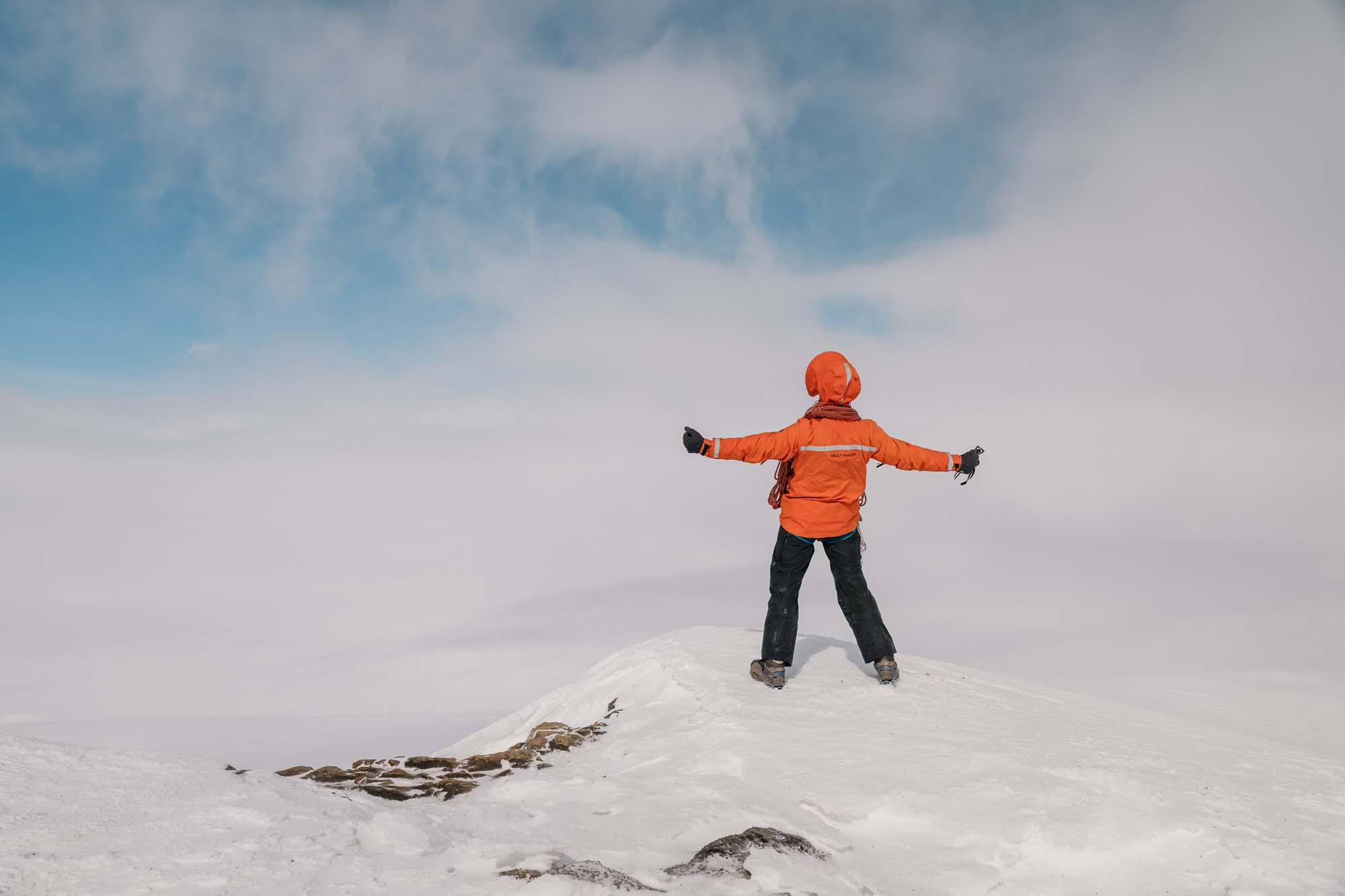
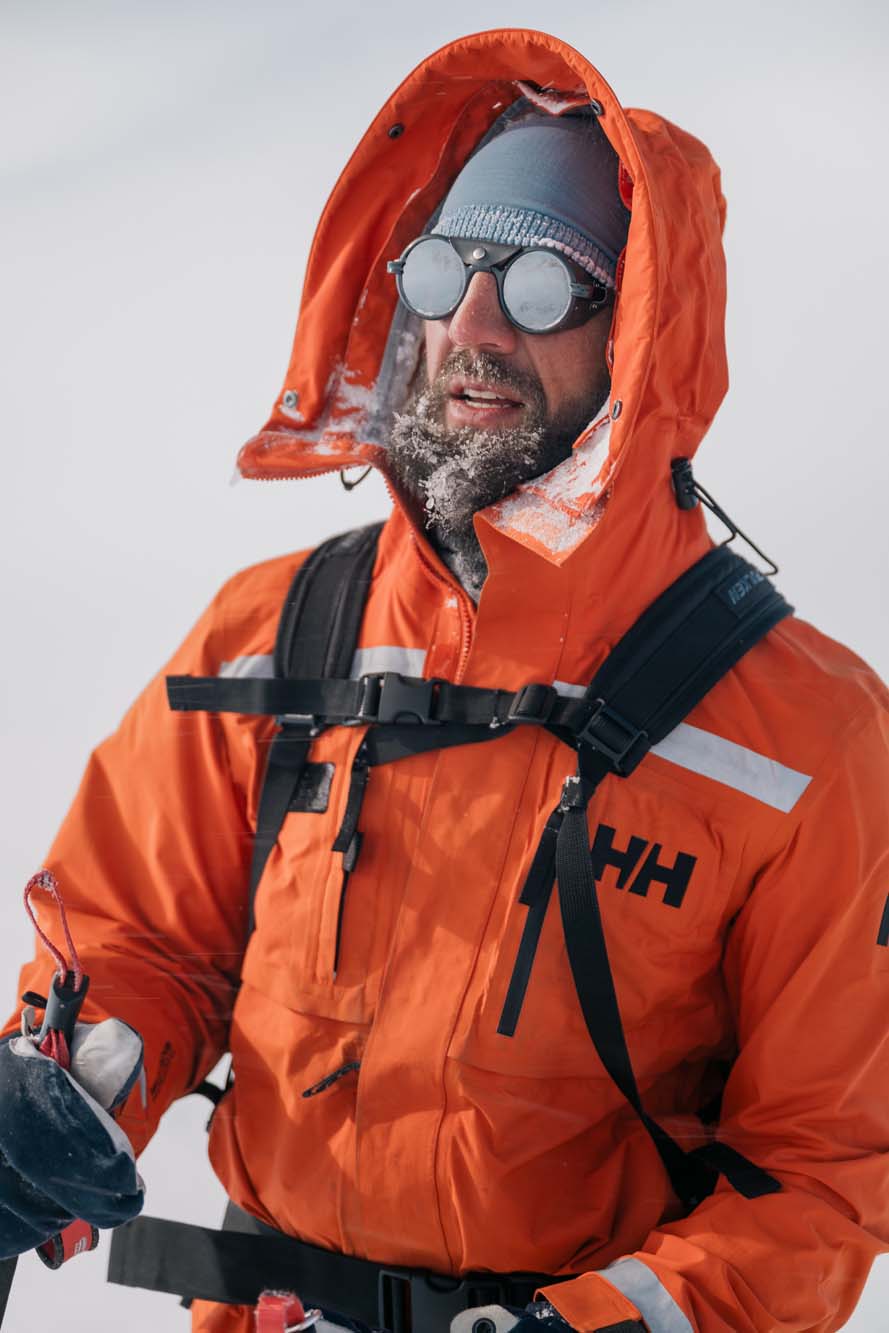
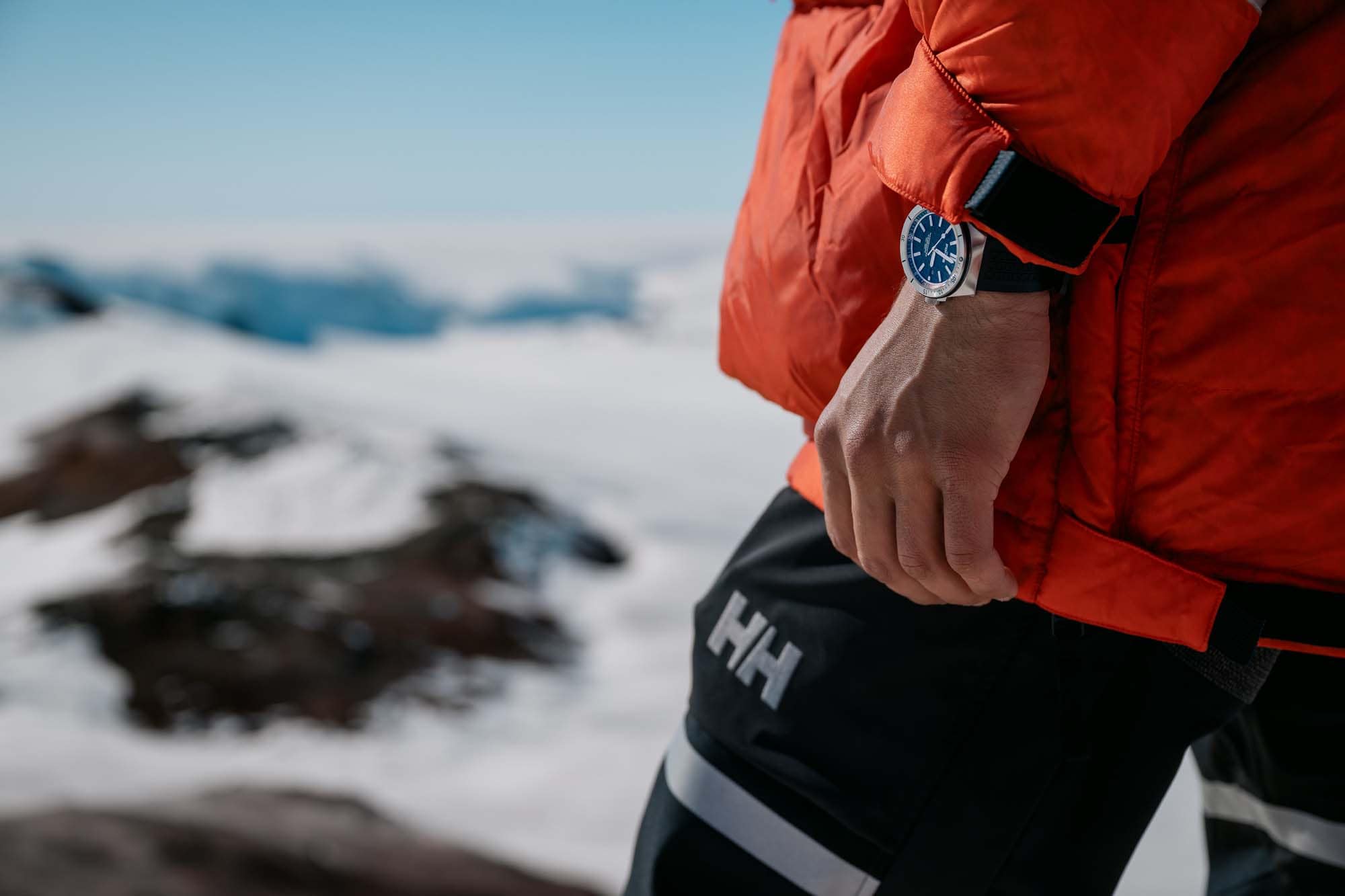
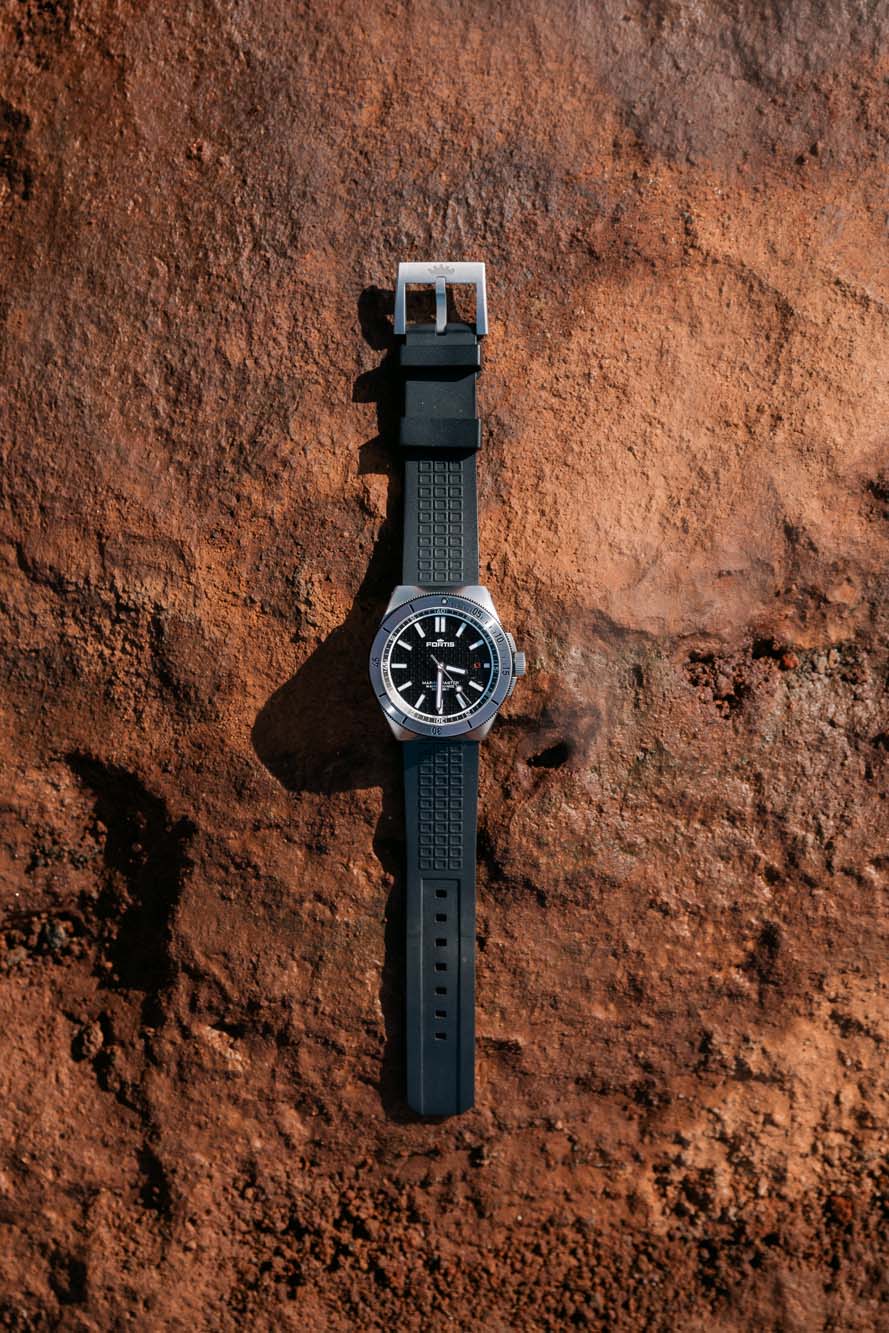
For endless hours, we haul ourselves across the snow desert. The wind returns, biting and persistent. Every ten minutes we rotate positions—sled pullers, navigator, support. As the lead, I surge with purpose, plotting new lines on the map, imagining future expeditions. Then, in the next rotation, reality hits: dragging the sled is an exercise in exhaustion. My Merino base layer clings, soaked in sweat. I glance at my Marinemaster. The brushed steel case is iced over, but the second hand sweeps on unfazed, a visual echo of our own resolve. Two minutes until the next switch. I grit my teeth. Endure.
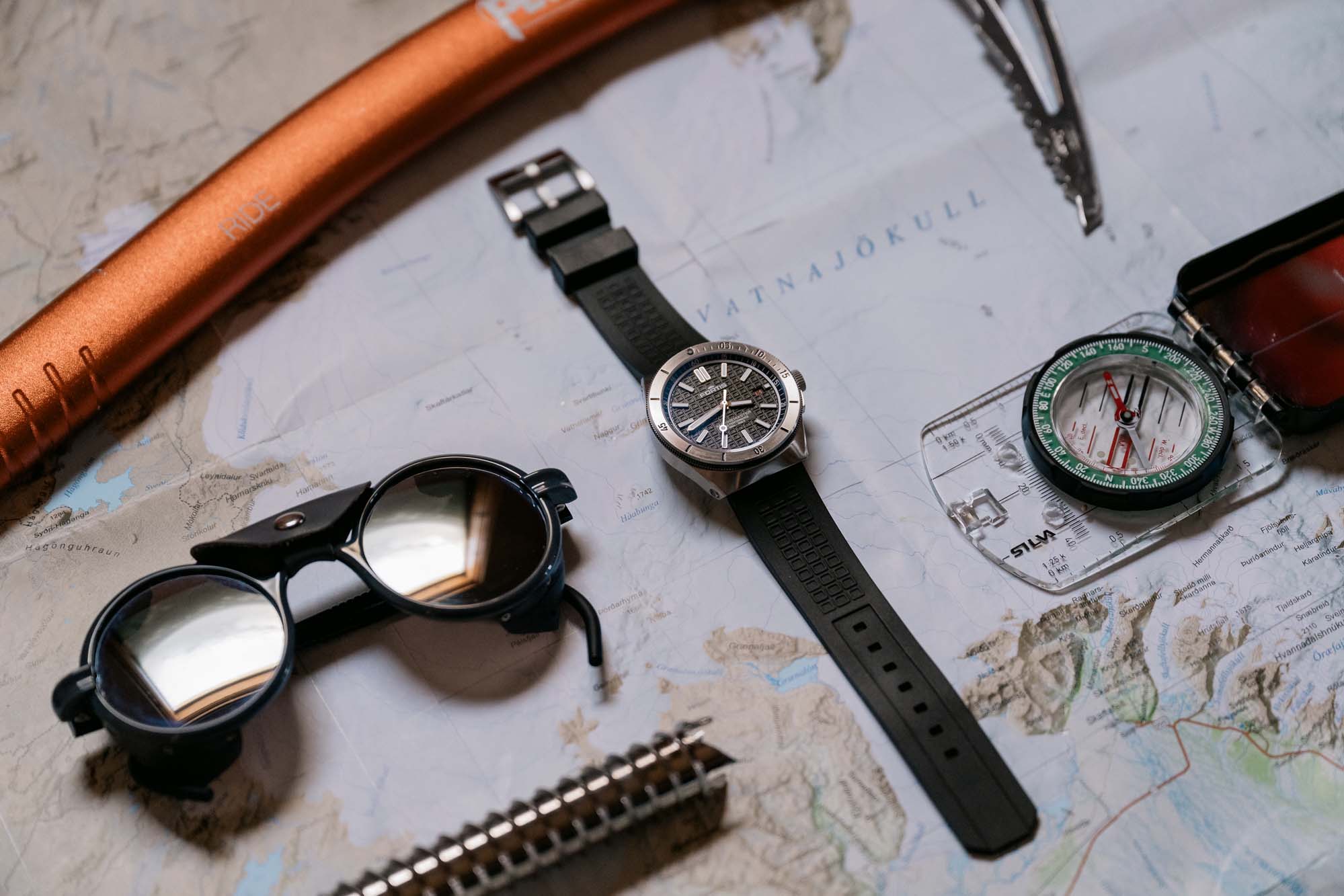
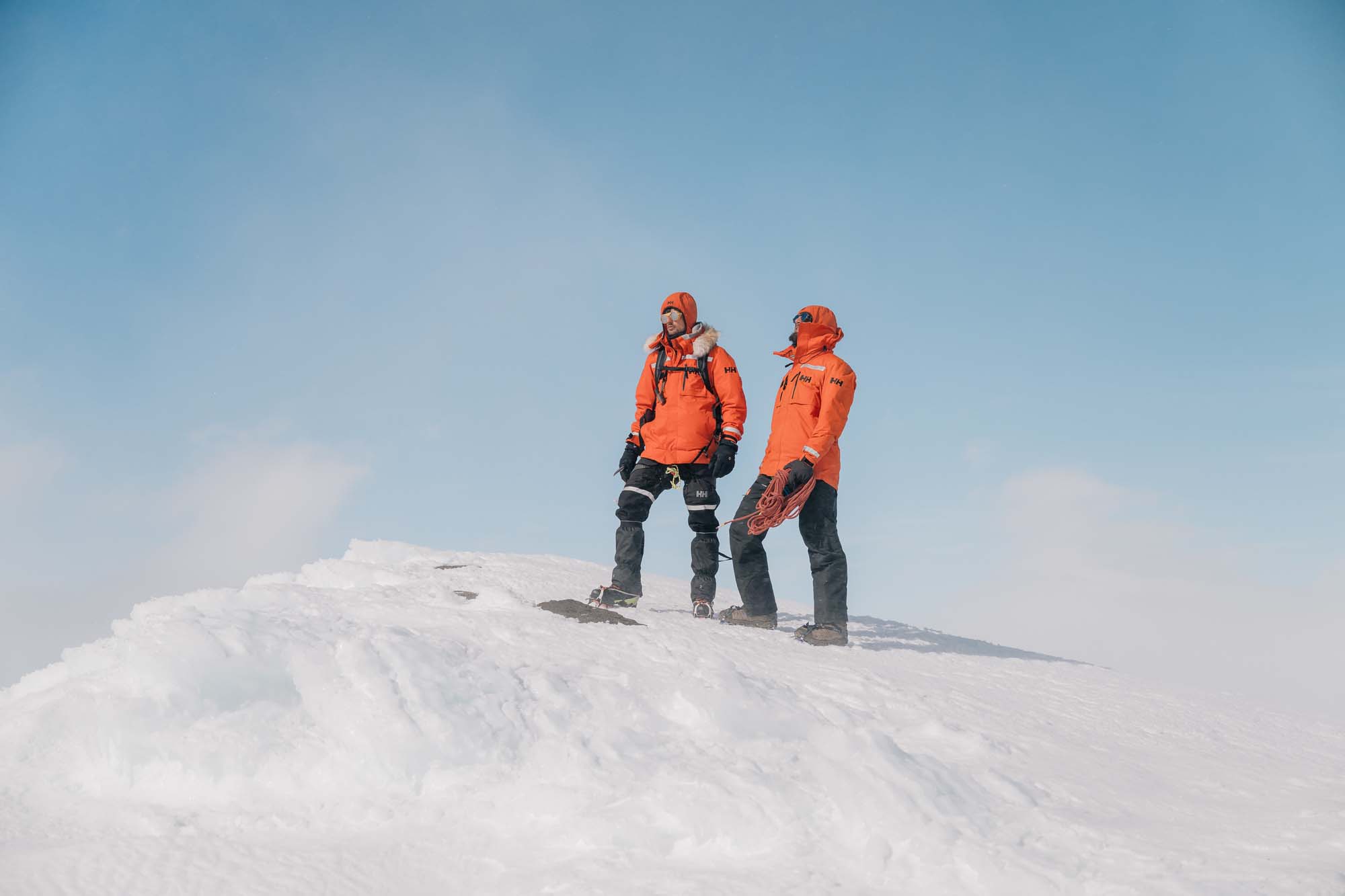
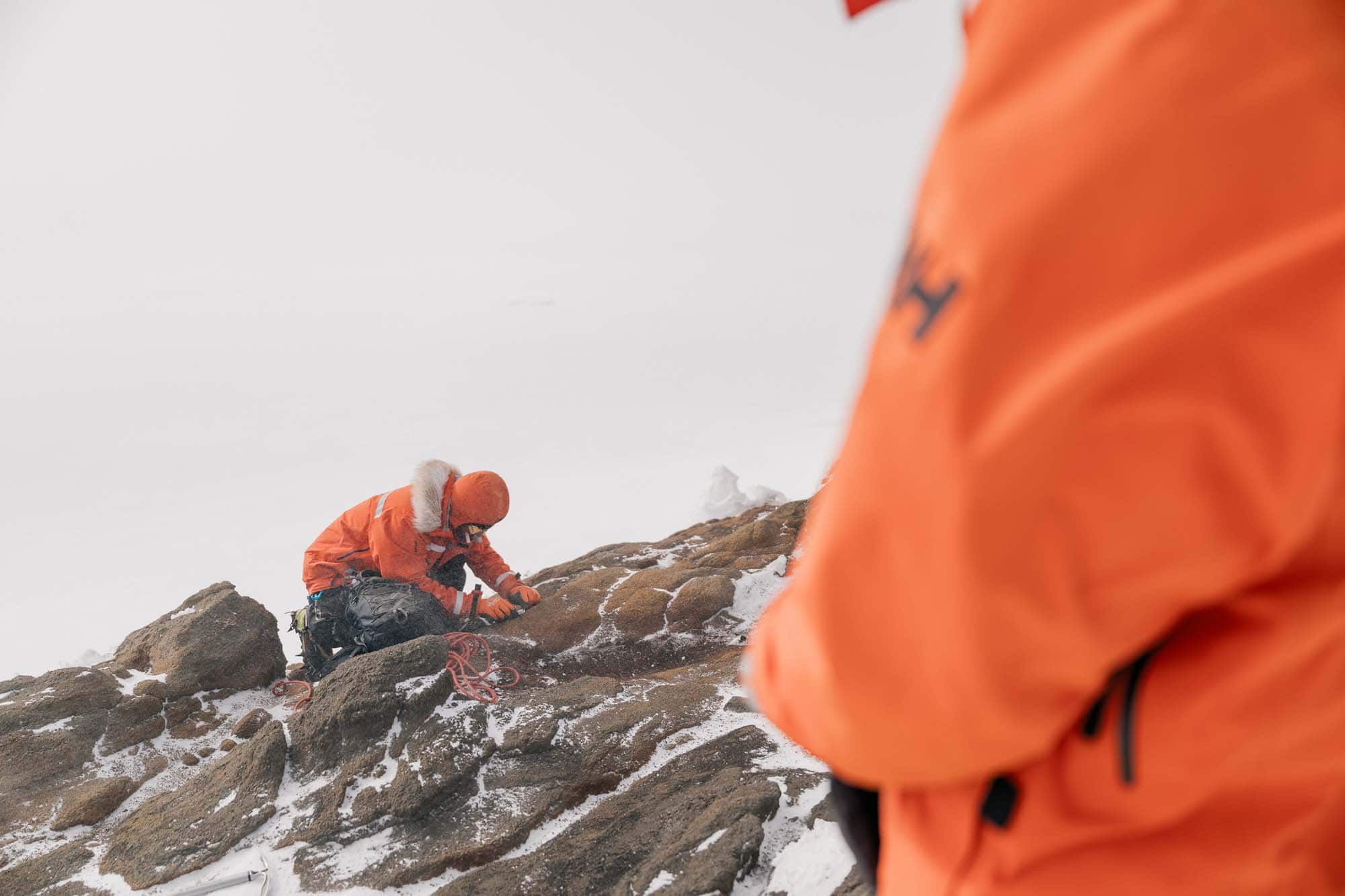
Our final destination, Grímsvötn’s crater, looms near. Beneath its frozen caldera lies a subglacial lake—an alien environment rarely studied. Tommaso hopes to extract ice data that could reveal microbial life adapted to extreme cold and pressure. Perhaps even unknown species. It is the raw frontier of biology.
But the closer we get, the more brutal the glacier becomes.
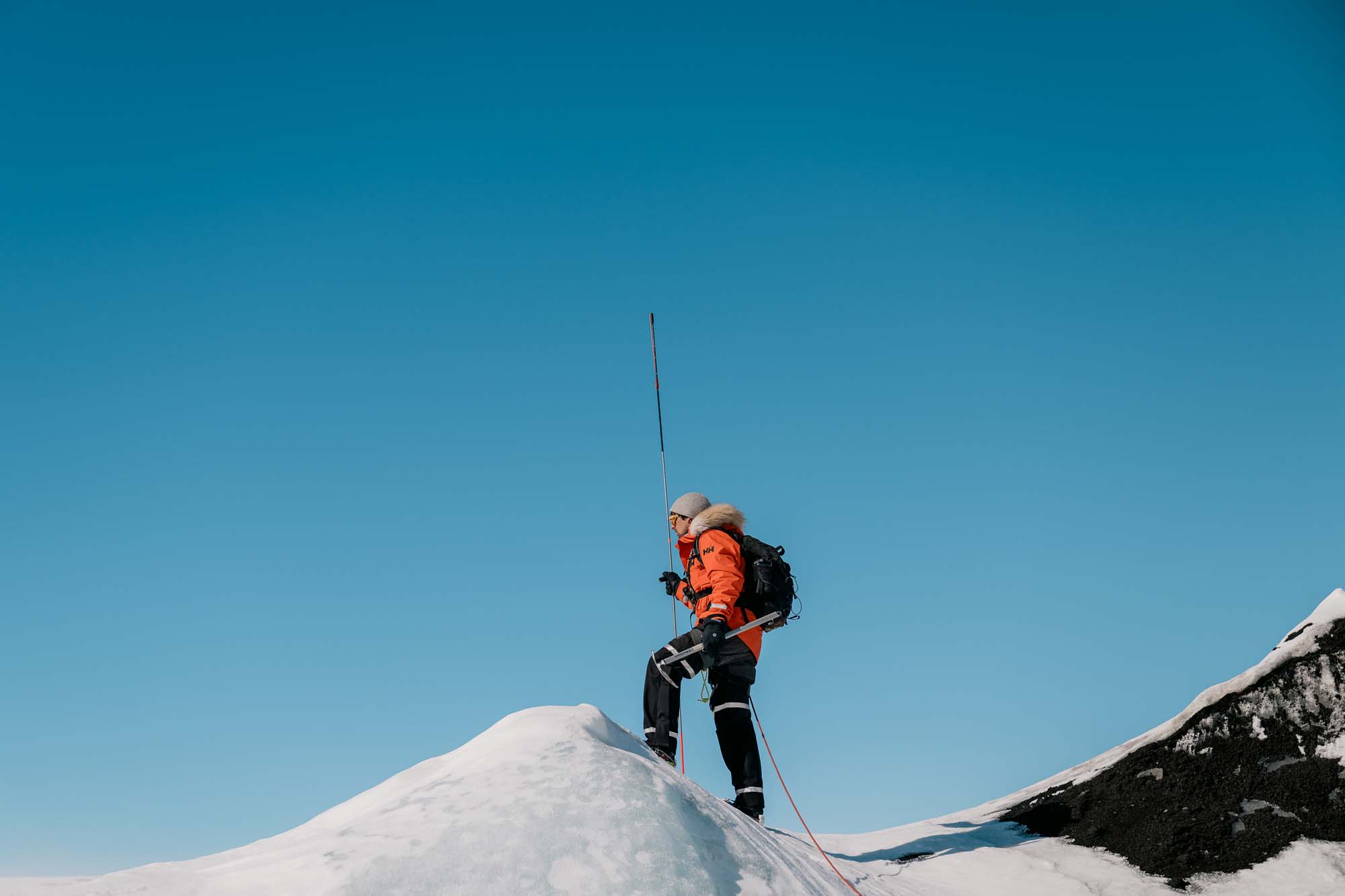
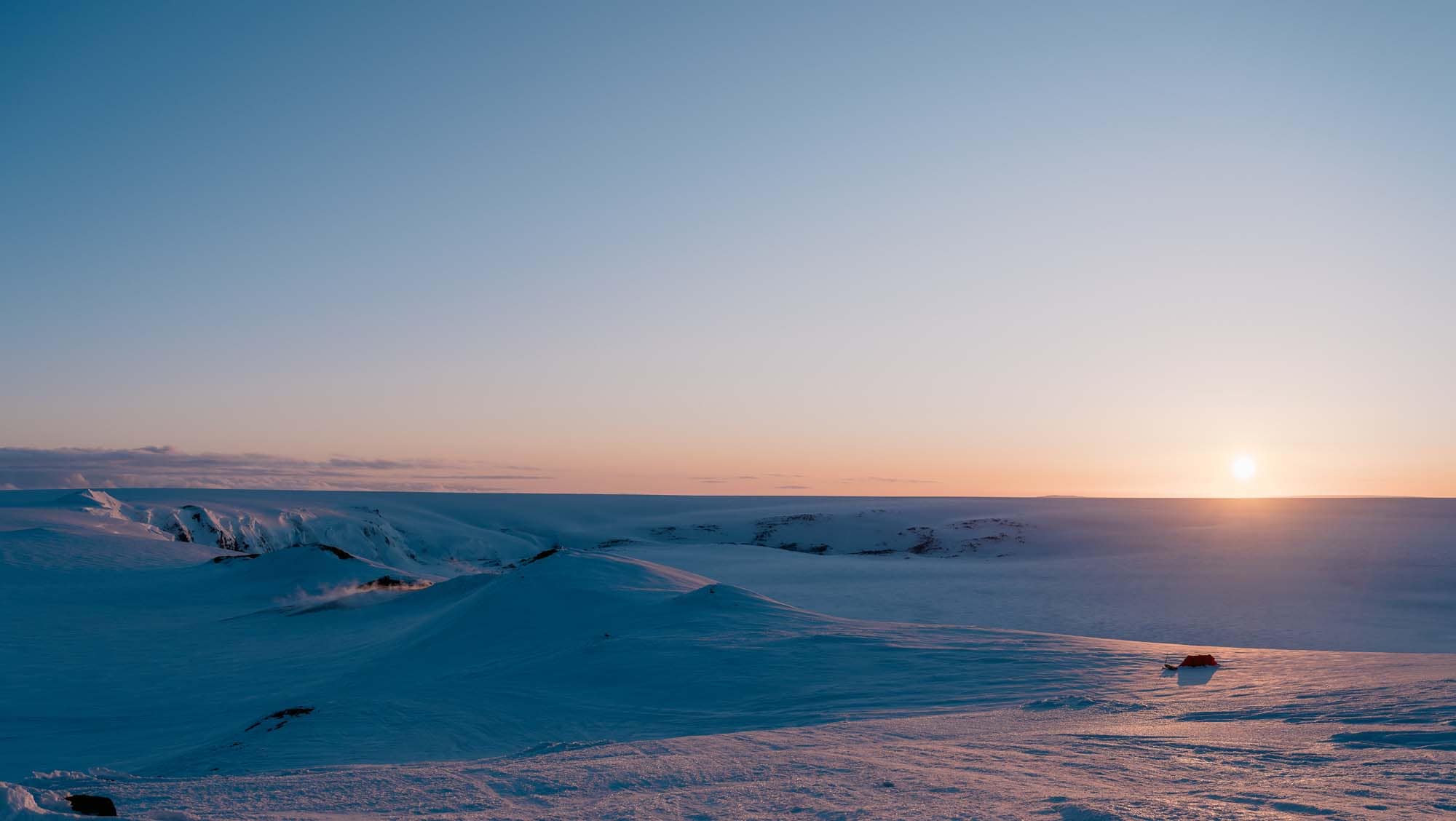
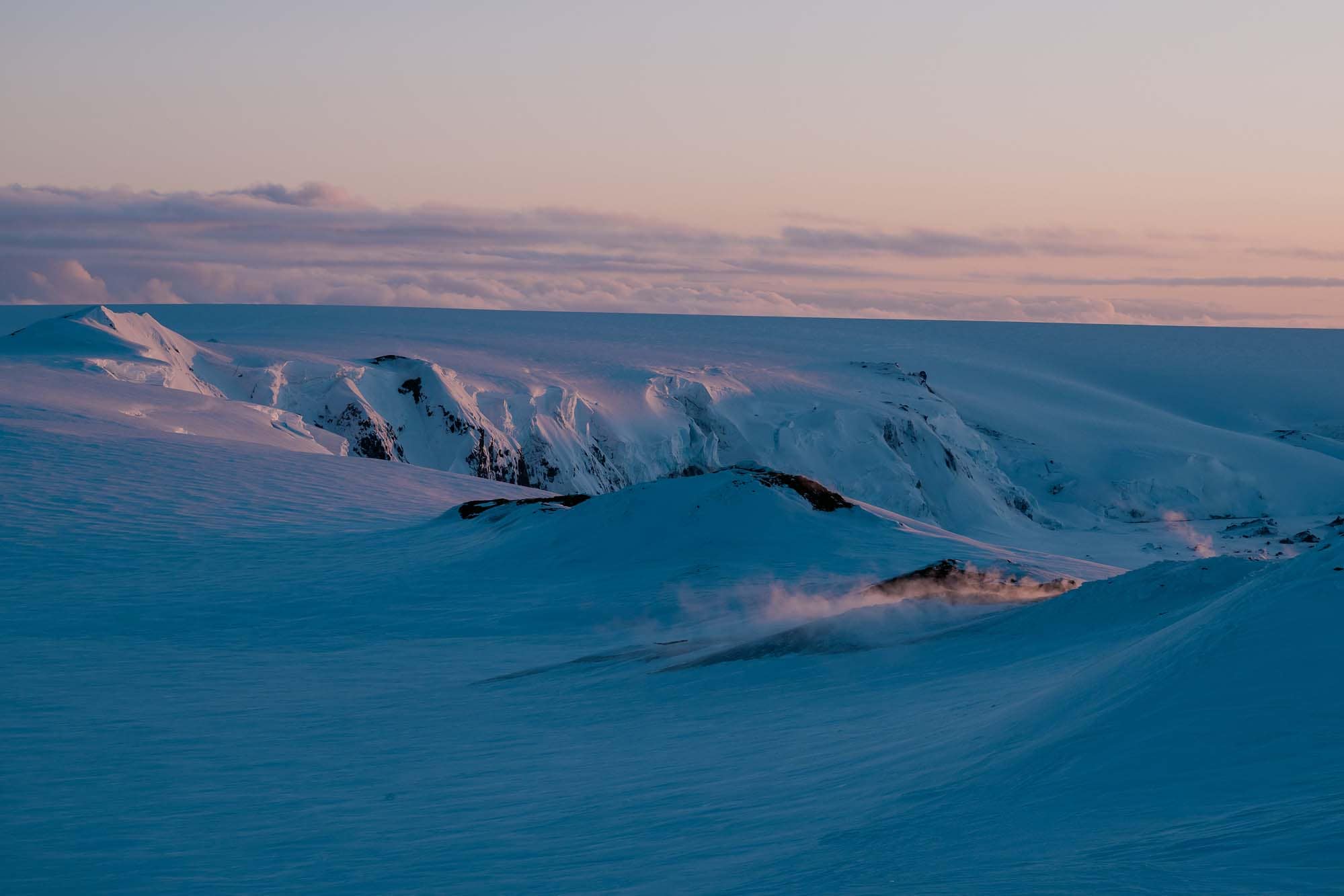
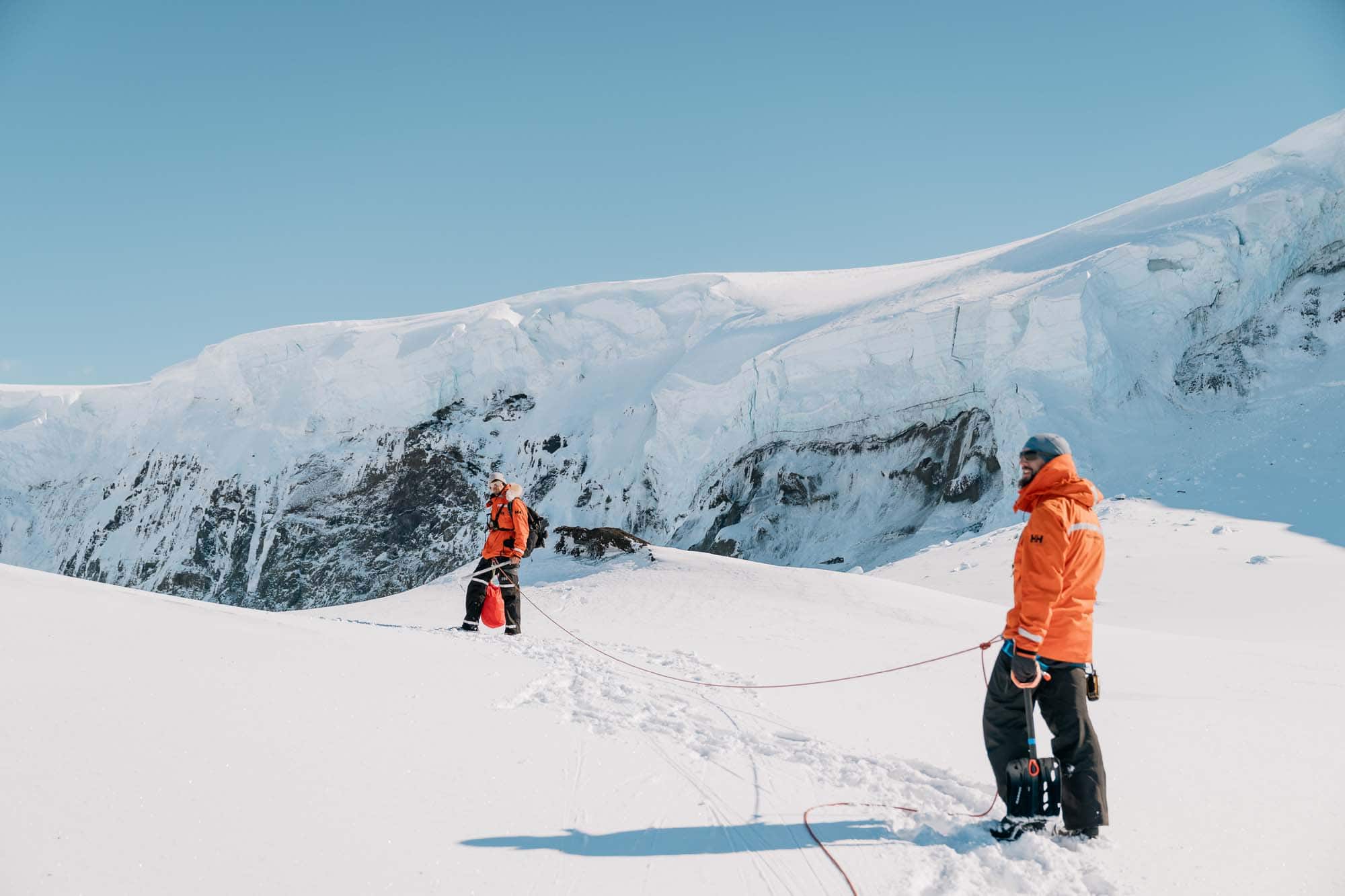
The wind howls as we ascend the final 200 meters in elevation. Gusts overturn our sleds. Our progress slows to a crawl. Two shelters dot the crater rim—spartan wooden huts built for storms like this—and we fantasize about warm food, dry socks, maybe even a celebratory beer. But the mountain isn’t done with us yet.
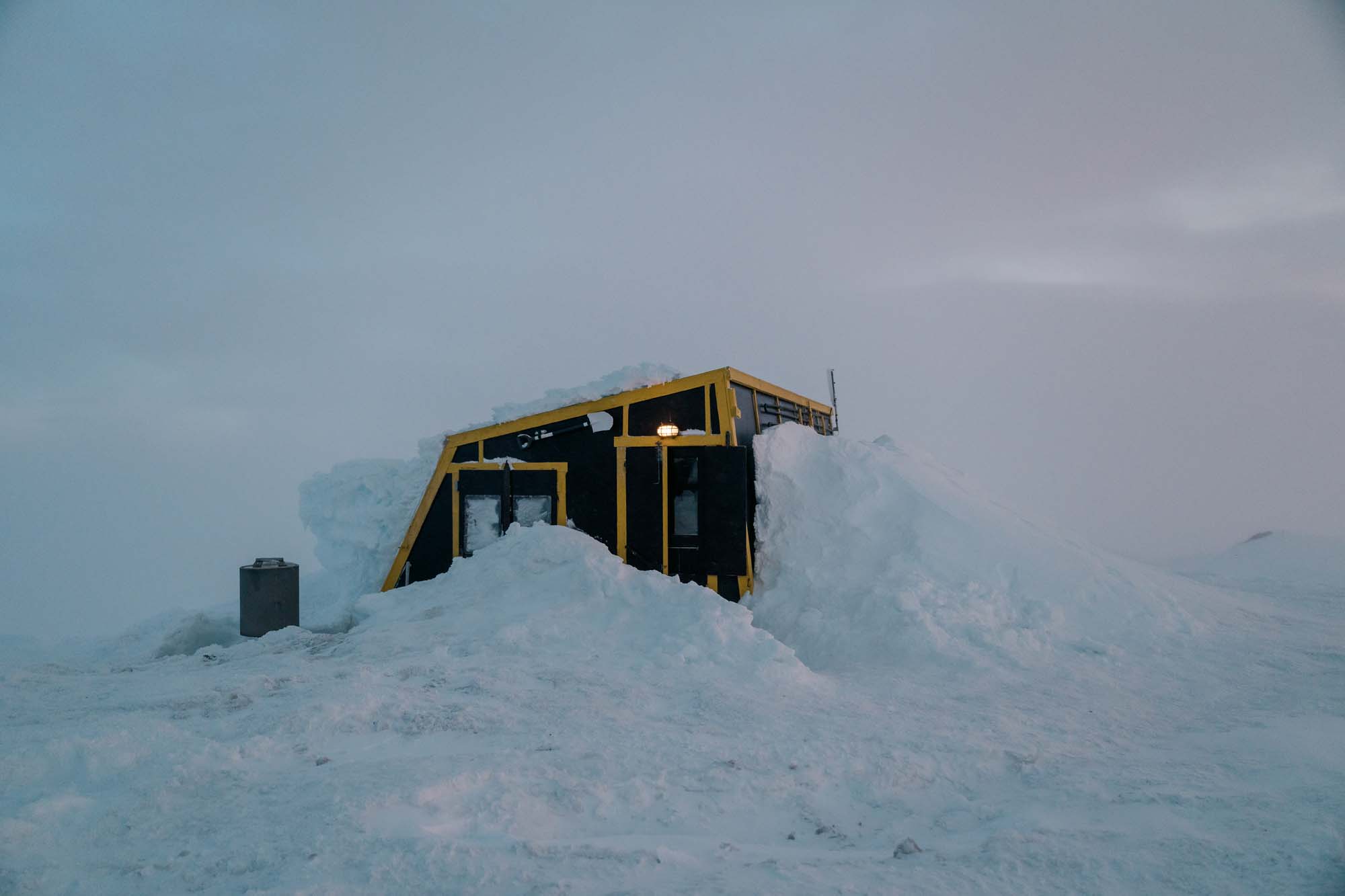
I have to anchor myself to the ice with an axe to keep from being blown away. One of my skis is ripped off in the chaos, disappearing into the white void, a problem for later. Still strapped to my wrist, the Fortis Marinemaster M-40 holds steady, its case and sapphire crystal weathering the punishment without complaint. It’s not just surviving out here, it’s thriving.
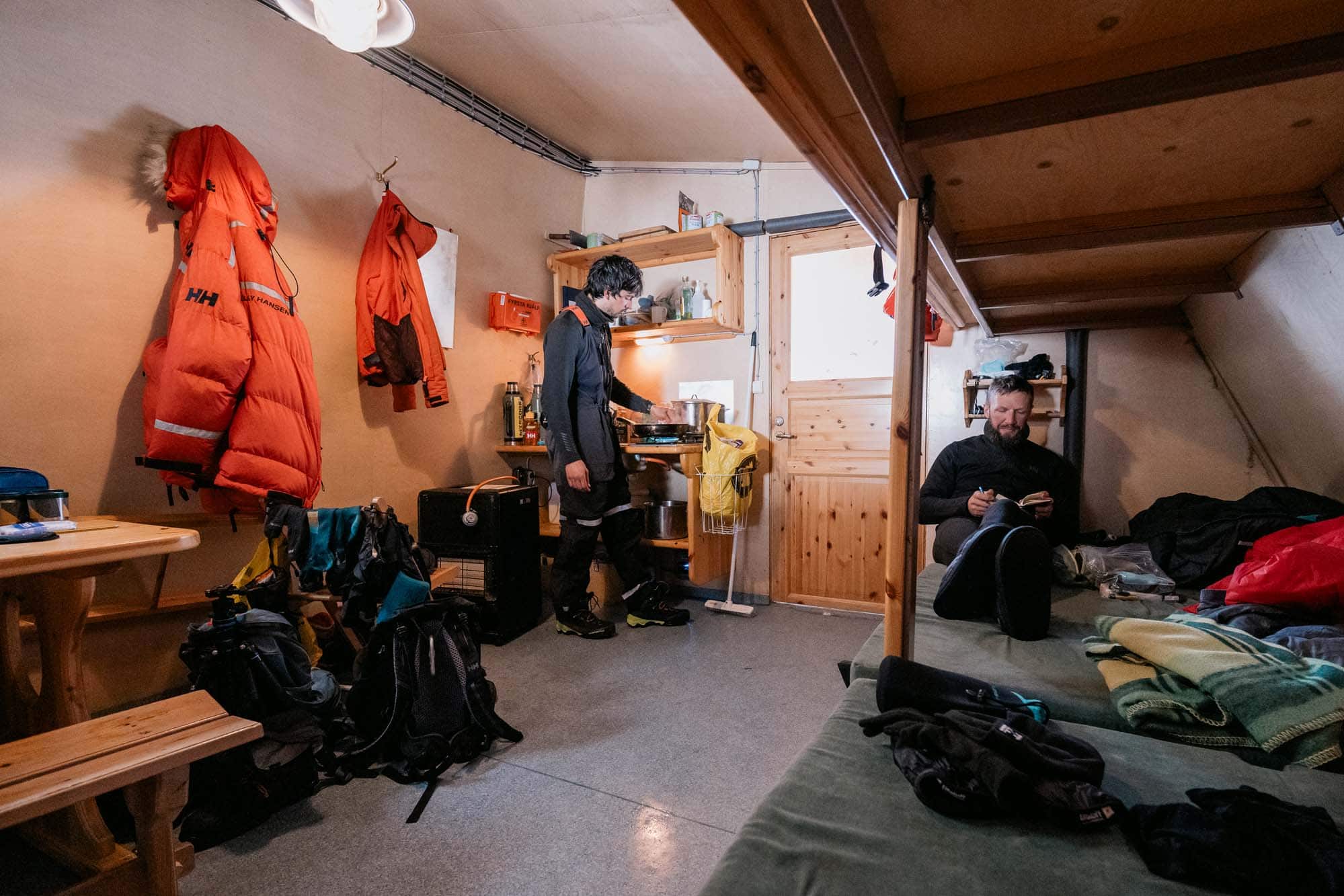
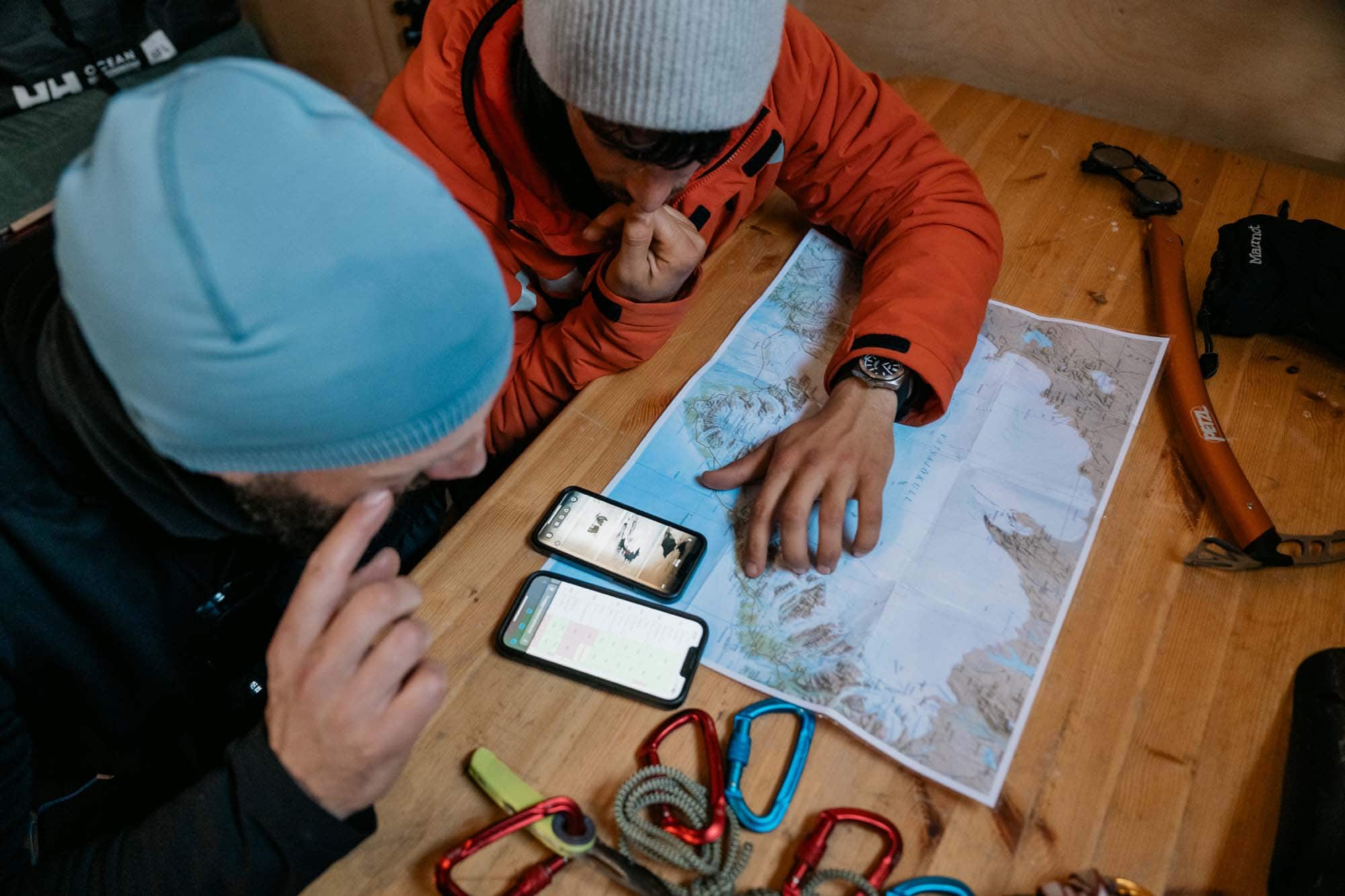
We press forward, step by frozen step, until the shelter finally comes into view. We collapse inside, exhausted but safe. The wind screams outside, relentless. Tomorrow, if conditions allow, the science will resume.

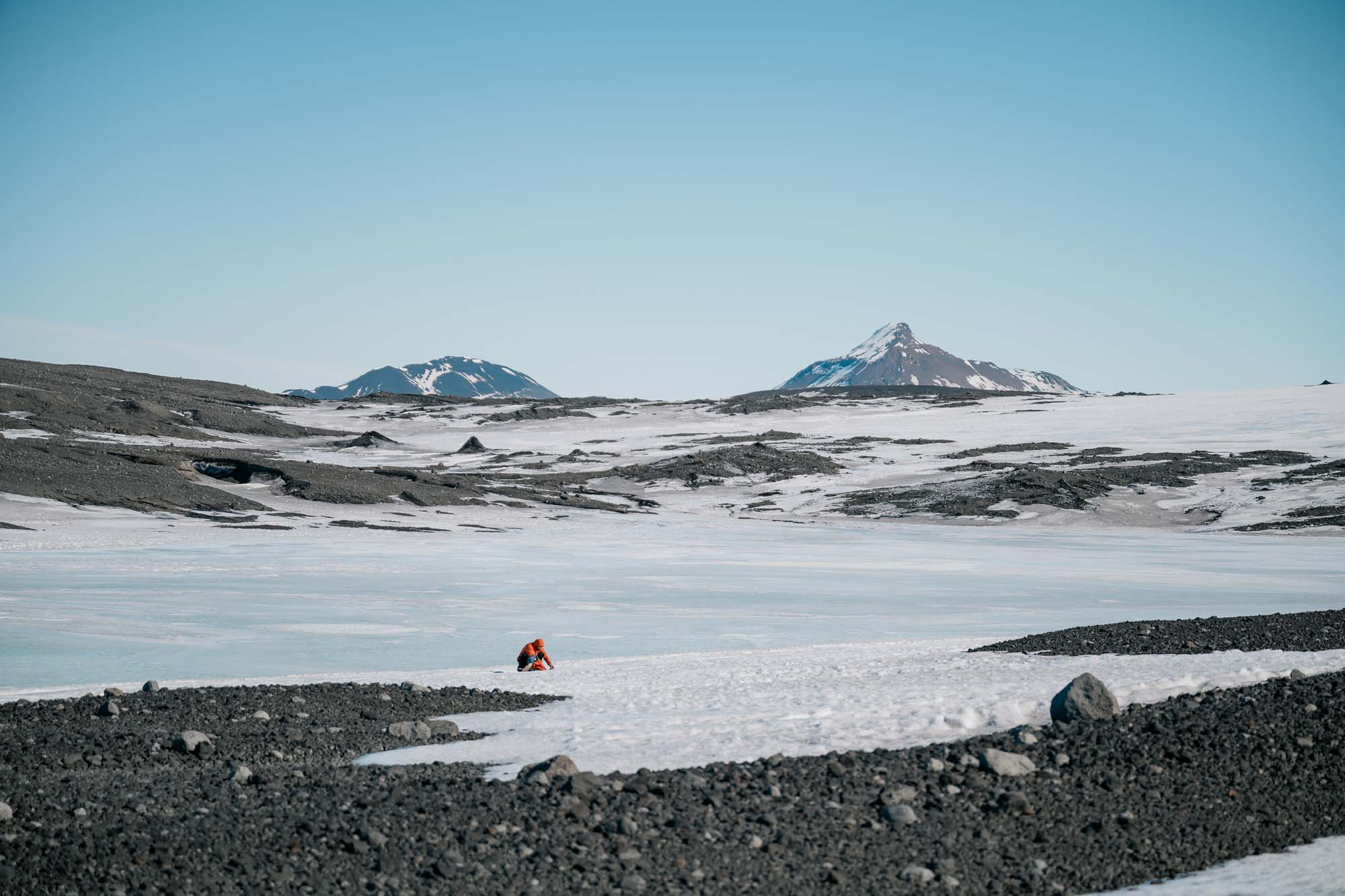
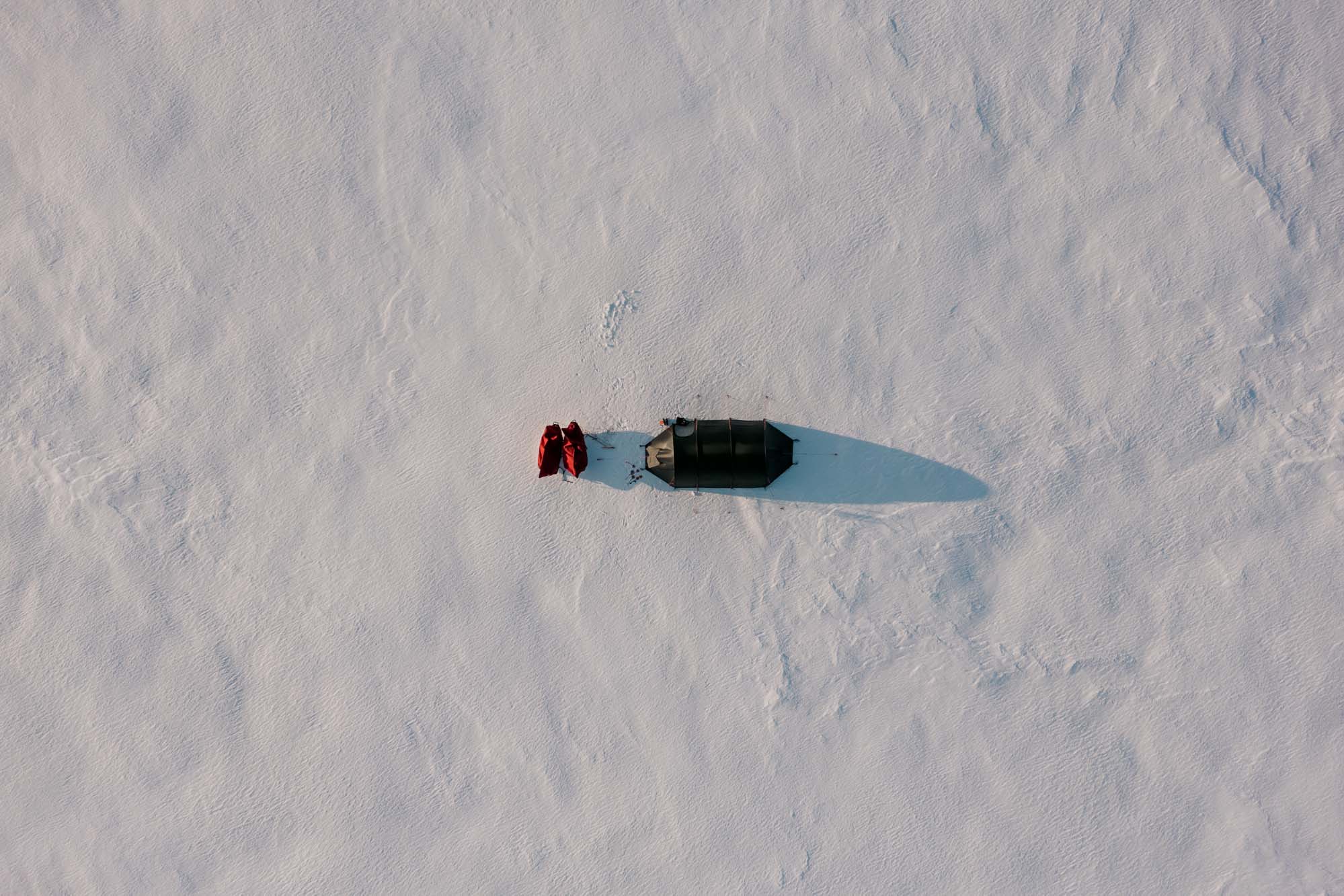
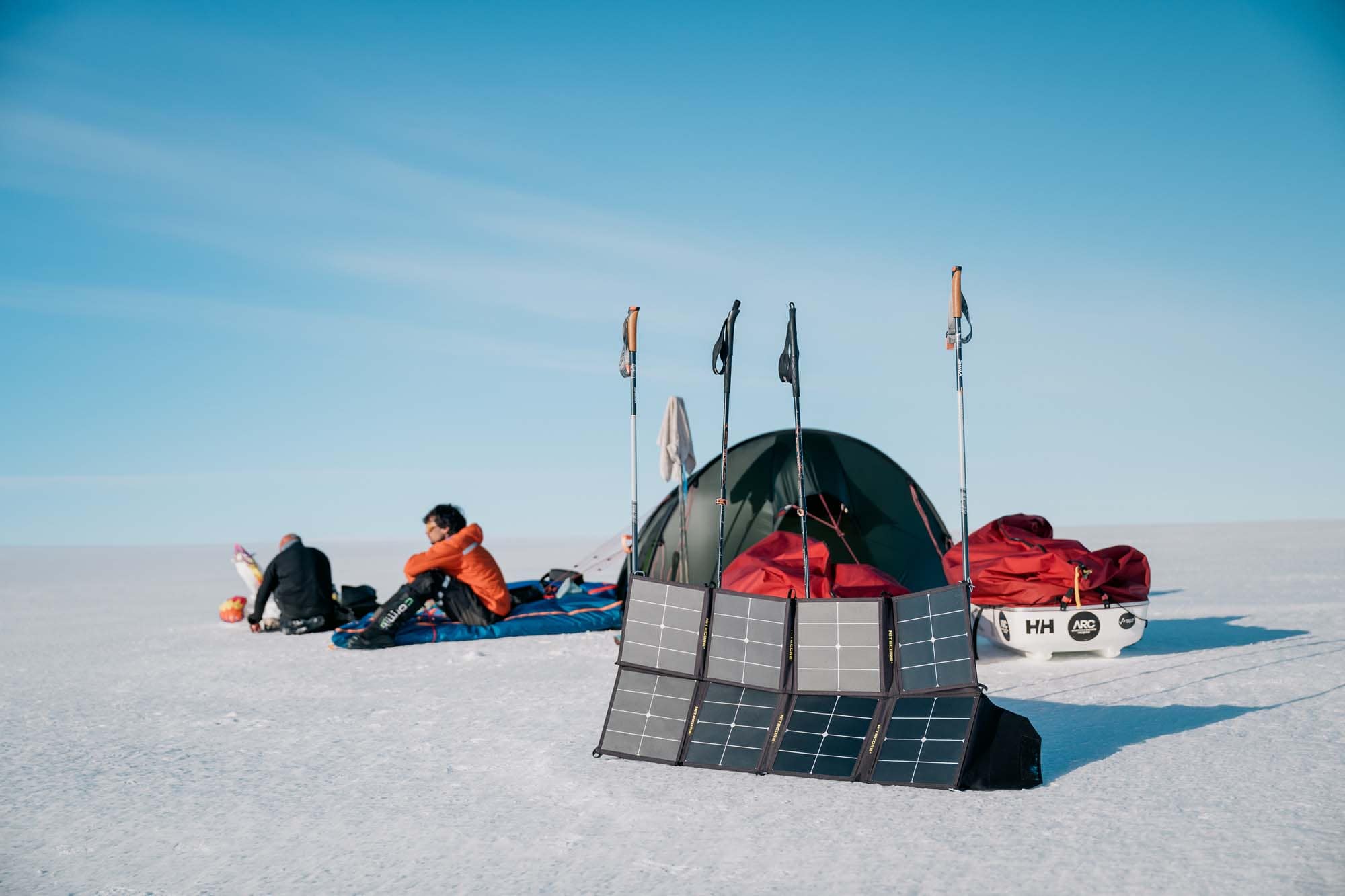

In the age of climate uncertainty, expeditions like this one—part human endurance, part scientific urgency—are more than just stories of survival. They are testimonies from the edge of the world. And in every moment, from the first light to the last breath of storm, the Fortis Marinemaster M-40 is there—not just keeping time, but marking it. Relentlessly.