
 Latest Review




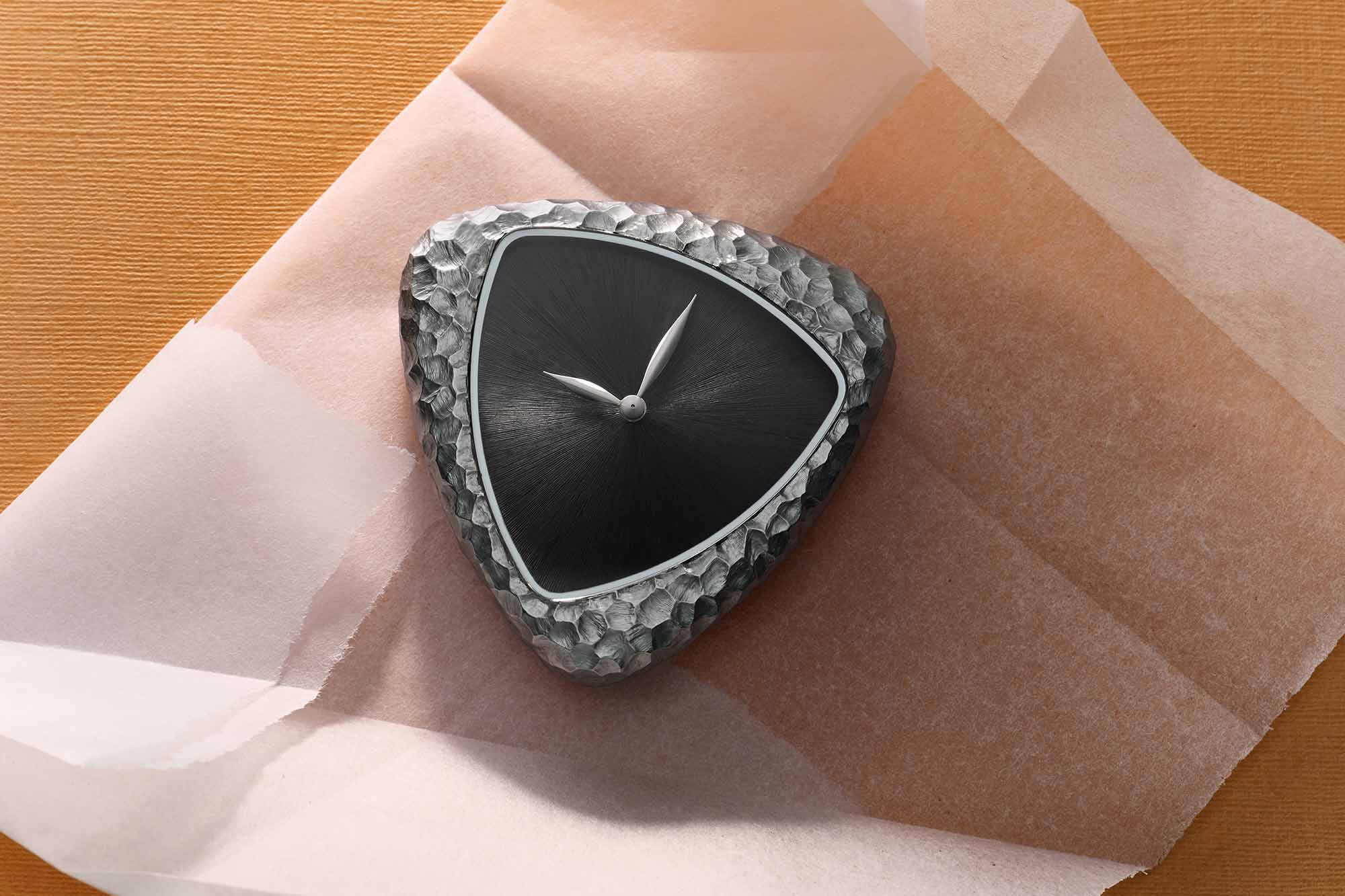
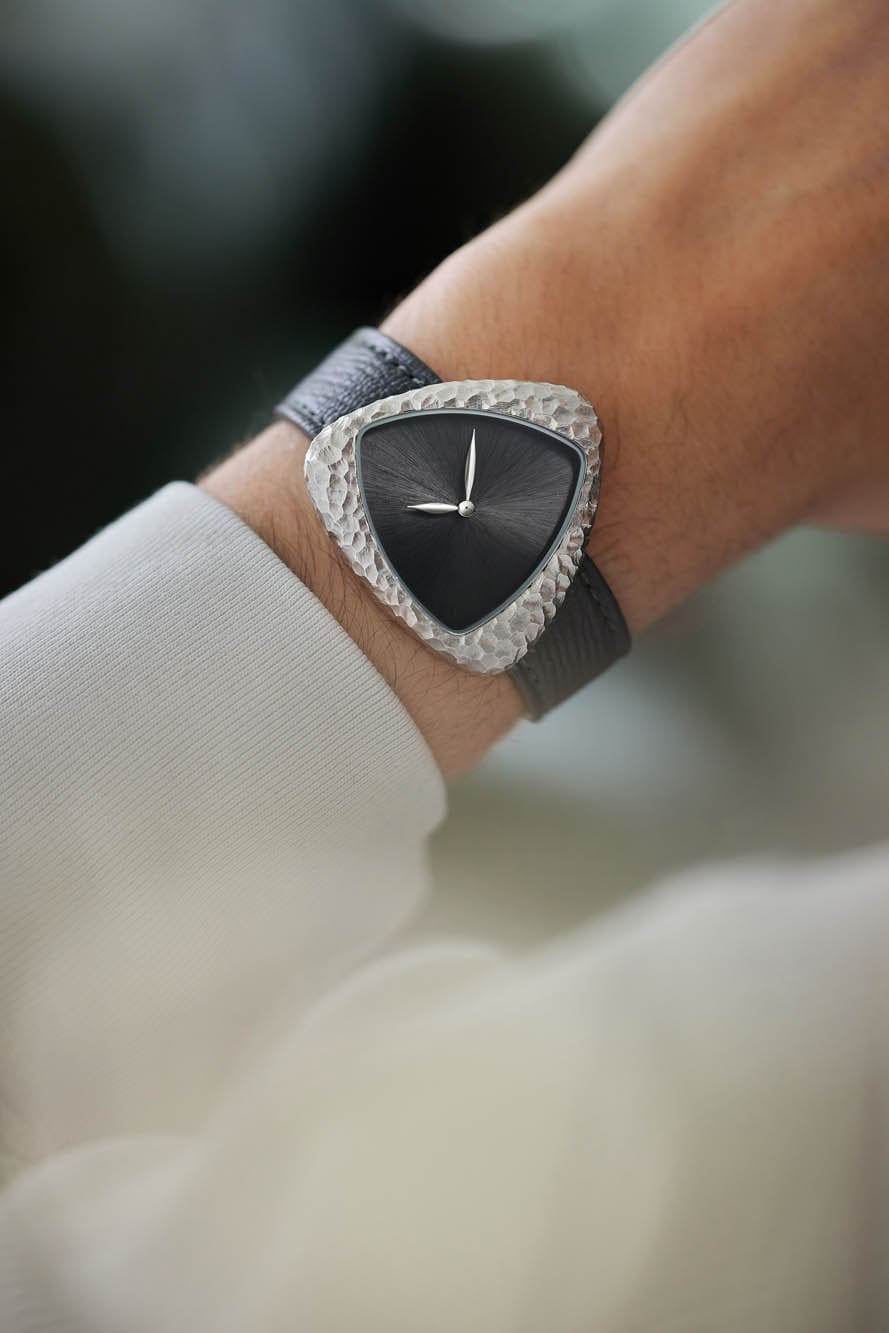
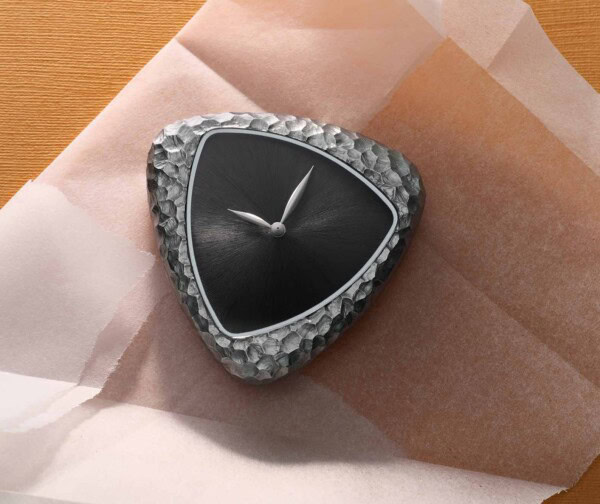
Anoma has announced the latest version of the A1, their watch with a unique triangular shape that brand founder Matteo Violet Vianello says was inspired by a free-form table designed by Charlotte Perriand in the 1950s. There have been a variety of derivations of the original A1 design since it launched, and it’s been a surprisingly versatile canvas for a number of different ideas and points of reference. The thing I like most about the Anoma project, even more than the shape of the watch itself, which I like a lot, is that those ideas largely come from outside the watch world. This industry is filled with references to its own past, and sometimes new watches feel like fist bumps acknowledging and celebrating, well, themselves. It’s refreshing to see a brand celebrating an artistic world that extends beyond watches – it really expands the aperture on what’s possible in terms of design.
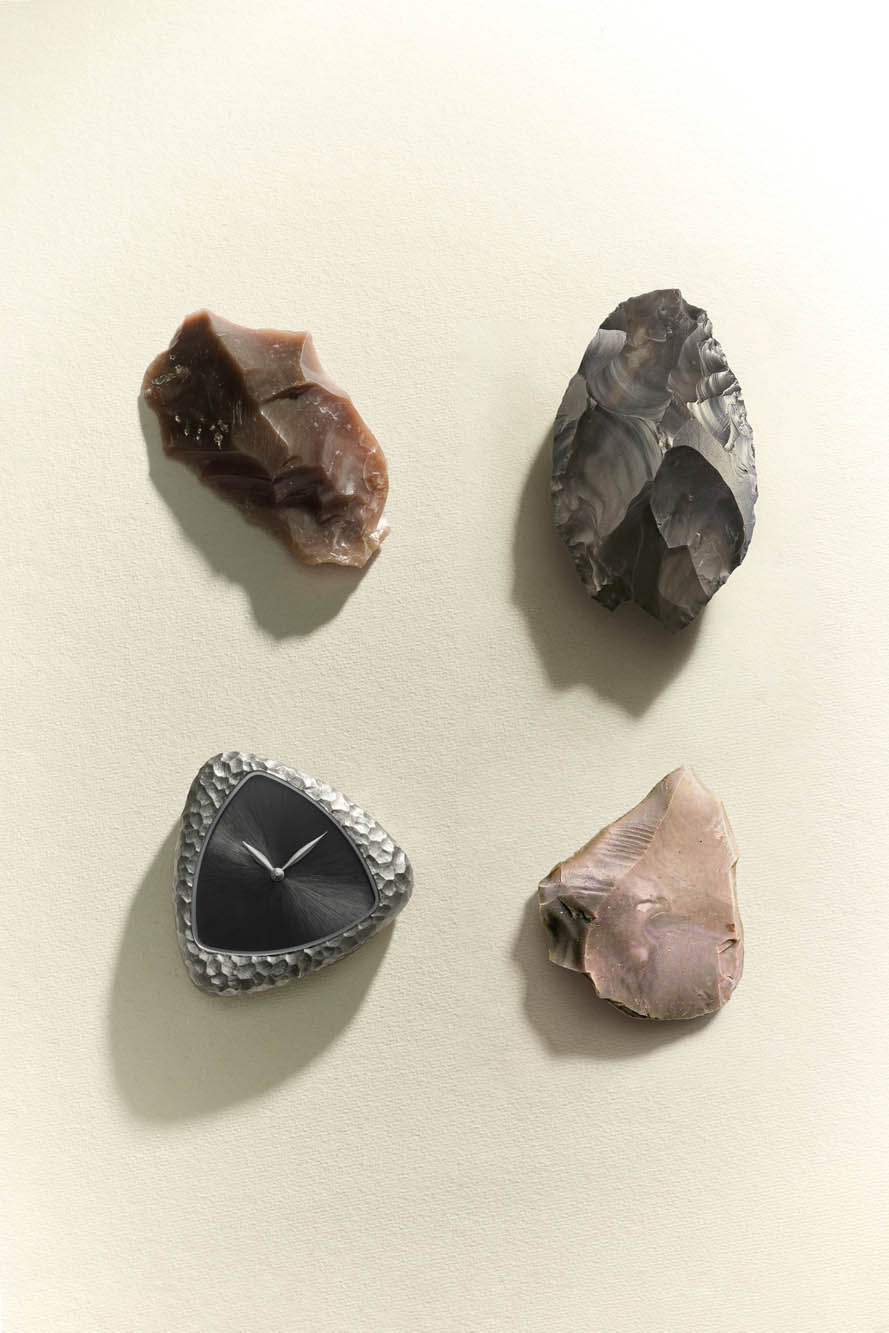
Anoma’s latest, the appropriately named Prehistoric, was inspired by a visit to the Brancusi sculpture exhibition at the Centre Pompidou in Paris. The exhibition features primitive artifacts that Brancusi saw as the earliest examples of human creativity. The objects, such as arrow heads, axes, and other tools, got Vianello thinking about what is actually essential in design, and what is excessive. He was also influenced by the physicality of these objects, and how evidence of their making, the crude handwork, was still present thousands of years after their creation.
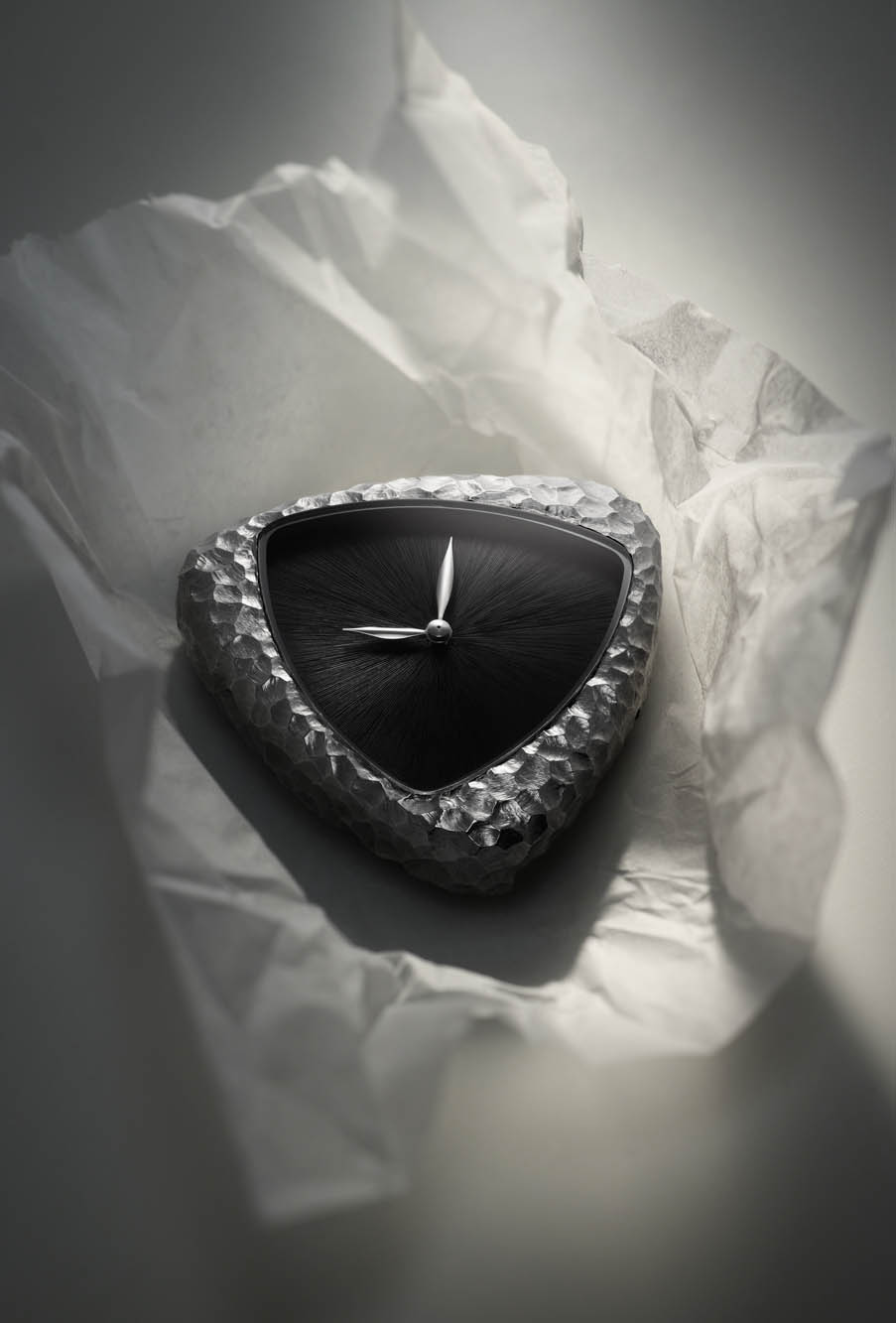
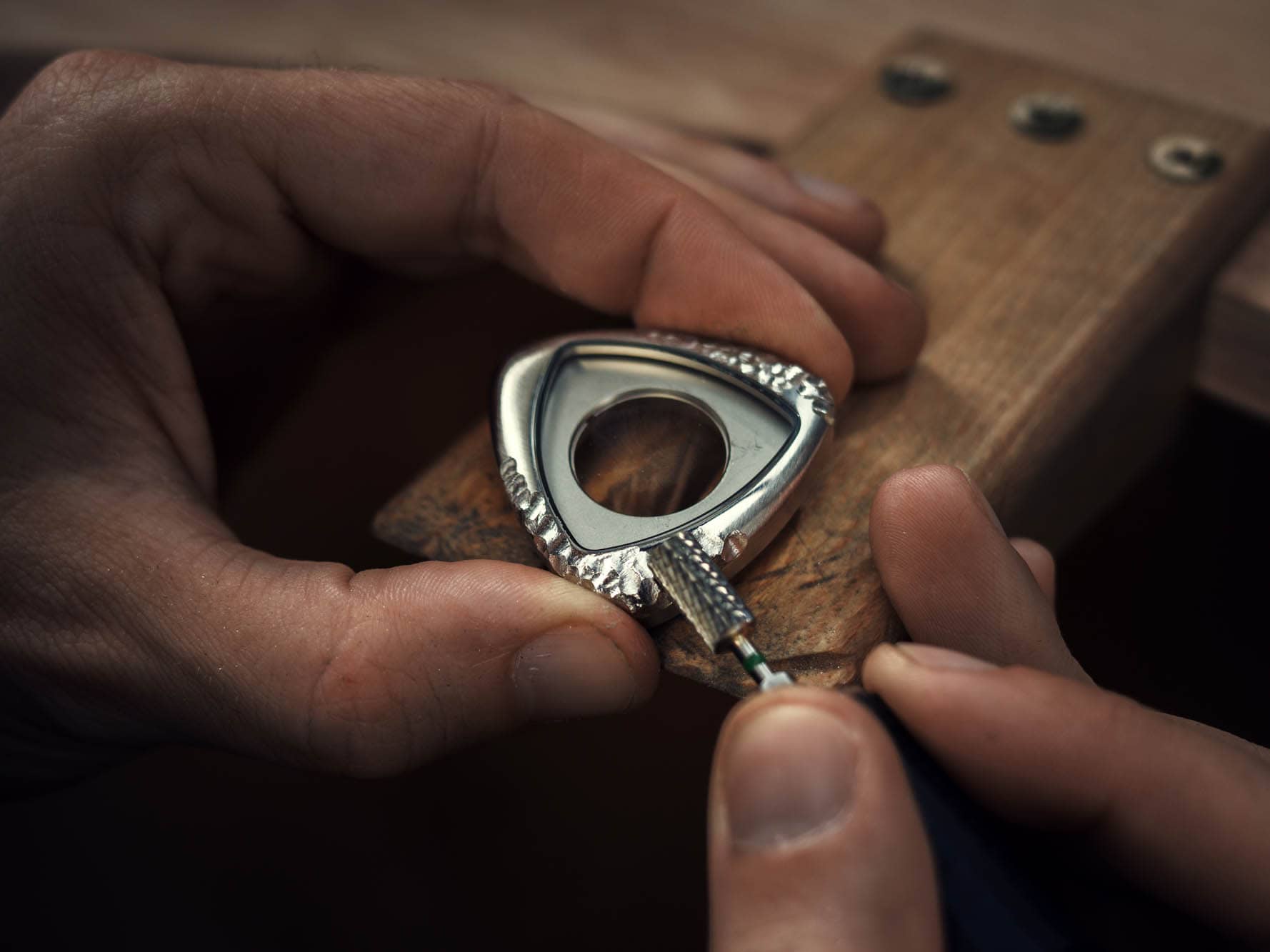
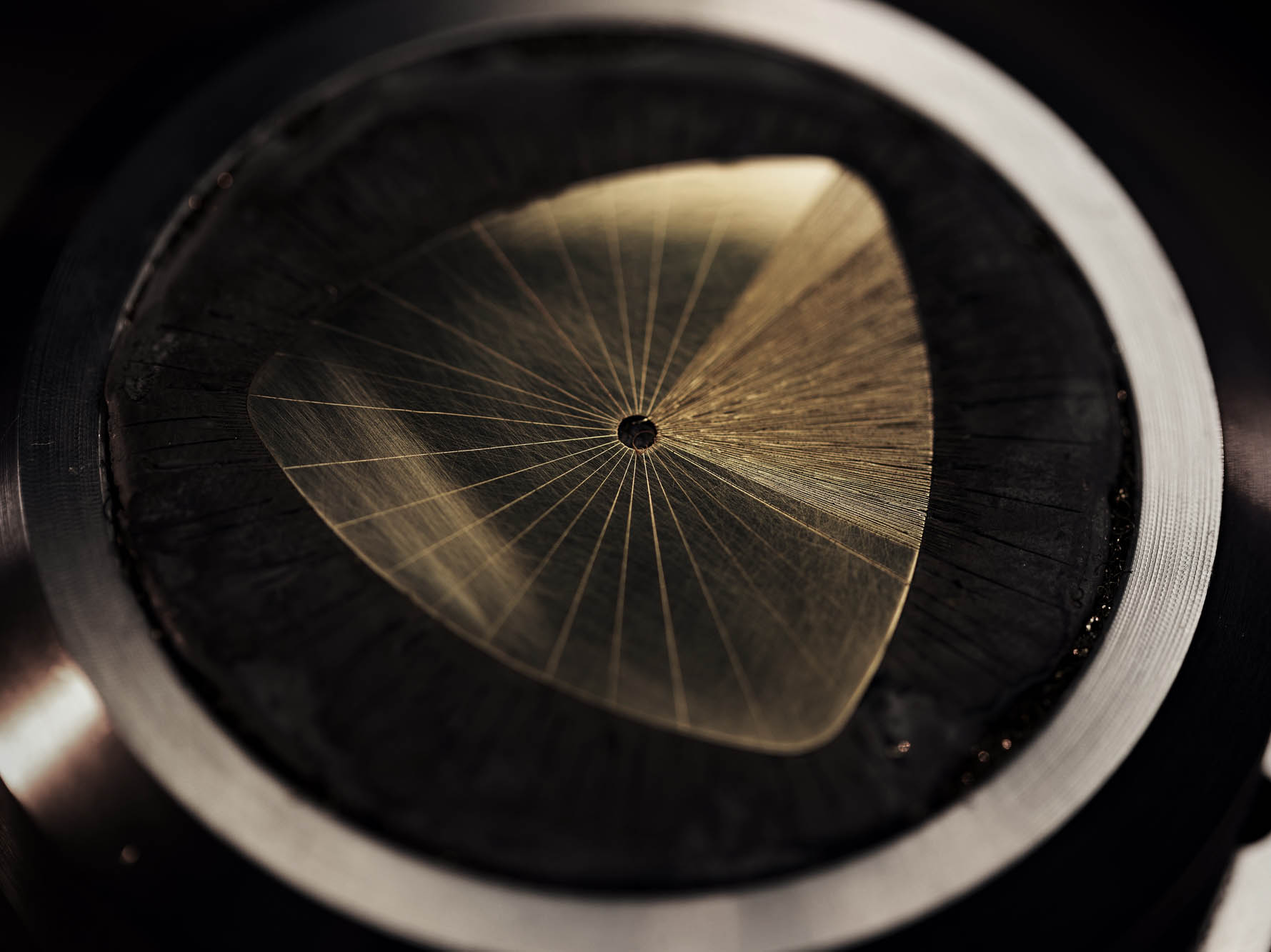
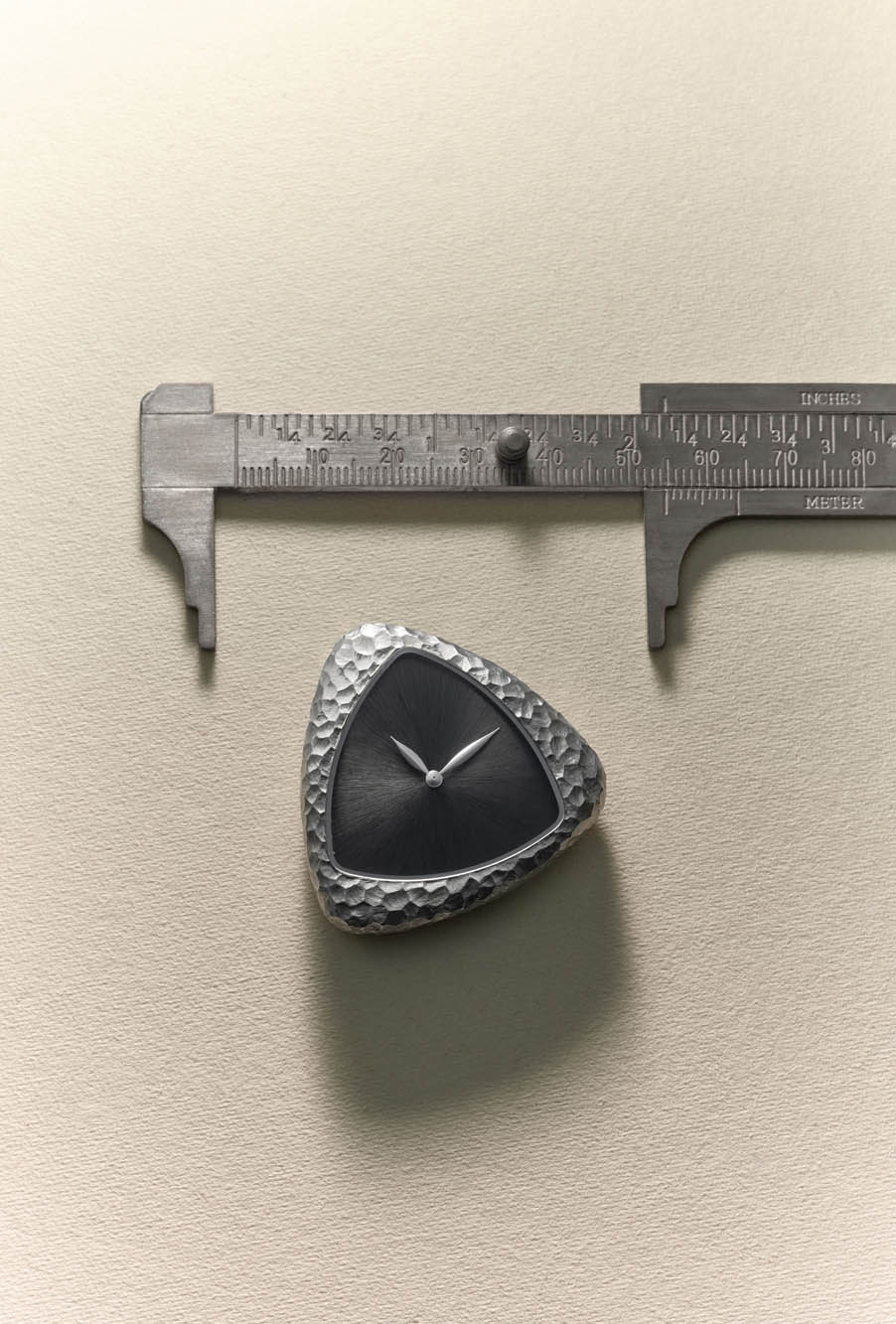
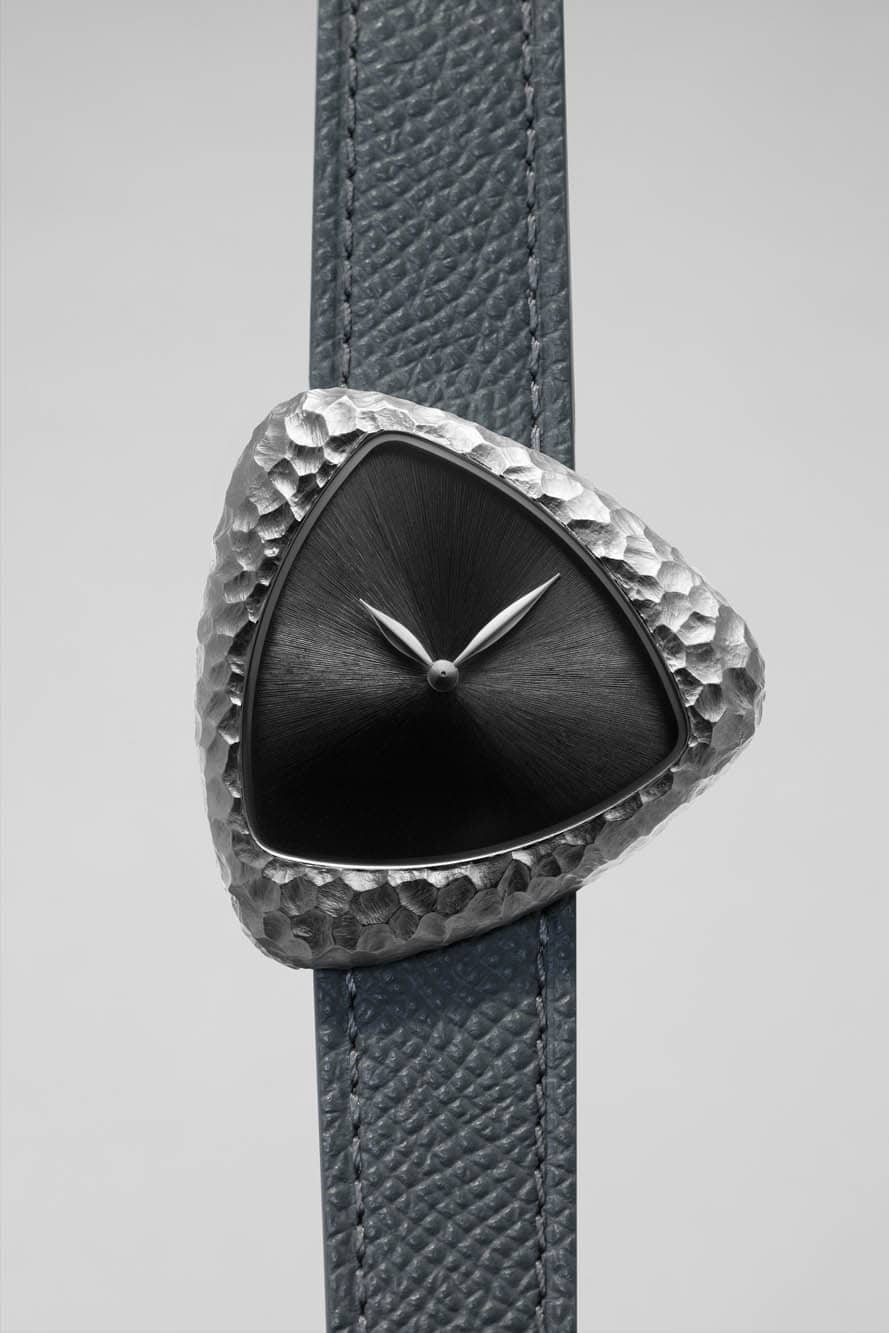
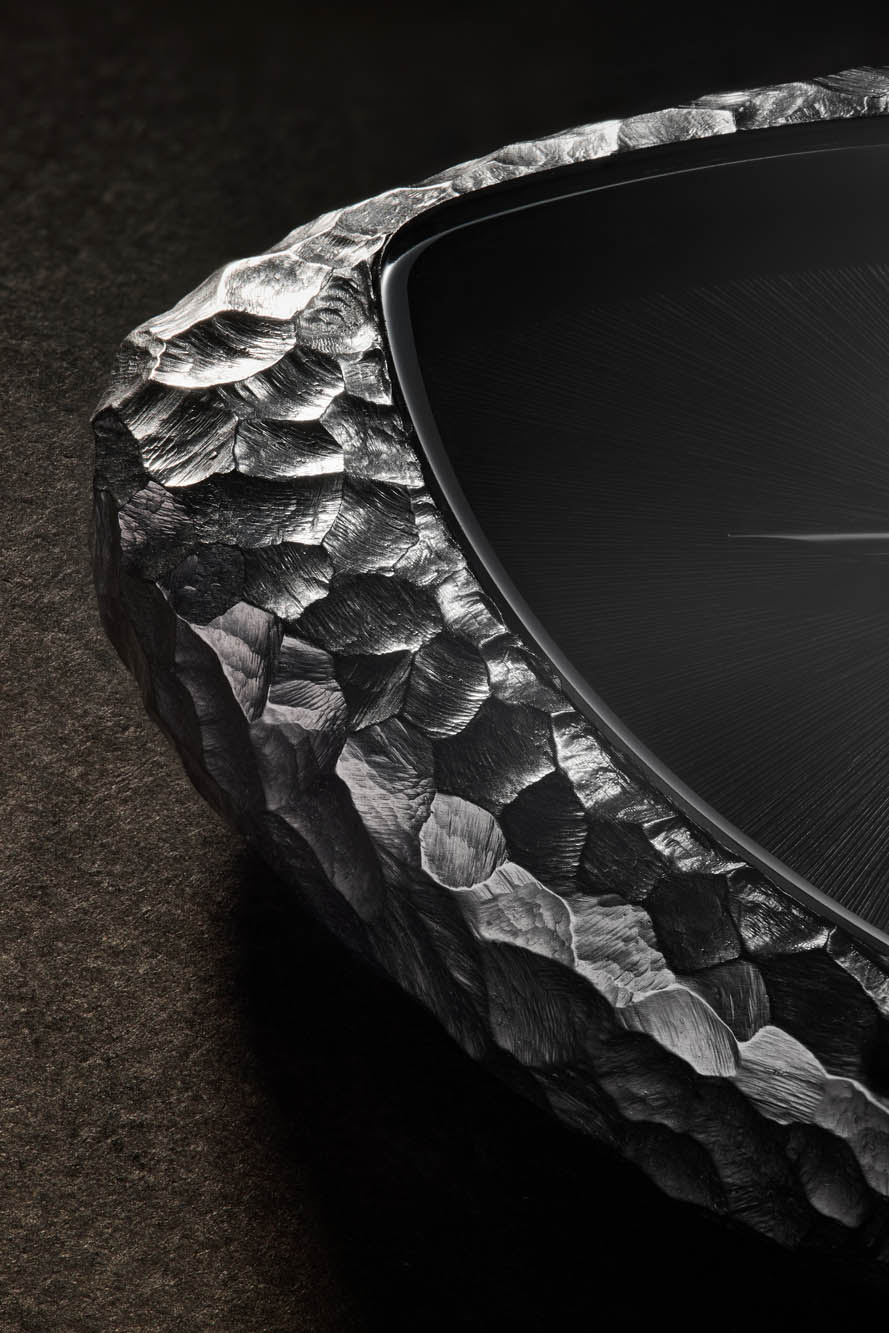
The Prehistoric takes the familiar A1 case but sees it transformed into a chiseled sculpture – you can certainly see the arrowhead inspiration here. No shortcuts were taken in the fabrication of the case. According to Anoma, each case (and buckle for the leather strap) is hand chiseled in a process that takes five hours per case by Steven Brunel, an engraver based in a small village in the Loire region of France. The sunburst dials are also hand made, with each line of the pattern cut by hand, individually. There are over 600 lines in total, so this is exacting, methodical work.
There’s a lot of conversation these days around pricing, value, and the ever rising costs of watches as the hobby expands. We typically don’t make “value judgments” on watches we have yet to evaluate in person, and simply present the facts in these introductory articles. But it strikes me that at £2,900 (about $3900 USD) the Prehistoric offers an unusual amount of handwork for the money. It’s a niche product, to be sure, and the brand is only making 100 of them. It’s also objectively an expensive thing when you consider the point of entry for watches with a Sellita movement (this one runs on an SW100). But I like watches like this that no reasonable person can point to and say “It’s overpriced,” lest they ignore the actual human labor associated with it.