
 Latest Review





I was recently invited by the Hampden Watch Company to participate in their First Hand Watchmaking Workshop and experience what it’s like to build my own watch from the ground up. I first happened upon the program through an Instagram advertisement at the beginning of 2026, only a couple of months after its December 2025 launch. Upon my initial review of the program’s website and details at that time, my only gripe was the cost of the workshop itself (a topic we will revisit later), especially as an enthusiast who bases his collecting solely on the affordable vintage sphere. When Hampden reached out to me, I became eager to see how my area of watch collecting would intersect with a different sphere of the hobby; in essence, how my ultra-budget-conscious perspective on watch collecting would intertwine or potentially clash with that of a more luxury oriented experience. Additionally, having personally performed minor maintenance and repairs on watches without professional equipment or knowledge of how to fully disassemble or reassemble a movement, I was curious to see what type of experience I would gain and potentially implement in my daily watch life through participating in the workshop.
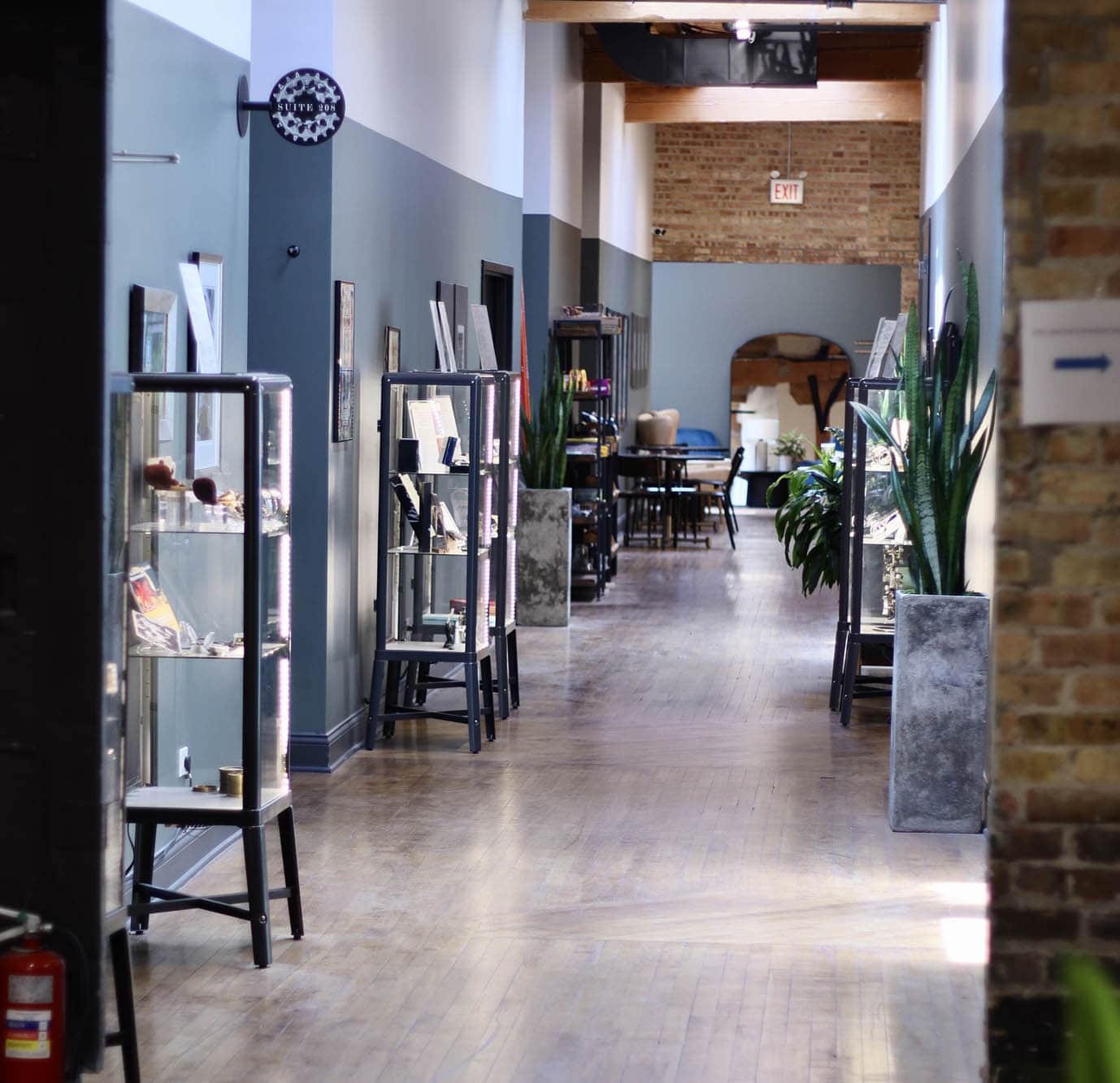
The day starts at 9:30 AM in Hampden’s headquarters located in a rather quiet area within the West Loop of Chicago. The well-preserved architecture of the building’s interior is a remarkable demonstration of how to properly preserve old industrial spaces from a period gone by––a much unexpected perk to my experience, at least. After light refreshments and introductions by both Hampden staff and participants, CEO Joe Wein leads the class through initial information sessions regarding the brand’s history, basic watch movement parts and terms, and a brief rundown of the schedule of that day’s activities.
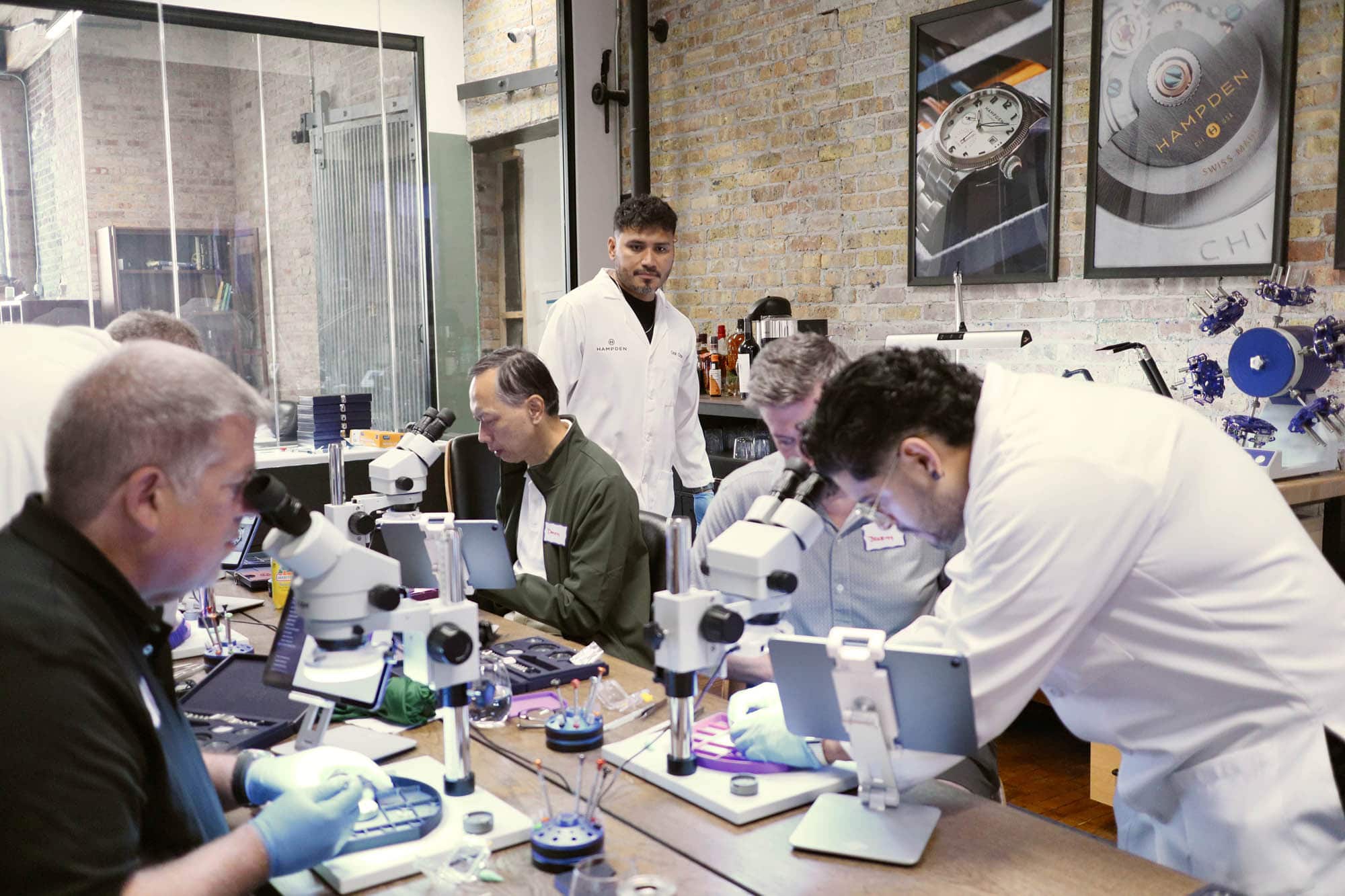
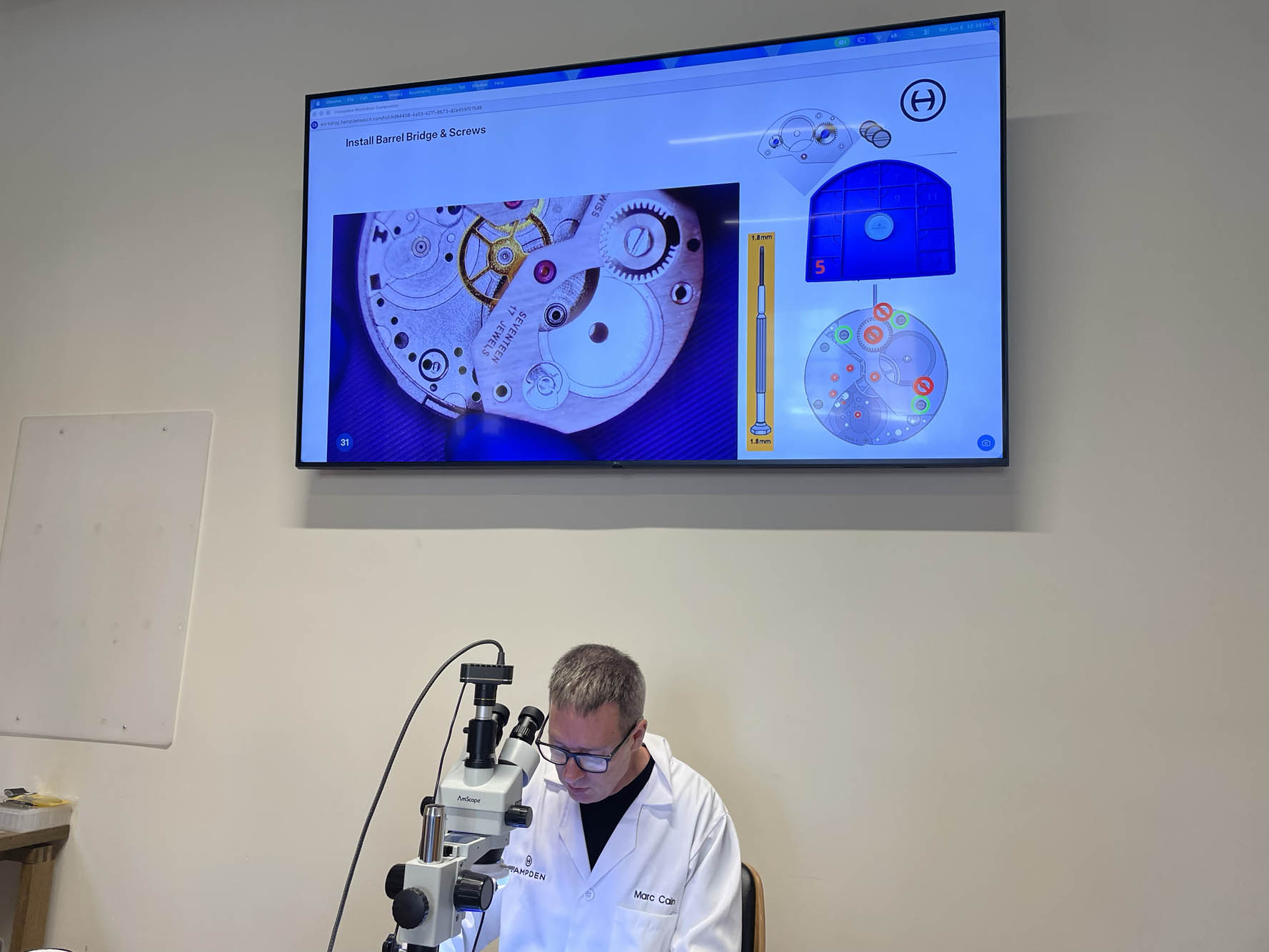
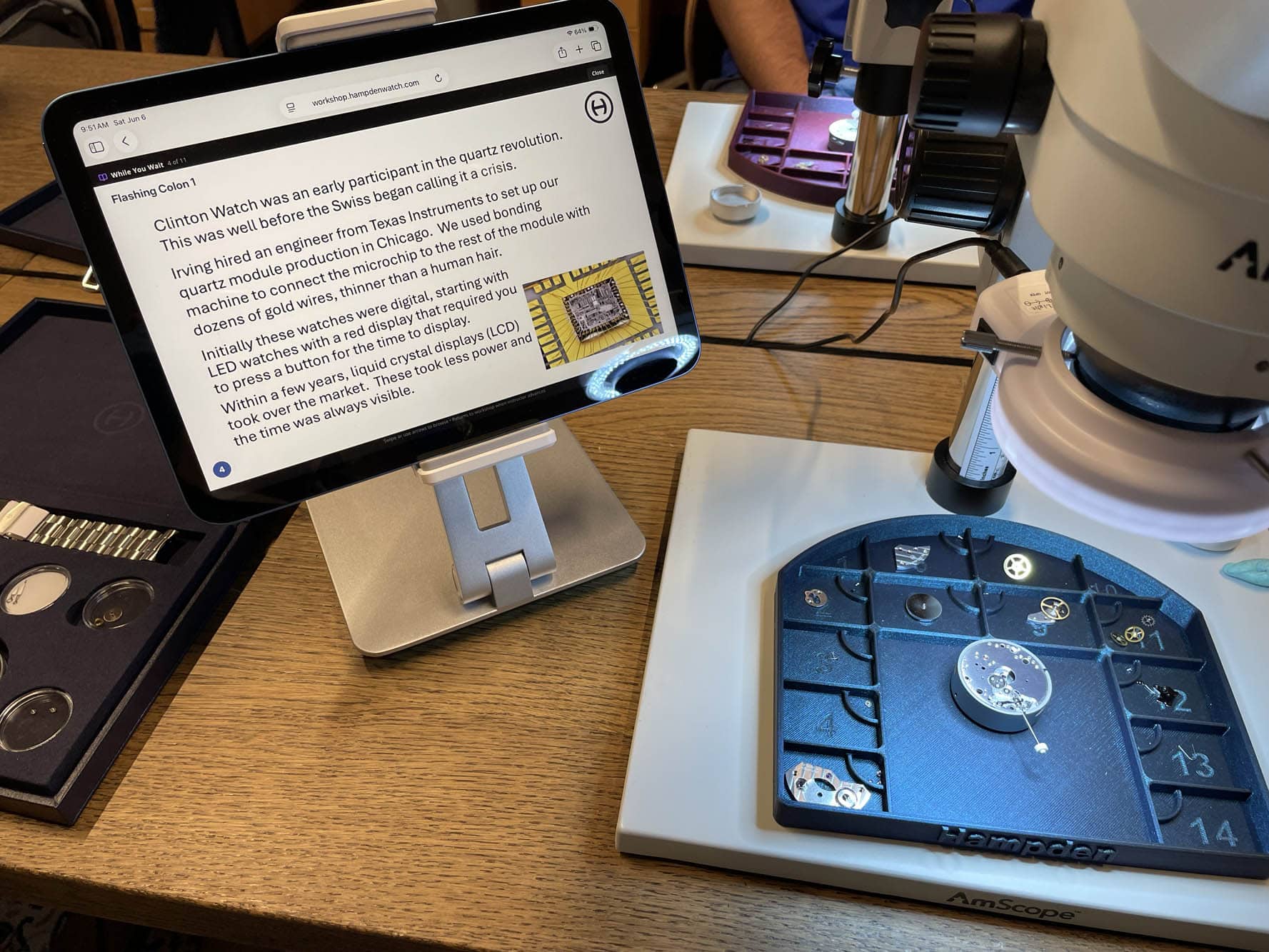
The participants were told here that Hampden continues to modify the experience after each session to foster positive development and continued improvements for future workshops. The newest alteration featured in my session was the introduction of iPads to assist participants throughout the movement disassembly and reassembly. Featuring mini-instructional videos of each step and fun facts about the brand’s history, I found their inclusion beneficial overall. One minor roadblock I should note, however, is that users are intended to indicate when they have completed each step by pressing a “mark complete” button on screen, but attendees are typically too transfixed by the movement and tools in front of them to remember, forcing the workshop assistants to circle the tables and click each button themselves.
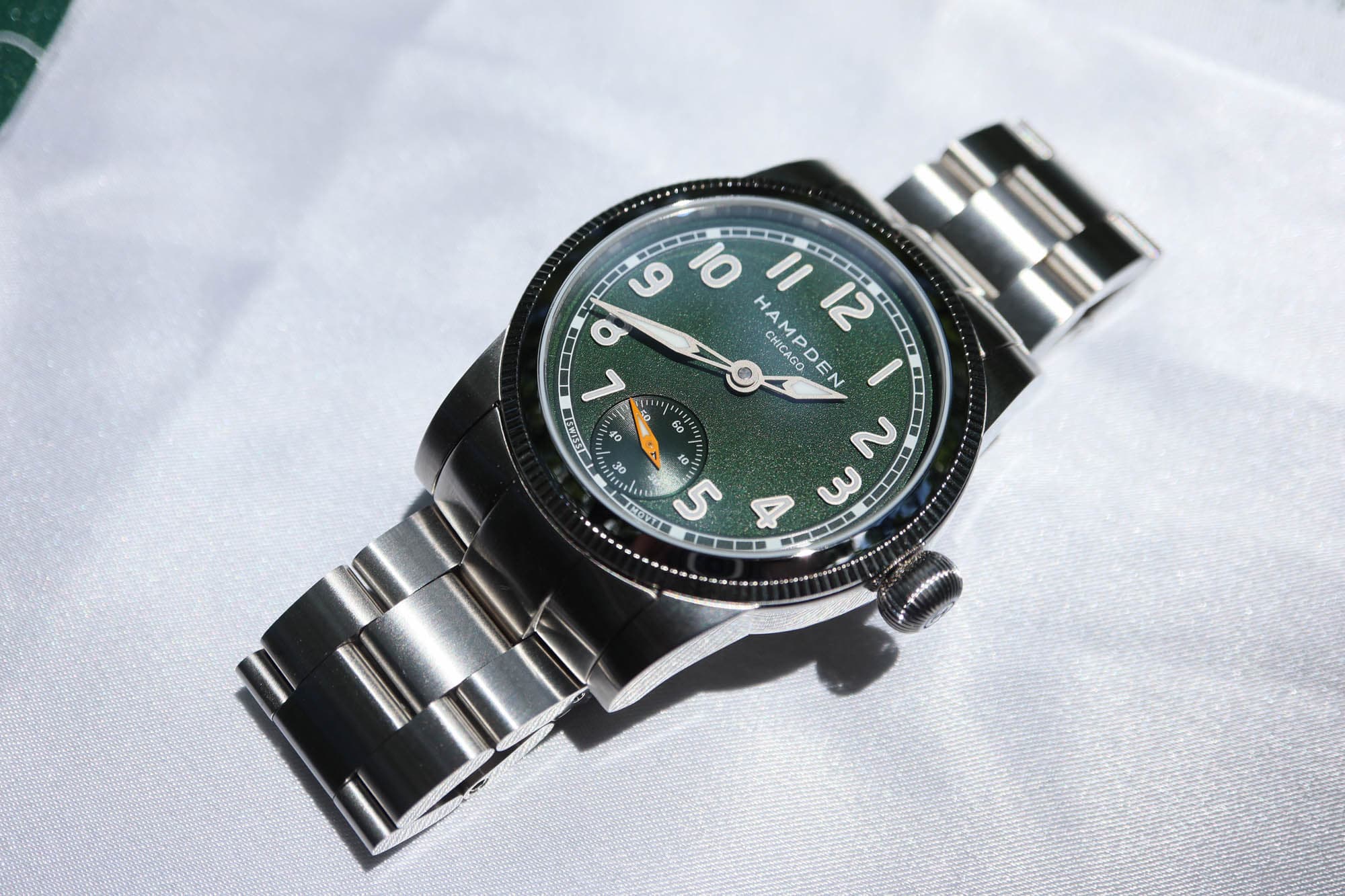
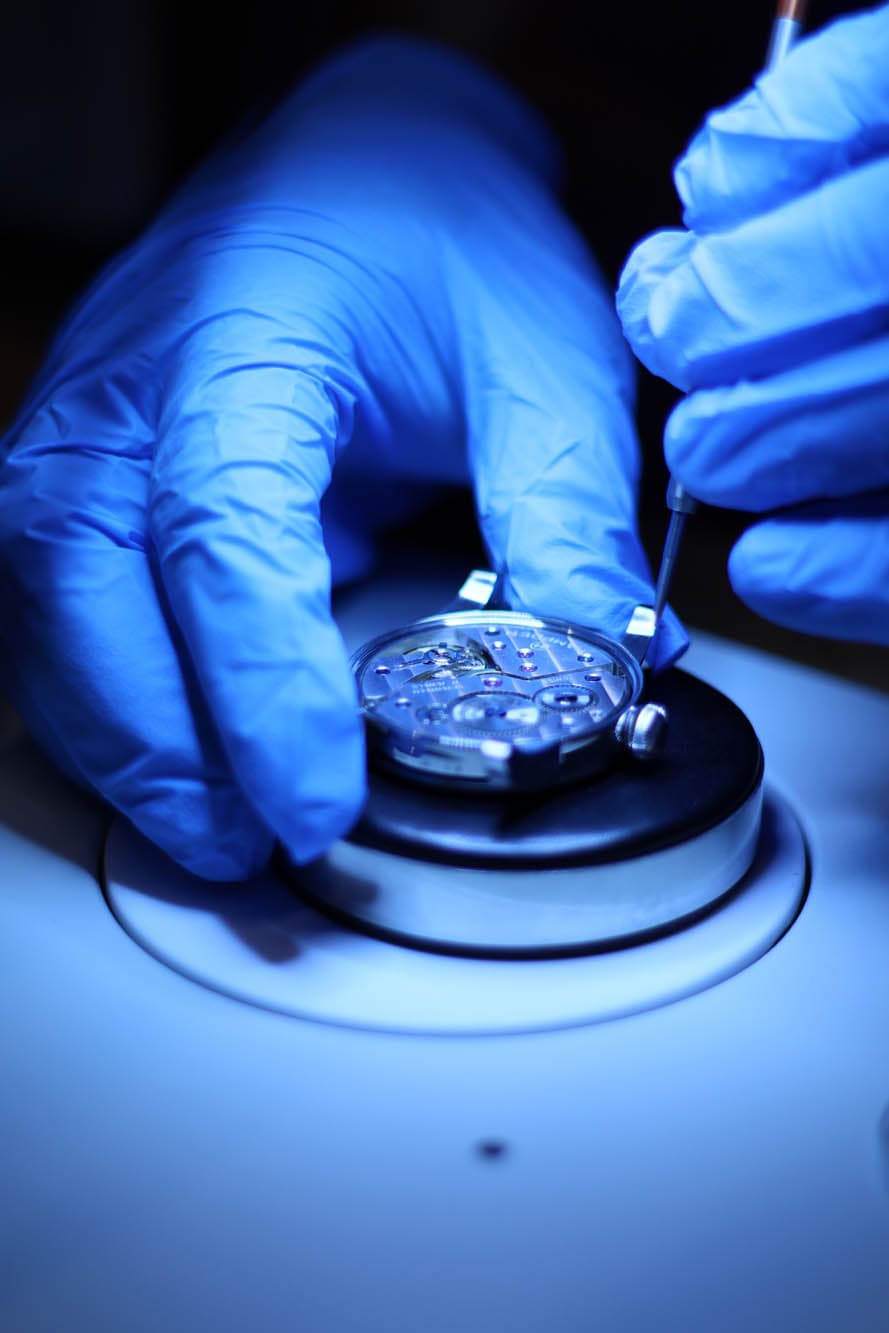
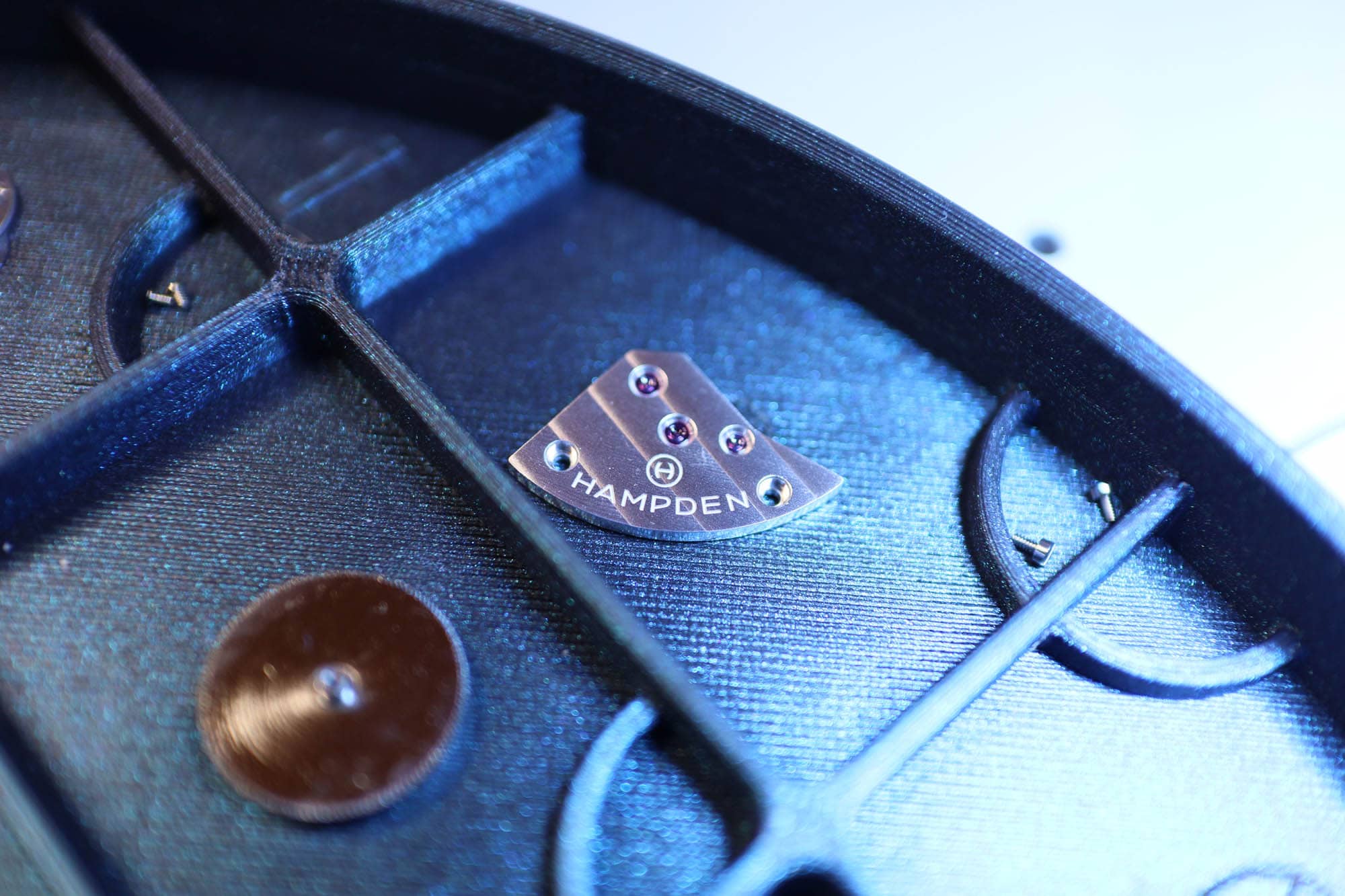
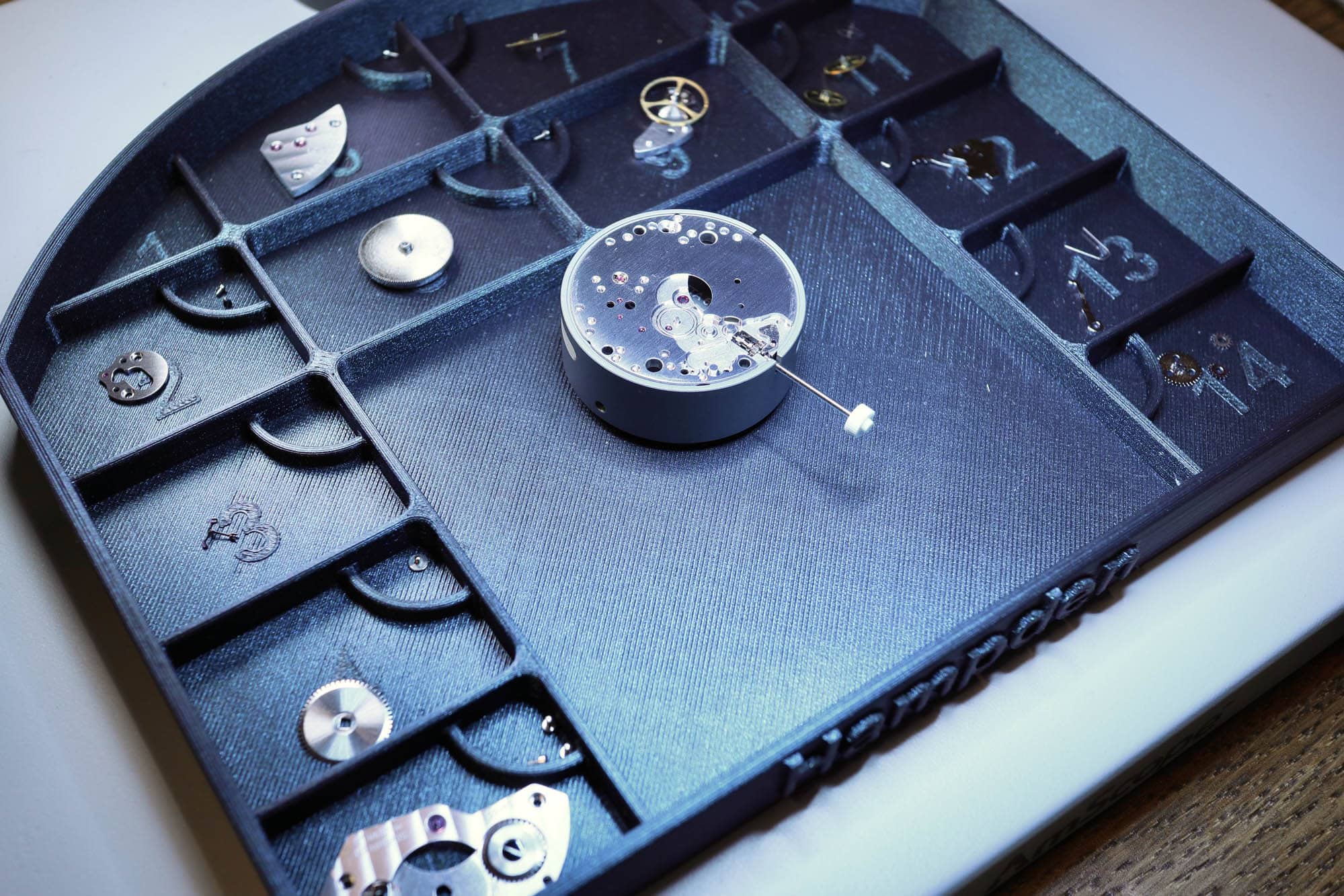
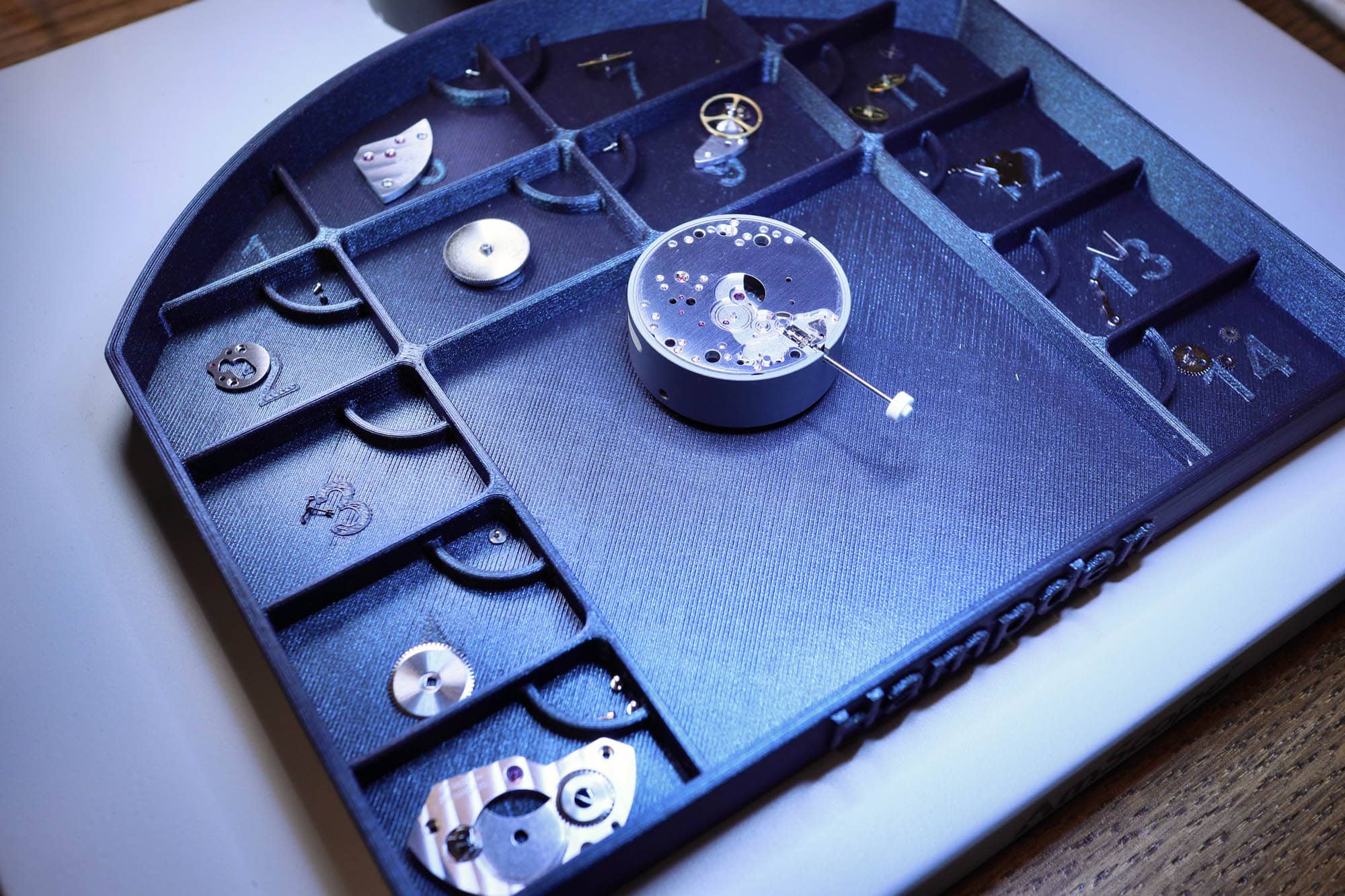
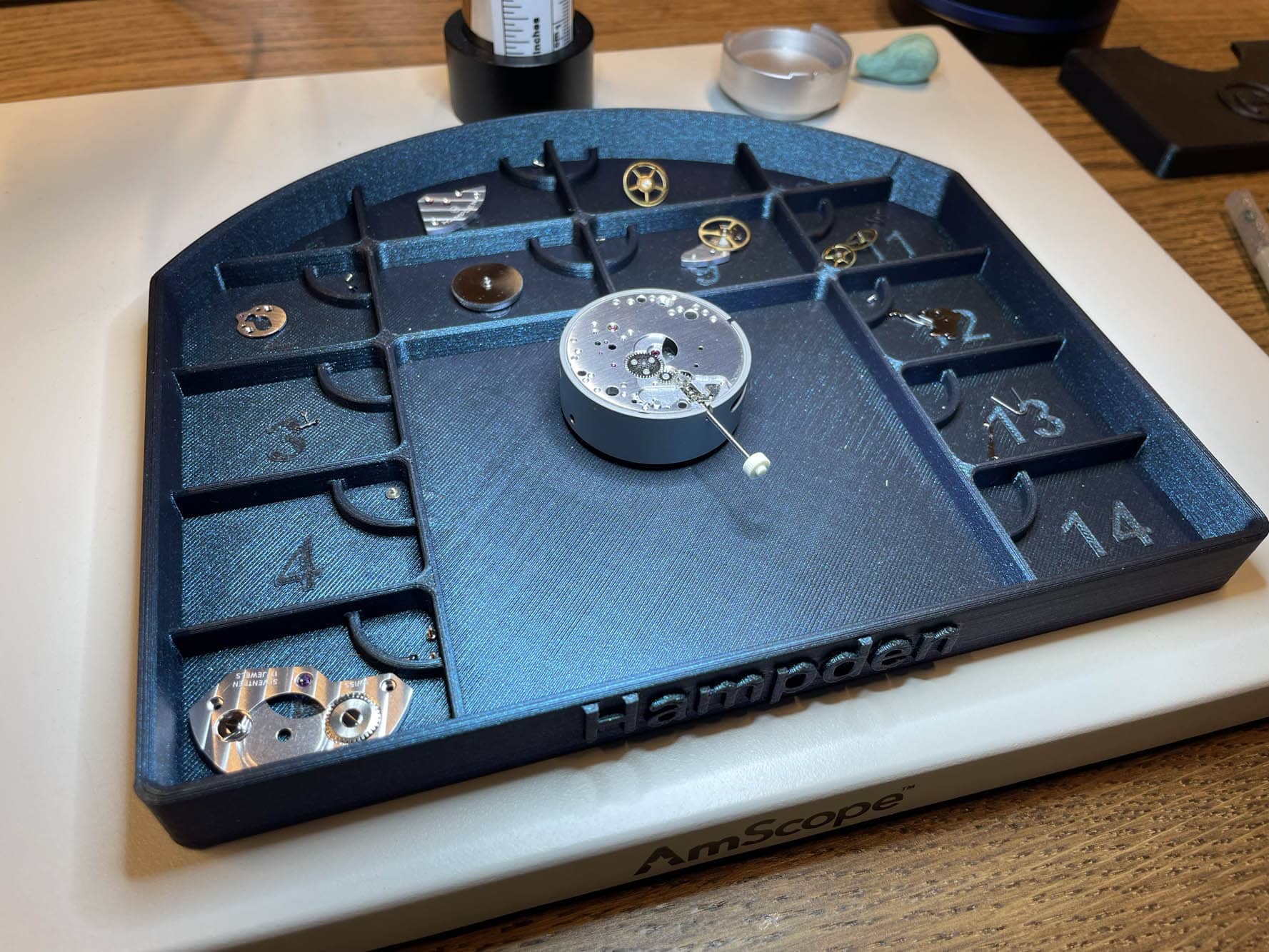
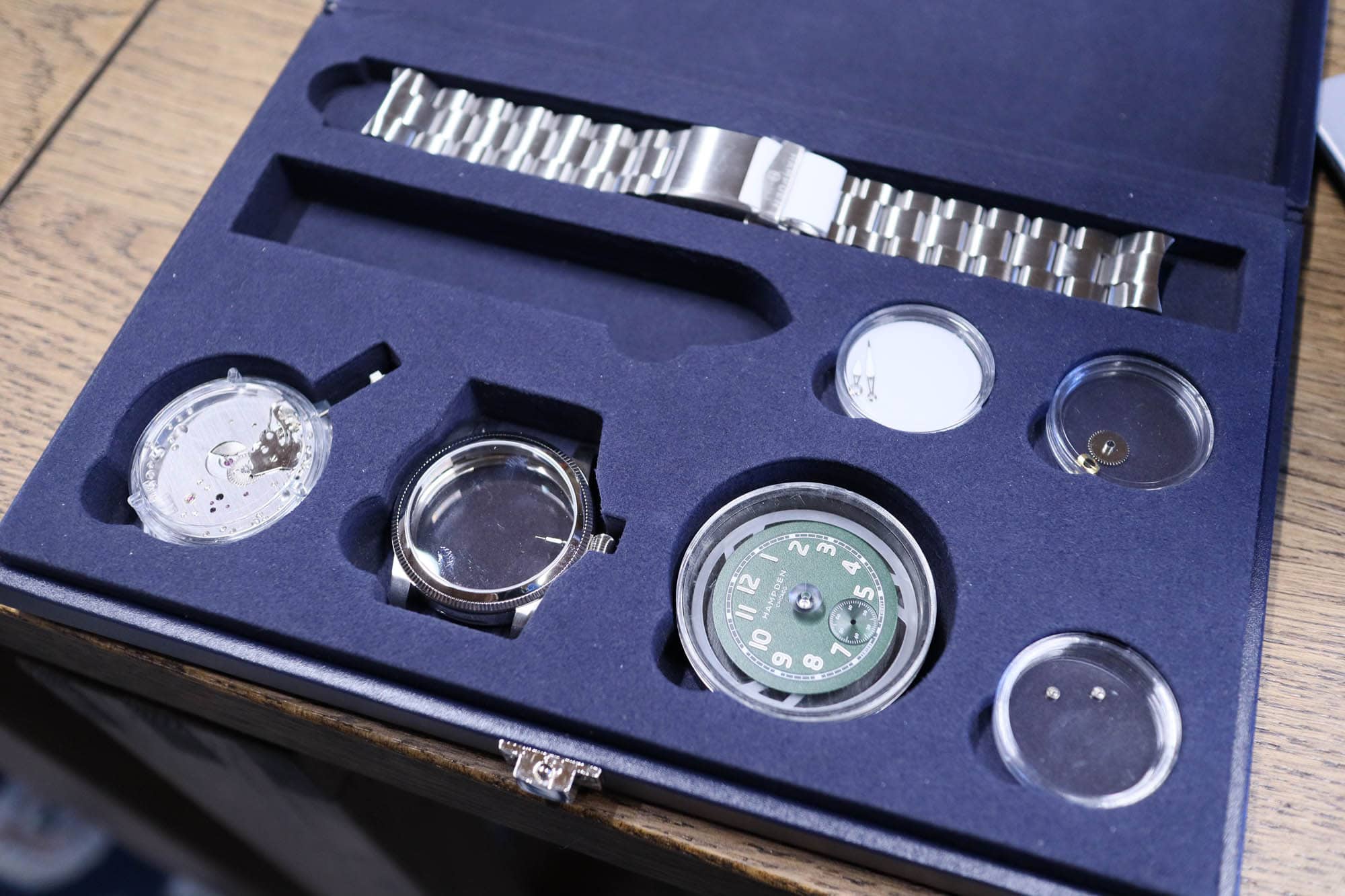
Moving to the main event, participants choose which dial color they would like: Foundry Gray, Iron Lake (blue) or Stockyard (green). The group is then provided with watchmaking tools and a binocular microscope to assist in the disassembly, reassembly, and casing of an ETA/Unitas 6498 movement. I found the Stockyard Green dial to be the best option personally because, well, I love the color green. One of the other classmates participating in the course changed their selection from blue to green after seeing mine in the flesh, but blue seemed to be the prevailing choice amongst the six total participants. Joe Wein and staff guide students throughout the course, with hands-on support provided as needed. All Hampden employees were very friendly and supportive throughout the day, ensuring to offer a fun, not stressful, experience. We were often allowed to work without help unless we requested it, which allowed for a more in-control experience for those who could handle their own pace and a more personally-guided lesson for those who needed the additional helping hand(s).
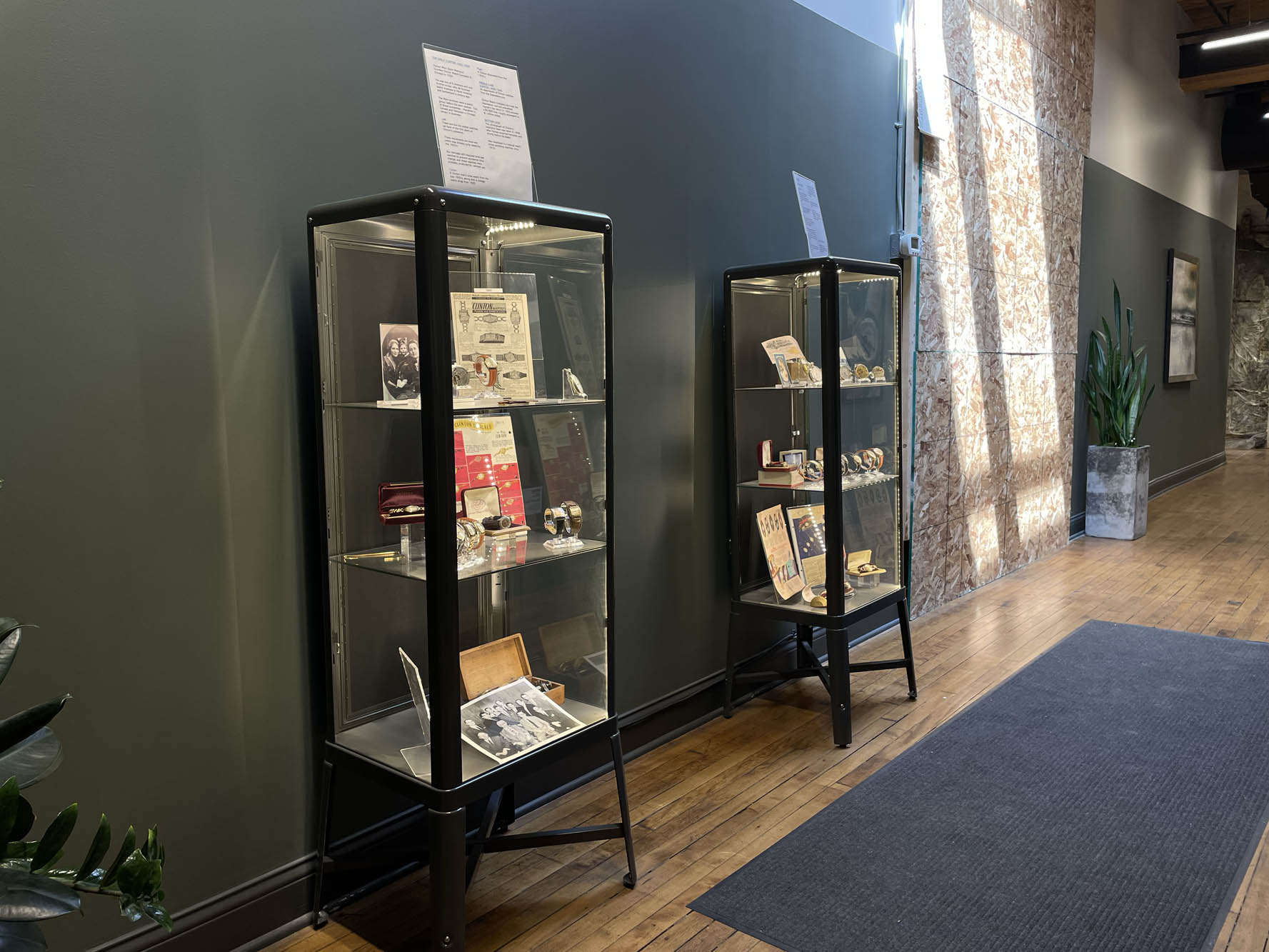
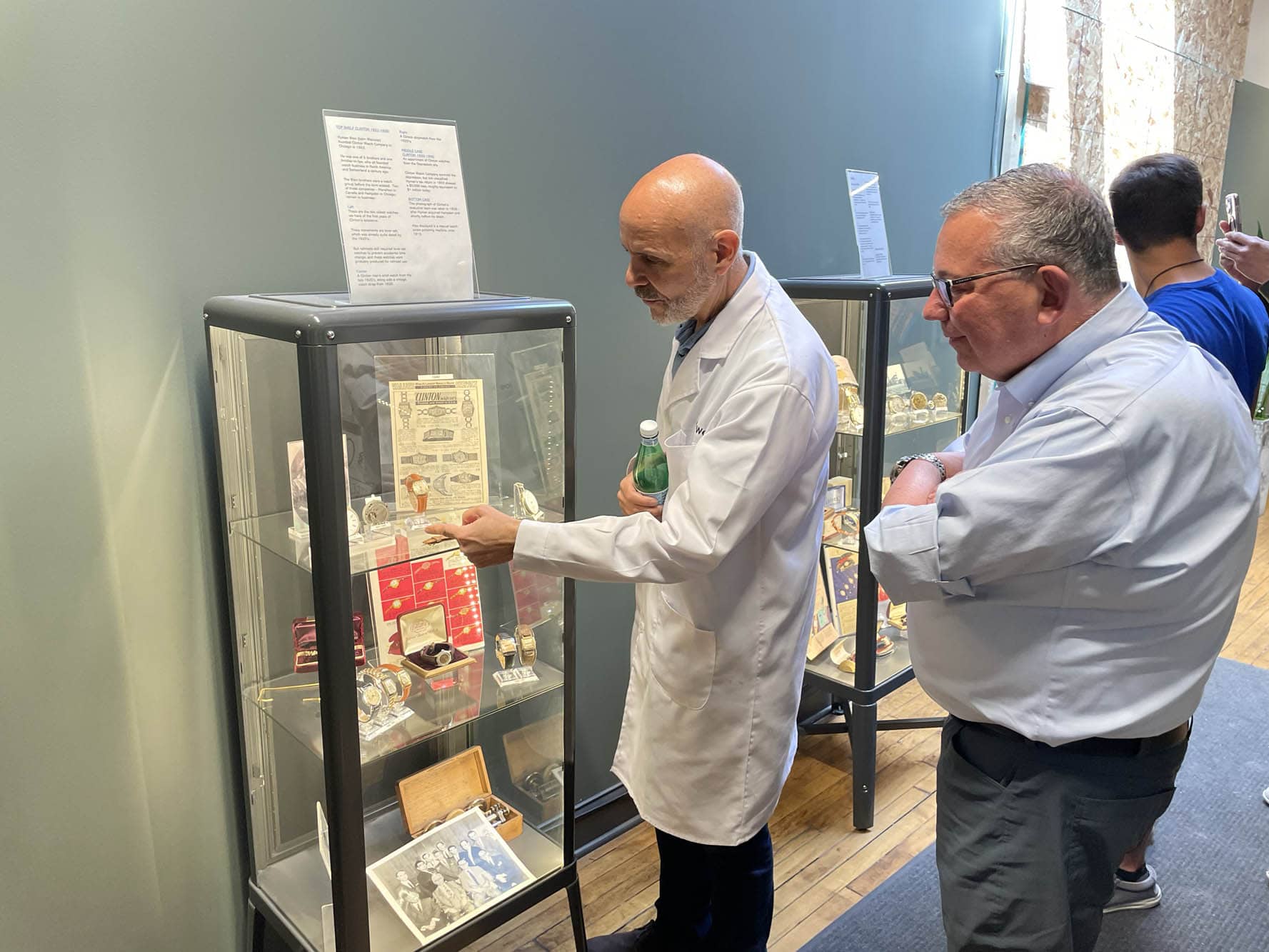
The chef-prepared, catered lunch is served around 1:30 pm, accompanied by glasses of red wine and conversation around the table, as Joe and the attendees discuss their experience thus far and other Hampden-related topics. Afterward, participants are taken on a guided tour through the history of Hampden and its related brands (like Clinton, Neuvex, and Benrus) by looking at a plethora of watches, paperwork, and advertisements. I will leave the bulk of their stories for those who plan on signing up for the experience, though Hampden’s website includes a detailed account of the brand’s history for those who are interested as well. Having collected vintage watches for well over 10 years now—and having scrolled through eBay and Mercari far more than any mortal man should ever scroll—I’ll admit Hampden wasn’t a watch brand I had ever heard or seen much about in that space. Clinton I had known for their innovative and very 70s kitsch assortment of skin divers and world timer models, however, though I had known their collectibility in the contemporary market is rather iffy because of their frequent use of cheap pin-lever manual-wind movements.
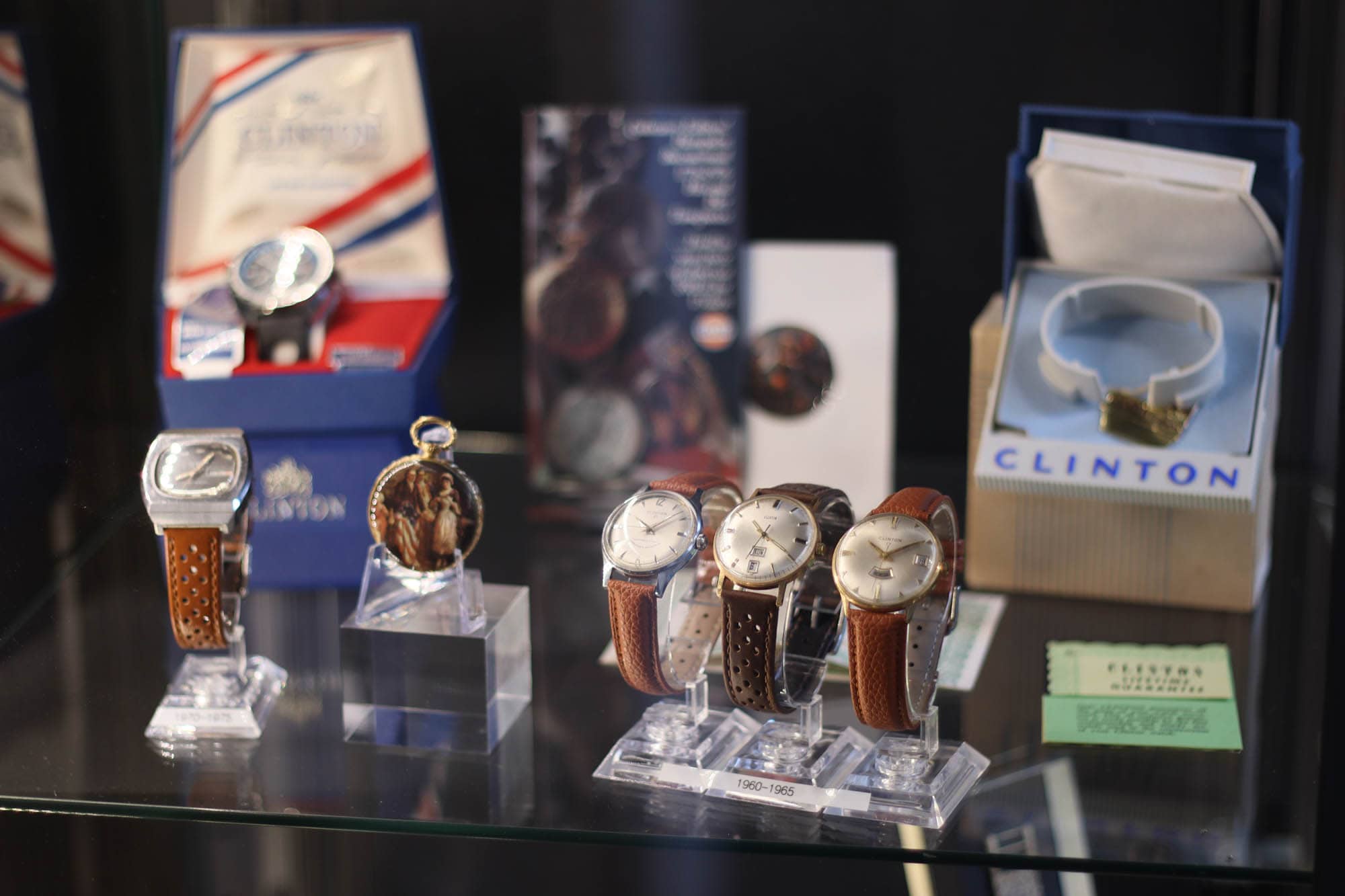
For someone who collects vintage like I do, not initially knowing much about Hampden’s history before the workshop may make it difficult to connect with the brand and, thus, purchase admission to the program. Without the brand prominence of more mainstream watch companies, name recognition can be a potential roadblock for outreach. I feel a strategy that could work towards remedying this dilemma may be through continuing to promote their history through social media posts and advertisement campaigns if the brand decides to focus on that aspect of their image. That being said, the ability to experience the brand’s history while onsite during the workshop was well done; to see and learn about such a medley of timepieces, having handled few to none of them myself throughout my years of research and collecting, was a great part of the experience.
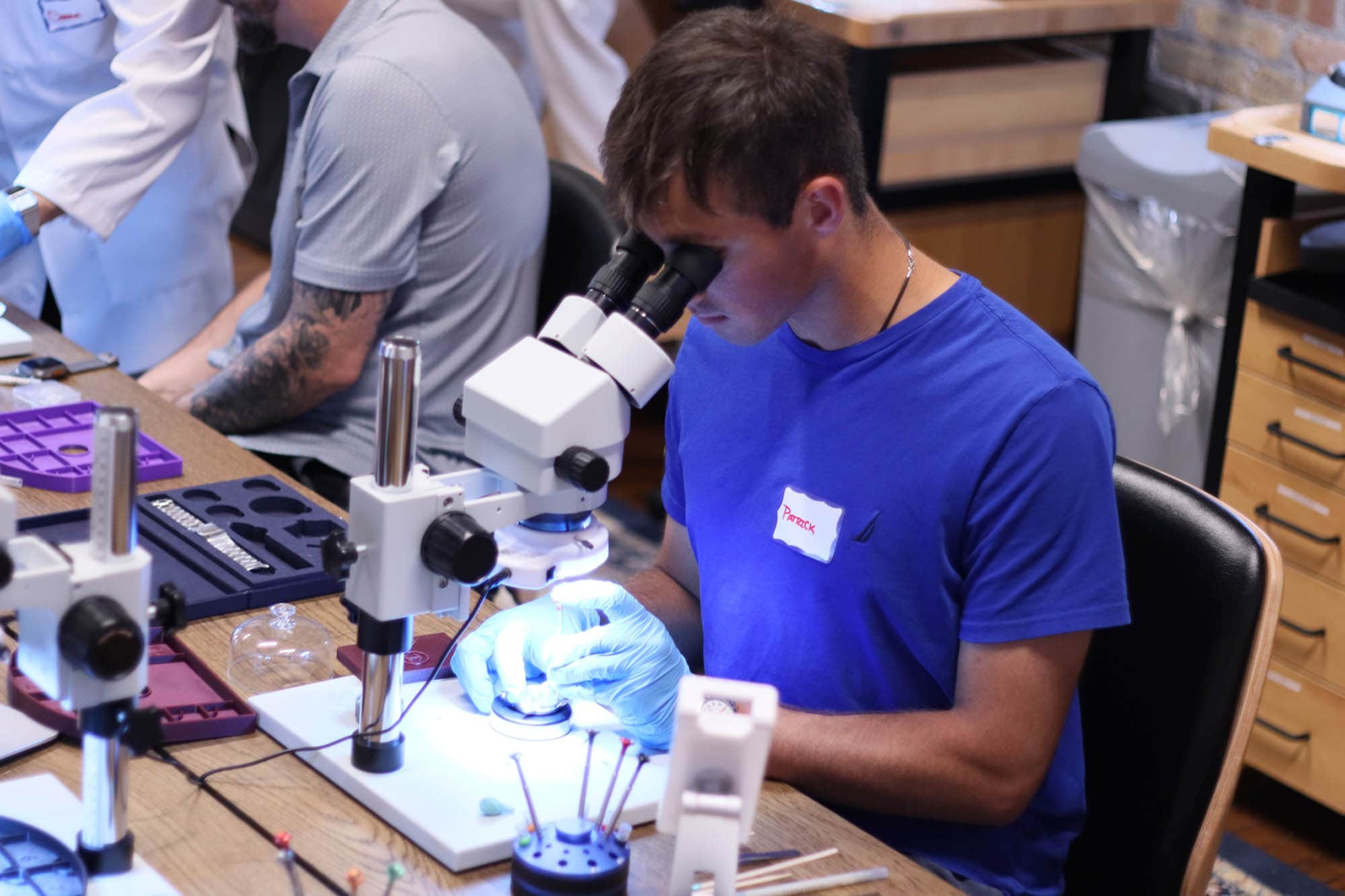
Following the luncheon and archive tour, attendees place the dial and hands on the movement, shortly thereafter casing, time graphing, and water/pressure testing the watch. Participants are then casually surveyed to see what their overall experience was and what improvements could be made to the Workshop overall. In my group, everyone was pleased with their time and newly crafted timepiece, thanking Joe and the staff for putting on the event and assisting us each step of the way. I had sat next to and worked alongside John from Indianapolis and Patrick from Colorado Springs throughout the workshop, and both had brought nothing but positive comments to the table discussion at the conclusion of our day. For both (and most other attendees), this was the first time they had dug into a movement and learned more about what makes a watch tick. As someone thankful enough to have had that introductory experience at a very early age, it was heartwarming to watch that moment happen for other collectors in real time.
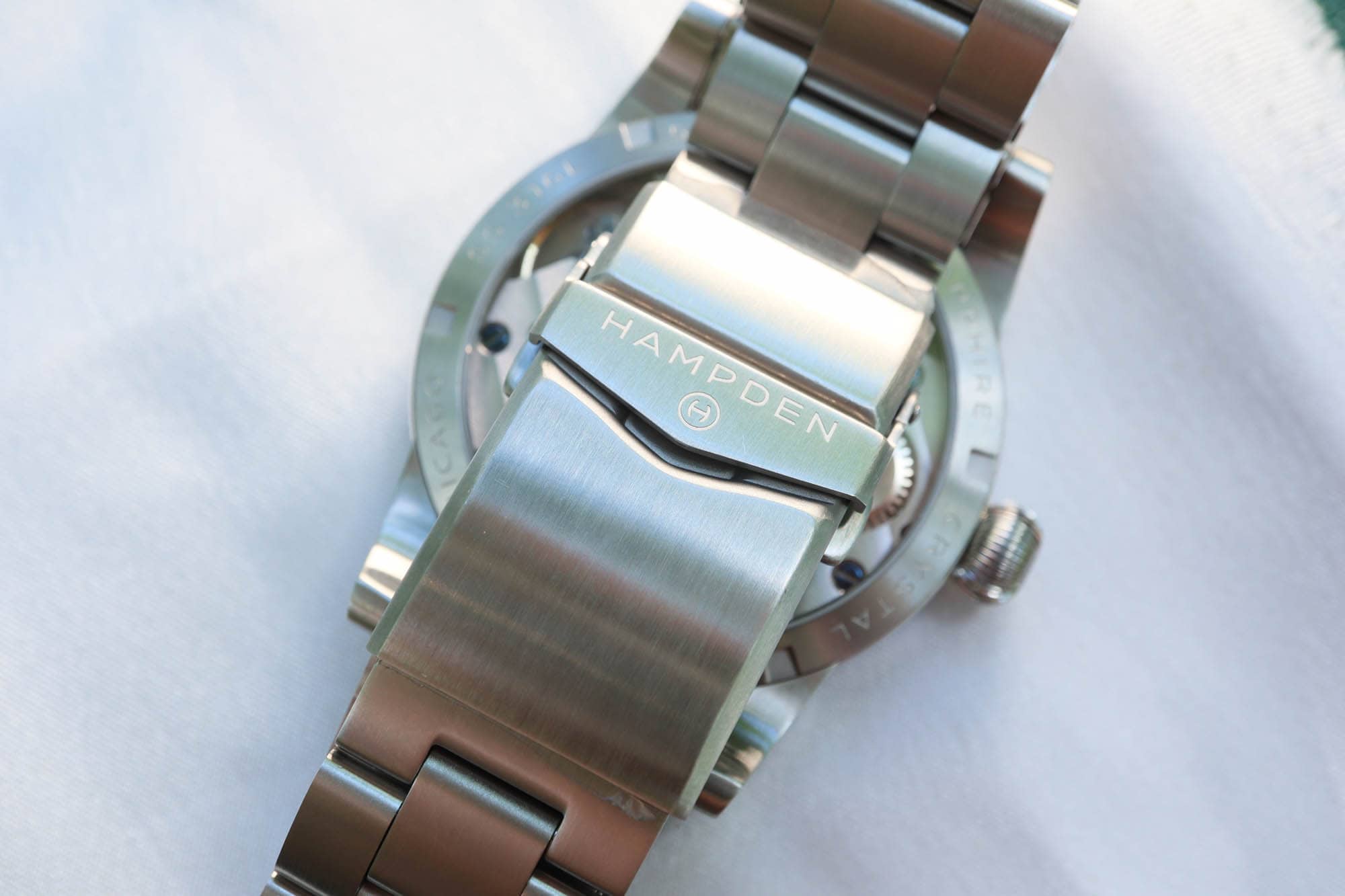
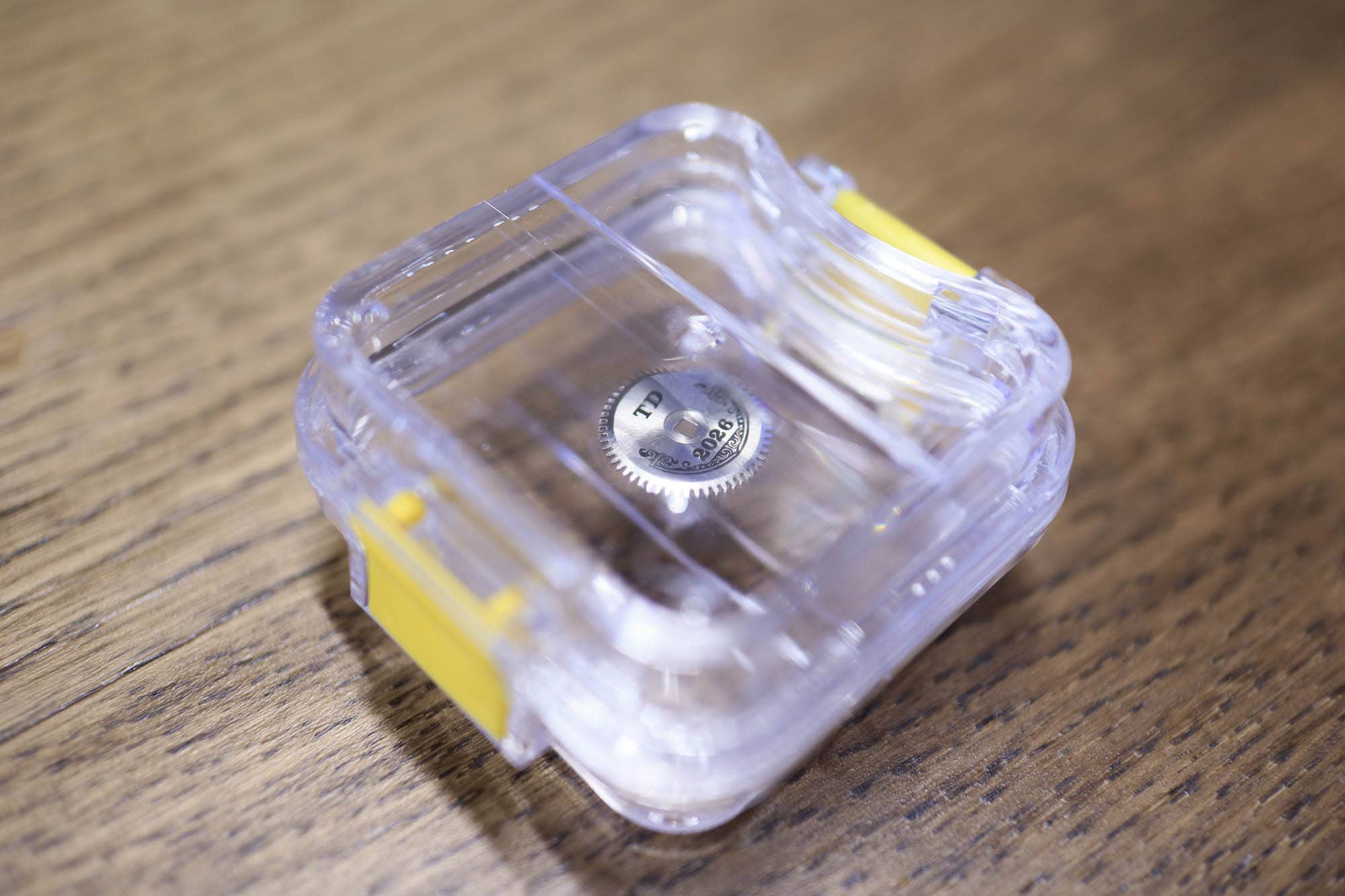
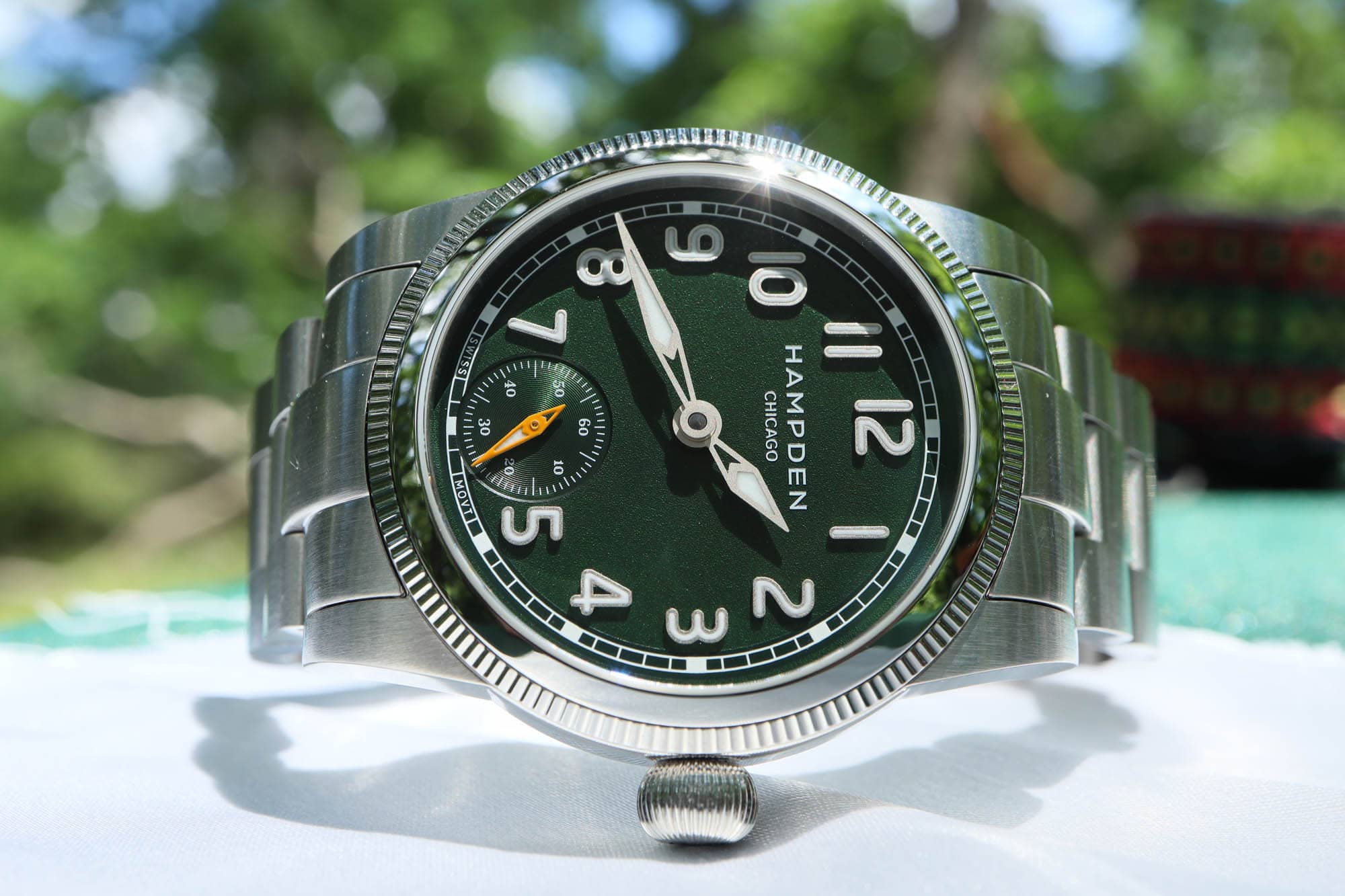
Let’s talk about the watch itself. Measuring 42mm in diameter, it’s rather large for my personal tastes but smartly proportioned overall, especially for housing the 36mm 6498 movement inside. It fits well on my 7.25” wrist, with the solid end link stainless-steel bracelet adding little in bulk/size but plenty in looks. I should also note that provided with the package is a 22mm leather band (colors varying depending on the dial choice) as well, for those who prefer a two-piece strap. The applied indices and orange pop of the sub-seconds hand against that dark shade of green are great and meet the standards of a watch at this price point. Lastly, the exhibition case back helps show off the engraved ratchet wheel that Hampden inscribes for each attendee, fitted with their initials and the year the watch was assembled.
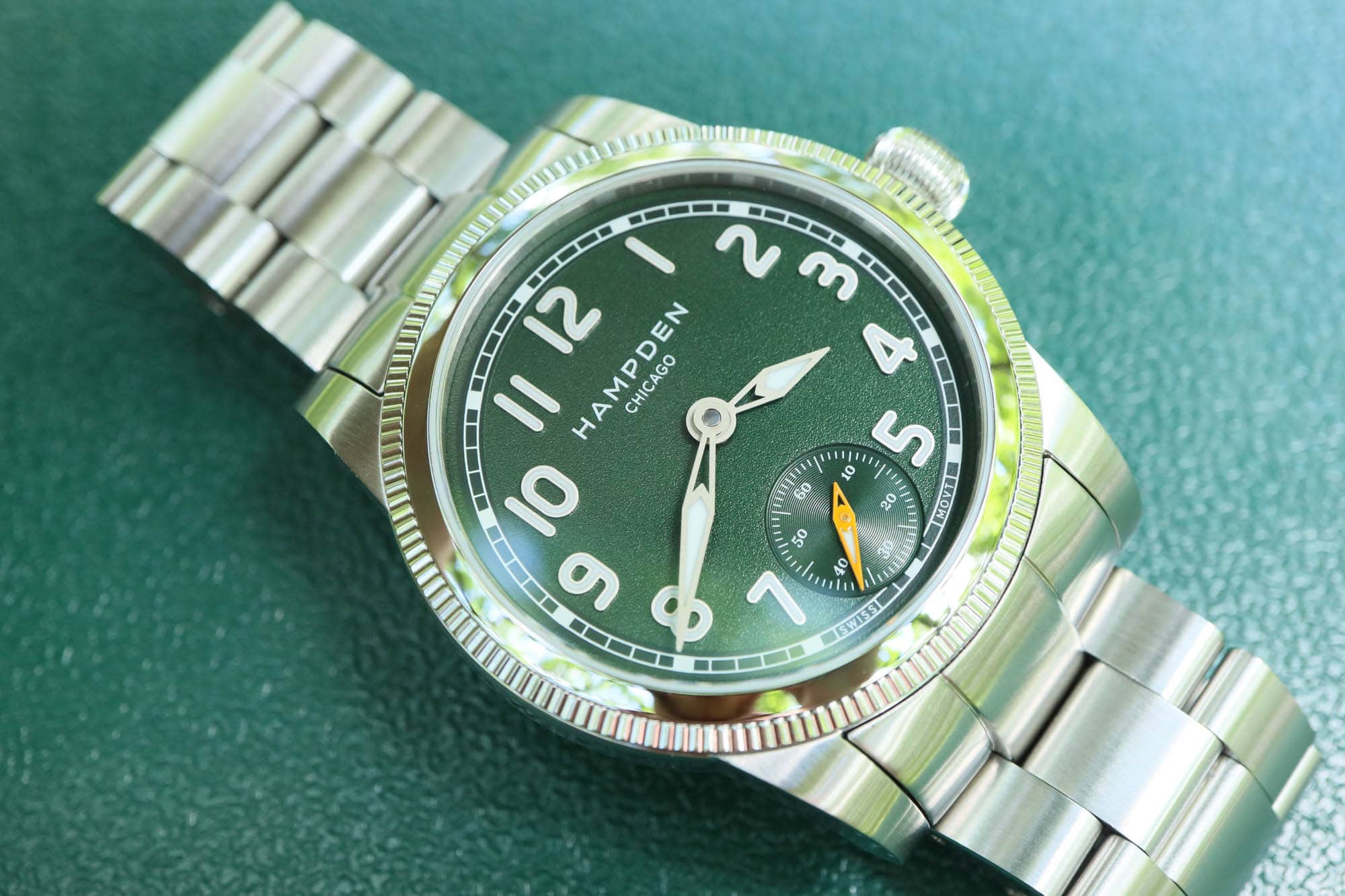
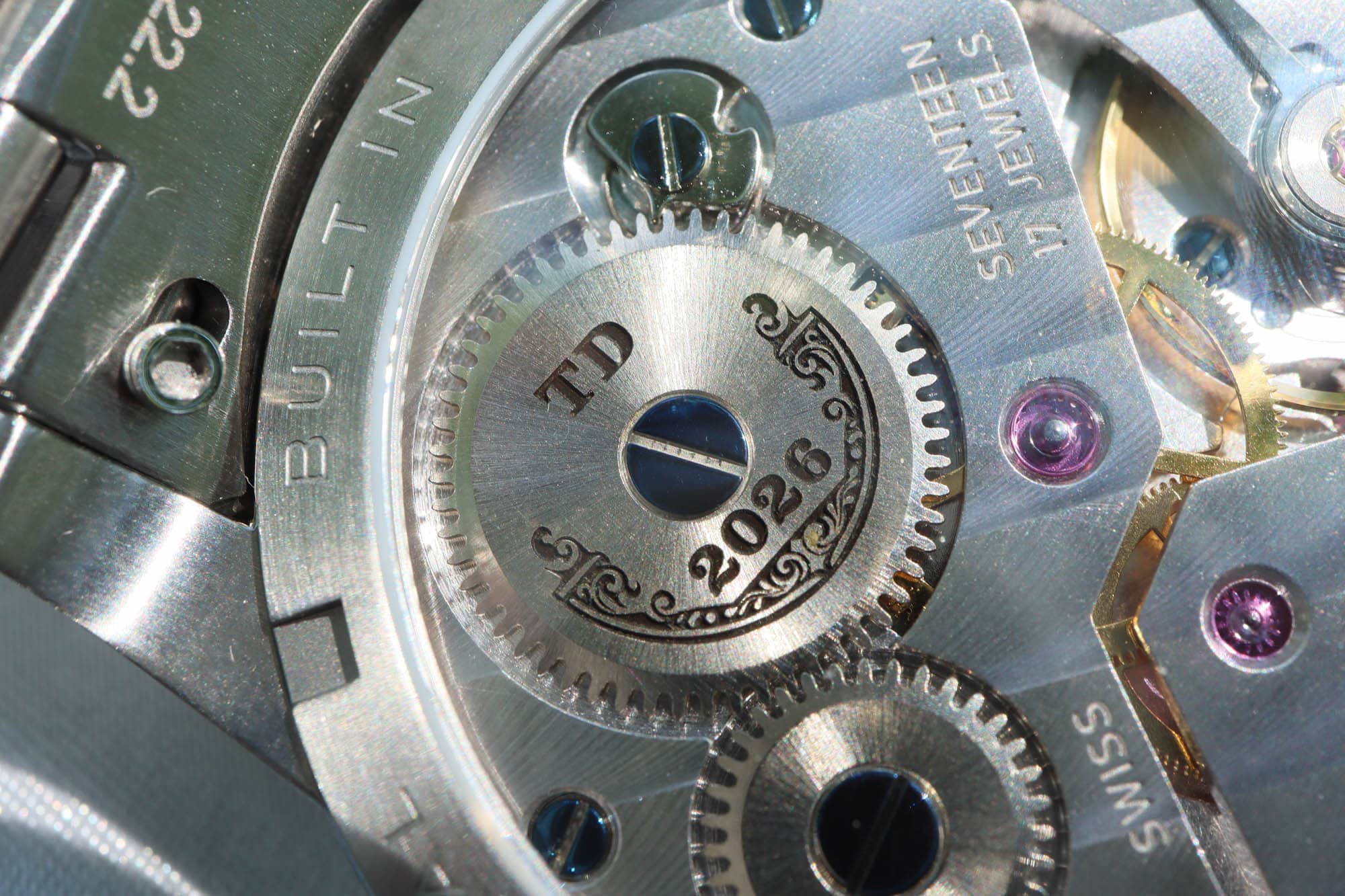
Moving to pricing, for those interested in attending a Hampden First Hand Watchmaking Workshop, the total cost for the six-hour event is $2,100 per participant. This expense will, of course, unfortunately price out many collectors interested in participating in an event of this nature. However, between the cost of staff and labor, watch parts/movements, education and experience, accessibility to watchmaking tools, and lunch/refreshments, it’s a somewhat understandable price to pay for attendance to a workshop of this type and length. From the perspective of an affordable watch collector, I would personally steer towards more cost-effective changes to lessen the initial cost to participants––such as omitting a fancier lunch––but get if that’s not the experience Hampden is shooting for. As a luxury watchmaking workshop event, pricing aside, it’s an excellent experience. I had initially wondered if the workshop’s six-hour length could perhaps be a little long, and that shortening its runtime may help cut down on costs, but the broad variation in participant experience and skill helps justify the need for an all-day event; the last thing anyone wants is to feel rushed and anxiety-ridden for a fun activity they paid for.
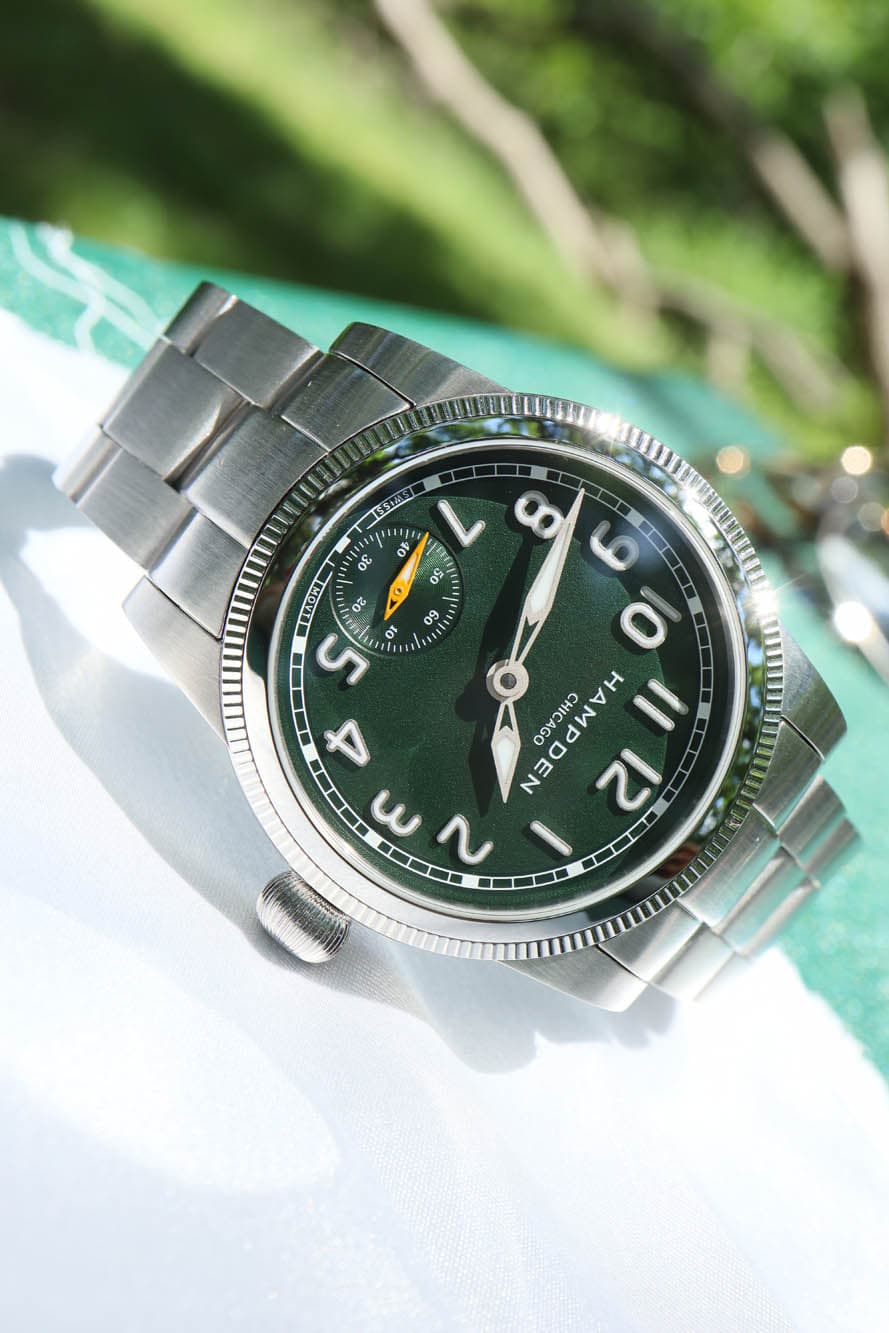
As an avid watch enthusiast, I left the Hampden First Hand Workshop pleasantly surprised with how much knowledge I had gained. Before attending, I had figured my preexisting watch repair experience would get me through the workshop easily, but I walked away knowing a lot more than I expected to learn. I will repeat, however, that as someone with a lack of disposable income, the pricing certainly comes to collectors of my financial status as a rather hard pill to swallow. For those financially able to attend, the workshop is a highly beneficial experience for watch enthusiasts who have always wanted to learn the basics behind the timepieces they love to collect.
Ultimately, I feel that any watchmaking workshop can help bridge the gap between seasoned collectors with little watchmaking experience and newly minted enthusiasts looking to get their feet wet in the mechanical side of horology. Hampden has created an impressive luxury workshop experience for those seeking to participate in a course of this kind, and as a brand working to reestablish itself in the contemporary watch space, they have made strides in the right direction.
More on the First Hand Watchmaking Workshop, including dates and sign up information, can be found at the Hampden website here.