 Latest Review




Images from this post:
 May 19, 2025
 Between Speed And Precision: A Weekend With IWC At The Miami Grand Prix
May 19, 2025
Words by Liam O'Donnell
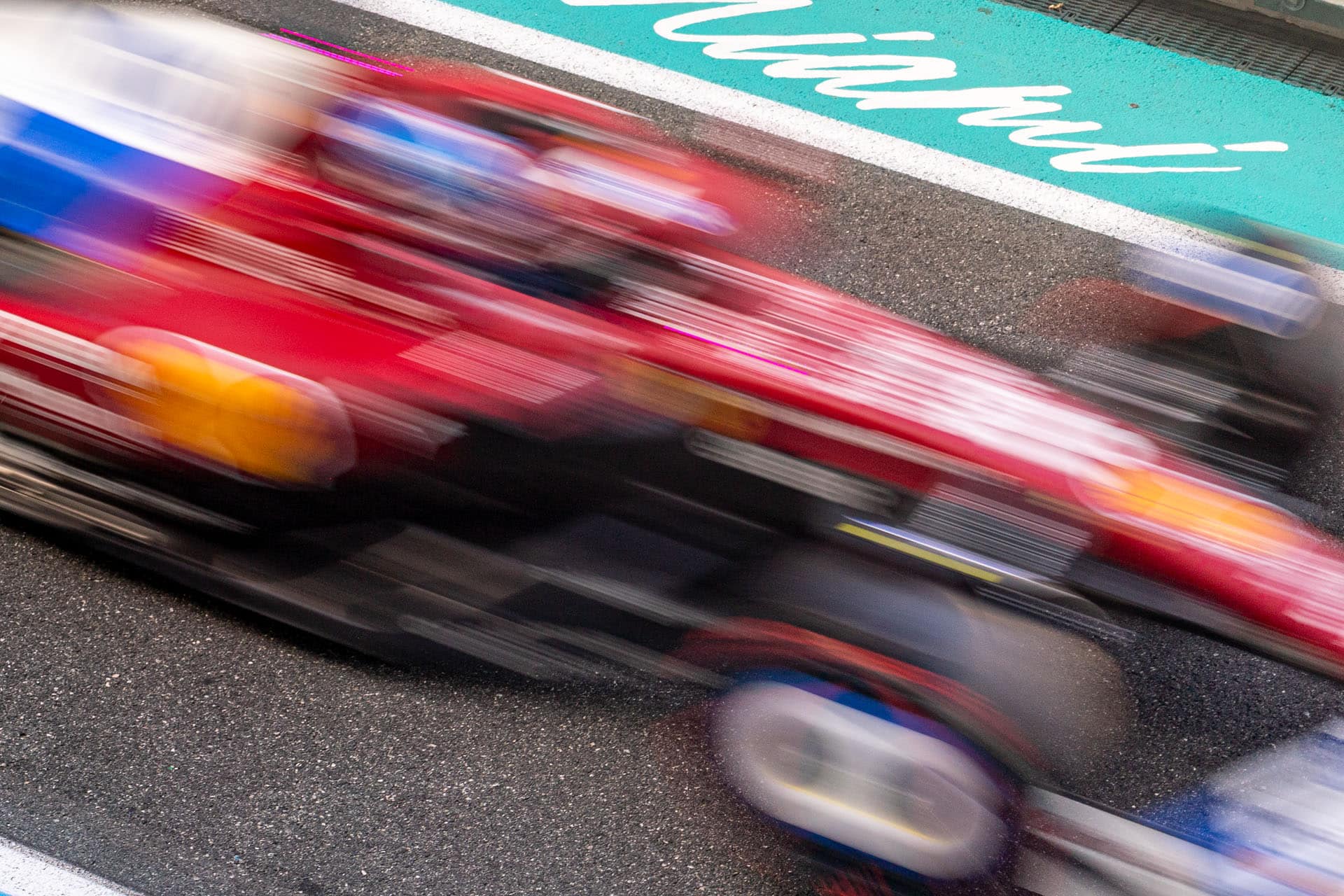
The Miami Grand Prix is intense by design. The sun hits differently on the tarmac, the sound of the cars doesn’t just echo — it reverberates, right through you. Everything is dialed up: the engineering, the spectacle, the precision. But amid the blur of the race weekend, IWC created something quieter — a way into the action that felt more deliberate.
Through its partnership with Mercedes-AMG Petronas Formula One Team, IWC brought us into their world — not just to watch the race unfold, but to see how it’s built. That meant pit access, conversations with drivers, a behind-the-scenes look at the brand’s pop-up watchmaking setup, and the time to notice what usually goes unseen.
This report isn’t told in sequence. It follows themes — because what stood out most during the weekend wasn’t a single moment, but how the same mindset appeared in different forms: in racing, in watchmaking, in the way people moved through space under pressure.
Right Out Of The Gate
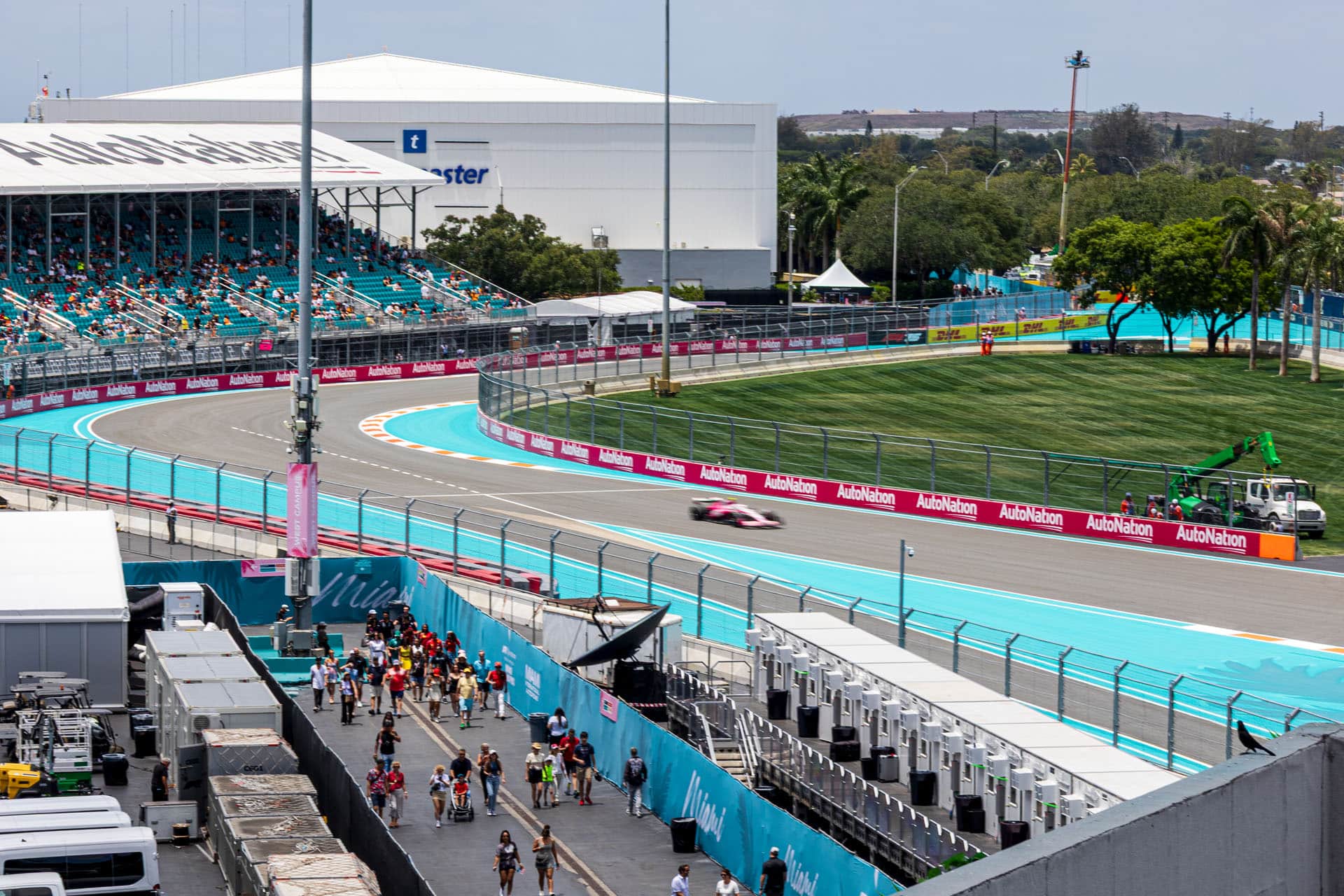
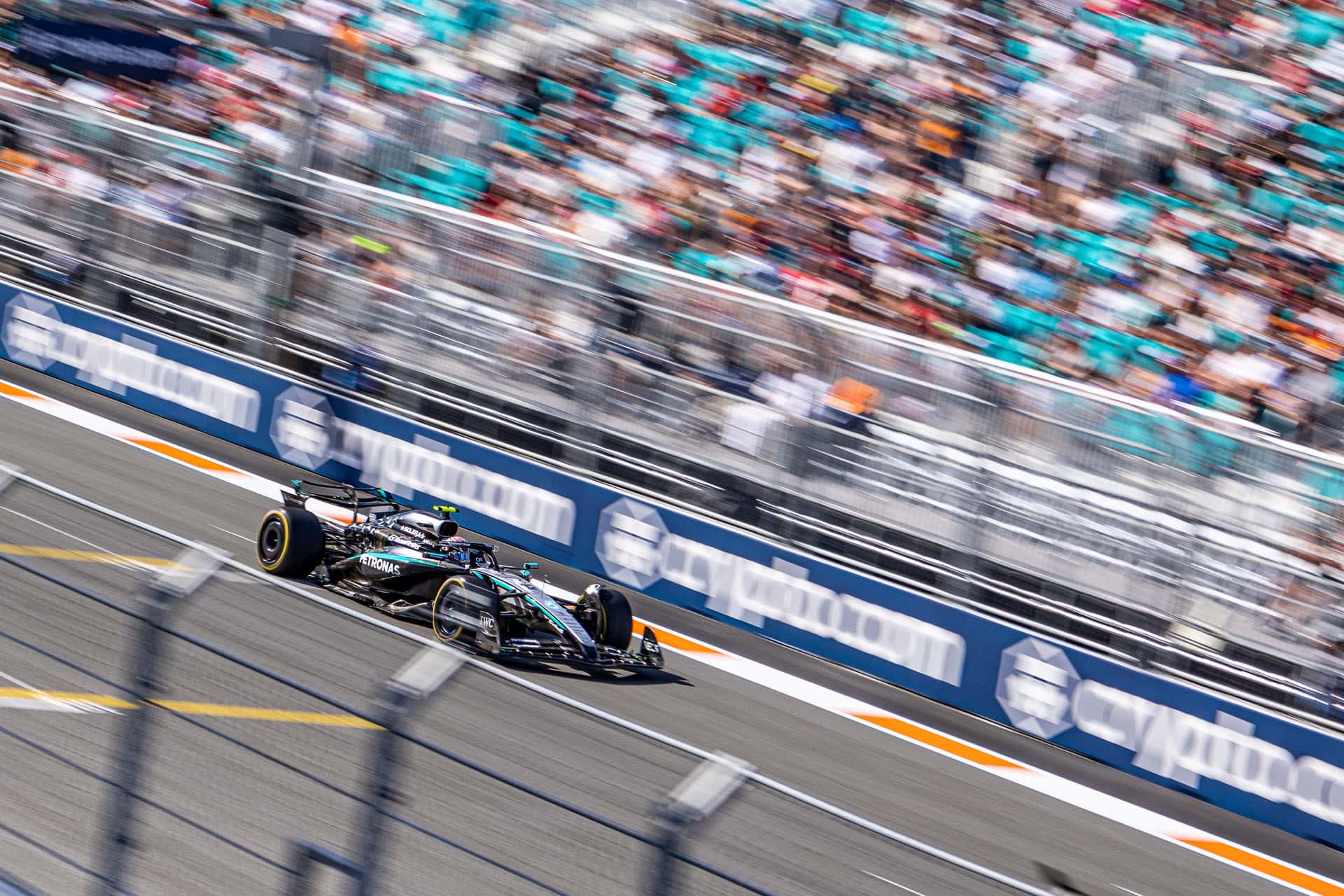
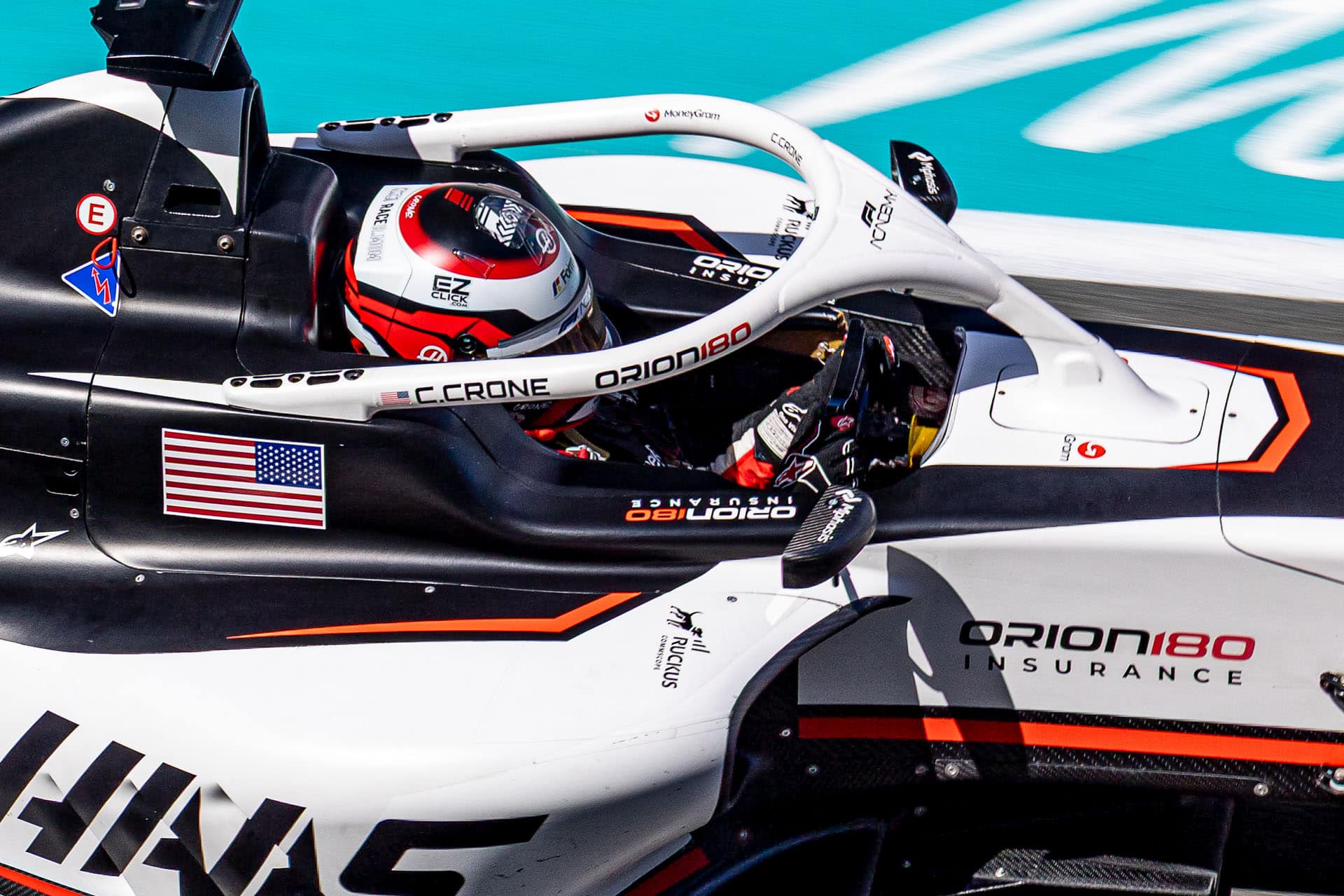
From above, the scene feels cinematic — perfect light, clean angles, one car on a tear across the straight. It’s the kind of view you expect from coverage, but it doesn’t capture the density of the sound or the sharp intake of breath when a car goes past.
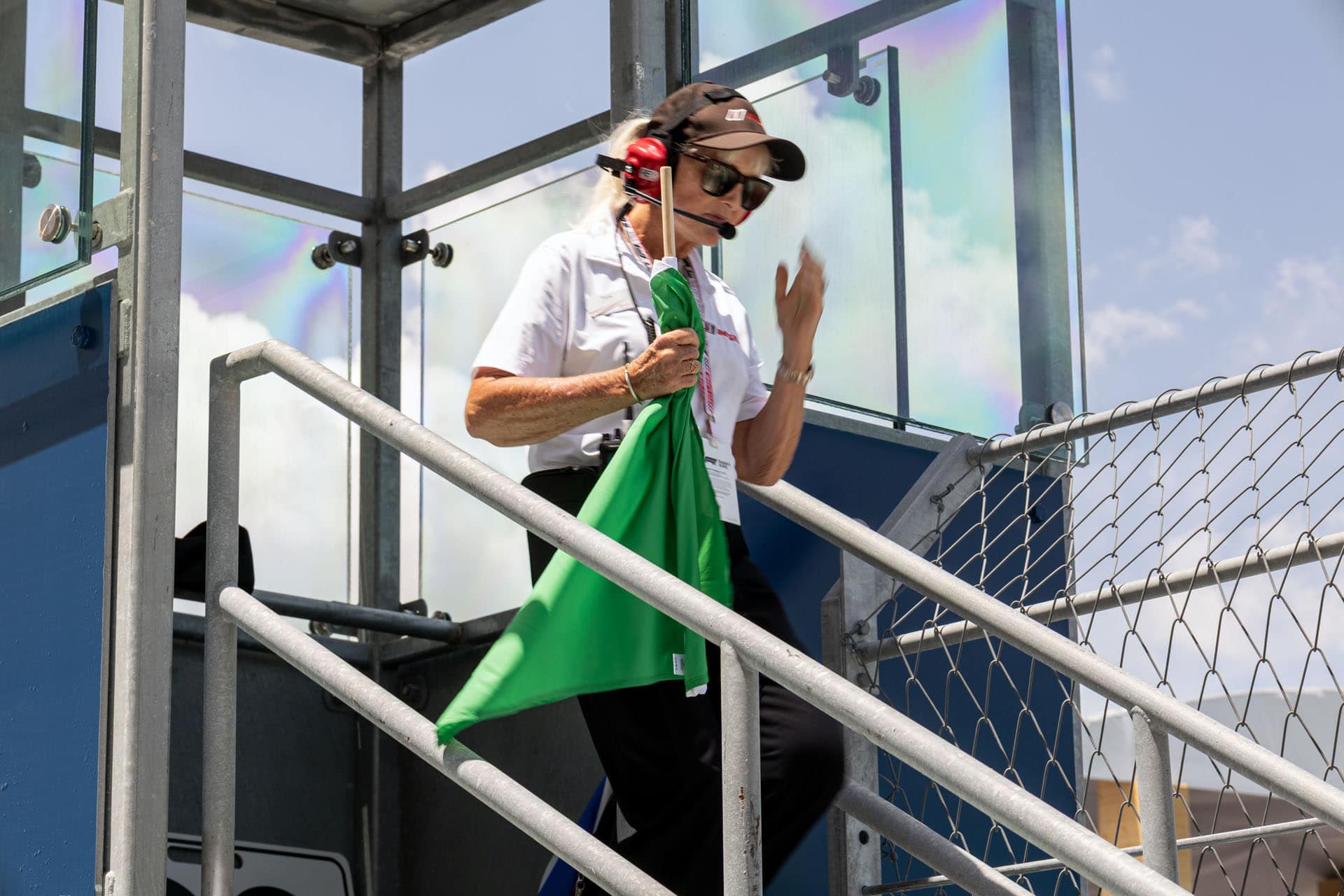
Before the chaos, there’s formality. A single marshal descending with the green flag in hand — one of the oldest symbols in racing, still in use.
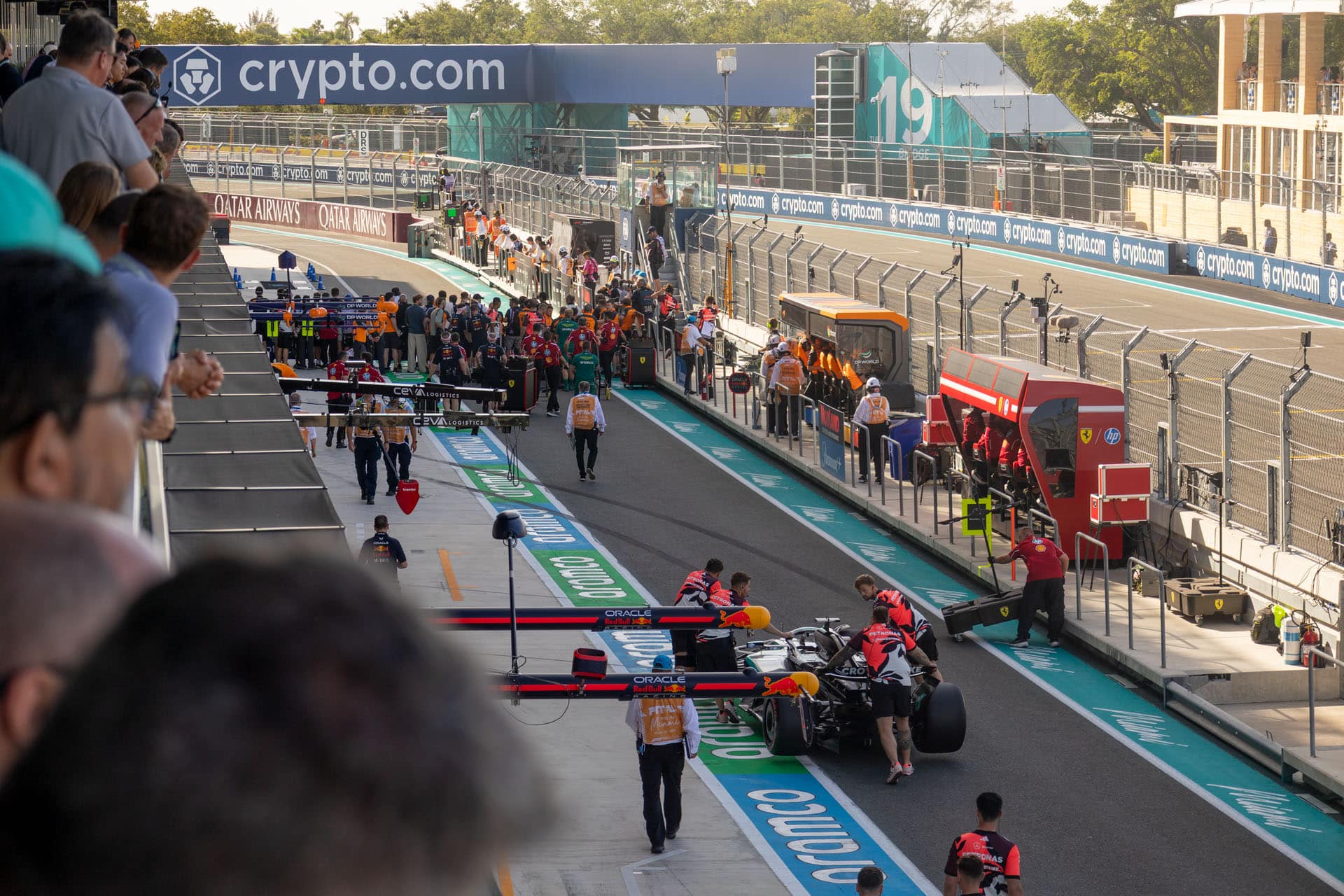
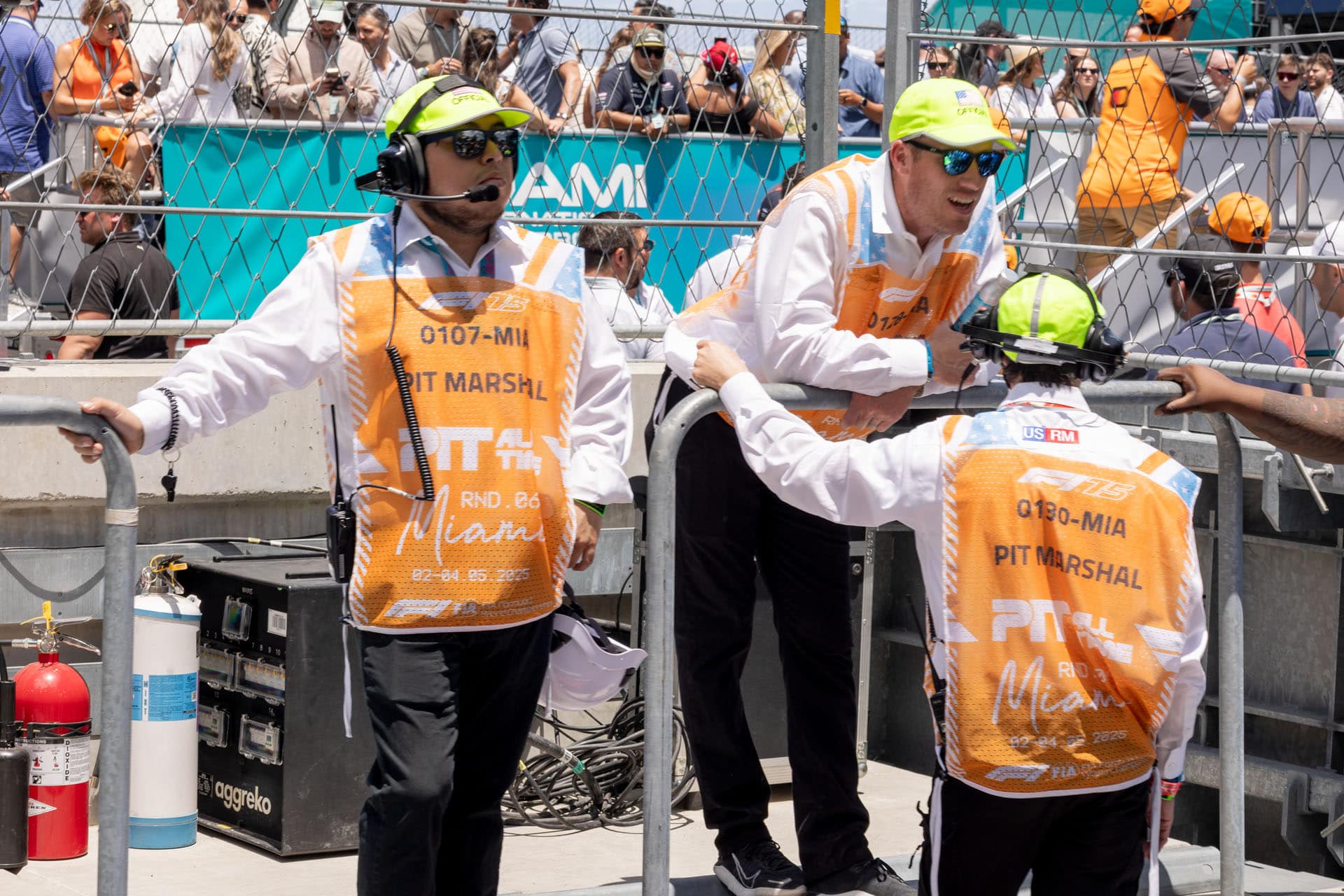
Even between sessions, there’s motion. Pit crews hover, move, adjust. Radios squawk. It’s not chaotic, but there’s a constant readiness — a hum beneath the surface.
Where The Rubber Meets The Road
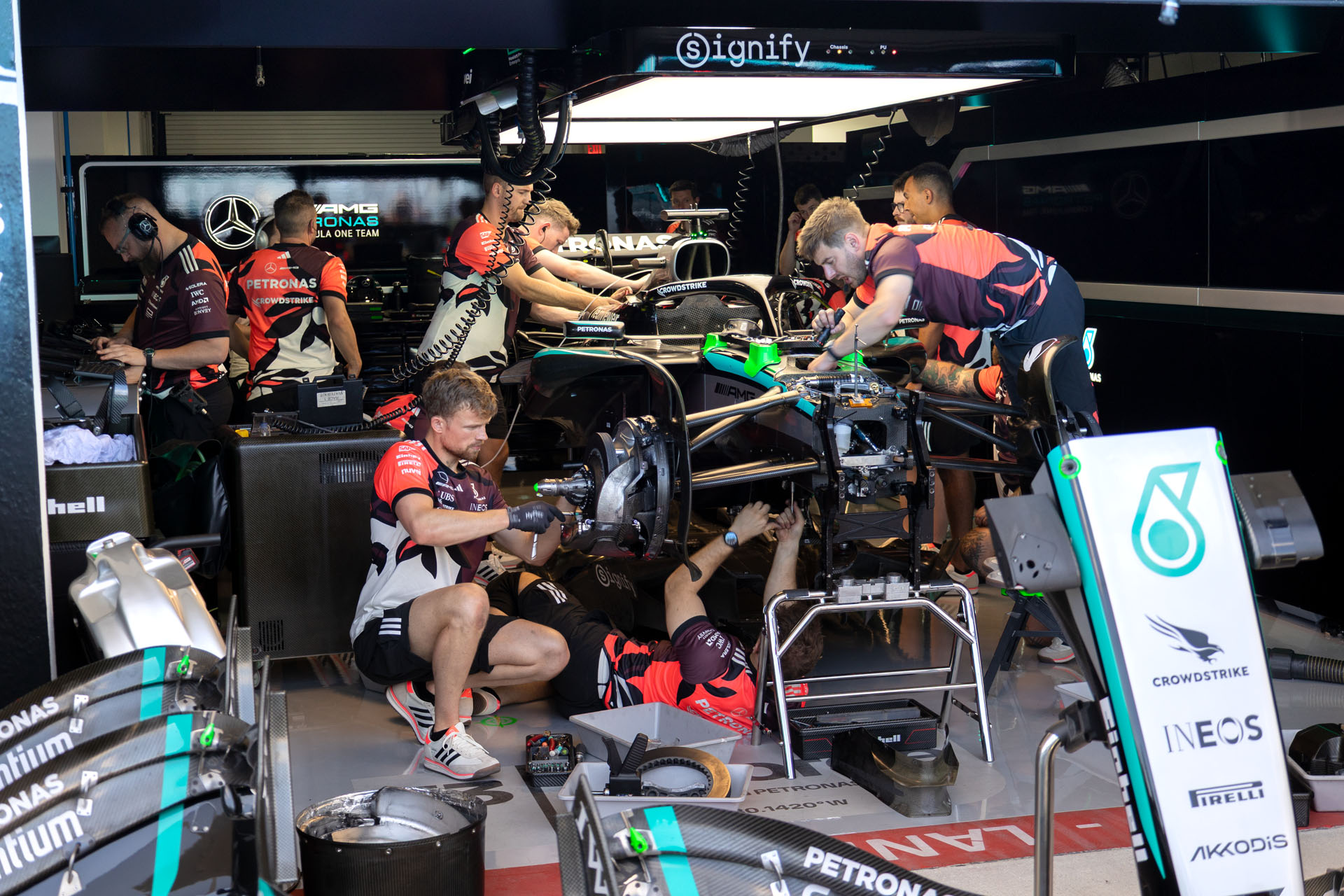
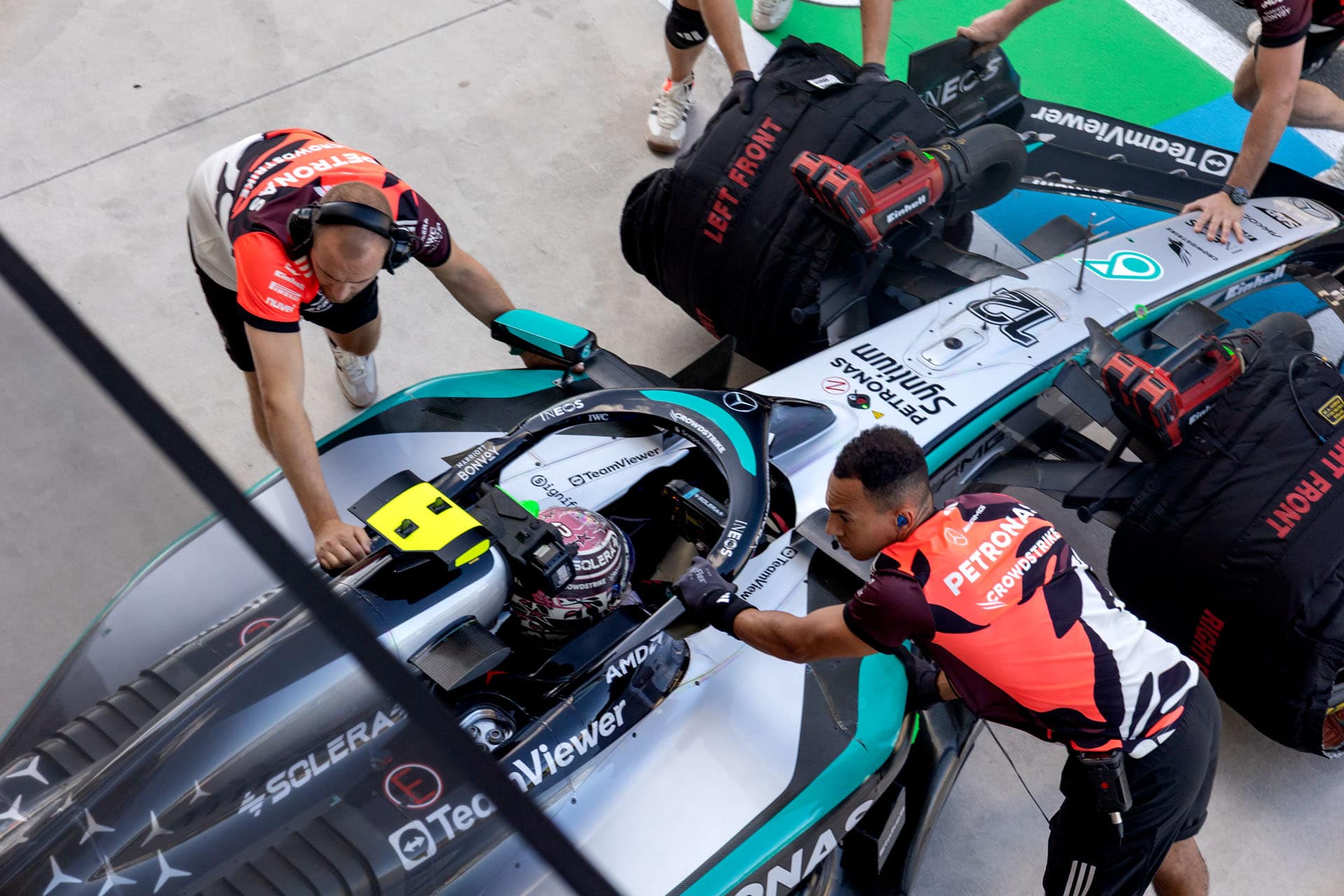
This is the precision everyone talks about in F1. A car rolls into the garage and within seconds, it’s surrounded. Everyone’s locked in, executing a routine that’s been rehearsed dozens of times, but still performed like it counts. Because it does.
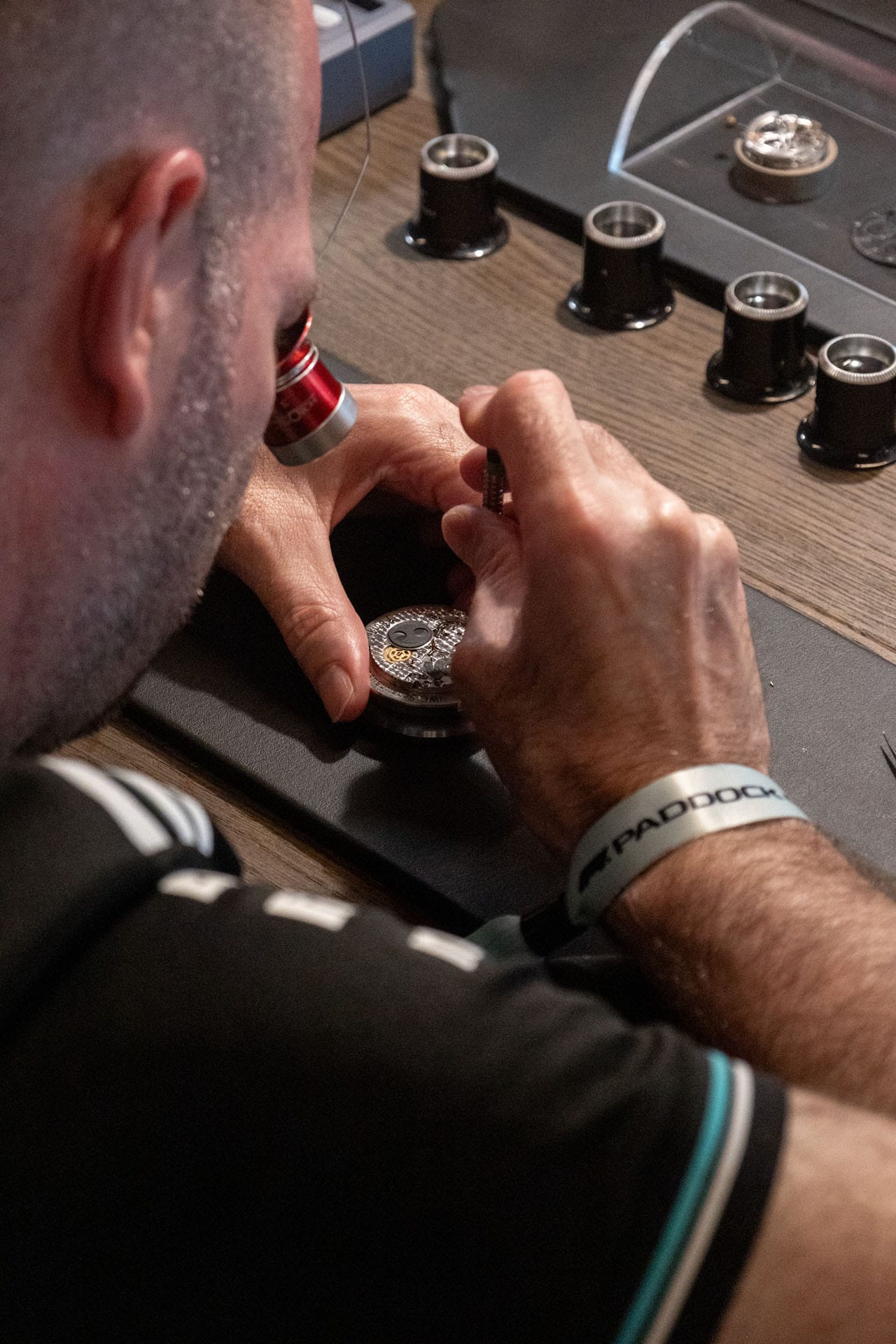
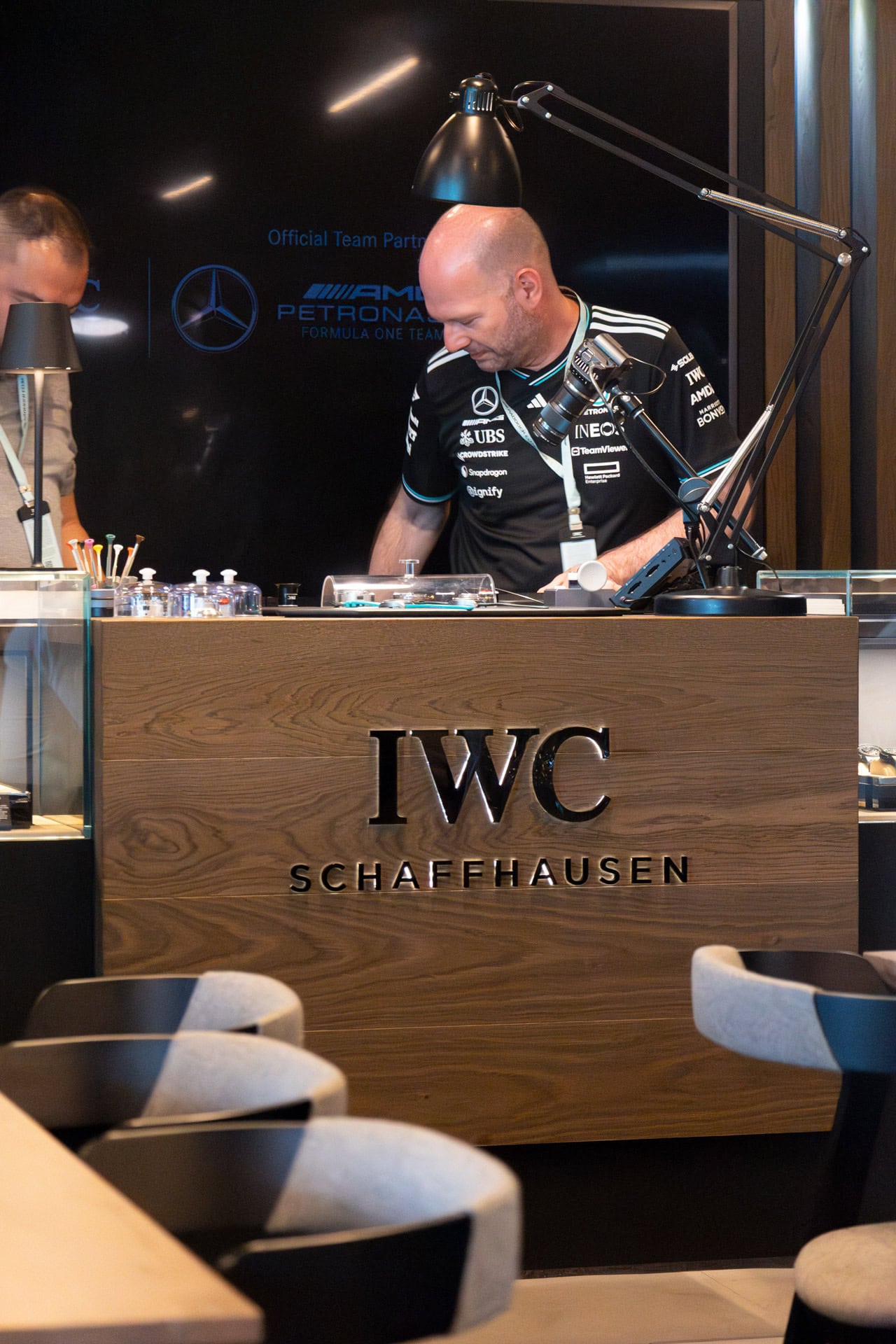
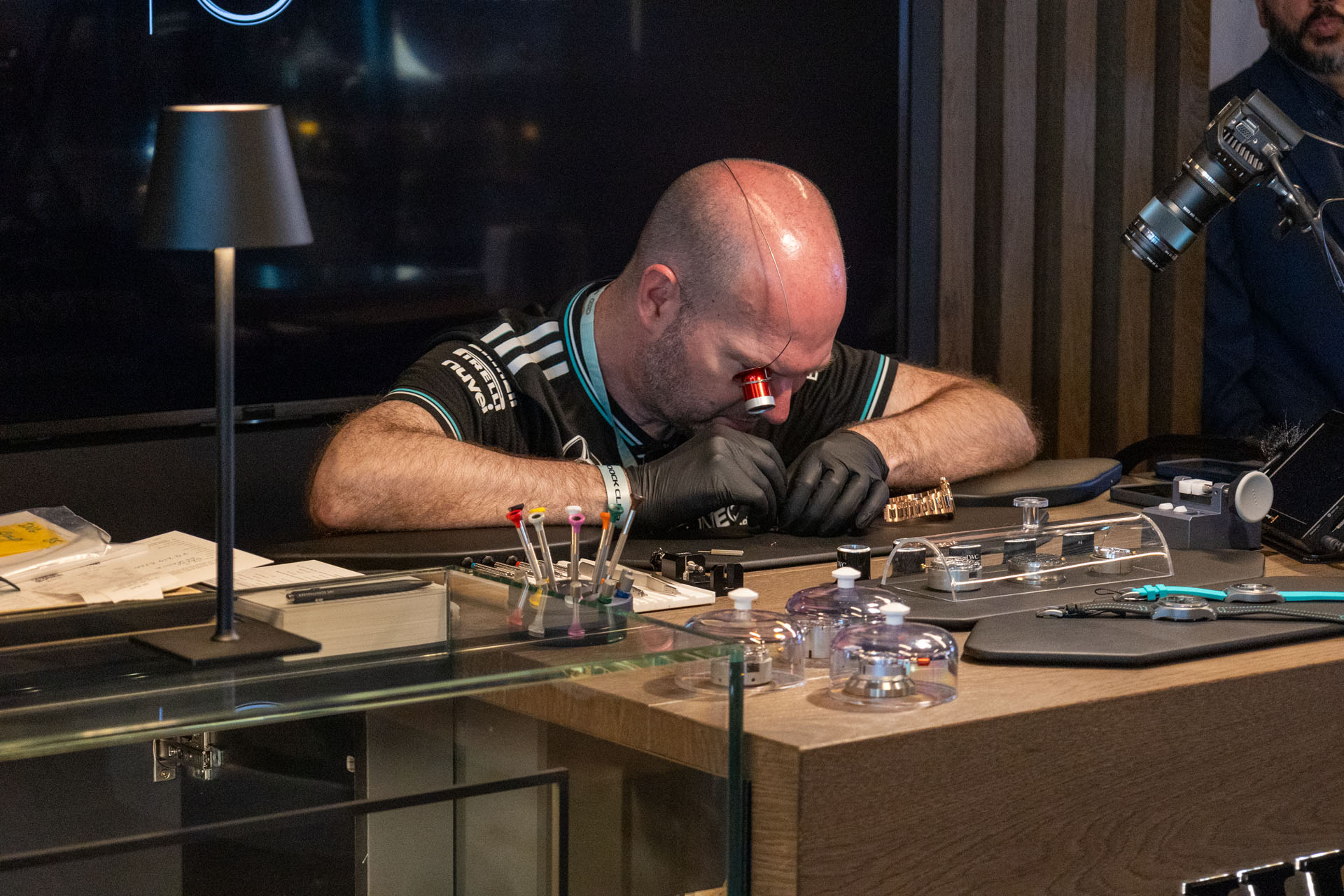
Inside the Mercedes-AMG lounge, it’s quieter. But the level of attention is no less intense. The loupe is the helmet, the screwdriver is the torque wrench. No wasted effort. Just focus.
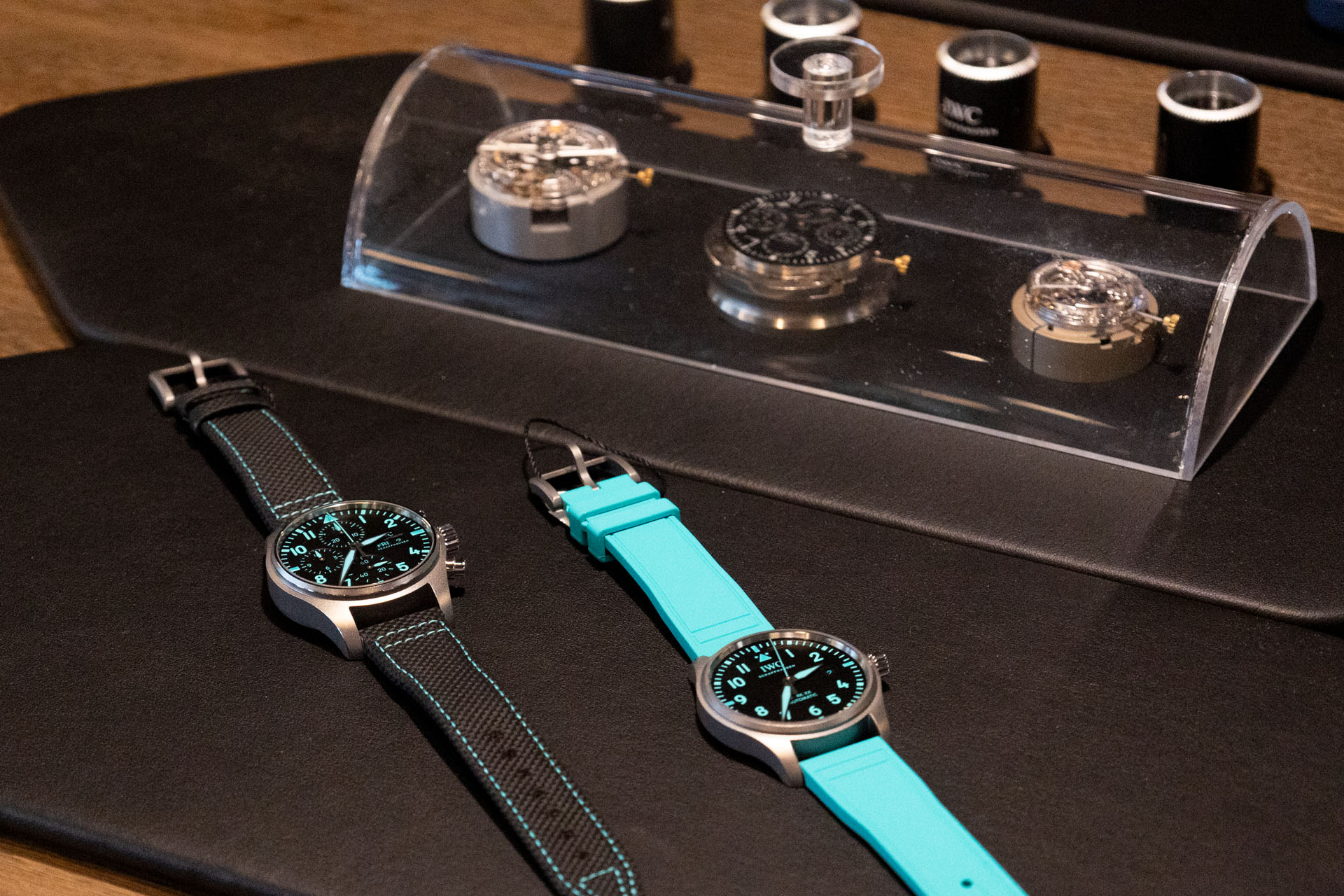
A static display, but it feels alive. The layout says: we’re proud of what’s inside — you’re meant to look closely.
This section of the weekend — hands-on from both pit crew and watchmaker — underlined how much success comes down to prep, not just performance. The moment might be brief, but everything before it is deliberate.
All In The Details
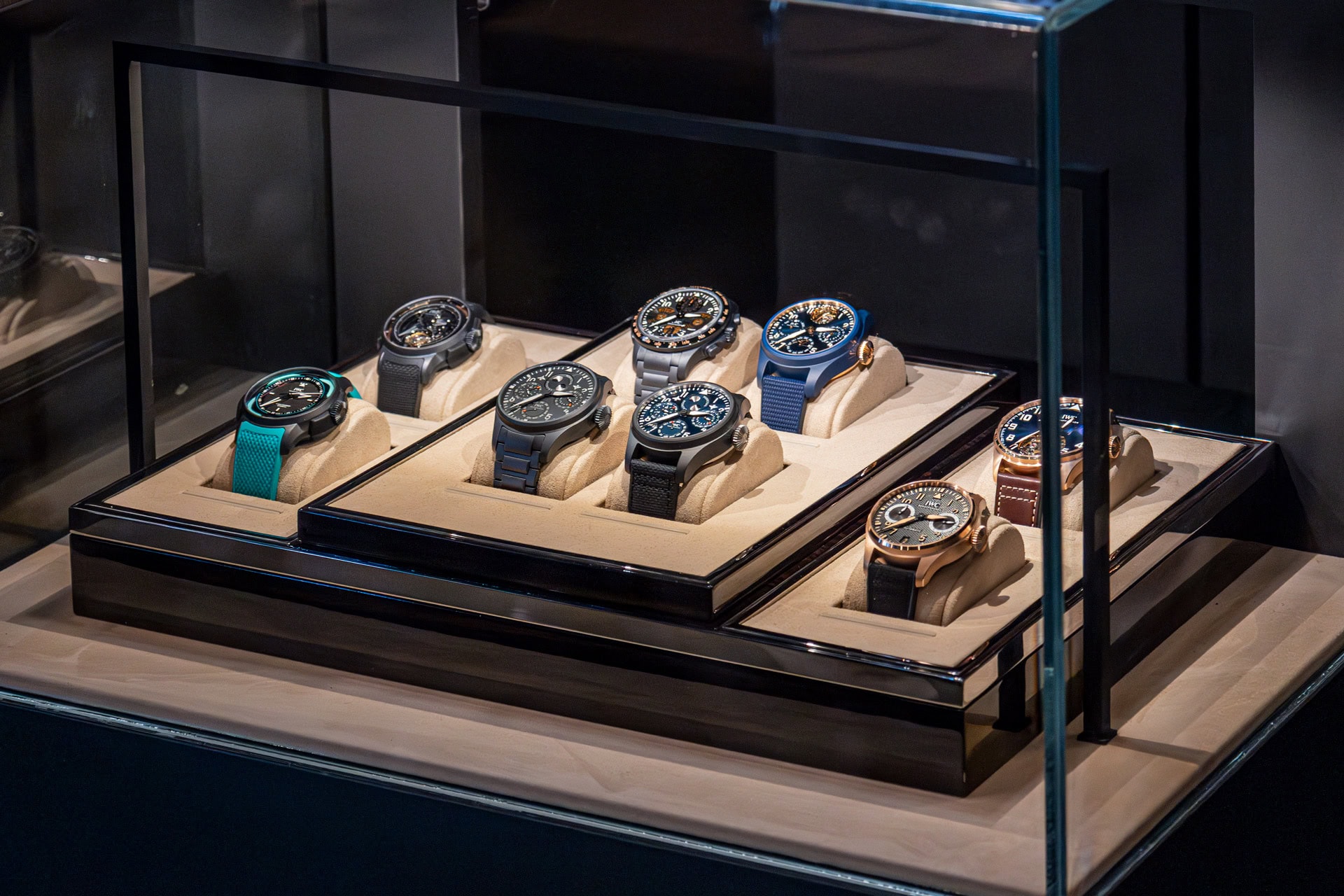
The boutique wasn’t just a brand space. It felt functional — somewhere between showroom and mobile workshop. There were tool trays alongside vitrines, and the room had the smell of new leather and machinery. It was clean, but not overly styled.
Later that evening, dinner felt more like a debrief than a celebration. A long table, low candlelight, familiar voices. The pace slowed, but the energy didn’t vanish — it just softened.
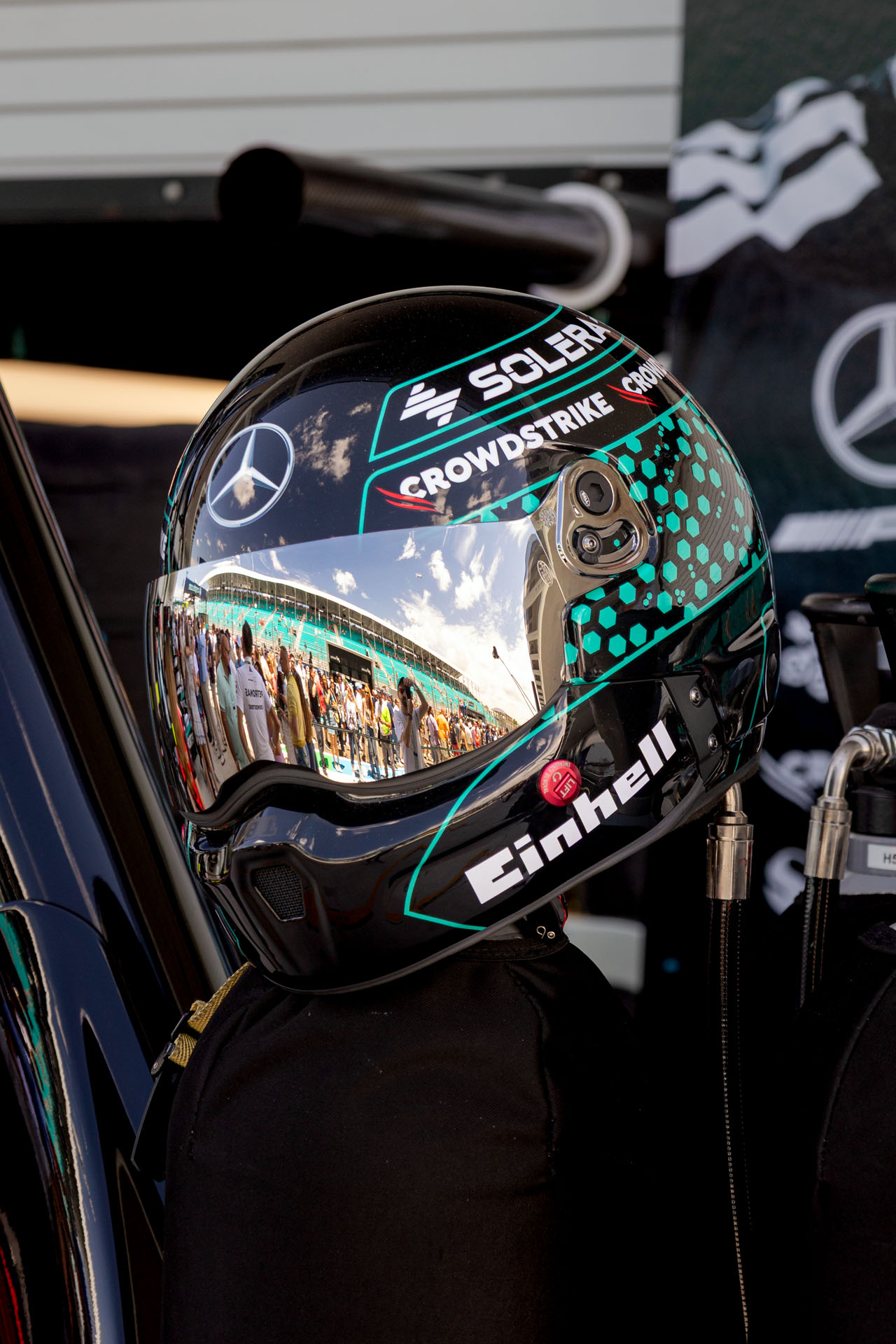
The kind of shot you don’t plan. The reflection in the visor catches a world of movement in a moment of stillness. A subtle nod to the pressure these crews live under, even while standing still.
Not Just For Show
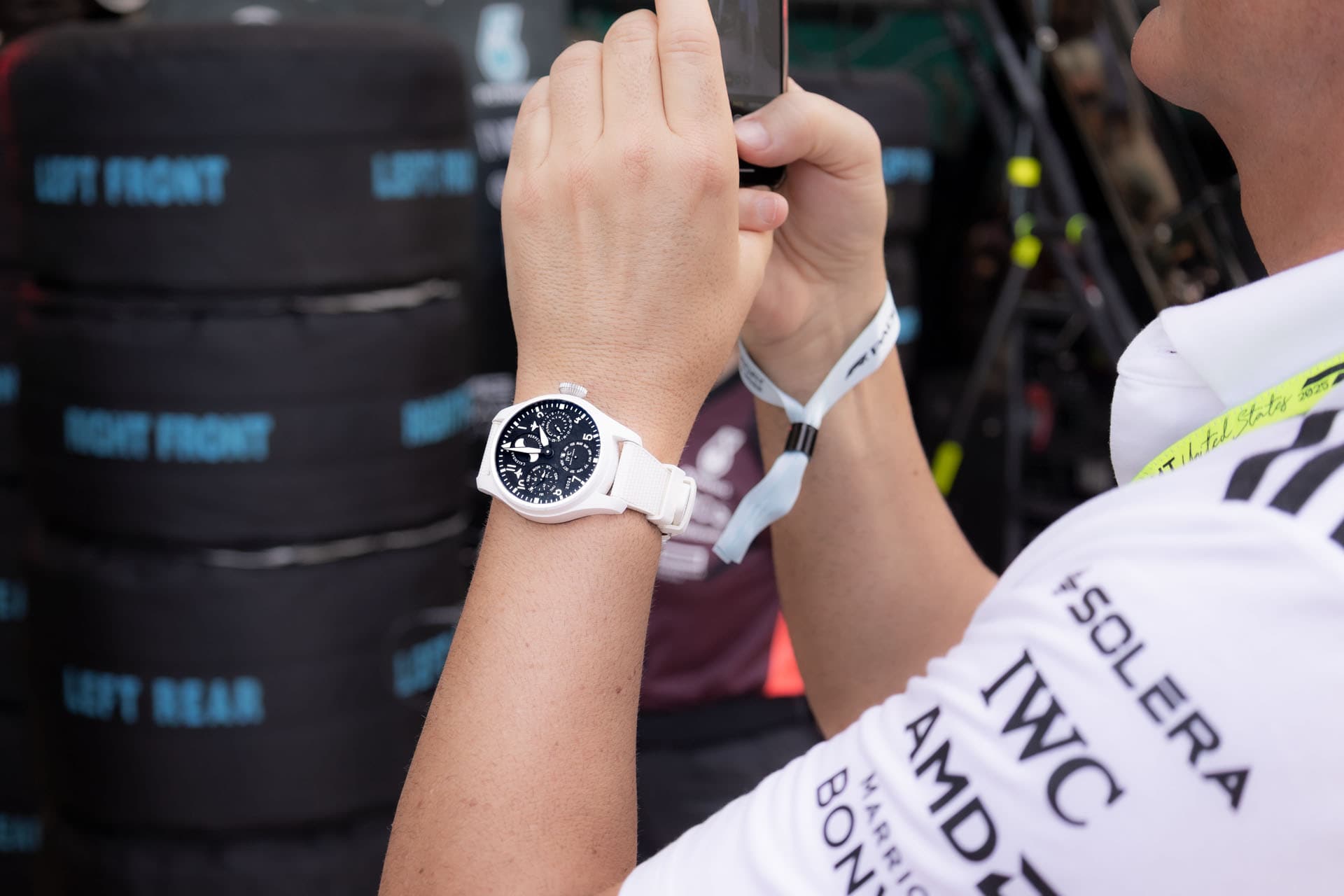
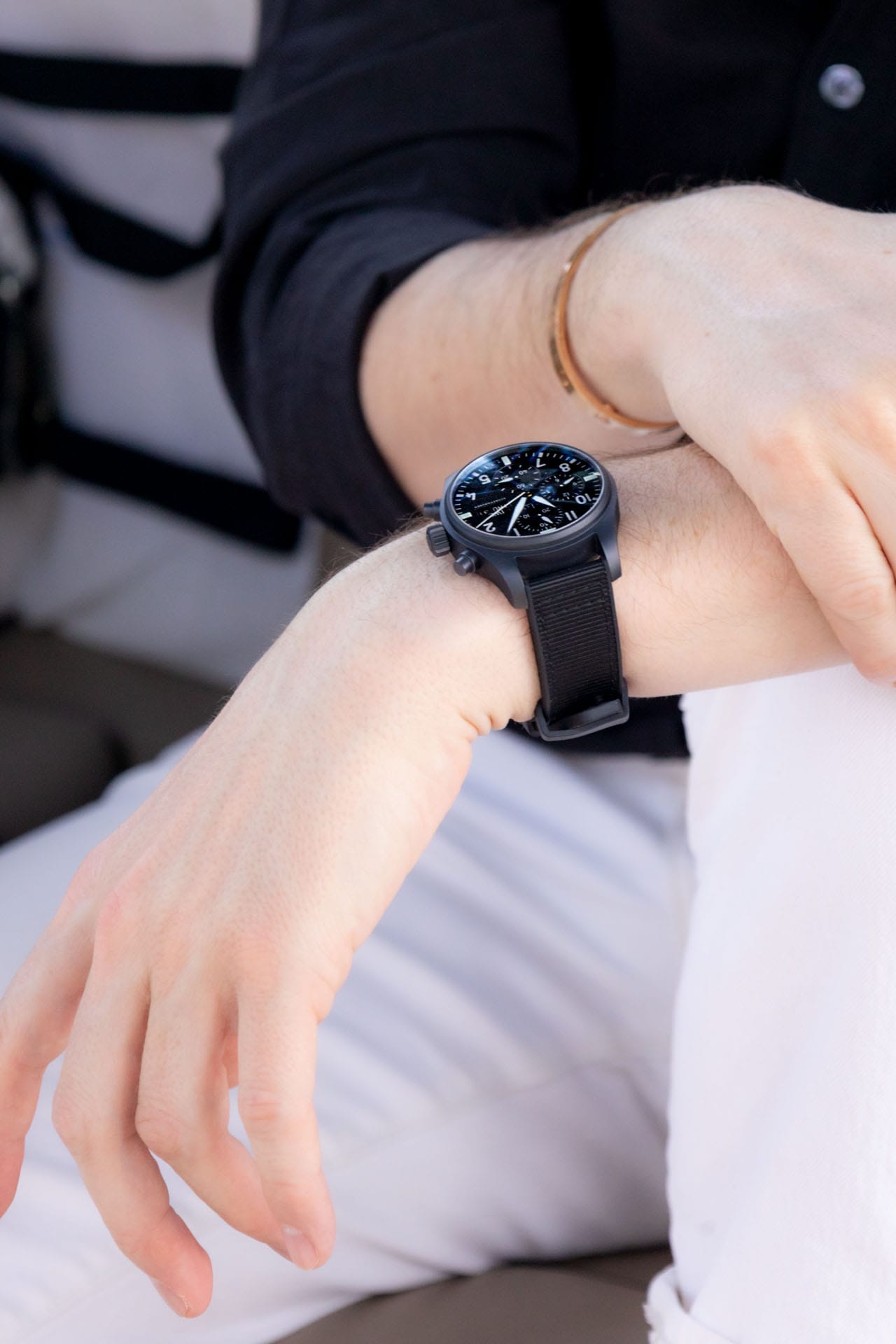
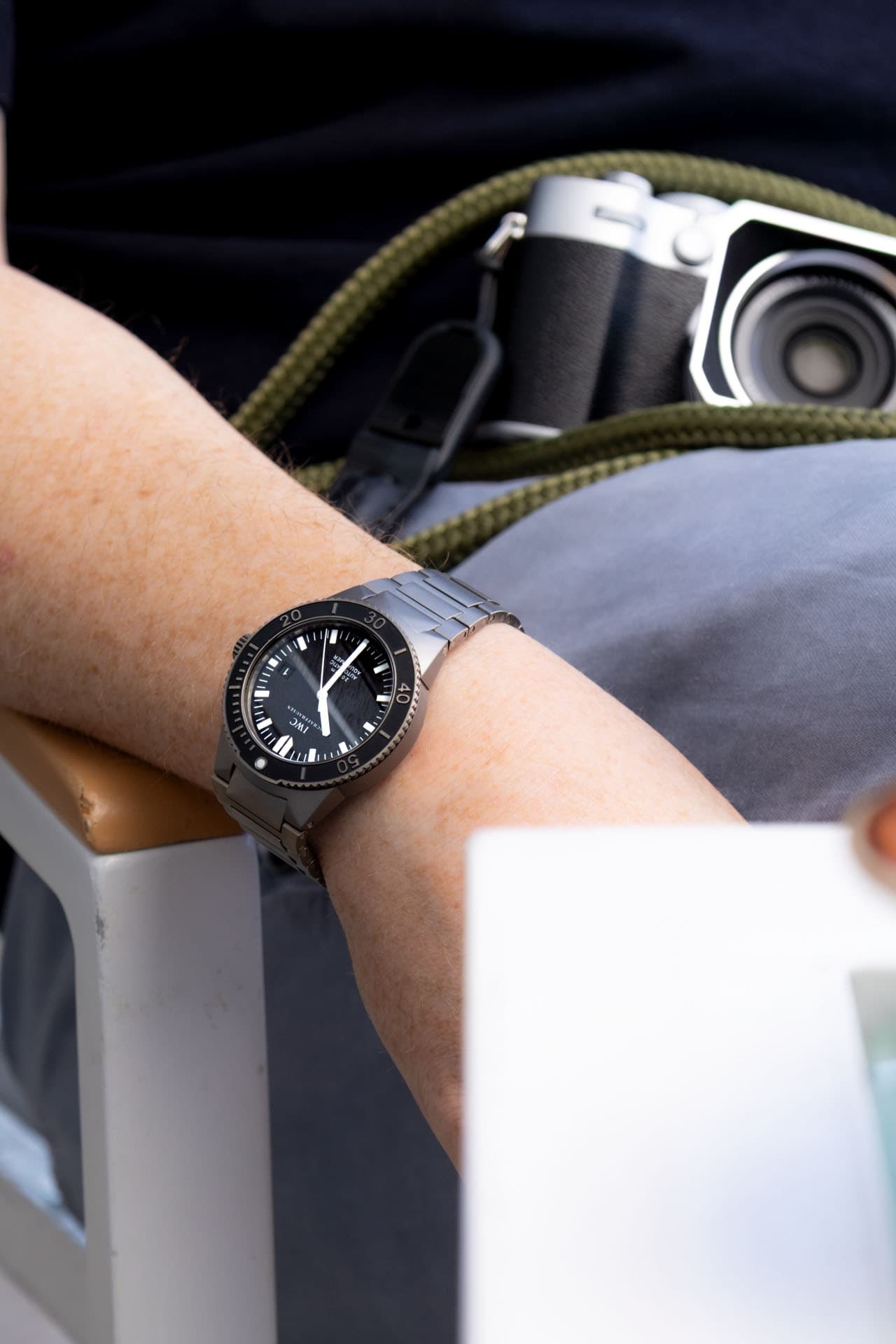
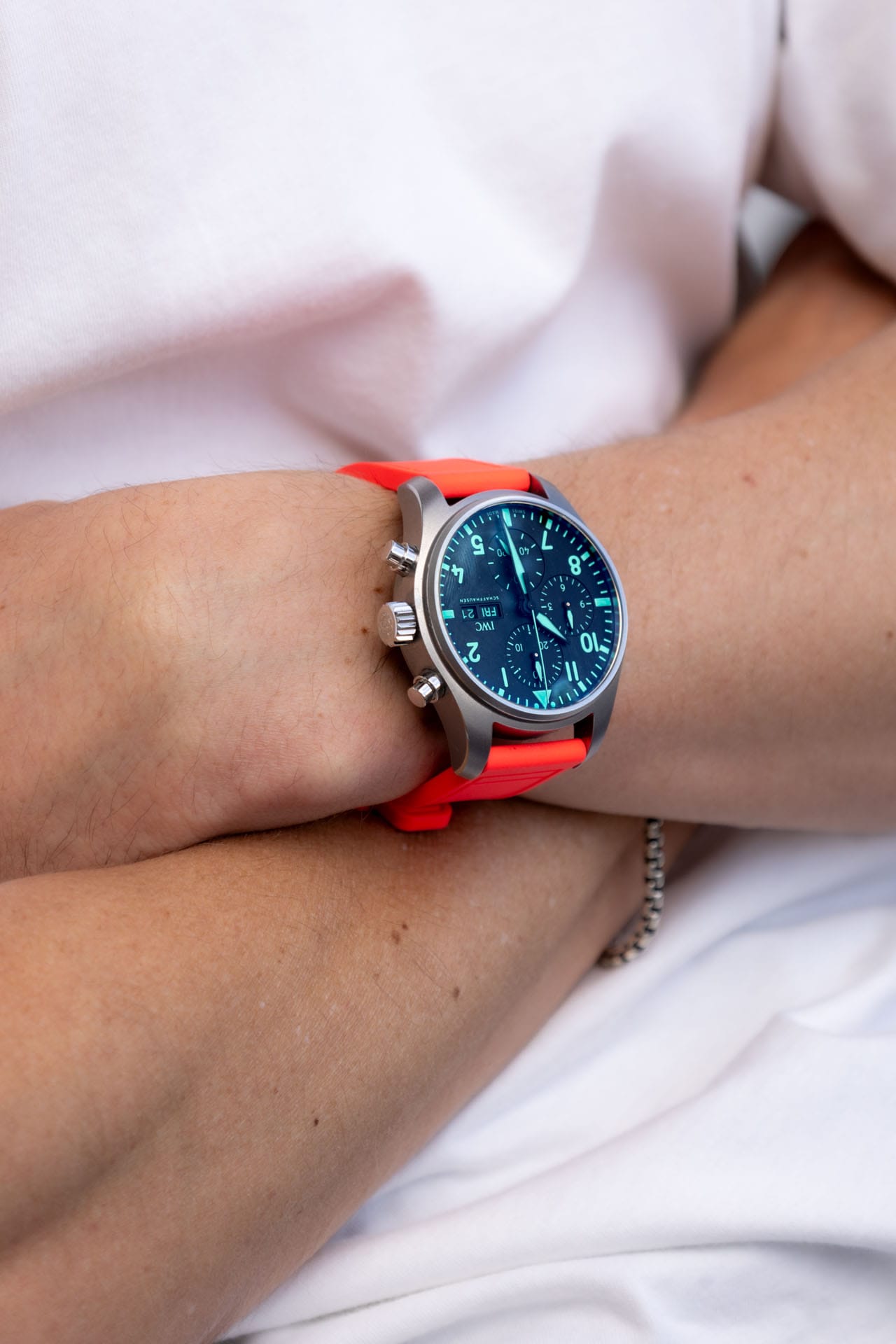
These are the images you chase during an event like this. Natural placement, no setup. Just the way a watch catches light in a conversation, framed by pit equipment.
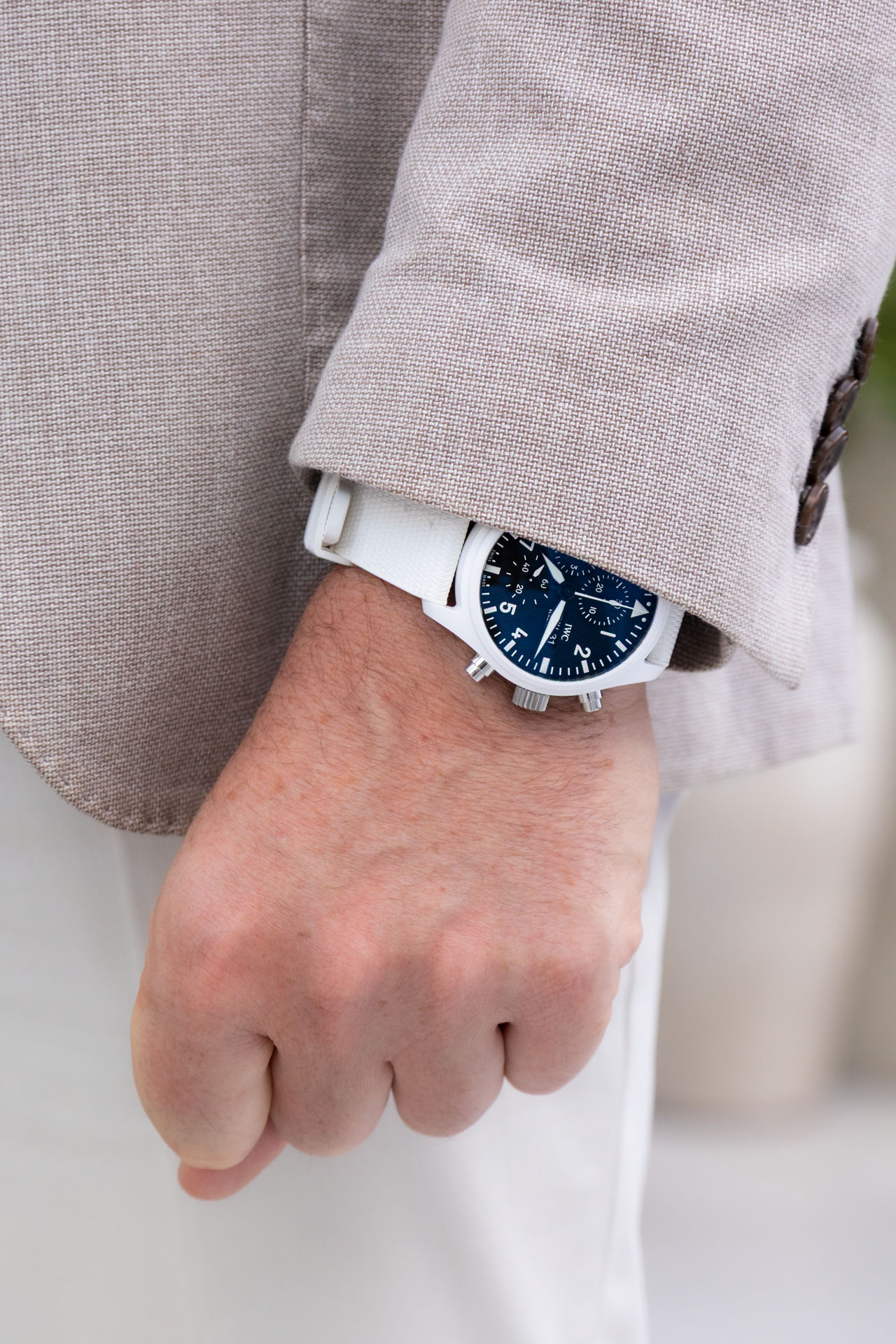
Same model, different scene. Under a beige cuff, it became quieter, more versatile. The white ceramic didn’t scream “track watch” — it adapted.
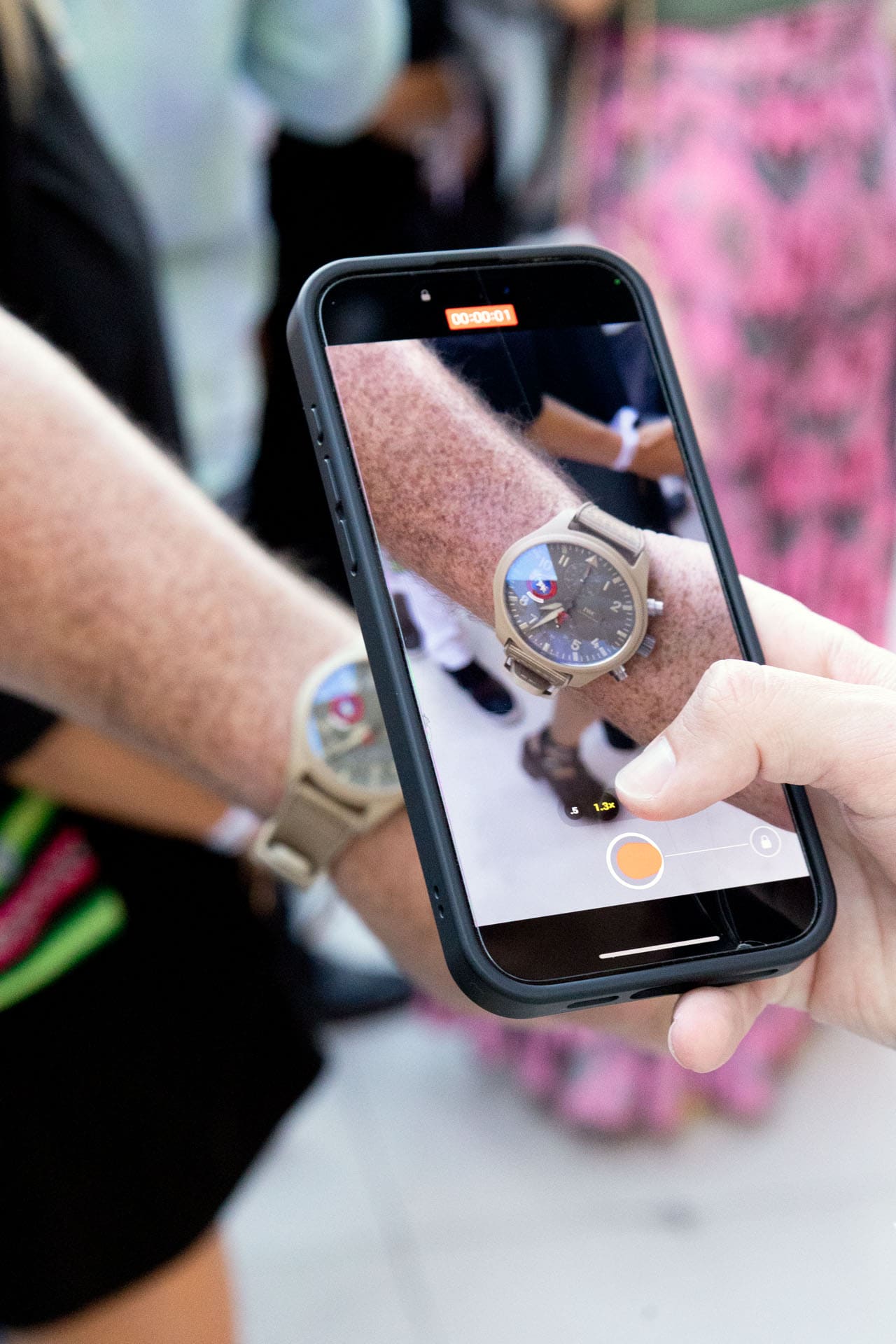
Everyone becomes a documentarian at some point. This one felt honest — a guest wanting to remember how their watch looked in a specific light, in a specific moment. That instinct feels universal now.
The takeaway here wasn’t about which model showed up most. It was about the context — seeing watches not in vitrines, but in motion, in use, without needing to make a fuss.
No Script, Just Signals
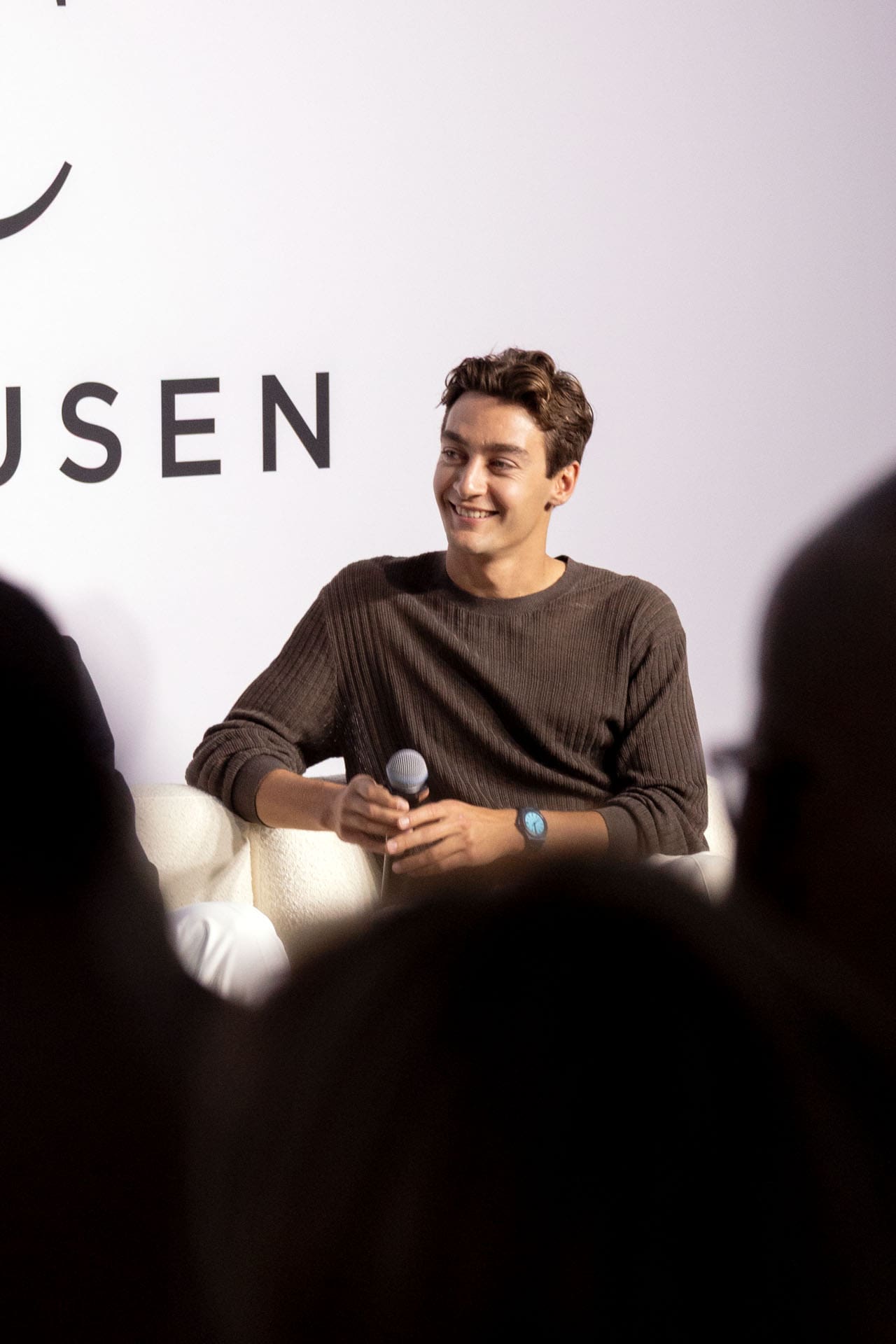
George knows how to speak to a room. He was sharp, self-aware, and easy with the crowd. He’s a pro, but he’s not robotic — a rare quality in a sport that sometimes demands it.
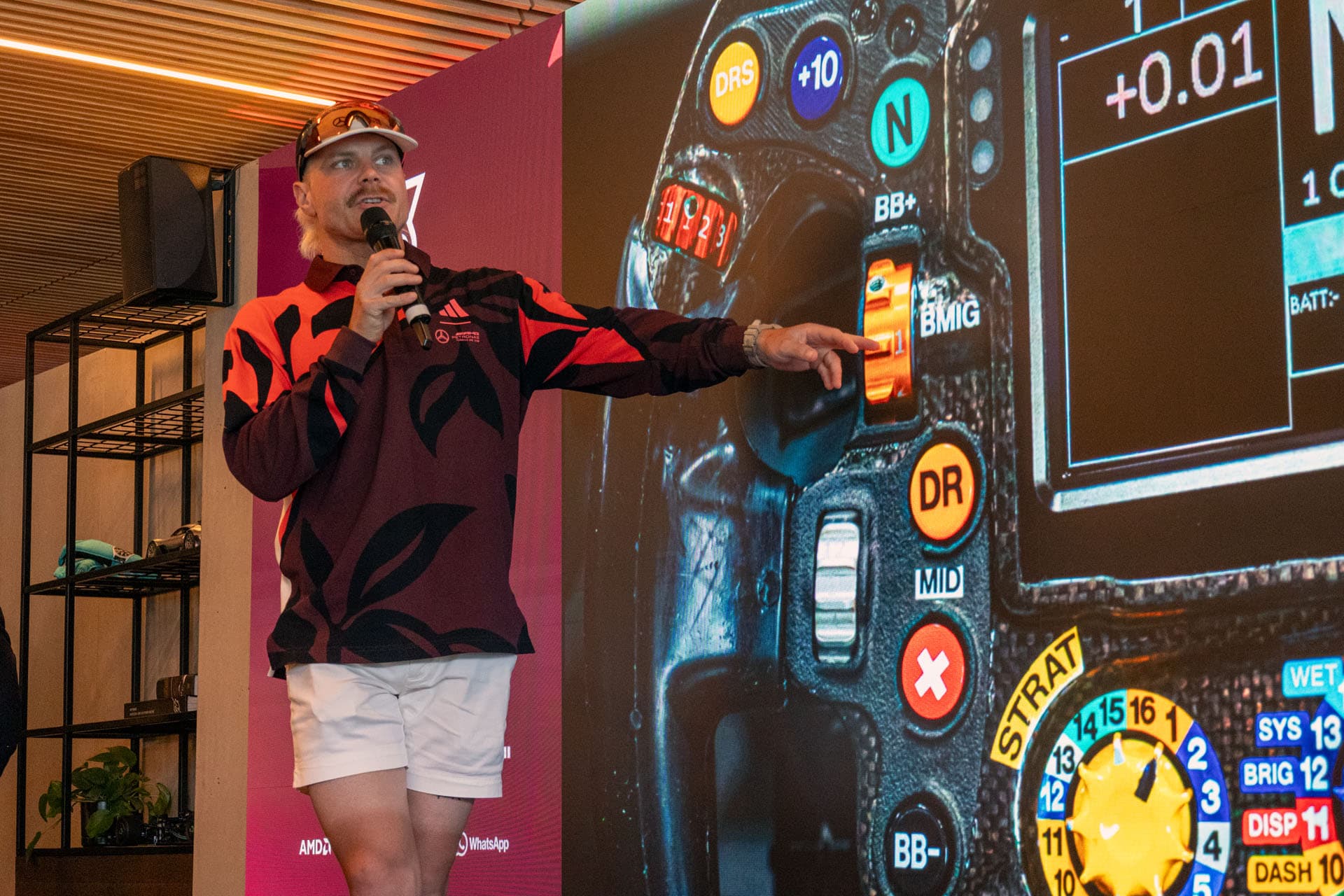
This was for the detail nerds. Bottas went deep — pointing to functions on the wheel, explaining when and why each is used. It was one of the more technical breakdowns of the weekend, and it landed because it didn’t feel scripted.
Together, these panels framed IWC’s role differently. Less about direct alignment, more about shared mindset: preparation, repetition, and mastery under pressure.
Gone In A Flash
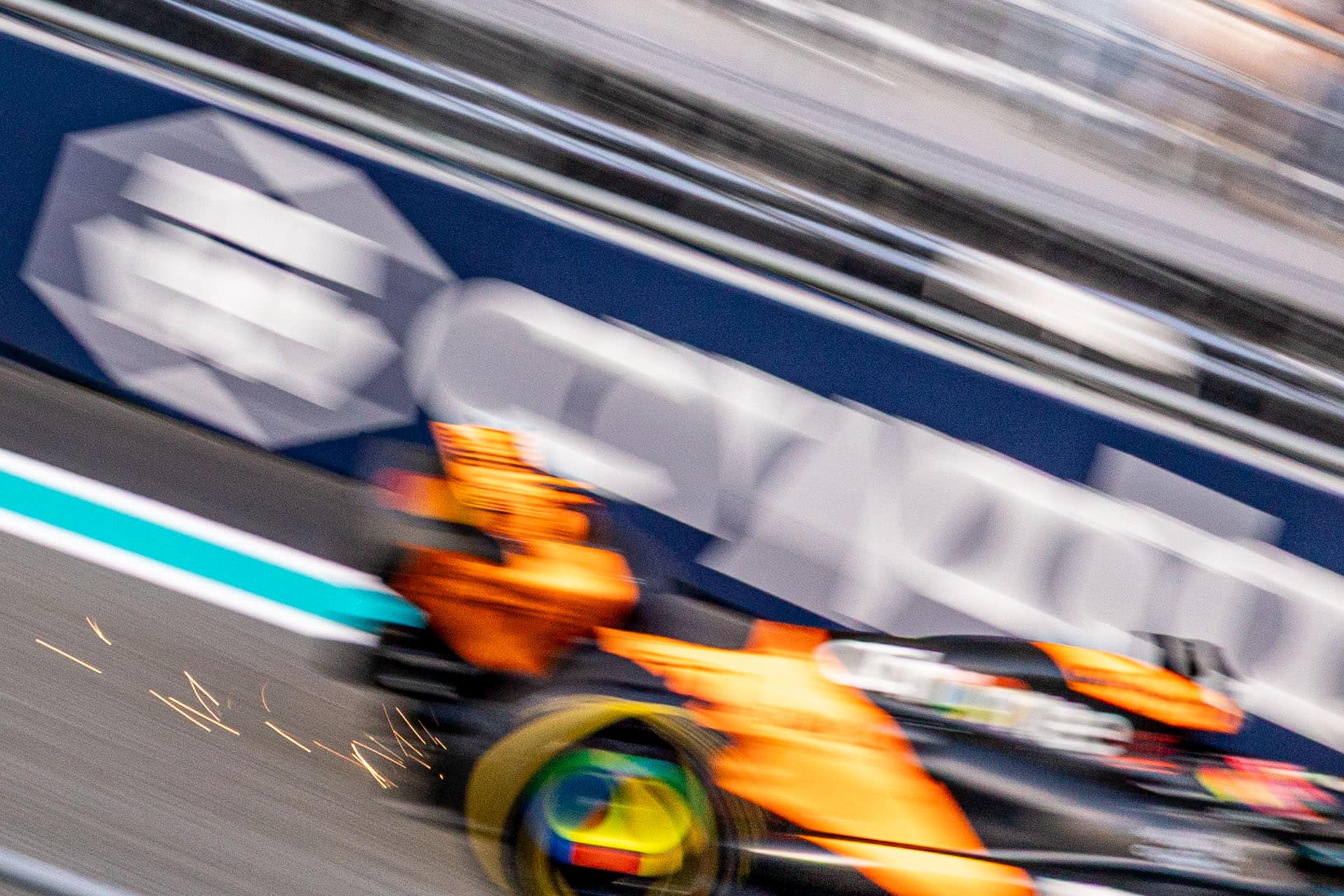
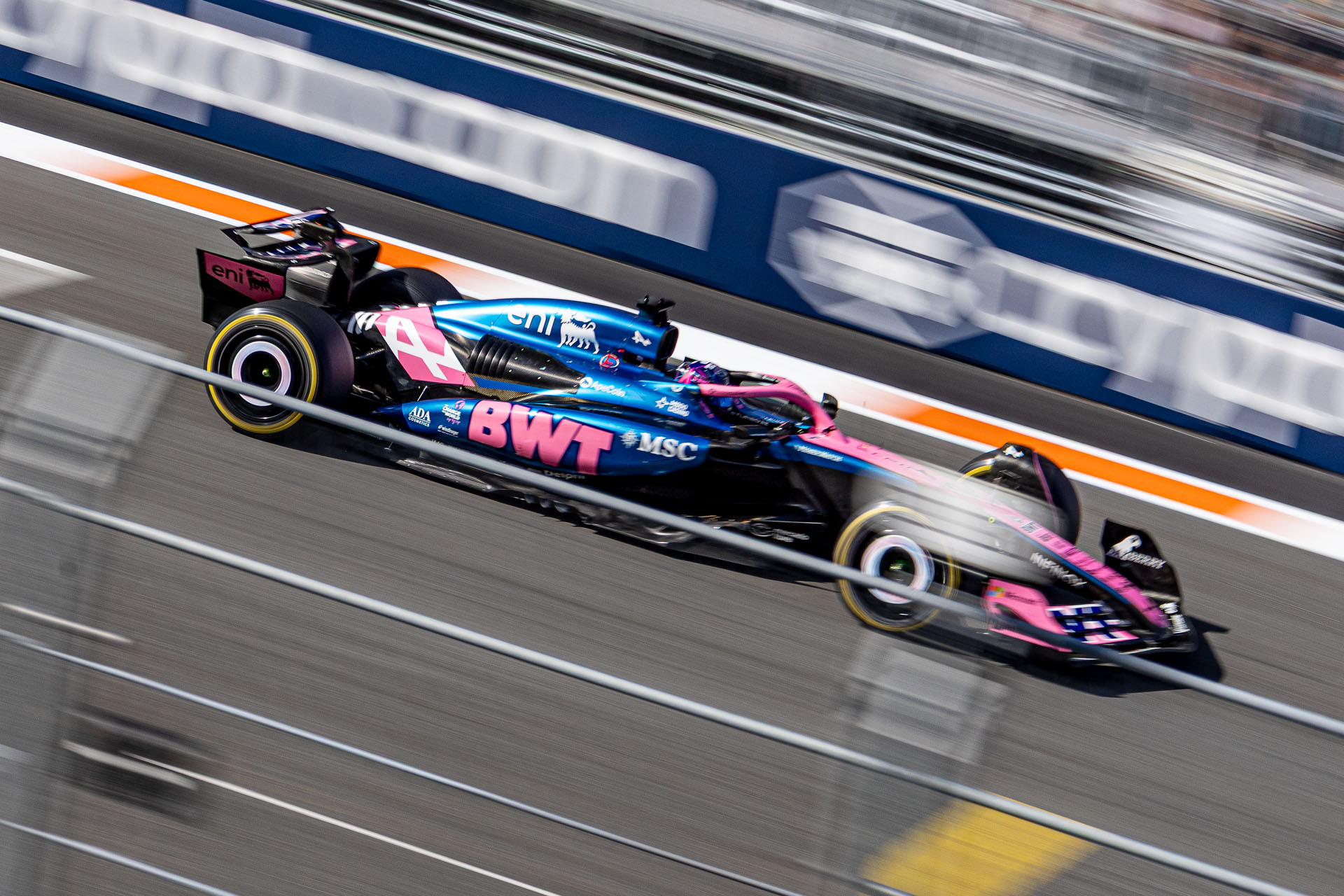
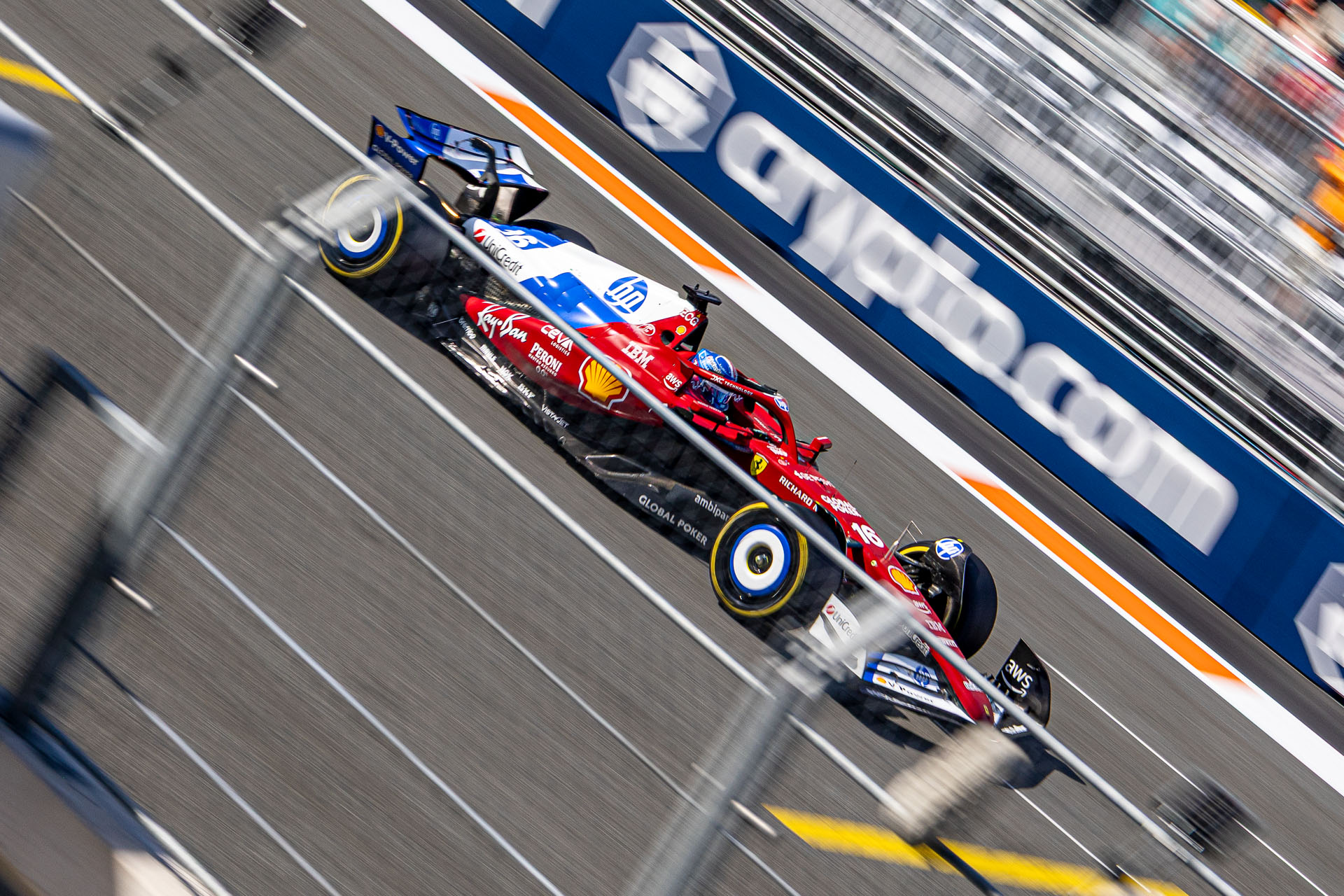
A blur of speed and friction. The car’s mostly cropped, but the sparks do the talking. You don’t need more — the motion carries it.
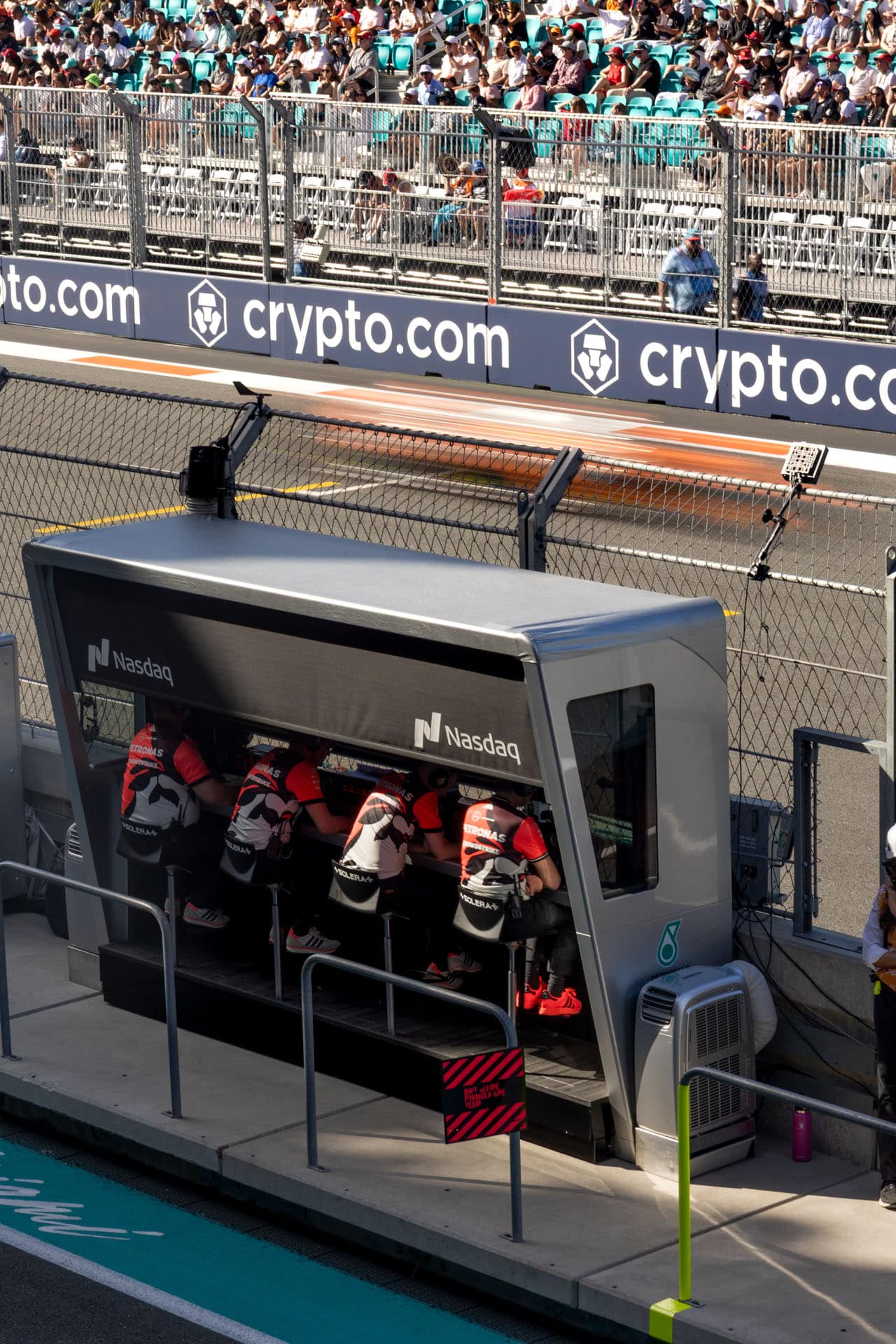
What made this image stick was the standoff between stillness and speed. The crew are in focus, reviewing data, while a car blurs behind them. It’s not a mistake — it’s exactly what racing is.
Built For More Than The Spotlight
What this weekend made clear is that speed and precision don’t compete — they rely on each other. Racing and watchmaking both demand the same commitment to timing, to readiness, and to accepting that even the smallest lapse can cost you.

IWC didn’t need to dominate the weekend visually. It showed up in the right places — in the boutique, on the wrists of guests and team members, in quiet moments of work. It didn’t feel like placement. It felt like presence.
And in a space like Formula 1, that’s the best kind of alignment.
in partnership with
/
May 19, 2025


Liam O’Donnell is an Australian-born photographer and writer based in New York City. His work focuses on the quiet beauty of well-crafted objects—watches, cameras, bags, and more—blending visual and written storytelling. With a background in fashion, luxury goods, and travel, he brings a warm, observant perspective to every project. Whether on assignment or exploring personal projects, he’s driven by a deep appreciation for form, function, and the stories objects carry with them.
Categories:
Featured Tags: