 Latest Review




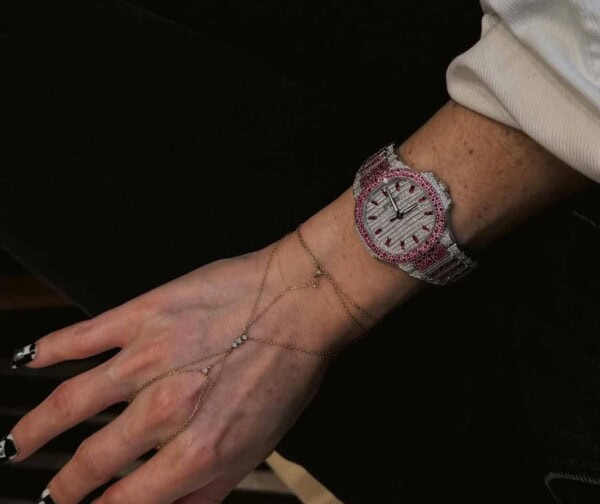

With the first half of 2026 in the books (seriously, how is already July?) we thought it would be a good time to check in with our writers to see what watches spoke to them this year. It’s been a busy year in terms of new releases, with major new novelties from the big brands dotting the calendar on a weekly basis even well past trade show season. But as always, our team looks to smaller makers (and more obscure references from the big guns) when it comes to considering the very best.
As always, we want to know your favorites, so let us know in the comments what new 2026 releases were your favorites in the first six months of the year.
Zach Kazan
It feels like this has been an exceptional year for watches. As Zach Weiss and I were preparing to record a podcast on this very topic earlier this week, my list of watches to discuss as highlights for the first half of 2026 ballooned to a point that I had to start thinking about what to cut rather than how to scramble for a few more watches to talk about. That’s a position we’ve all been in from time to time with these lists, and having a surplus of good watches to consider is a better situation by far.
That said, there’s one watch, to me, that’s a clear favorite, and that’s the collaboration between Baltic and SpaceOne, the Seconde Majeure. This is the best watch either brand has ever made, and a great example of the right way to do a collaboration. It doesn’t feel exactly like either brand, but a little like both, and accentuates what each does well.

Besides the fact that both brands are French, there’s not a lot of connective tissue between them, design wise, which is another wrinkle that makes this collaboration so interesting. It allows Baltic to work in a far more adventurous register than what we normally see from them, even with their recent experiments with stone dials and lab grown diamonds. And the design forces SpaceOne into a more sedate mood. After a trio of watches with cases that look like space ships, it’s breaking news that they made a watch that looks like…a watch.
But the real MVP here is Theo Auffret, the independent watchmaker who has become the essential ingredient of the SpaceOne project, designing new, accessible versions of complications that were previously the thing of five and six figure watches. The jump hour execution he’s come up with here feels like a classic, like a version of this particular complication that may have existed since the days Breguet, but it’s actually a remarkable achievement in doing more with less, a hallmark of this new movement toward the democratization of complicated watchmaking.
Cait Bazemore
Halfway through 2026, there are two brands that have caught my attention: Grand Seiko and Zenith.
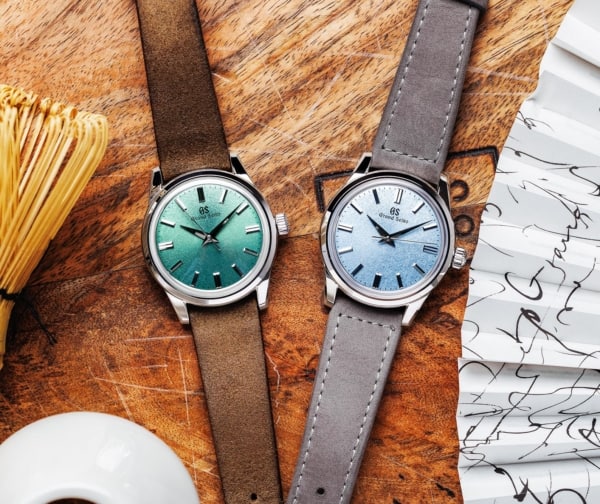
Just a couple months into the year, Grand Seiko introduced a brand-new movement, the Caliber 9F51, powering its smallest 9F-based watch to date. The SBGX359 & SBGX361 clock in at 33mm, giving that vintage appeal that’s perfect for small wrists like mine. Most often, the smaller watches get the more simplistic they are – I understand these technical challenges that come with reducing scale. So, when a brand takes care to design a caliber that’s pared down without compromising its capabilities, I’m always drawn in. Here, Grand Seiko has done just that, maintaining an impressive accuracy of ±10 seconds per year. Somehow, I still haven’t seen these in the metal, but that’s the beauty of Grand Seiko. The brand’s dials and finishings across the case and bracelet are so consistently well executed throughout every product line, these are not watches you absolutely have to see in the metal to know they’re gorgeous.

At Watches & Wonders, there were a couple watches that really blew me away and one of them was Zenith’s GFJ in tantalum. When you see the specs on this model, it really packs a punch, from its diamond hour markers to its layered dial featuring a black onyx center, a brick-pattern guilloché outer ring, and a mother-of-pearl small seconds counter. Yet somehow, this design was so expertly crafted it’s surprisingly unassuming and could easily be a daily wear. However, the model is not just a pretty face. It also houses the caliber 135, one of the many famous movements to come from the Maison. In its modern incarnation, there have been some updates and tweaks, but this is largely the same movement from nearly a century ago, one that remains the most award-winning movement of all time, having taken home over 230 chronometry prizes.

In short, I think what notches these models from Grand Seiko and Zenith as some of the best watches I’ve seen so far this year is the careful attention to both style and substance.
Christoph McNeill
As a “diver guy” and card-carrying Seikoholic, my choice for favorite release so far this year was an easy one. The Grand Seiko SLGB023 Spring Drive U.F.A. Ushio 300 Diver is an exquisite masterpiece, and a damn cool diver. The SLBG023 is part of Grand Seiko’s Evolution 9 lineup, which they describe as embodying “Grand Seiko’s pursuit of the ultimate practical watch”, while maintaining ties to the original Grammar of Design aesthetics established in 1967 with the 44GS dress watch. The High-Intensity Titanium case does just that, with broad flat planes, crisp edges and a mix of brushed and polished finishes. A really nice touch with this model is that the watch is 40.8mm wide and 12.9mm thick, which is a fantastic size in my opinion, much better than some of the behemoth divers being produced today.
The dial is a work of art, a gradient blue with carved Ushio texture to mimic depth and movement of the ocean. I love all the various dial textures that Grand Seiko has been doing lately, and this Ushio pattern is no exception. The dial has the typical faceted, lume filled markers typical of Grand Seiko, with a handy power reserve indicator at 7 o’clock. Much to my delight, the dial is free from any date window. The broad metal hands have large lume plots and the minute hand has a nice big arrow tip for easy reading. The bracelet is of course well-made and highly functional, with a locking extension clasp that has a convenient micro-adjustment feature.

As beautiful as this all is, the real gem of this watch is the spectacular Grand Seiko caliber 9RB1 U.F.A. Spring Drive movement. The “U.F.A.” stands for Ultra Fine Adjustment, and is another nod to the Grand Seikos of old where a select few models were given that special moniker due to their incredible accuracy. This movement is rated to +/- 20 seconds….per YEAR. That is amazing for a mechanical movement, truly. Add to that a three day power reserve and you have one sweet movement.
Honestly, it’s hard to beat this diver if you ask me. You have a work-of-art case with ratcheting bezel and screw down crown with a depth rating of 300 meters in a wearable size, a gorgeous textured blue dial, and a stupendously accurate Spring Drive movement. Now, the price is a tad on the high side at $12,400, but considering the quality of design and build that you get for that amount, it’s quite reasonable when compared to many other brands.
Blake Rong
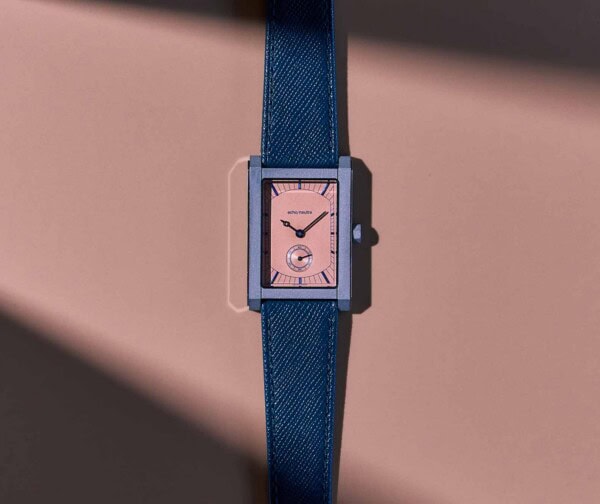
Among the heavy hitters of this year’s Watches & Wonders, Tudor’s Monarch revival might have paled in comparison to the other releases from the storied brand — one that celebrated its 100th anniversary this year. It felt like a combination of dissonant elements: half in Roman numerals and the bottom in Arabic, against a sharply-faceted case, anachronistic to that classically-styled dial.
But the more I saw it in hands-on imagery, the more it grew on me. The brushed copper dial has a texture reminiscent of balsa wood, in a lovely warm color that practically glows. The raised, contrasting black numerals that stand out but don’t take up all the attention. I love a good sub-seconds dial, too, and this one has a contrasting concentric design with the all-important Master Chronometer text encircling it, just to represent what’s good about modern Tudor.

Tudor harkens to a century of watch designs and watchmaking history, having been there for all of it: from the Advisor to the Oyster-Prince to the Tiger chronographs to, yes, the Submariner and Black Bay, with seemingly another dozen variations launched alongside the Monarch. Those are cool too: but the Monarch’s elegance and assertiveness deserves the crown.
Elodie Townsend
Just when I think that Fears have hit their peak, the British brand comes up with something even classier than their last piece. The Brunswick 40.5 Jump Hour ‘Celestial’ hit the scene this year in Fears’ revered Jump Hour line, and wowed just about everyone, including me. Wrapped in the same beautifully stark 40.5mm stainless steel case as other jump hour pieces, the Celestial takes the simplicity of those other watches and launches it into space. The dial is grounded by a mother-of-pearl moon-like center, with the eponymous jump hour window above at 12 o’clock. Instead of the typical silver outer ring, though, deep Astral Blue aventurine glass dotted with stars and brilliantly uneven minute markers evoke a full moon and a sea of celestial bodies.
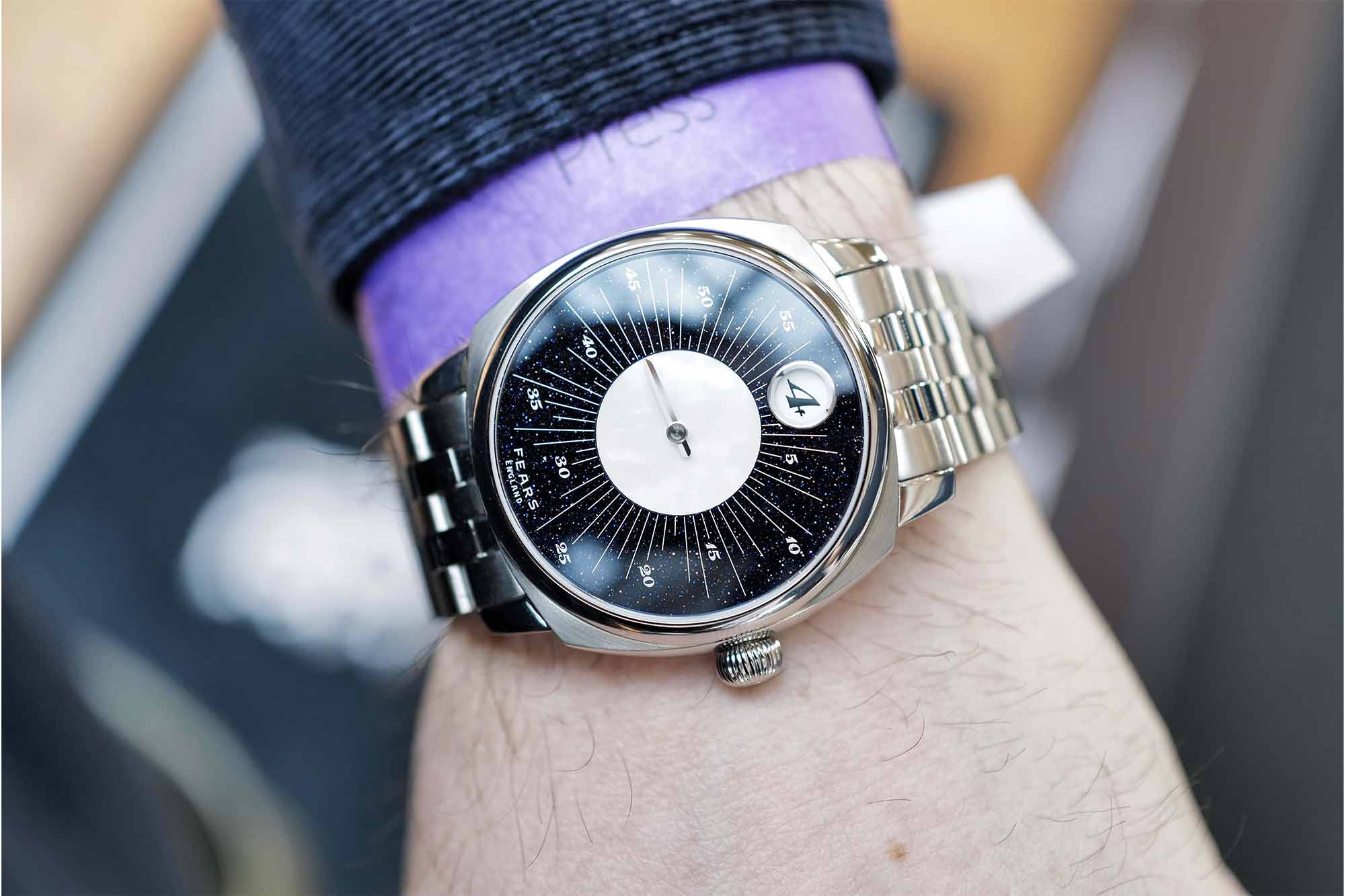
Aside from the jaw-dropping dial—which I have seen in person, and boggles the mind in the direct sun—the Celestial is simply a crown jewel for the jump hour line, which won’t be in production forever. This makes it a future collectable classic, and a brilliant capstone for Fears’ most recognizable and segment-defining collection of timepieces. Small details like the knurled crown, stainless steel bracelet or Fears Blue calf leather strap options, and of course, that robust Christopher Ward JJ01 Module with a Sellita SW200 base make it a compelling buy. Limited to 75 pieces, you may have to dig into authorized dealers’ stocks around the globe to find one, but it’s every bit of a joy for the eyes as it is a delight on the wrist, and well worth the hunt.
Meg Tocci
Nothing says summer like a Doxa dive watch. Fortunately for us, we have a new option added to the lineup – the Doxa Sub 200 T.Graph II. This dive chronograph is a revival of a 1969 creation that has been iterated on more than once in the past decade. Fans of extreme gauche might recall the $70,000 solid gold Sub 200 T.Graph the brand released as part of the model’s 50th anniversary in 2019. That was weird. However, Doxa quickly followed up with a stainless steel, limited edition version aimed at their traditional demographic – this one matching the dimensions of the original exactly.
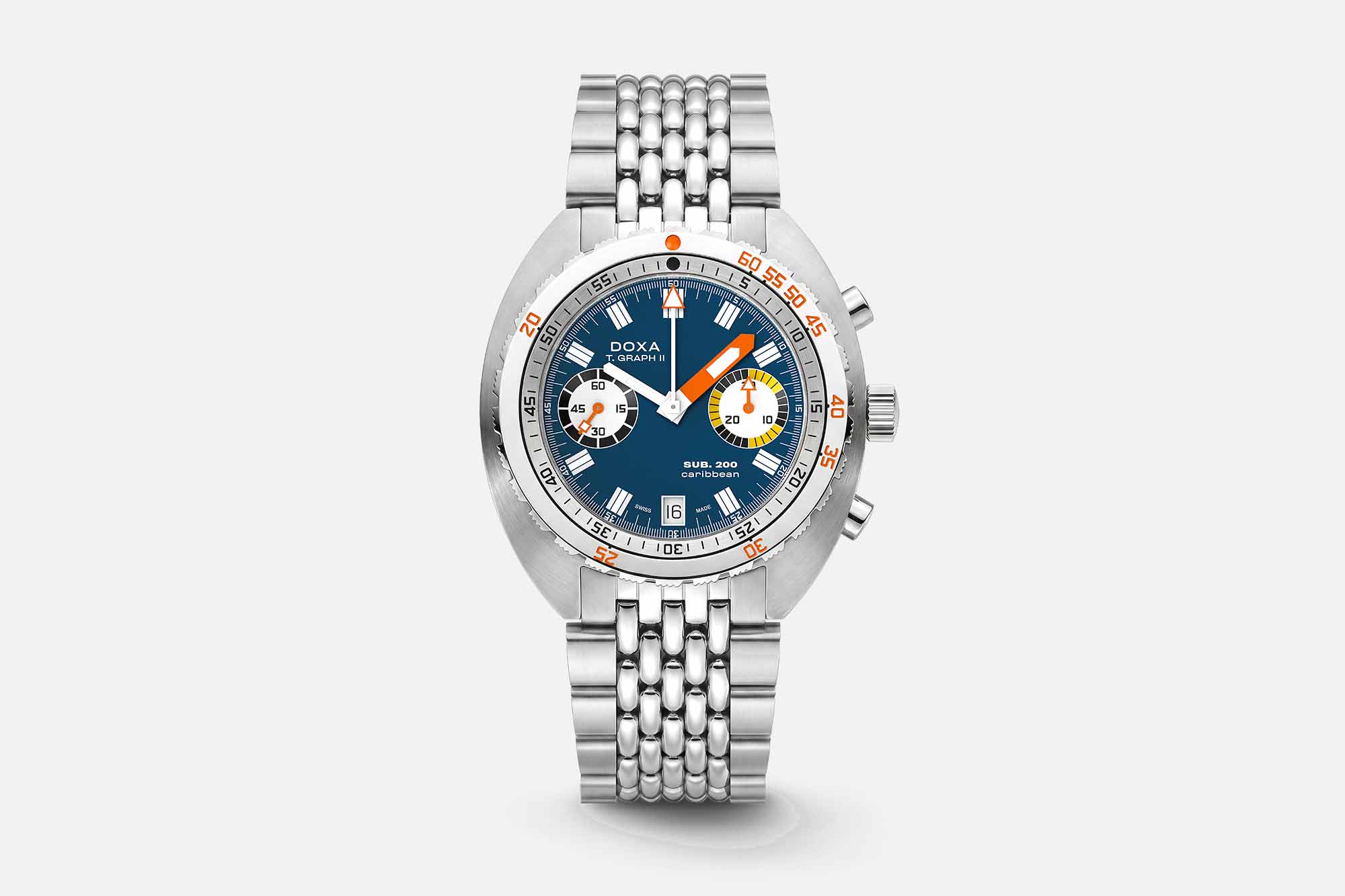
The new Doxa Sub 200 T.Graph II trims down some of the bulkiness of the 2019 option (reducing the width from 43 to 42mm and the height from 15.15 to 14.6mm). This move helps increase the wearability of the watch as an everyday choice, while still remaining faithful to the original design. Most importantly, this new release cements the series as a permanent and non-limited model in Doxa’s catalogue. The inclusion of a Sellita SW 510 caliber over the last edition’s (vintage) Valjoux 7734 helps drop the price nearly $700 (to $4,250 total) and means the movement is much more easily serviceable.
While the many haute innovations coming out of Watches & Wonders this spring are important additions to the market, there’s something refreshingly pure about Doxa’s commitment to their history and the refinement of their aesthetic – even if said aesthetic can be a bit of an acquired taste.
Tommy DeMauro
Being deeply engrossed in the vintage sphere for a number of years now, it’s not often that a new release catches my eye. I remember the first generation of Dryden Chrono Diver having interested me back when it dropped in 2019, but for the price tag and more modern aesthetics, I had passed on purchasing one myself. The Gen 2’s release earlier this year just might have made me change my tune. Making changes to case and lug shape, among other minute alterations, allows the Gen 2 to really shine over the Gen 1 and create an overall look I find more appealing to my vintage tastes. The Black Vintage variant specifically really grabbed my attention when press shots were first released, sporting a gorgeous faux-faded lume hue and five-link bracelet.
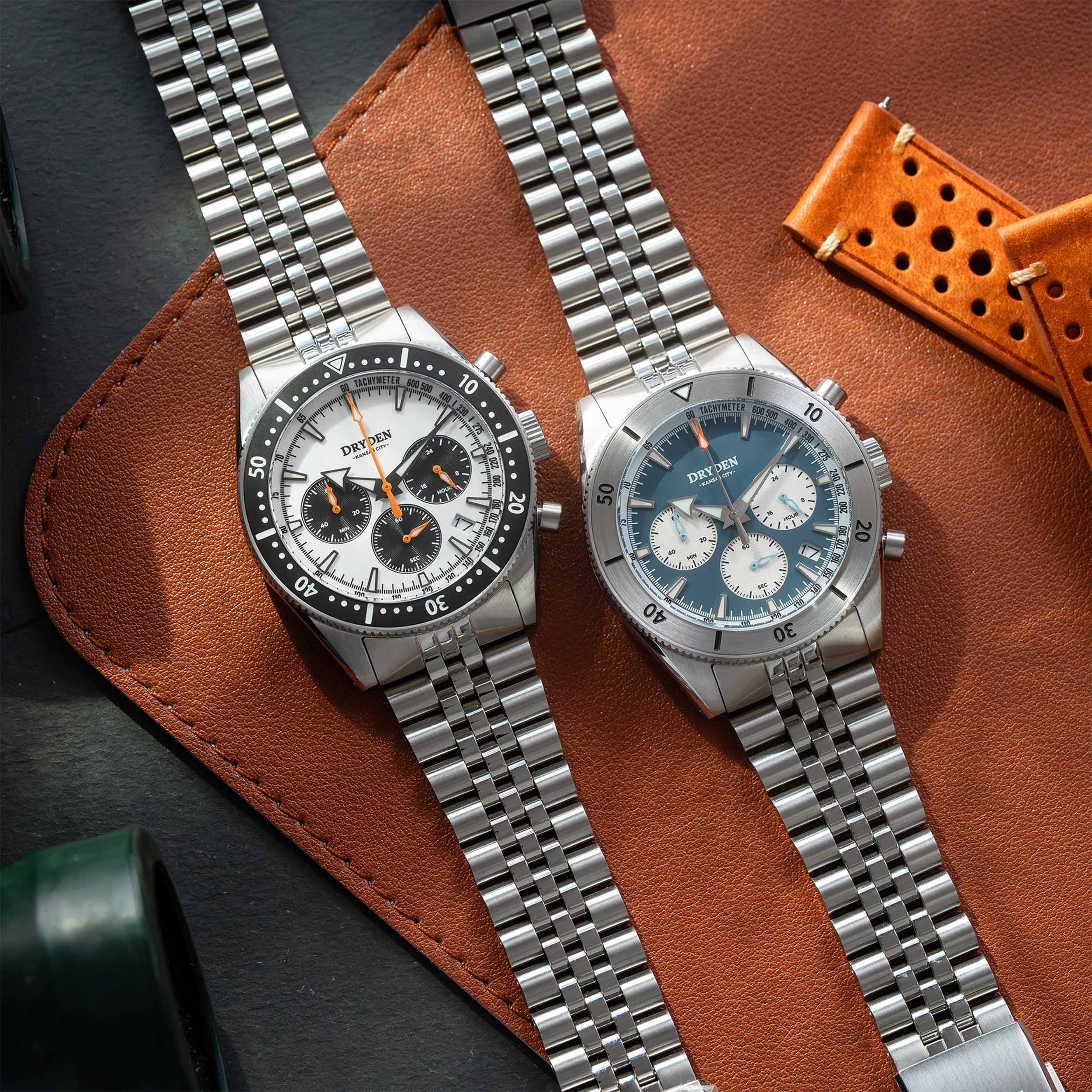
Additional specification details include a double-domed AR-coated sapphire crystal, 120-click unidirectional bezel, screwdown crown, 100 meters of water resistance, and either BGW9 and Old Radium Super Luminova, depending on the variant. Measuring in at 42mm, it’s a tad larger than most vintage chronos, but it isn’t overly massive by today’s standards. The improvements/alterations to the lug shape help to curve the bracelet’s fitment and assist in making the 49mm lug-to-lug measurement seem not all that daunting to the average wrist.
Powering the watch is a Seiko VK63 Meca-Quartz caliber, an industry staple for quartz chronograph movements. Running at +/- 20 seconds per month, it’s a reliable movement that will be sure to run without issue for years to come. Retailing for between $450 and $500 depending on the variant, it’s a hefty price to pay for a quartz chronograph, but I think its construction and design warrant the elevated price tag.