 Latest Review



 May 2, 2025

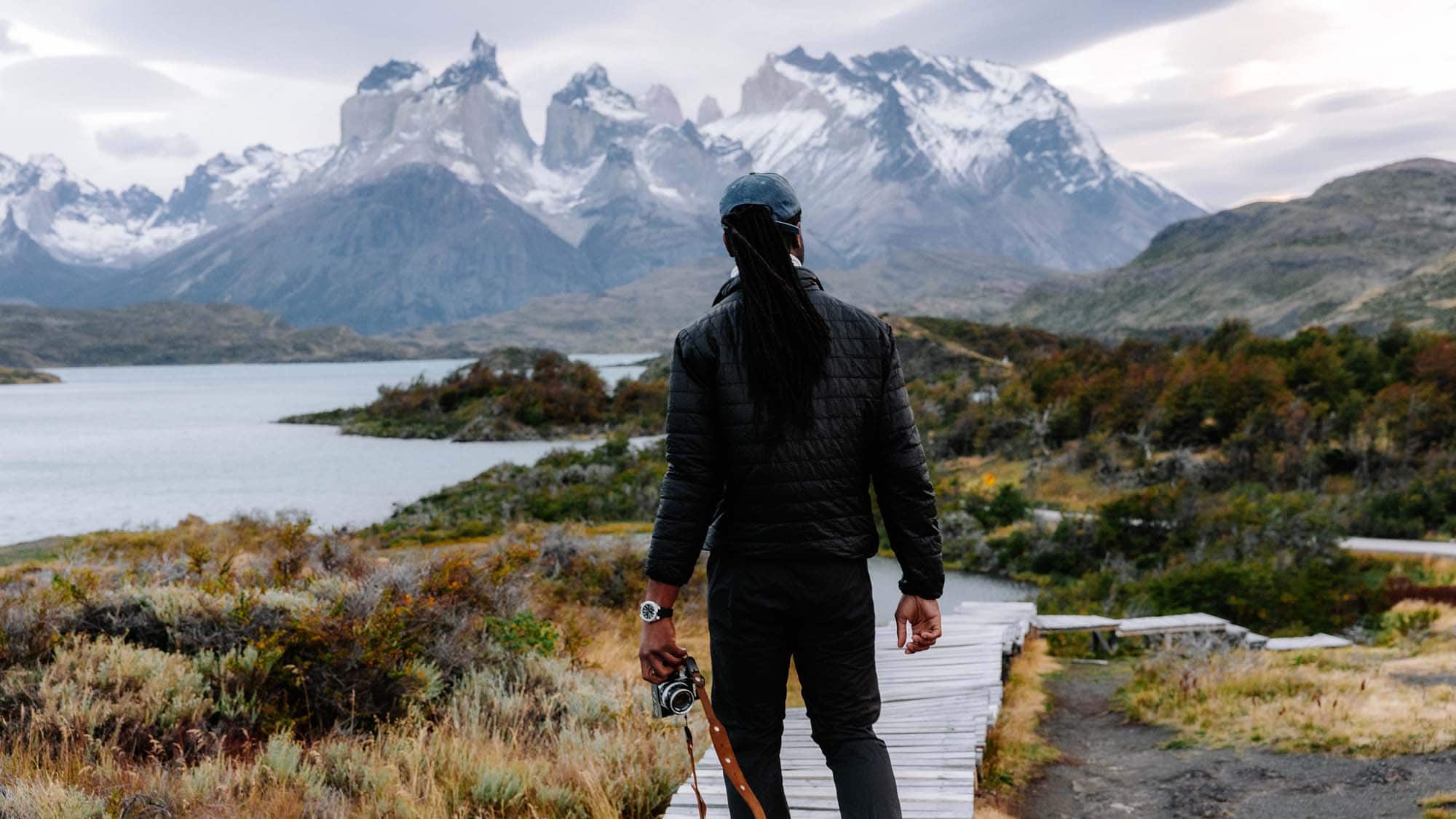
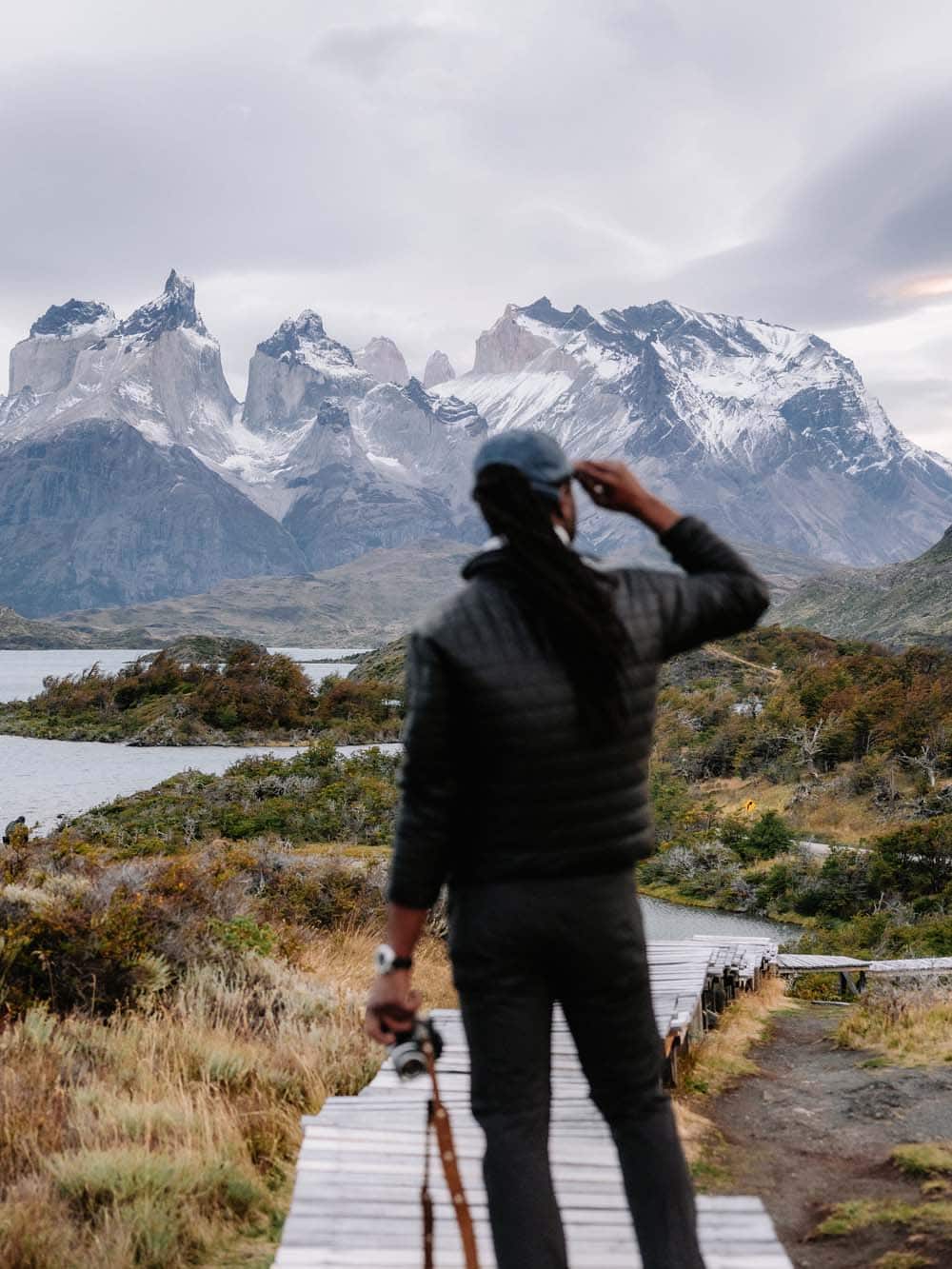
Last year, we introduced you to friend and adventure photographer Nick Stirbis. At the time, he was headed to Iceland and we outfitted him with Alpina’s Seastrong Extreme. A spectacular edition of Tool/Kit was the result. This year, when he notified us of an upcoming expedition to the Patagonia mountains of Chile and Argentina, it was thrilling to hear that once again, Alpina was eager to step up to the challenge. Alpina offered two models from their Alpiner Extreme collection so that both Nick and his climbing partner, Mylz Perry, could experience both the Regulator and Skeleton Automatics among the Patagonian peaks.

Thanks for joining us! Can you just give us a quick update—tell us who you are, what you do, and how you got into travel and adventuring?
Nick Stirbis: Yeah, absolutely. I’m Nick Stirbis. I got into photography professionally in the last couple years, but it’s been a passion for about a decade. Growing up in Colorado, the outdoors was just part of my DNA—camping, climbing, hiking. I mean, I can be climbing 15 minutes from my front door, which is wild. So it made sense that when I started taking photography more seriously, the outdoor and adventure niche just clicked. A big turning point was a semester I spent in Florence during college. I brought my old DSLR and started capturing my travels around Europe. That’s what really sparked things creatively.
Mylz Perry: Hey! I’m Mylz. Nick and I have been close friends since high school. I grew up in Colorado, but I live in Charlotte, North Carolina now where I work as a dental sales rep. I travel weekly for work, so in the limited free time I do have, I enjoy riding horseback, hiking, camping, Latin dance, and of course tagging along on these really incredible photography trips Nick orchestrates. I would dare say it’s become a yearly cadence for the boys to run off to a remote part of the world—shooting crazy landscapes for 10 days—dirt bagging it in tents and hostels. It’s phenomenal!
What inspired your trip to Patagonia?
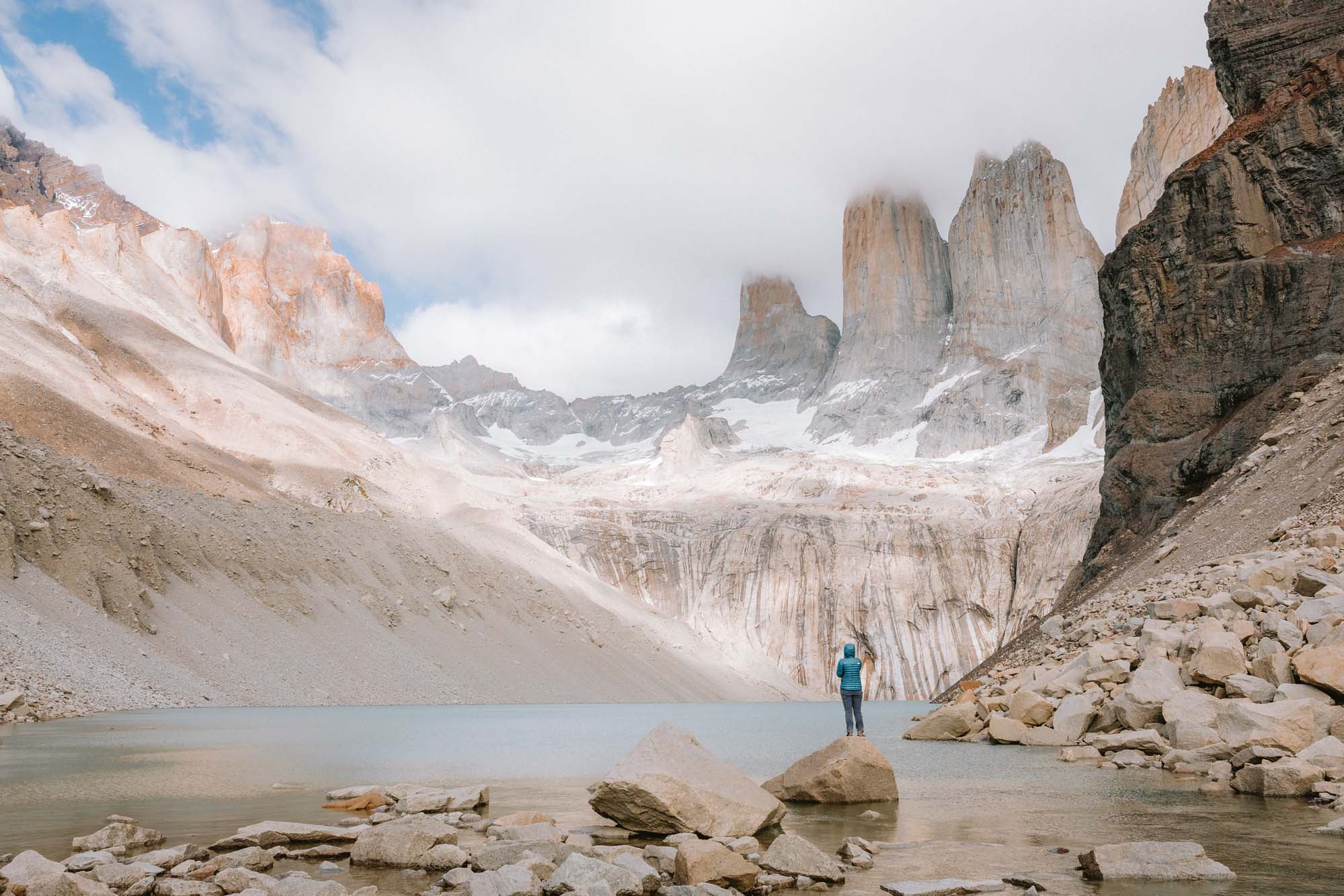
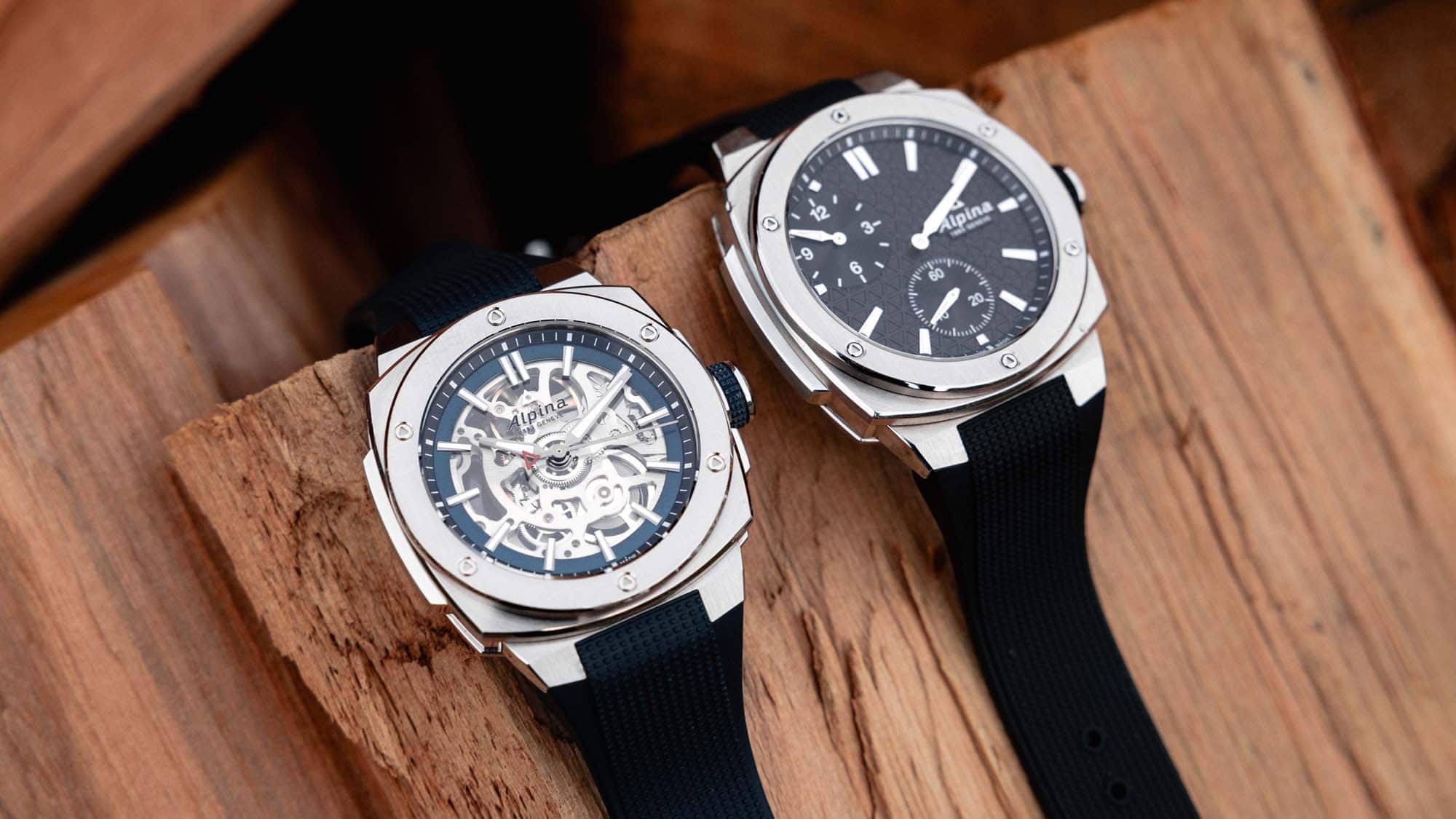
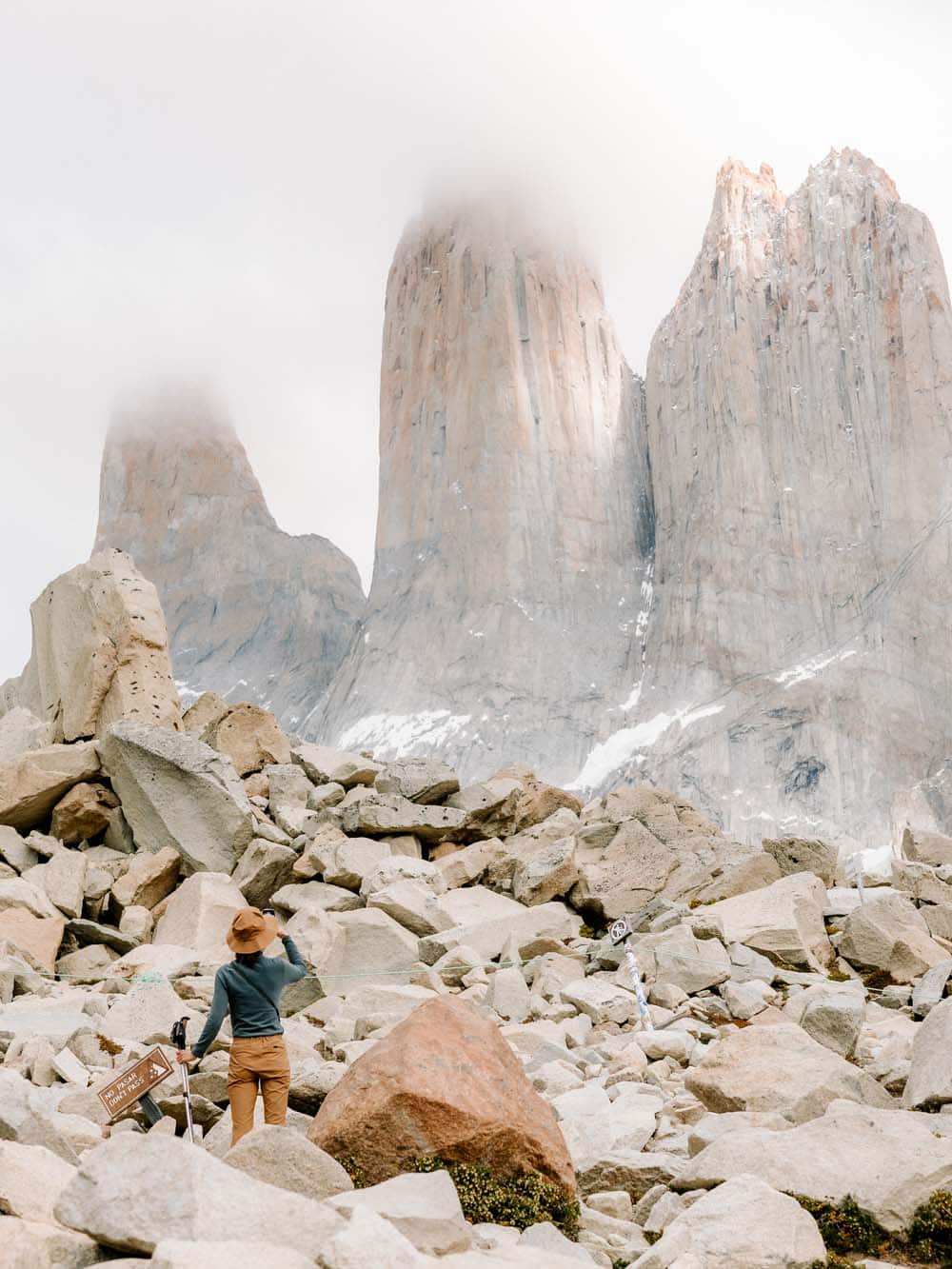
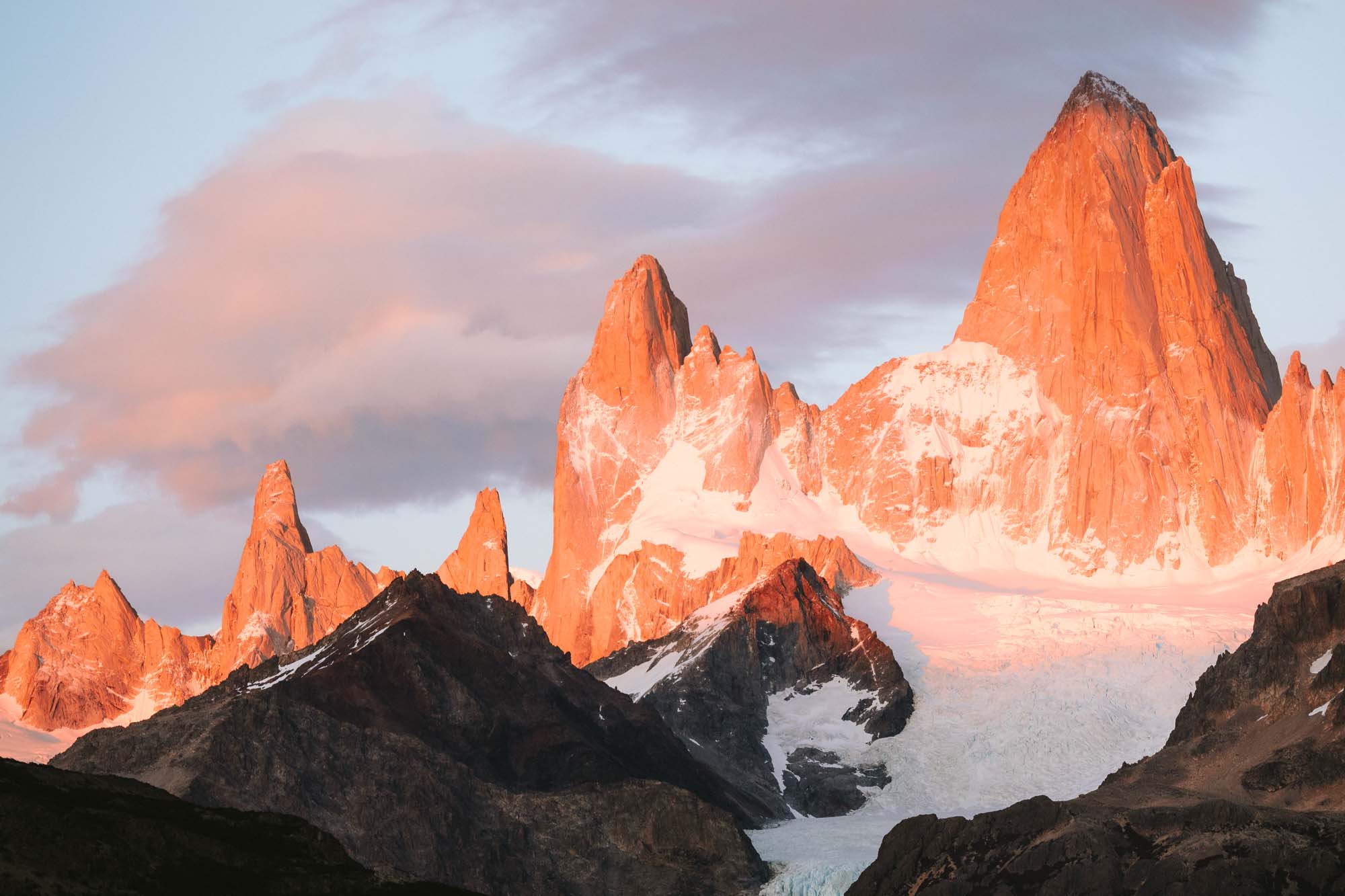
Nick: Patagonia’s always been on my bucket list, especially with my climbing background. It’s this dramatic, remote place at the end of the world. One of my personal goals for the year was to get as far south and as far north as possible—Patagonia for the south, and Norway for the north. I’ve always wanted to hike the W trek in Torres del Paine,Chile. We didn’t do it this time because we had a schedule working with hotels, but it’s still high on my list. I love the idea of thru-hiking, and the W is a great intro—it’s structured enough to take the logistics off your plate. Also, a Brazilian photographer I admire, Ricardo Braz, shoots in Patagonia a lot, and his work definitely fueled the stoke.
Mylz: I had been eyeing Patagonia myself for a good two years prior to this trip. I’ve found myself obsessed with gaucho culture and the idea of unplugging in one of the most remote places on the planet. I’ve always wanted to work on an estancia near Puerto Natales, ride horses, care for livestock, and spend time in the mountains. Which is actually what I’m still planning on doing here in a couple months, especially after experiencing it for myself. It was actually kind of serendipitous how this trip came about because I had no idea that Nick had a similar interest in Patagonia until we started talking about it in November. And now we’re here in Patagonia!
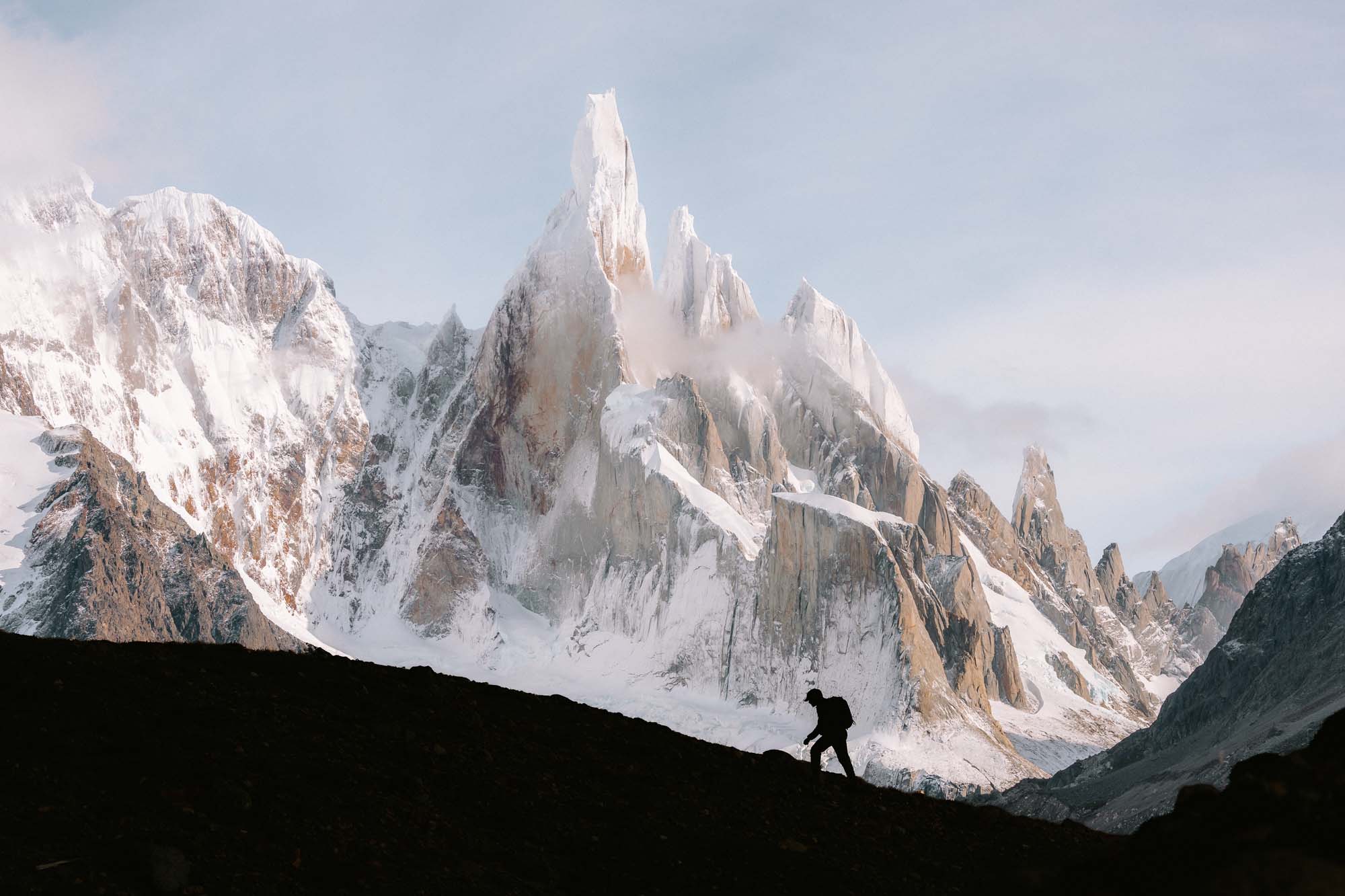
We sent you guys with a couple Alpina watches—the Alpiner Extreme Regulator Automatic and the Alpiner Extreme Skeleton Automatic. What were your first impressions? How did they vibe with the trip?
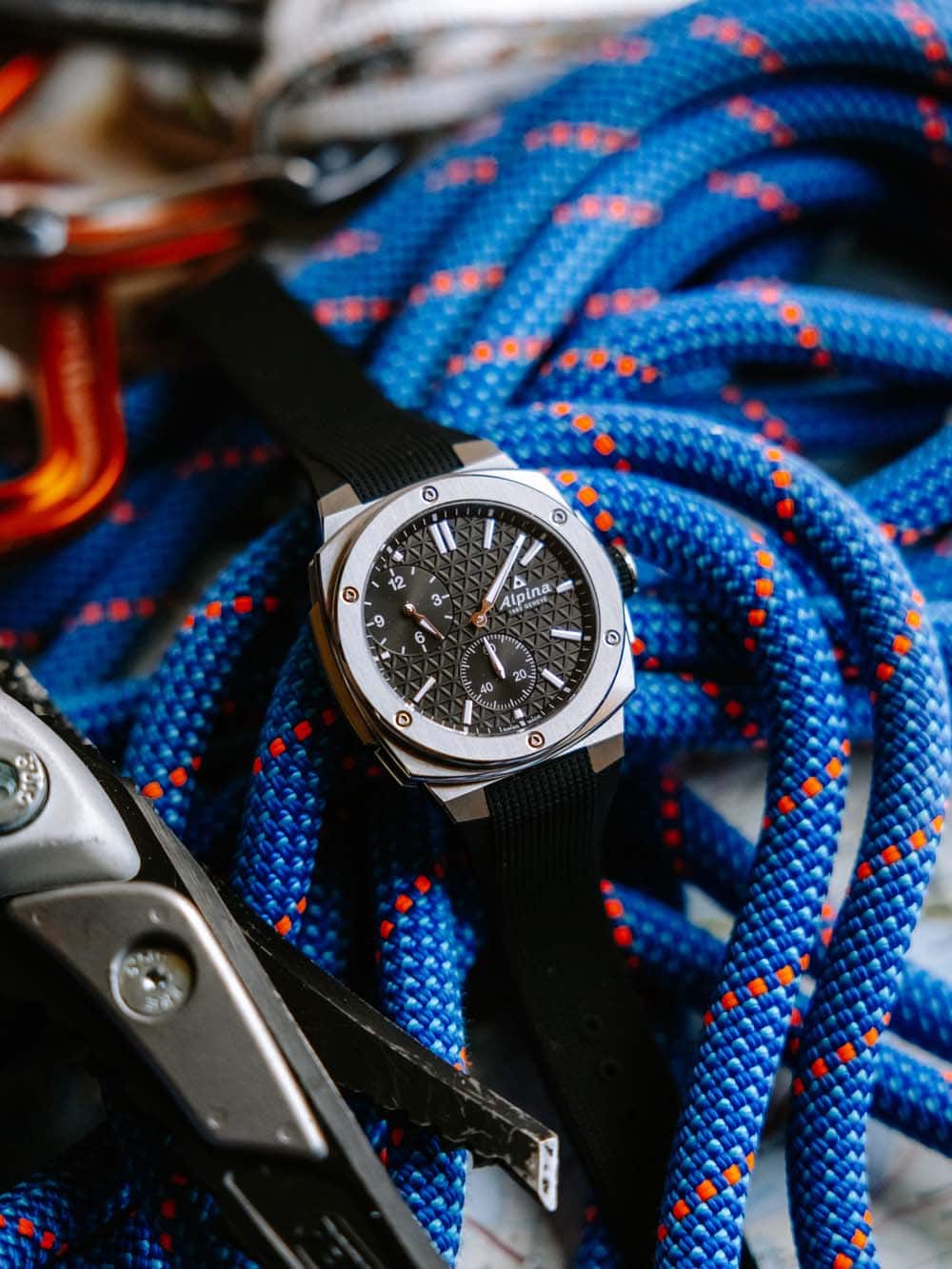
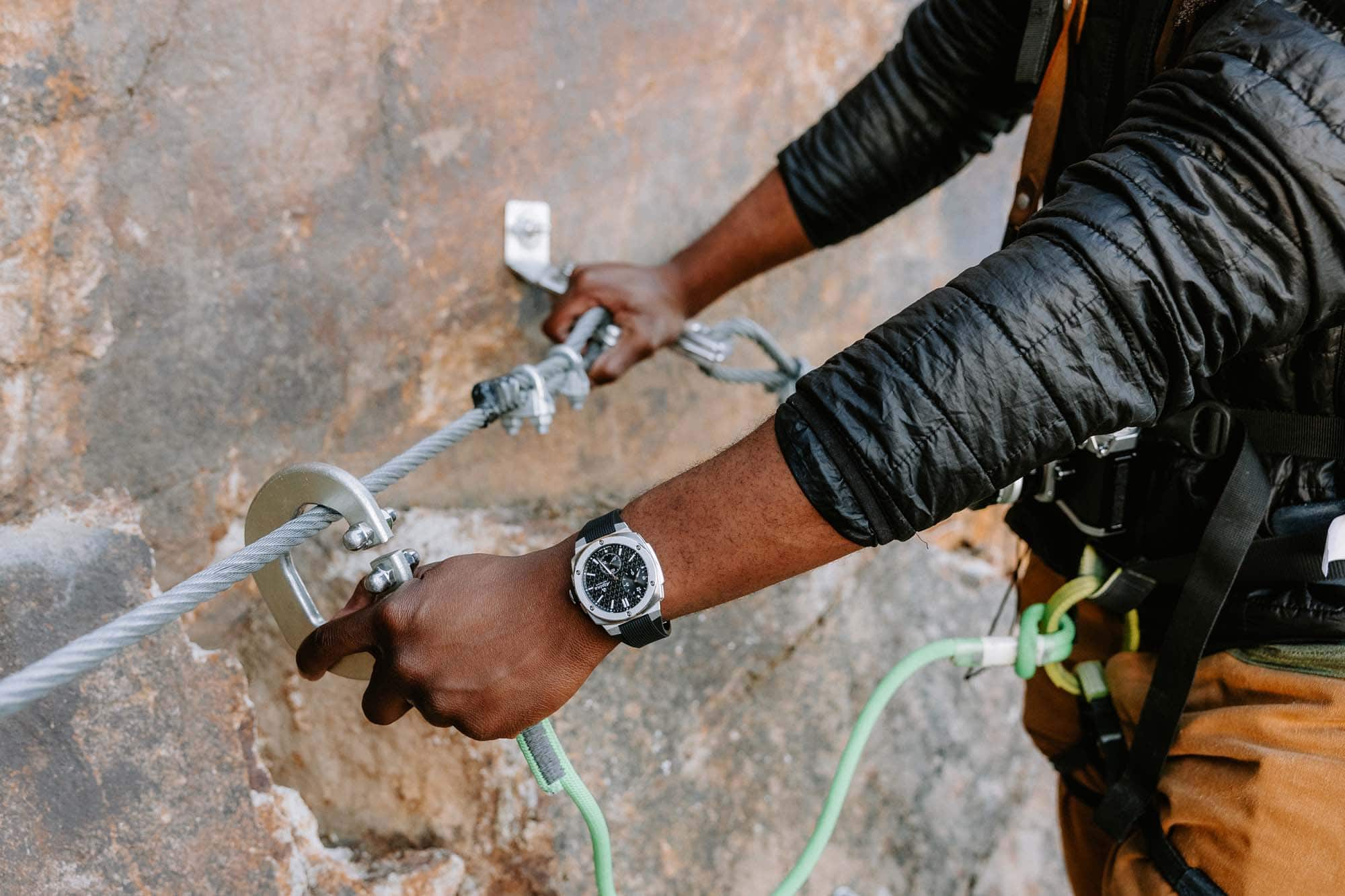
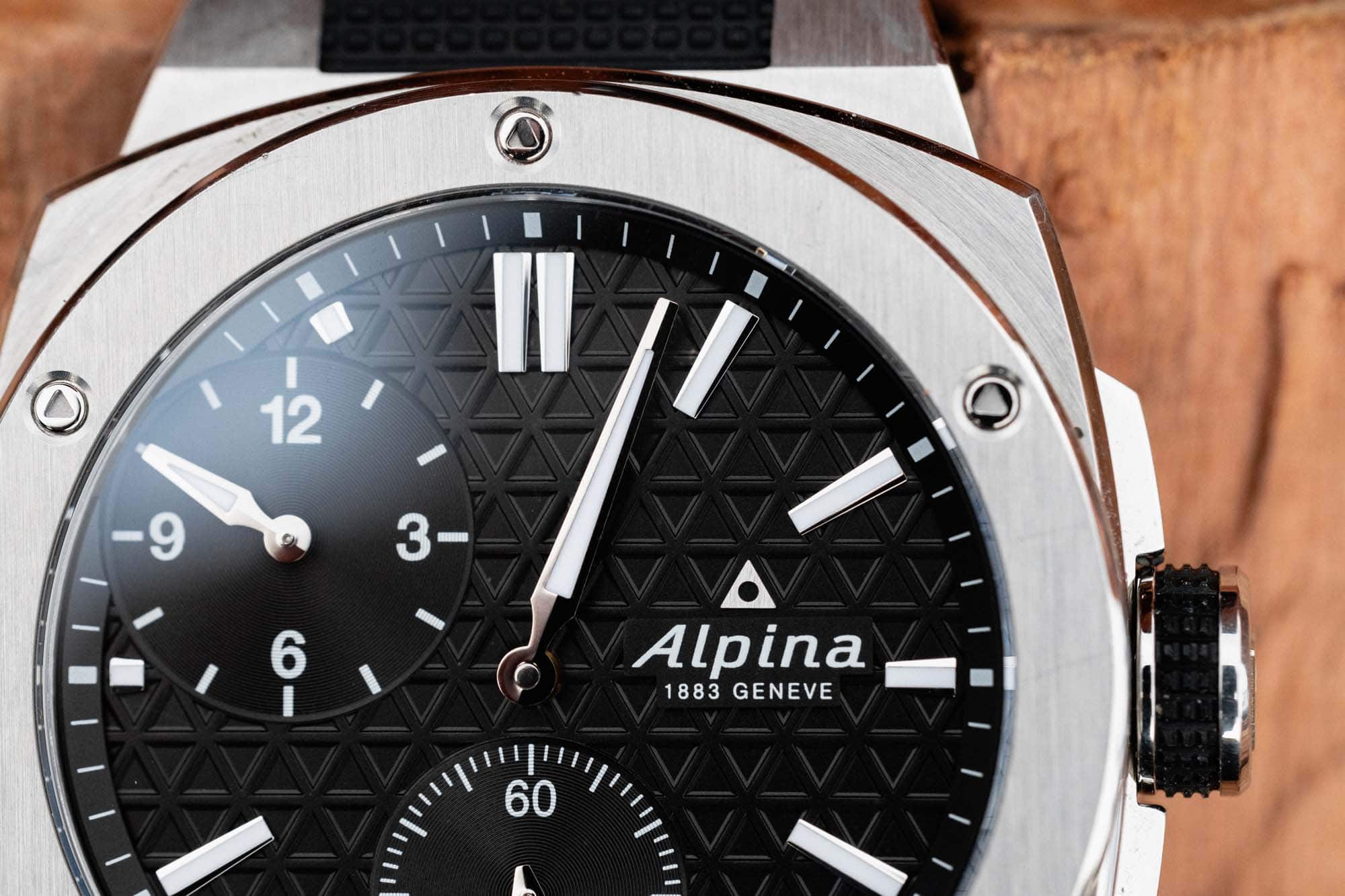
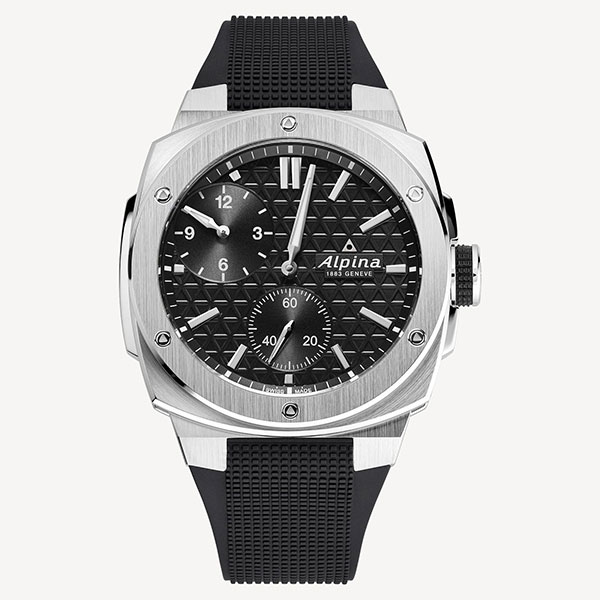
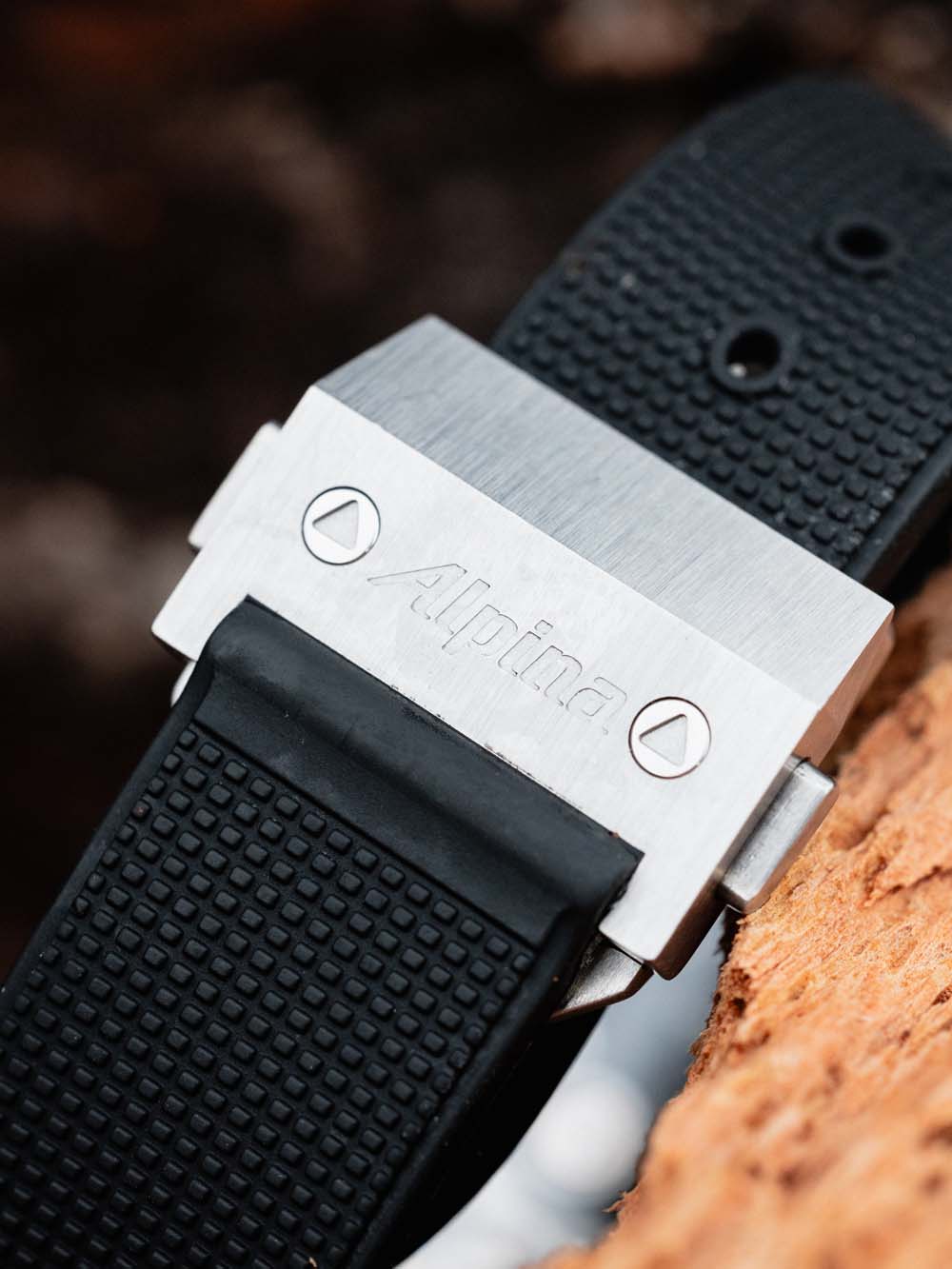
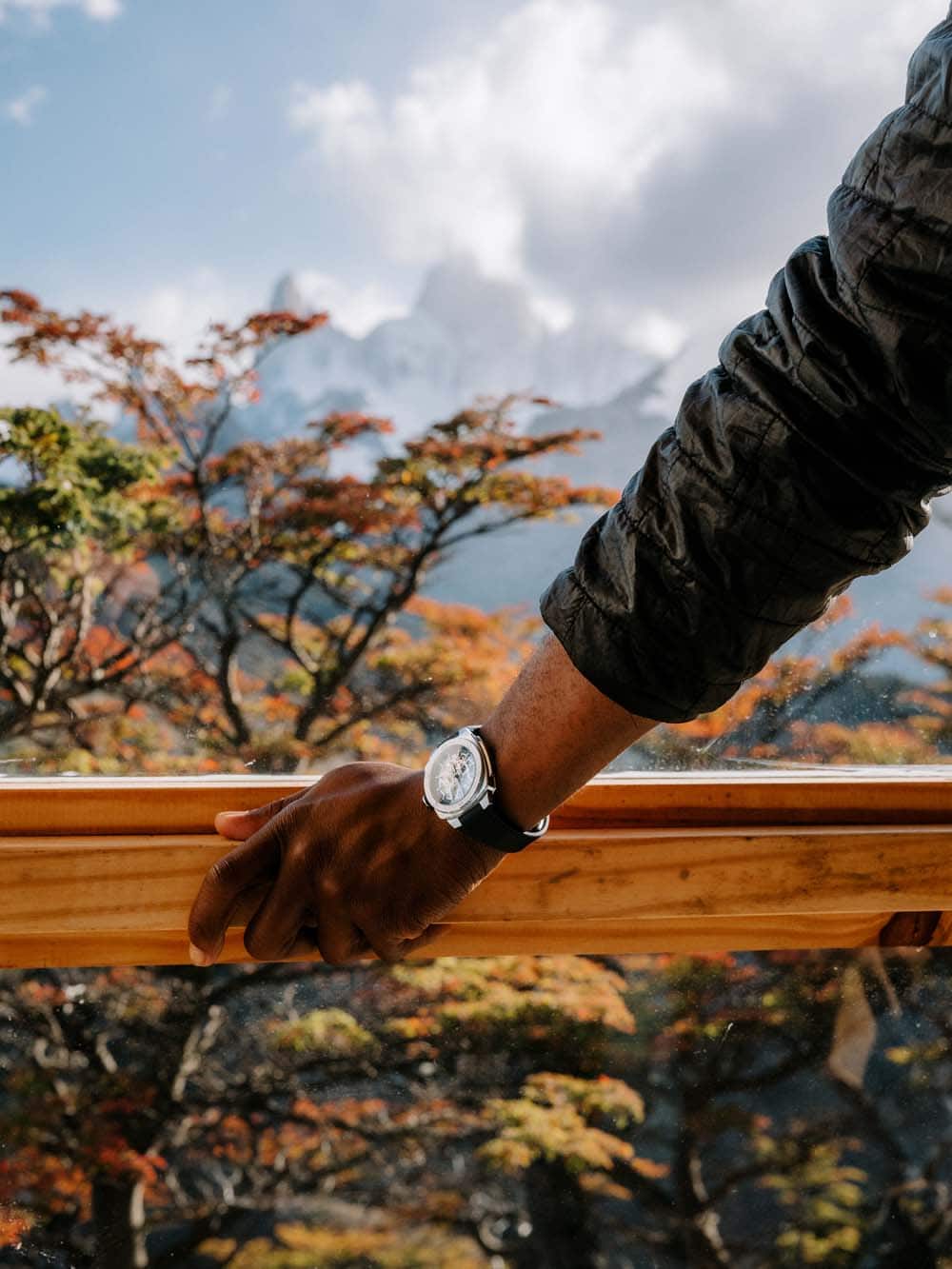
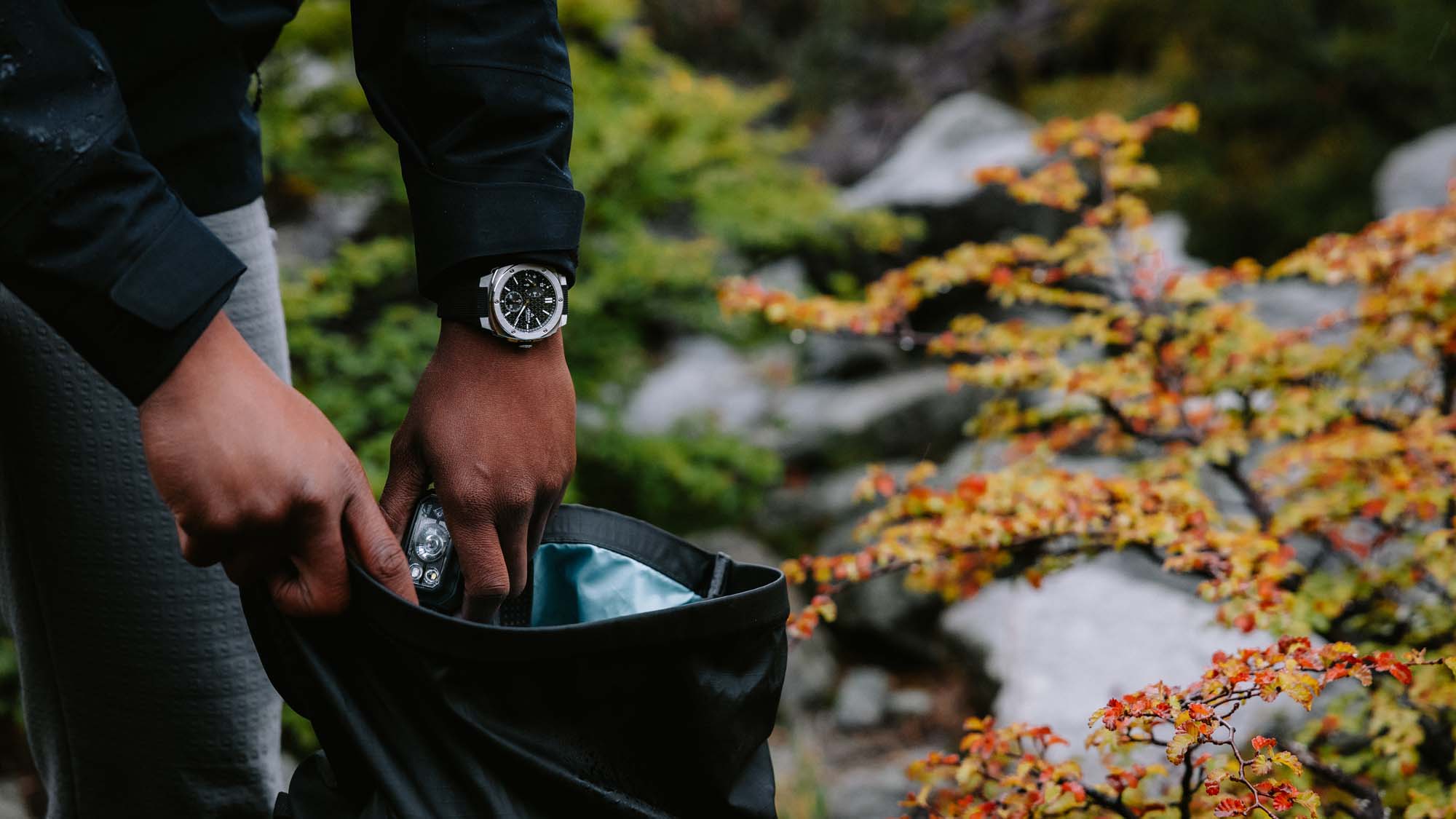
Nick: Alpina always does that thing where they bring ruggedness and refinement together. These Alpiner Extremes are built like tanks. Even the Skeleton, which feels more refined, yet still held up in rugged conditions. The Regulator has more heft, which is great when hiking—it gives you that sense of preparedness, like you’ve got the right tools on you. It’s hard to explain, but it gives you that mental edge. We were there in the fall, so there was this amazing color everywhere—bright trees that looked like they were on fire. The black-and-silver Regulator stood out against that in a really striking way. And the Skeleton, especially at the lodges, had this cool contrast with all the natural wood textures. It gave off this nature-meets-machine energy that was super compelling in these conditions.
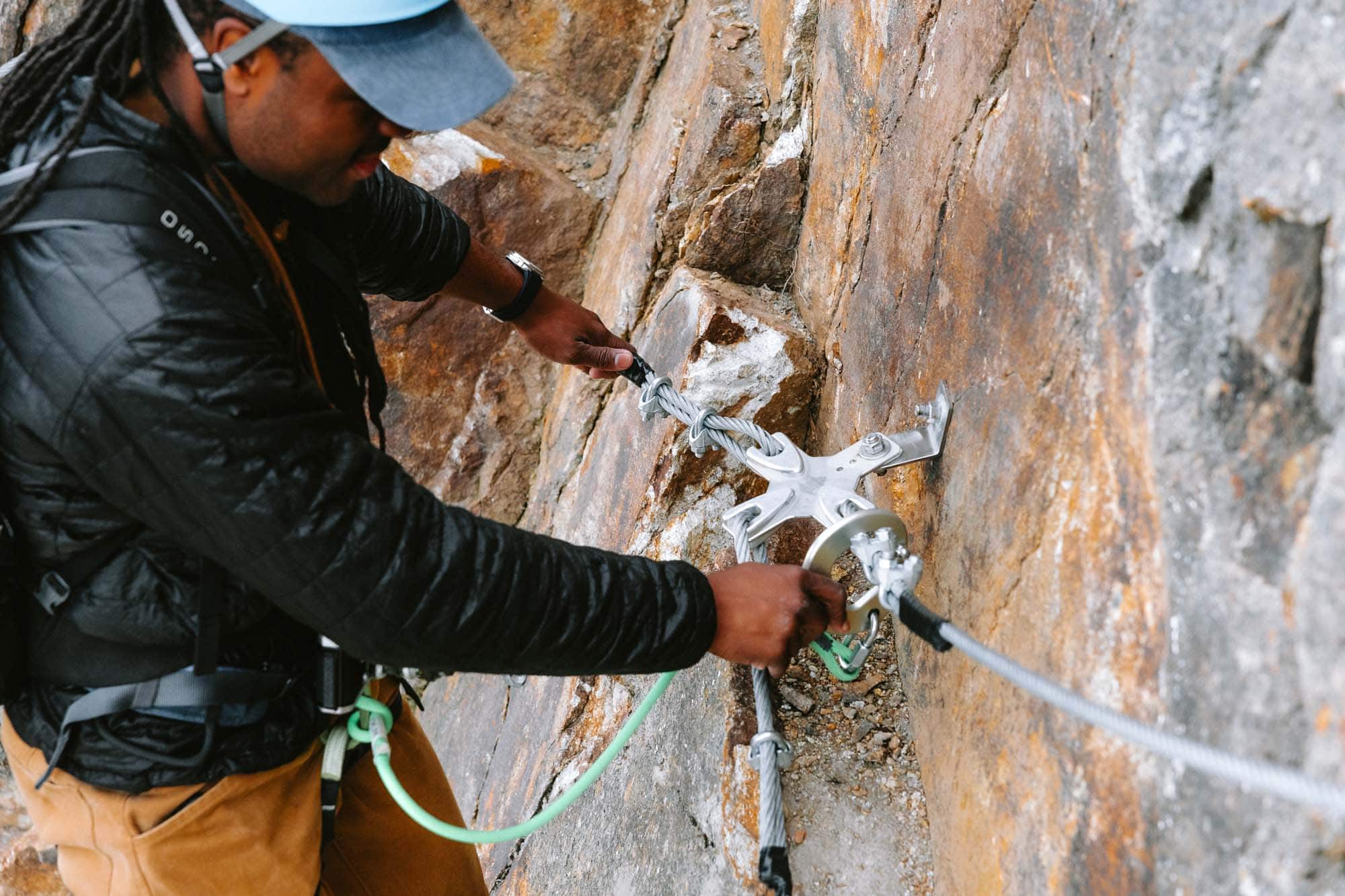
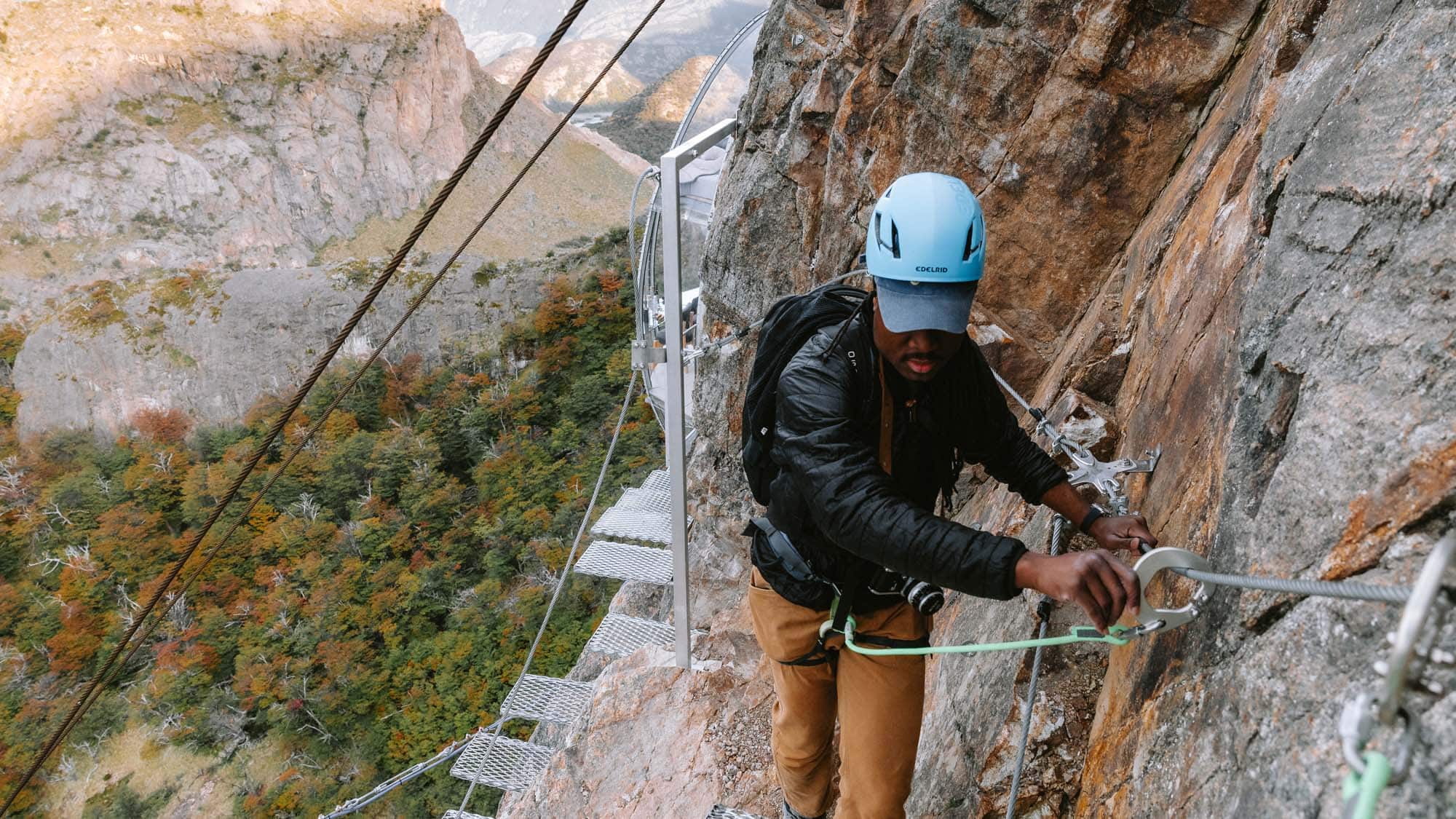
Mylz: I’m a big fan of heritage clothing. I’m always on the lookout for hard-wearing, functionally reliable, well-constructed pieces. Aside from just looking darn good and pairing well with items I would normally wear on a trip like this, I immediately got the sense that these Alpinas fall in line with all of those qualities I mentioned. The Alpiner Extremes have a very premium feel, but not in a way that makes them feel fragile or delicate. You’ll see from some of the locations these watches were shot in that they were definitely taking a beating. We did our best to put them through the paces. I can’t even say that I was conscious that I was wearing them throughout the trip. But now I look back at the pictures and go—wow, those watches really stand out.
What was a typical day like on your itinerary?
Nick: It depended on whether we were camping or staying in hotels. But generally, we’d wake up around 5 or 6 a.m., grab coffee, and hit the trail. Sunrise wasn’t until about 8 a.m., so we had time to get in position. We’d spend the day hiking and exploring, then get back around sunset. That said, our camping plans got wrecked by a three-day storm in Argentina—70 mph winds and nonstop rain. So those days were spent in El Chaltén, bouncing between cafés, maté spots, and bars. A slower pace, but still cool in its own way.

As a photographer, what did you learn shooting watches in that environment?
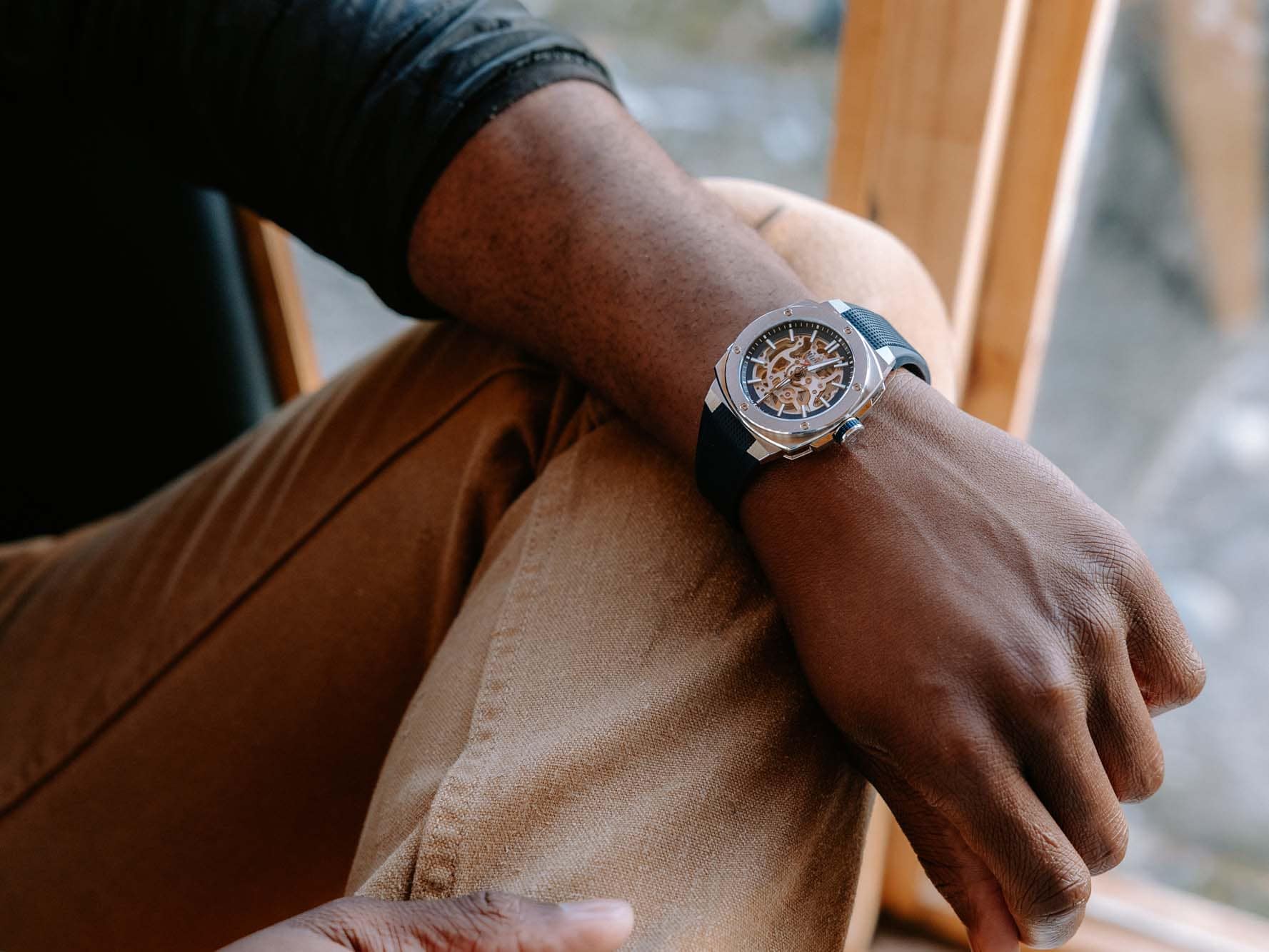
Nick: I had to learn more about working with natural light. In Iceland, it’s like a giant softbox all the time. In Patagonia, the light was harsher, so I had to adapt—use shadows, look for diffused light. The Regulator‘s dark, textured dial really pushed me to get more creative, but I’m really pleased with the results. While the Skeleton had that chrome-silver finish that really pops. I remember a shot of Mylz walking on a boardwalk—your eye immediately goes to that watch. It’s a statement piece, for sure. It stands out in the scene and draws you in.
Mylz: I learned a lot about standing still and posing and angling my wrist to avoid getting glare on the watch’s crystal. Nick shared so many tips and tricks with me about photographing watches that you would just never think about, different lenses and everything! But I don’t know if I should be giving away his secrets.

How did these Alpiner Extremes feel while wearing them on this expedition?
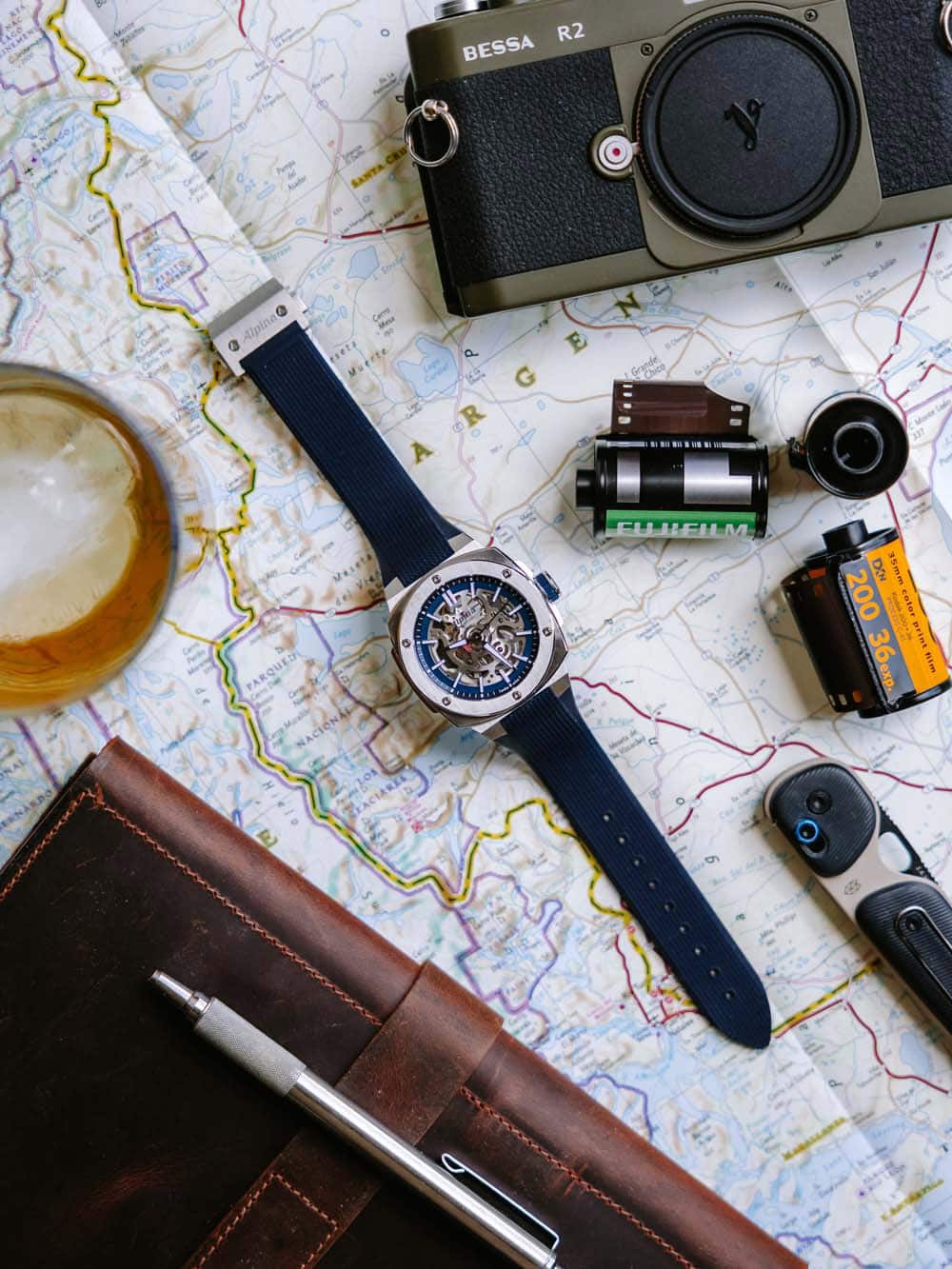
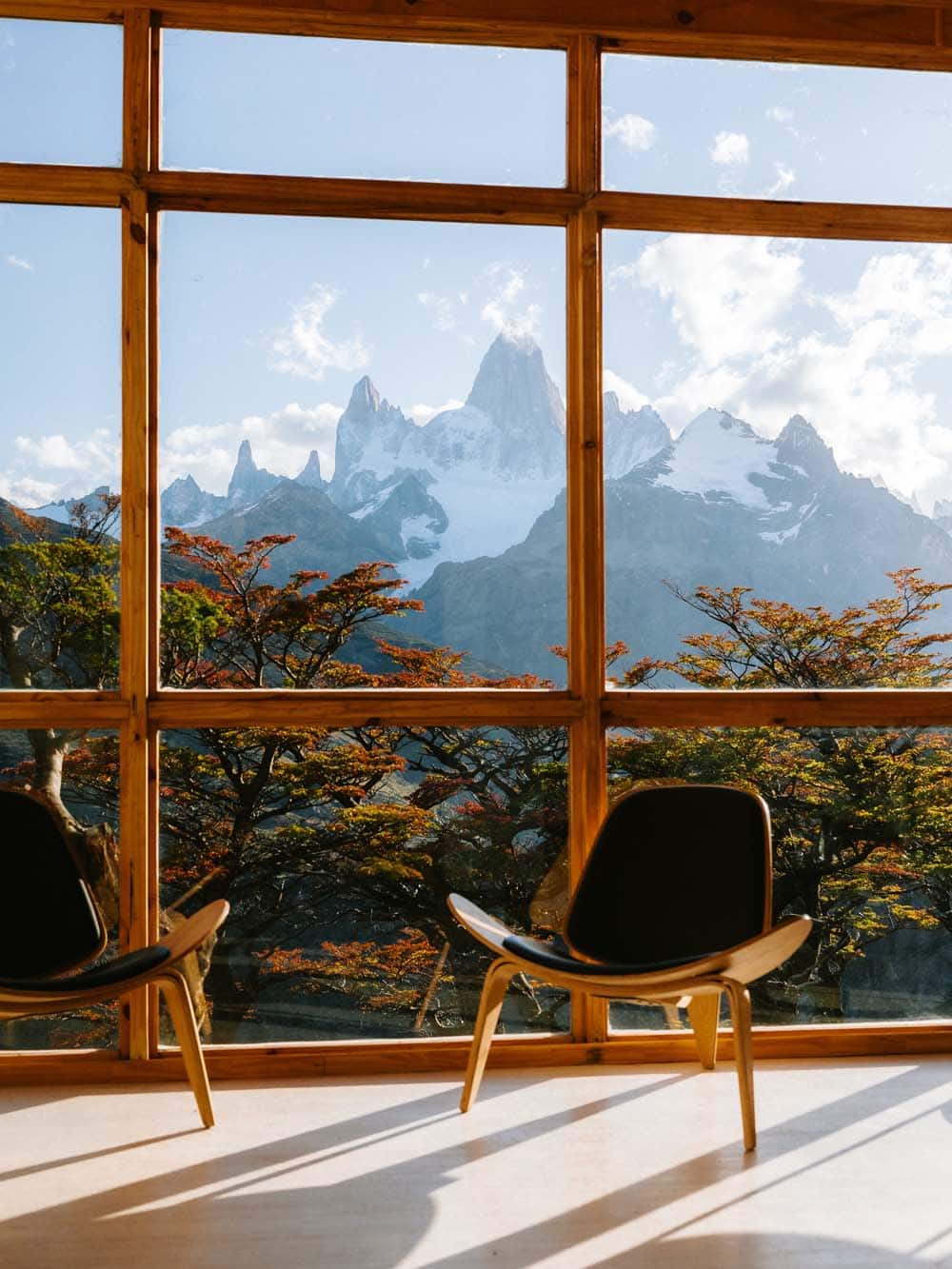
Mylz: Definitely. The Regulator felt more purpose-built—bigger dial, thicker strap, great readability, super functional. Perfect for hiking or climbing. Nick booked us stays at some incredible lodges along the way, tons of modern architecture of wood and glass, so that we could really rest and rejuvenate. While the Skeleton was perfect for this lounge-at-the-lodge modernist vibe. Great with a glass of whiskey and a view. But both felt purpose-built and suited the landscape.
For anyone heading to Patagonia, what gear would you say is essential?
Nick: Number one—a rain shell. Even when it’s not raining, the wind is brutal. My Rab Kinetic rain pants were clutch—breathable but protective. I pretty much lived in them. And honestly, patience is a big one too. Patagonia’s weather is wild and unpredictable. You’ve got to be flexible and ride it out sometimes.
Mylz: Heavy on the patience piece. I would also say that bringing along an extra day pack for your day hikes is essential. The weather is constantly changing, going from blue skies to high wind and rain. It was really chilly in the morning some days, but by mid afternoon you almost want to just rock shorts, so having layering options with you was key.
Was there any bonus gear you were glad you brought?
Nick: Yeah—something that really ended up being special was a little film camera I brought along. It’s a Rollei 35, super compact, and it actually belonged to my grandpa. There was something about shooting on film—knowing you only have a limited number of shots, not being able to see them right away—that really made me slow down and be more intentional about what I was capturing. It reminded me a lot of the Alpina watches we wore on the trip. Both the camera and the watches are totally analog—no screens, no distractions—just simple, well-crafted tools that helped me stay present. In a place like Patagonia, where everything is raw and wild, having gear like that just made the whole experience feel more grounded and real.