 Latest Review



Wilderness exists outside the scope of human influence. Weather, trail conditions, and wildlife are some of the reasons we seek experiences outdoors, but they are always the most unpredictable aspects. When it comes to preparedness and hiking gear, it can be hard to determine the right mix of useful items to bring on an excursion and what might unnecessarily occupy precious space in a bag. As a Coloradan who enjoys being outside, I find myself thinking about these things at the start of every summer – and my pack has certainly evolved along with my experience. Yet, I also find myself influenced by EDC culture telling me “this one gadget could save my life.”
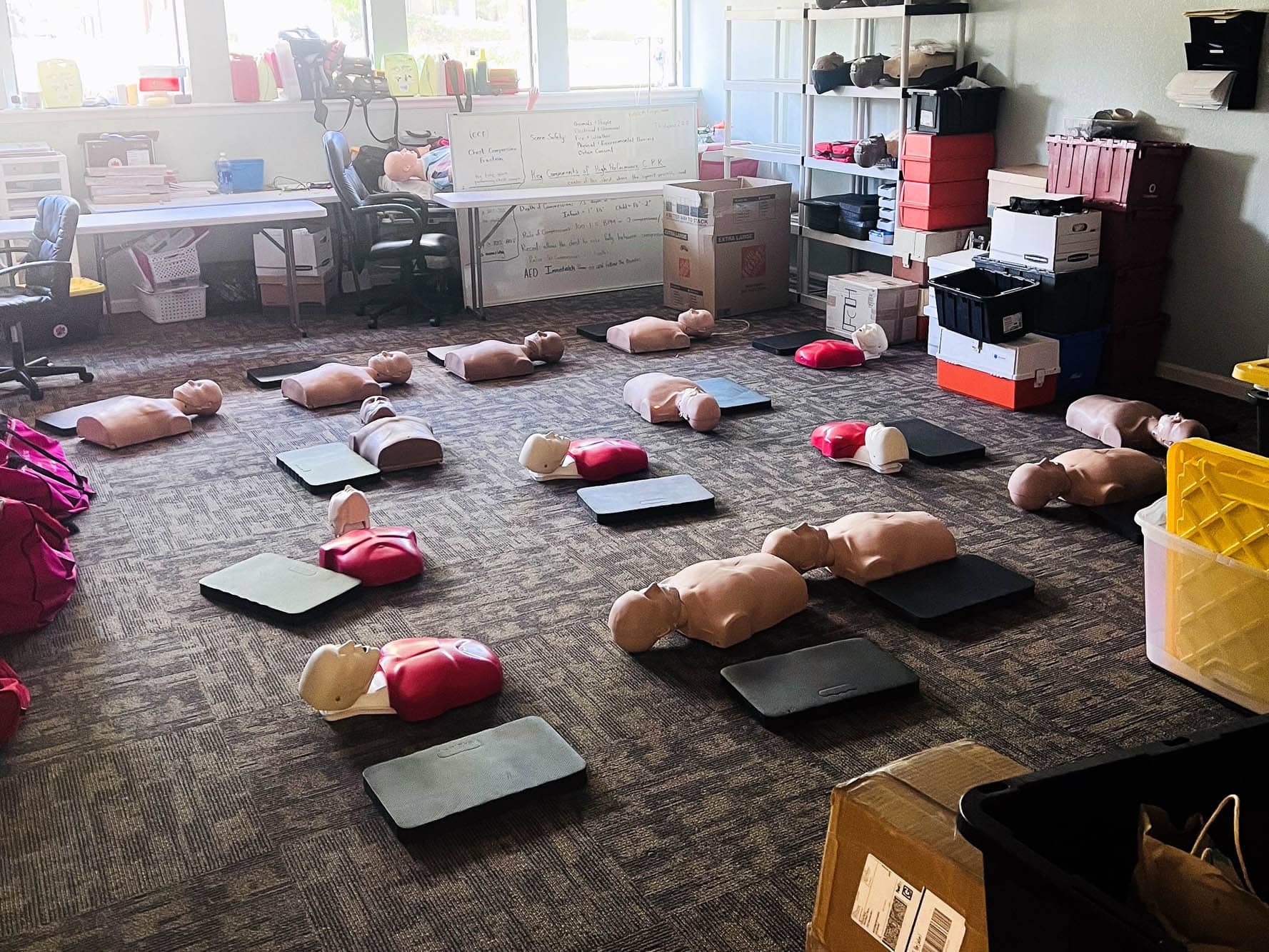
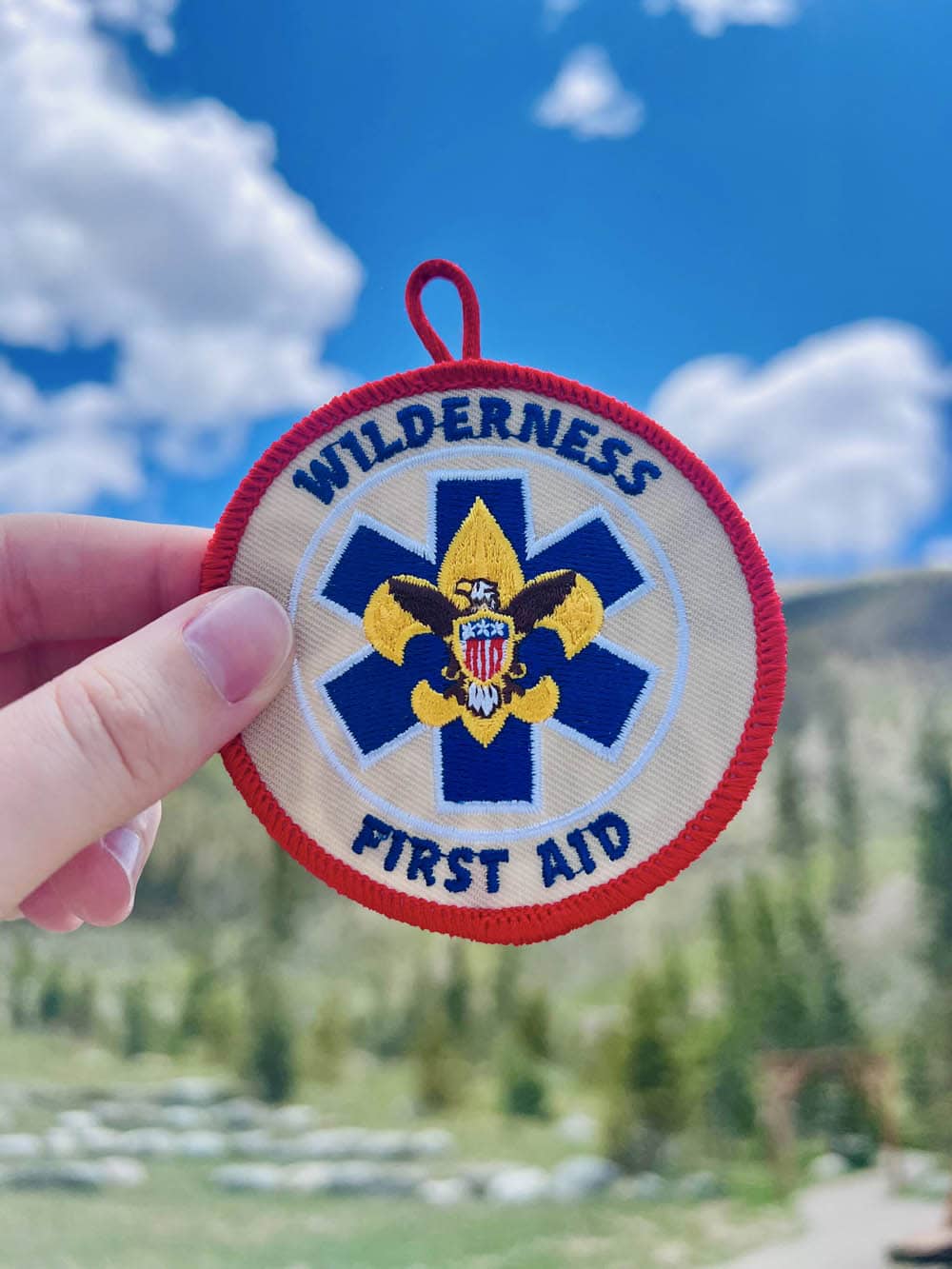
In late May, I sought out an opportunity to learn what I should actually prioritize when I head to the trail. The weekend was spent crammed in a frigid office building with thirty people and countless CPR dummies. Over a period of sixteen hours, I learned how to conduct head-to-toe exams, assess and treat injuries, evaluate environmental hazards, and the skills needed to be a leader in a wilderness setting where professional medical care may be hours away. I finished the course with a shiny new Wilderness First Aid (WFA) badge, a re-upped CPR/AED certification, and a bit more confidence in how to pack a hiking bag. Above all, I learned that preparation is the only part of a trip we can control.
A few weeks ago, I put that knowledge into practice as I headed six hours south to Taos, New Mexico for my first solo hike away from home. Here’s what I brought with me.
Backpack
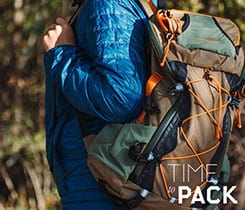
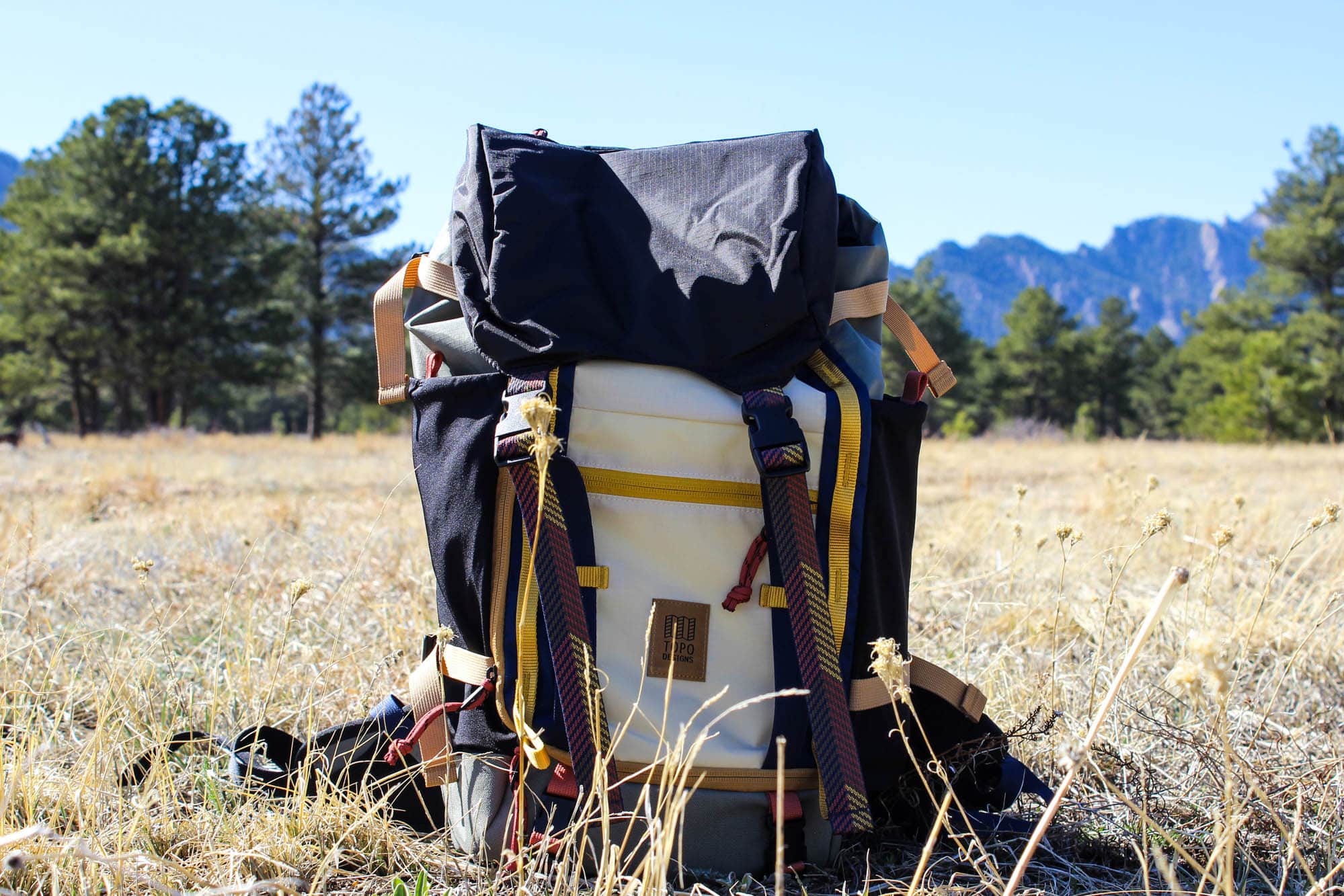
The right hiking backpack depends on a few factors such as the length of the hike, season, setting (remote vs. city hike), etc. If it’s going to be cold or I want to bring camera gear, I opt for a 22L Rover Trail Pack from Topo Designs. For short summer hikes, I’ve currently settled on a hand-me-down 15L Osprey bag that is super lightweight while still able to hold the essentials. My must-haves on a backpack: loops or MOLLE webbing for attachments (I have a lot of them) and a convenient place for my water bottle.
Water Bottle + Snack
There are some among us who opt out of water on the trail and I’m scared of those people. Water is the first thing in my bag and the last thing I verify before leaving my car at the trailhead. Many health professionals recommend drinking 0.5 to 1.0 liters of water per hour of activity – though weather, exertion, altitude, and other health factors significantly influence this figure. My current go-to bottles are both metal, which helps keep water cold over a few hours. One was a gift from Hamilton on a desert excursion and features a removable filter near the lid along with a paracord/carabiner attachment I can clip to my backpack, and the other is an 18 oz. Bronco Off-Roadeo Yeti Rambler from the course I took with Ford. I think both have a good ratio of water capacity to weight and can handle some drops and dings.
We talked a lot about water purification tablets in the WFA class, but I’ve not been in a situation where I’ve needed to drink from a stream (and don’t really want to be). However, many students shared stories of their experiences using iodine in the backcountry and they sound like a good addition to a pack for overnight trips.
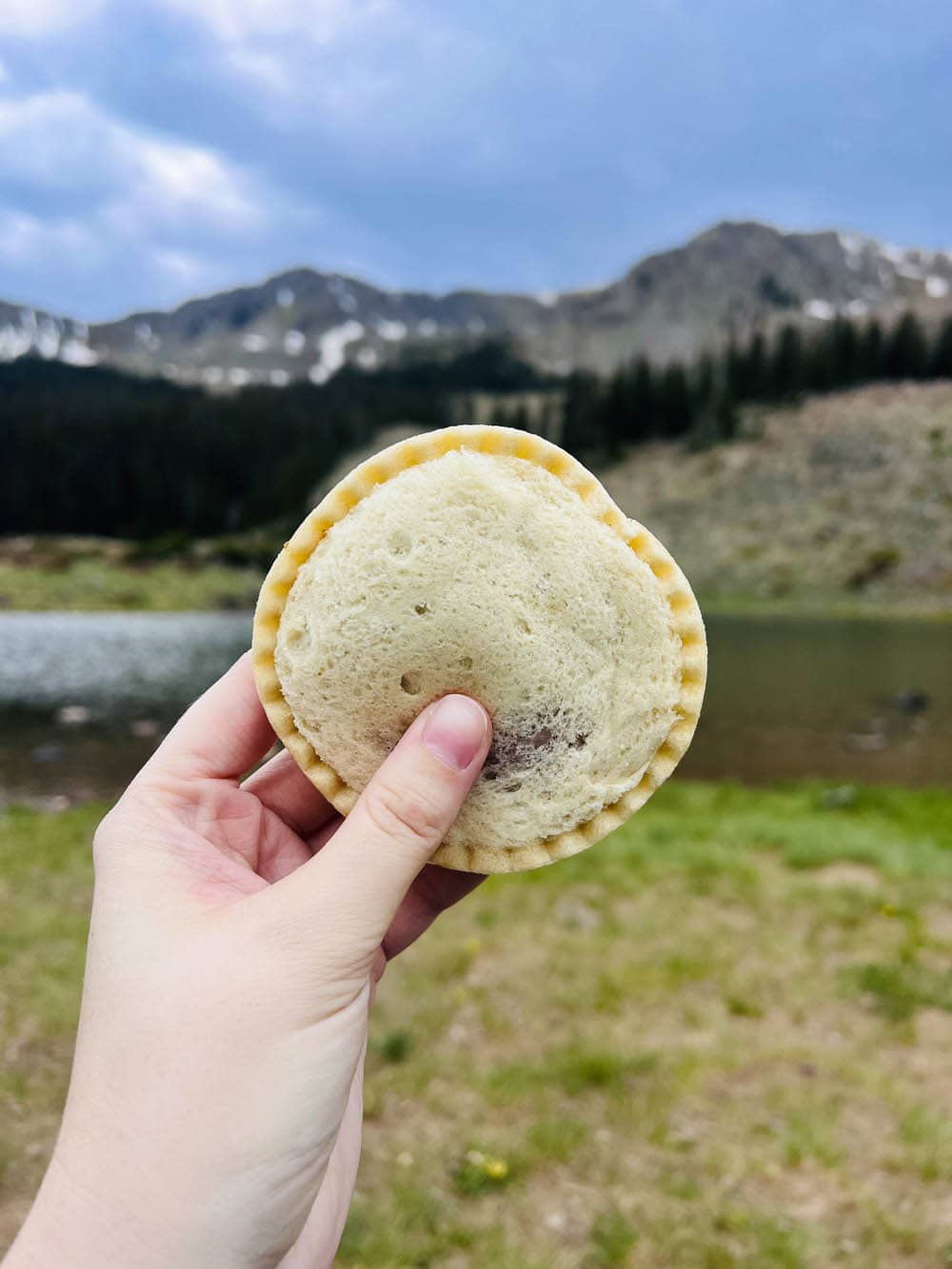
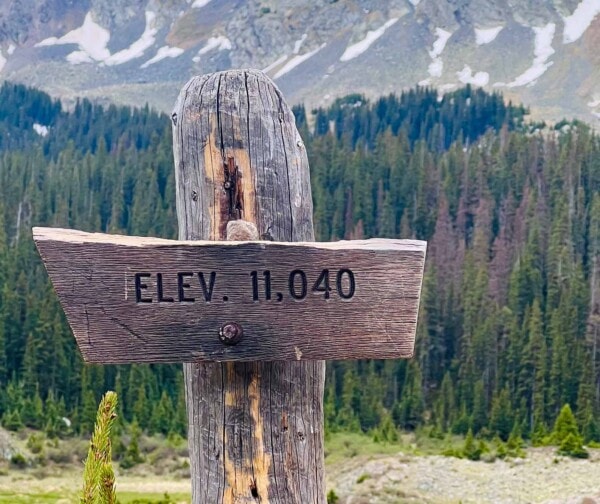
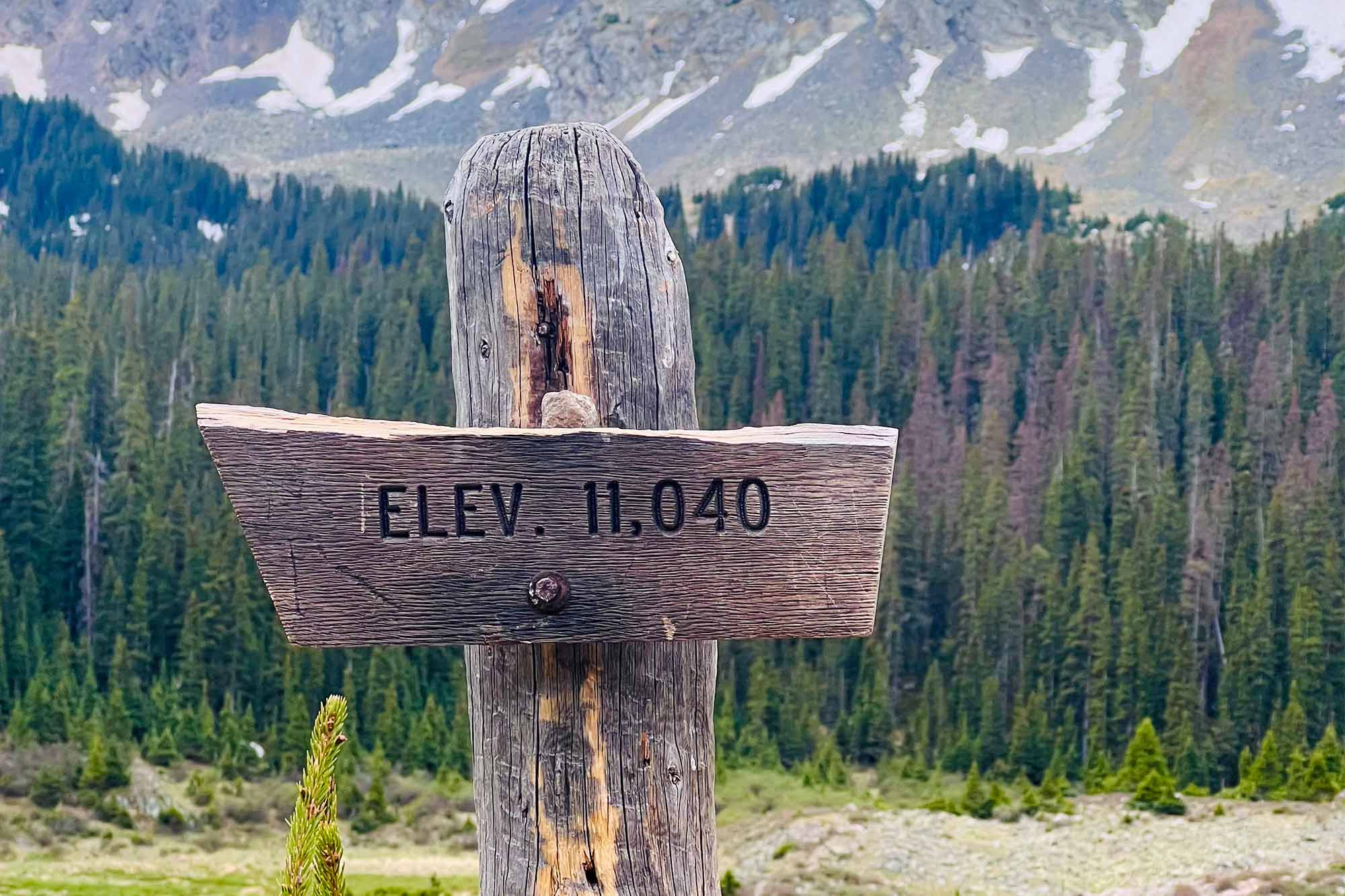
I also always have a bit of food with me because exertion and altitude do weird things to the body. I live in Colorado above 5,000 feet and still recognized the onset of altitude sickness while at the 11,000 foot alpine lake in Taos. Having some carbs and protein were key as I began to make my steep descent.
First Aid Essentials
In my WFA course, we discussed the Mountaineers’ 10 Essentials – the things every person should have with them outdoors in the event of an emergency. They are: navigation, light, sun protection, first aid, knife, fire, shelter, food, water, and extra clothes. I’ll separately touch on navigation and knife below, but each of these items has a home in my backpack. I have a mini 3-inch flashlight that clips to the outside of my bag. I have a flint fire starter, bandaids and antibiotic ointment, and 2-3 mylar emergency blankets that can be draped on a length of paracord for a shelter or used as a makeshift sleeping bag. I don’t hike in the dark, but having these items make me feel more prepared in the event a night under the stars is outside my control.
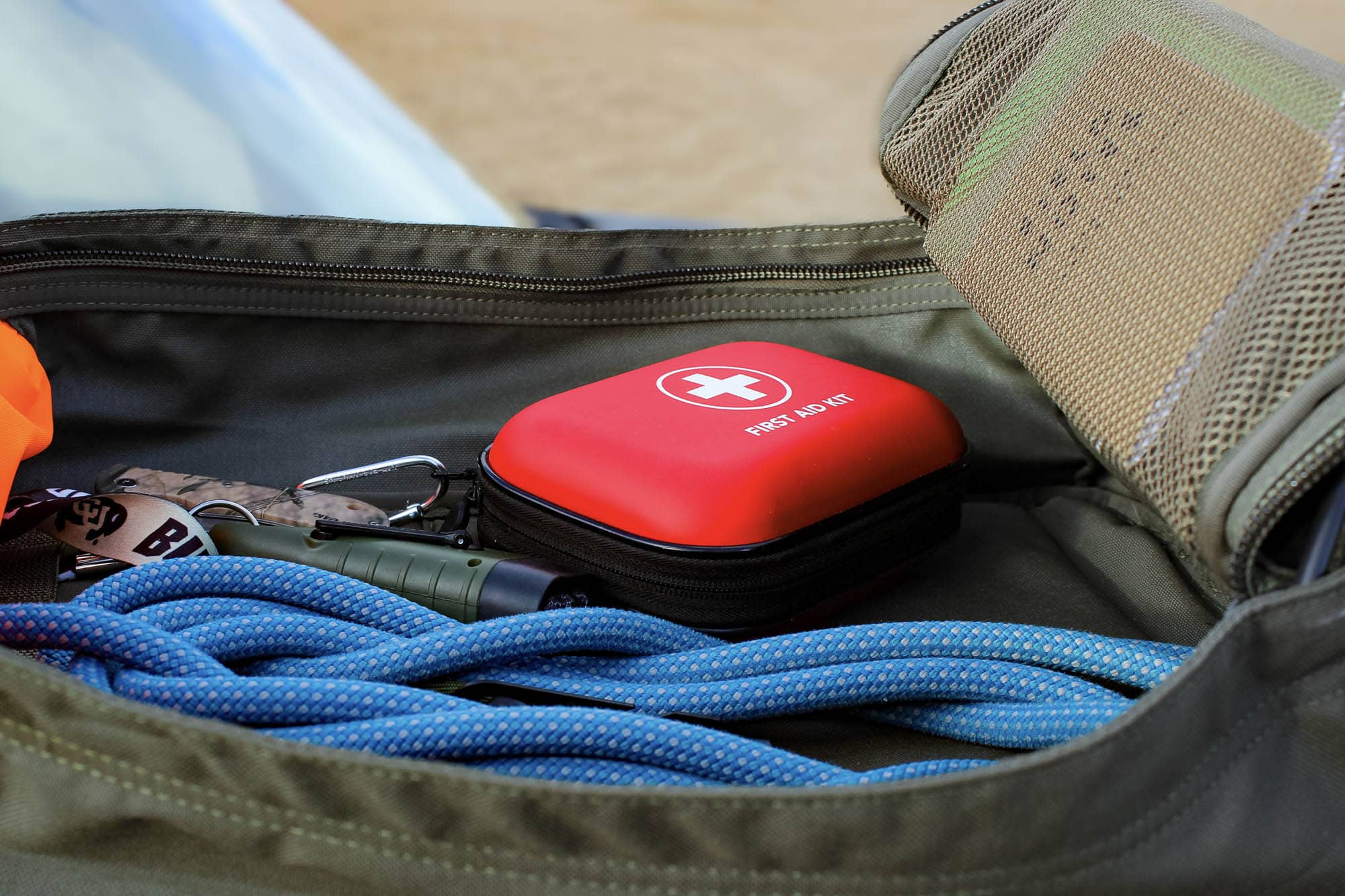
Most importantly, a good first aid kit will reflect the user. I need to travel with inhalers and EpiPens. Someone else might need glasses, or glucose meters. Knowing I have backups of necessary medication when solo – and if I’m not, that a trail partner knows how to assist me with these if needed – helps me enjoy myself a bit more outside.
Navigation
An estimated 42% of Search and Rescue (SAR) missions involve missing day-hikers. In wilderness SAR data compiled by Dr. Robert Koester, 56% of the moments leading to disorientation were at a “decision point” such as a trail junction or fork in the road. When we have to make a direction choice, especially under duress, we will often make the wrong call. That’s why I try to ensure I am as oriented to my route as possible before starting.
Before my hike in Taos, I downloaded a huge chunk of northern New Mexico on Apple Maps. This was doubly handy – I knew I wouldn’t have cell service during the hike but it turned out I didn’t have service for twelve miles through windy canyon roads up to the trailhead. My phone was using offline data nearly the whole time but I never lost my navigation.
I also pay for subscriptions to AllTrails Plus and onX Backcountry. Both of these have terrain maps available to download, and they give me a sense of general features and points of elevation. I’ve researched satellite devices like a Garmin inReach but the frontcountry hiking I typically do hasn’t made me feel it’s necessary yet. But I carry a portable charger to give my phone a boost if needed. I added a carabiner compass to my kit last month and practiced a bit with it during my solo hike – I wouldn’t rely on it for circumnavigation, but it’ll help me find the way back to my car in a pinch.
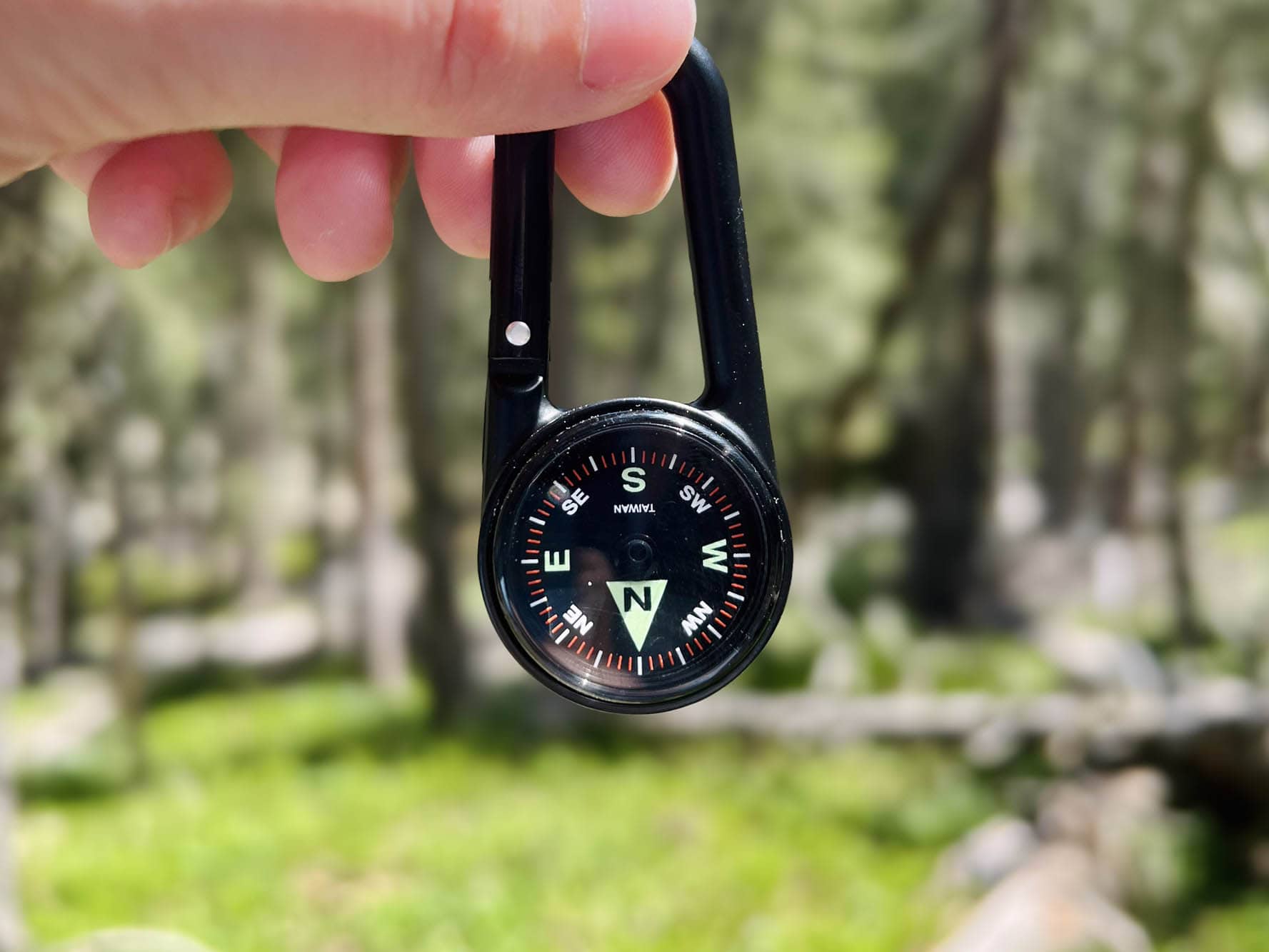
Most importantly, I told my parents and best friend my plans and shared my location with them. I told them when I would likely be back at my car and that I would check in once I had service. I might have been solo hiking, but I wasn’t totally alone.
Bear Spray
I live and hike in Colorado which has a healthy population of black bears (not grizzlies). That means I always have bear spray when hiking in the mountains. Bear spray is highly concentrated capsaicin that can be deployed against a charging animal and reach distances of around thirty feet. With ideal use, it will be effective in about 90% of encounters, meaning it’s the number one defense against predators.
The most important part of bear spray is accessibility. Grizzlies and black bears can reach speeds of 30 to 40 miles per hour, which means the best defense against aggression is useless if kept at the bottom of a bag. It’s most effective when clipped on a belt or the straps of a backpack for ease of access.
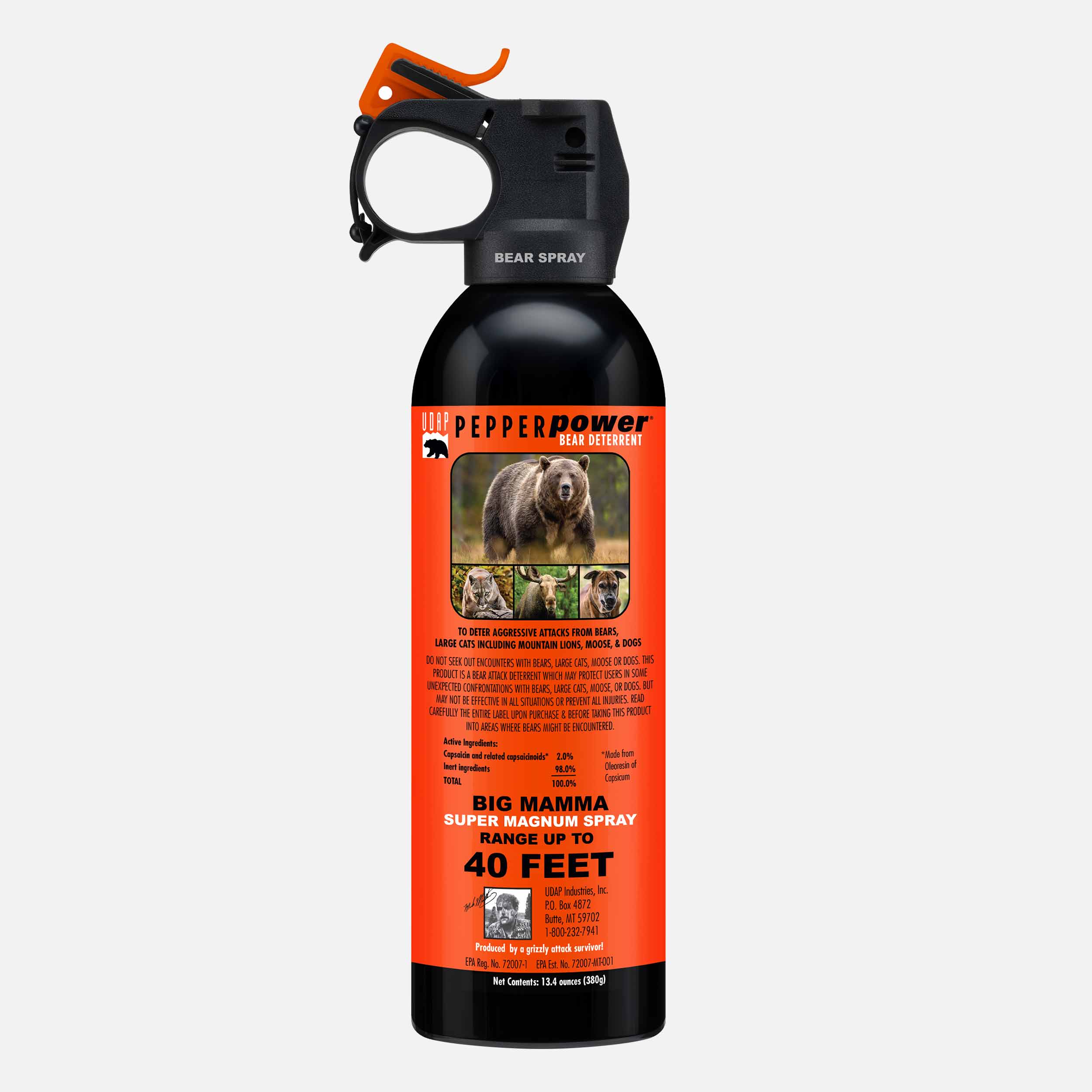
Bear spray is a weapon, not a preemptive deterrent like bug spray. This means it should only be deployed against animals who are actively pursuing a hiker or showing signs of aggression. It should not be sprayed around a tent or campsite – the ingredients in the spray will actually attract curious bears to the area if used in that way because it smells like food.
Bear Horn
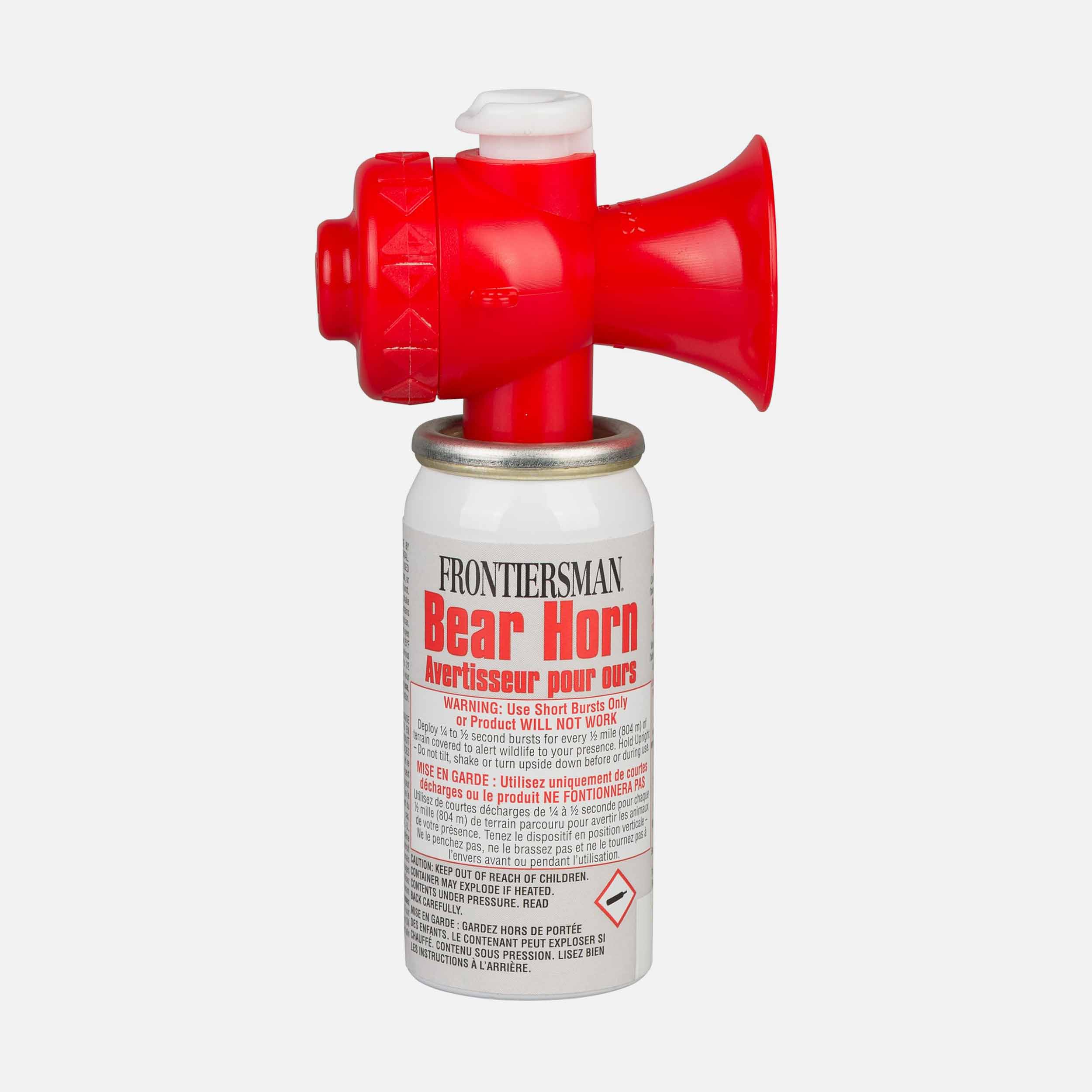
This was a recent addition to my hiking backpack. The most effective way to announce yourself to animals is by using your voice. However, for added redundancy, these pressurized horns can alert animals to a hiker’s presence as most encounters are the result of a hiker entering a wildlife space and catching them off-guard. Additionally, the horn doubles as a way to broadcast a bear sighting to fellow hikers.
Birdie Personal Alarm
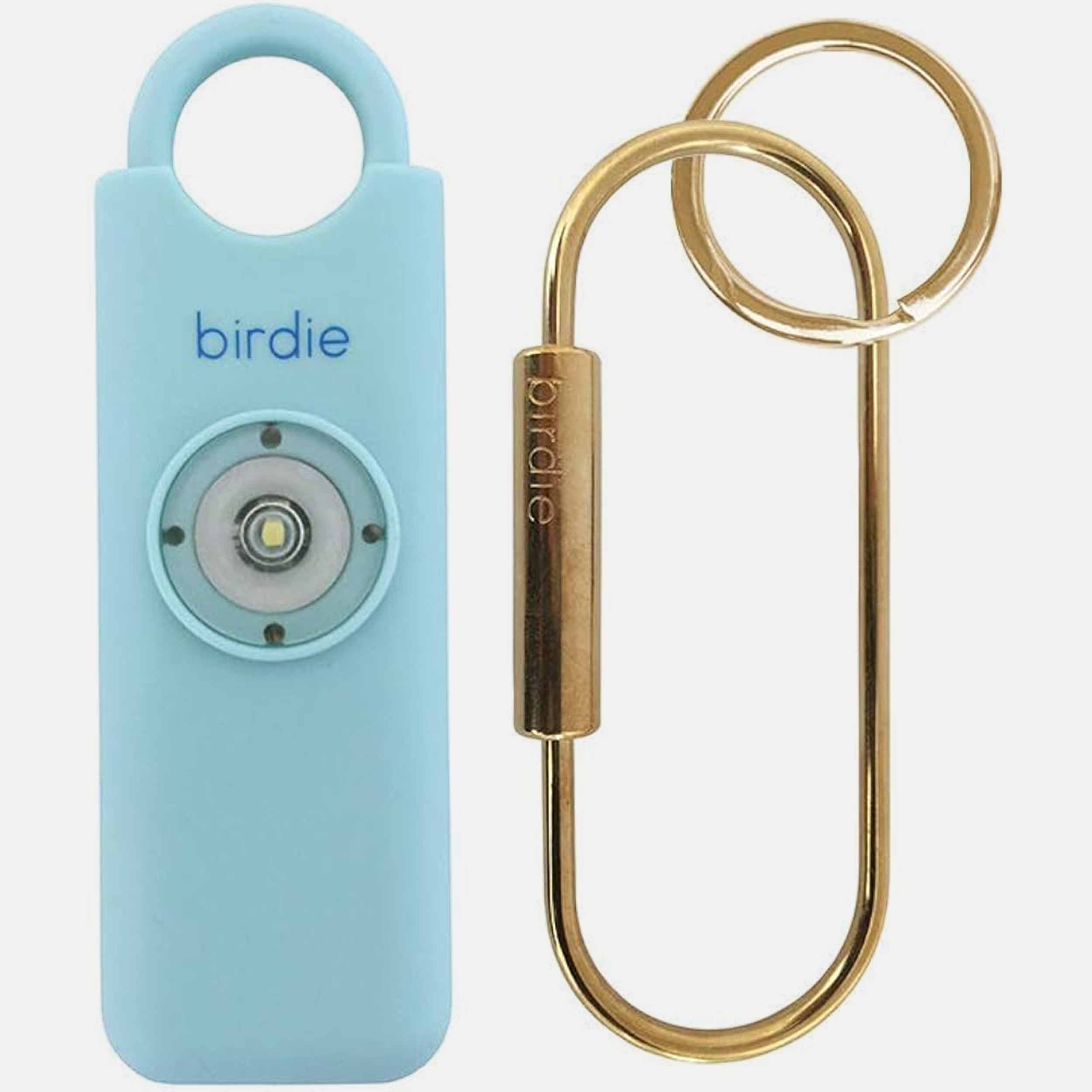
Another recent addition to my solo hiker ensemble is a 130 decibel siren that sort of speaks for itself. As a woman hiking alone, any object that can assist in creating a diversion and alerting the area to my location can make me a harder target. I attached mine to a carabiner so I can move it to different bags as needed.
Smith & Wesson HRT Fixed Blade
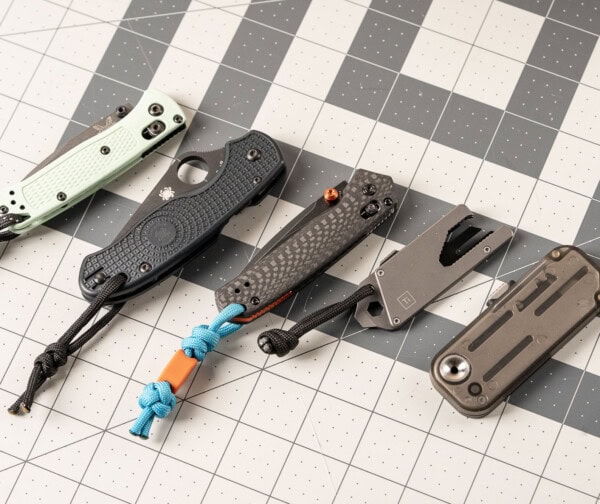
Smith & Wesson is my current favorite fixed blade. I’ve had their four inch HRT blade for five years and recently added a smaller two inch option to my collection. It can be clipped to a boot or be worn around the neck by a handy chain that comes attached to the sheath. Blades are great tools for a handful of reasons, and are extremely versatile in first-aid situations.
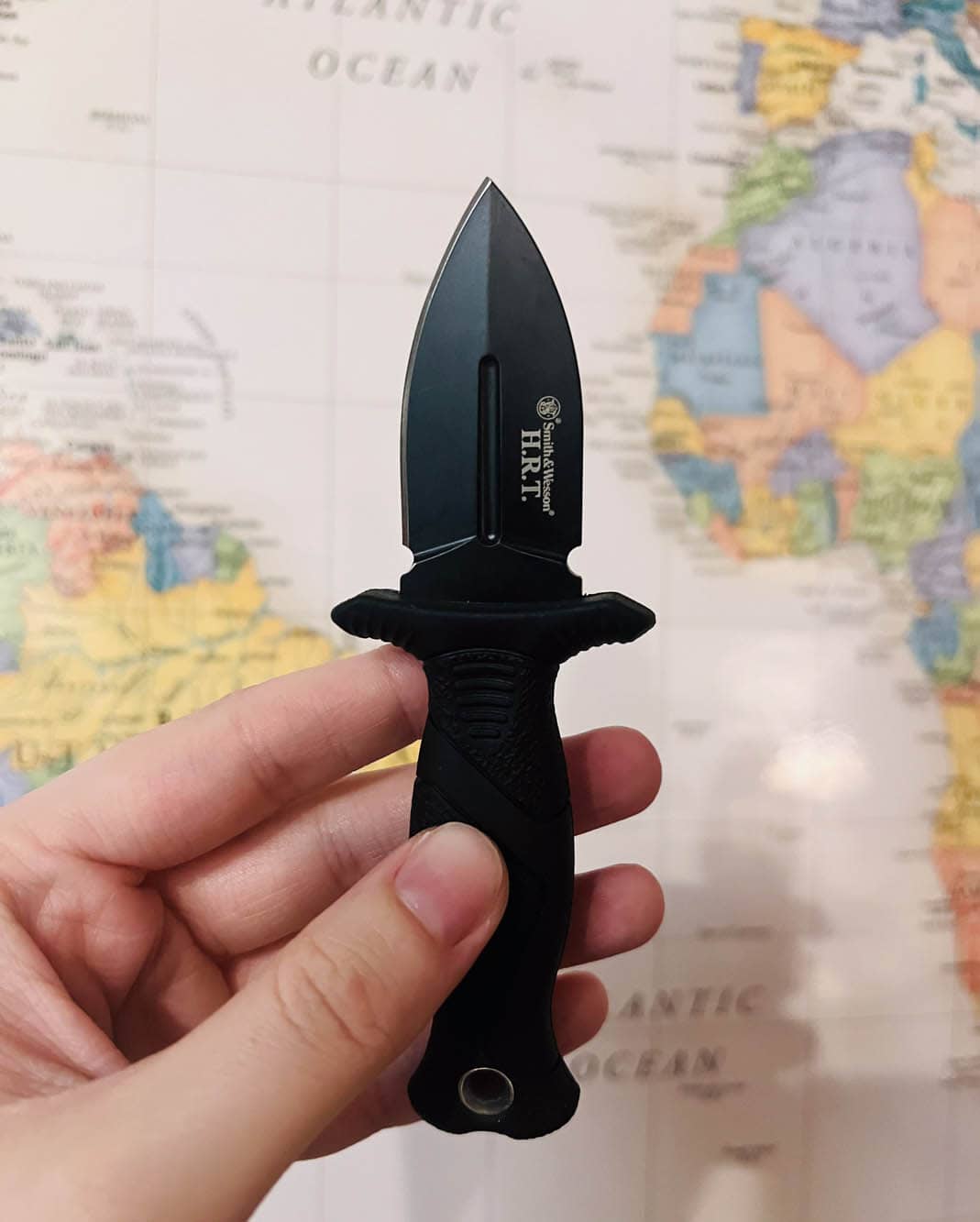
Traveling and hiking with a knife adds a layer of responsibility that shouldn’t be taken lightly. There are various laws pertaining to the concealed carry of knives that should always be researched before heading out. In Colorado (at the time of this writing), non-ballistic blades can be concealed if they are under 3.5 inches. In New Mexico, it is illegal to conceal blades of any size, which is why I wore the knife on a chain around my neck.
Self-Defense Skillset
Though last on this list, a knowledge of self-defense is the primary foundation of all of my solo travel experiences. Everyone should practice situational awareness outdoors, but for women, additional preparation could save a life. Statistically, solo hiking is one of the safest activities for women – safer than hiking with a male partner – but all training is good training. Classes in Muay Thai, Brazilian Jiu-Jitsu, Krav Maga, women’s self-defense, and seminars through local police forces haven’t made me less scared to travel alone. But they’ve helped me trust myself, my intuition, and my ability to be decisive when it matters. They’ve given me data about human behavior that I can apply in any setting and a place to repeatedly practice moving through fear. If preparation is the only part of travel I can control, I know I’ve set myself up for success.
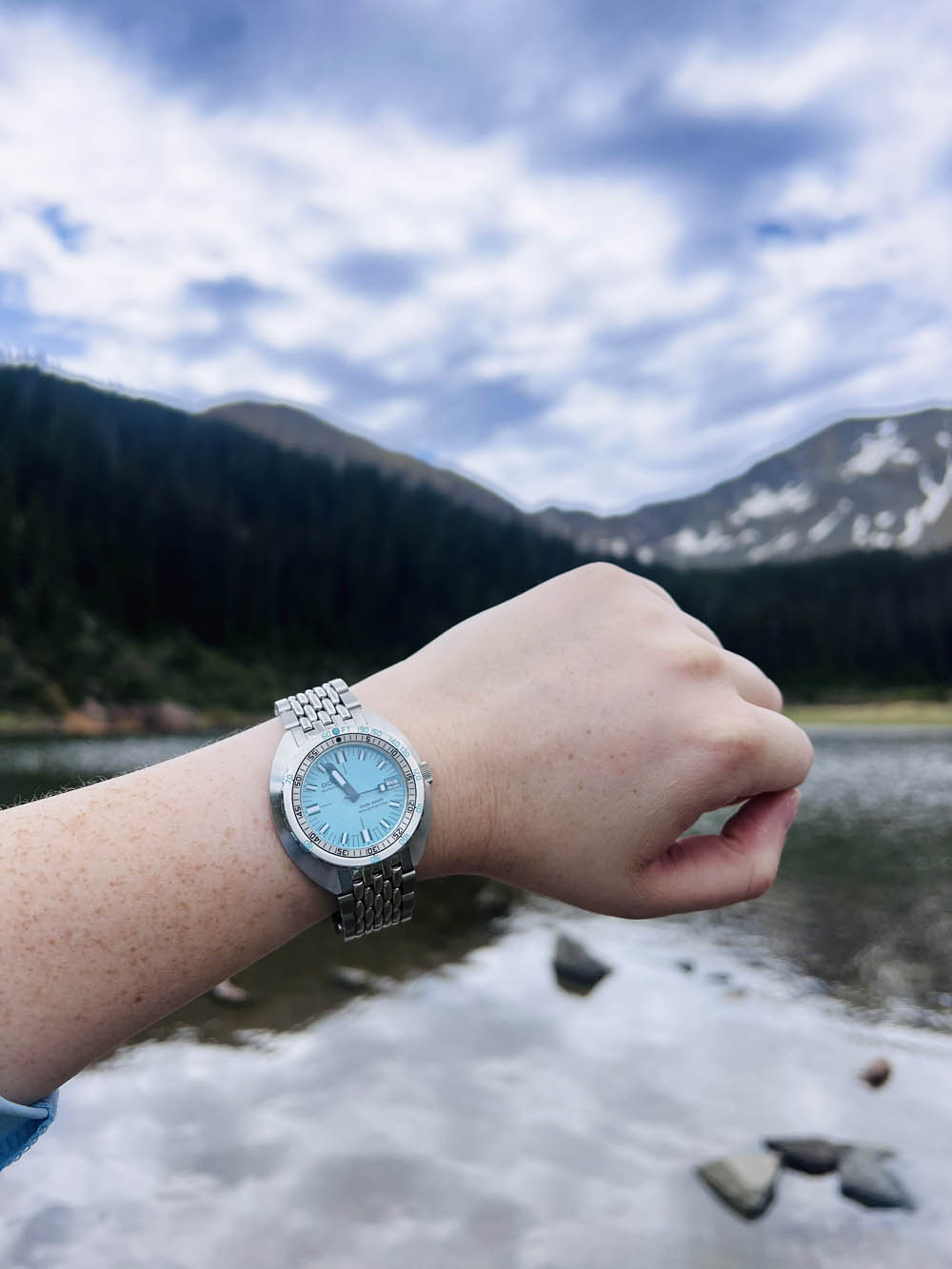
Every trip teaches me something. Sometimes it’s about the landscape, sometimes it’s about my ability, and increasingly, it’s about the value of preparation. My Wilderness First Aid course didn’t convince me to carry more gear: it taught me to carry the right gear and to understand why it’s there.
My solo hike in Taos showed me that confidence outdoors doesn’t come from owning the latest gadget. It comes from building skills, making thoughtful decisions, and planning ahead. Good outdoor gear and skillsets certainly won’t eliminate every risk, but it helps the unknown feel exciting instead of just intimidating – and preparation isn’t the destination, but it helps us take the first step.