 Latest Review





This weekend is the 4th of July. And it’s not just any run of the mill 4th of July, it just happens to be the 250th anniversary of American independence. America’s semiquincentennial (honestly, I’ll be glad when I no longer have to use, read, or think about that particular word) is certainly a time for celebration, just like any other Independence Day. But this one does feel somewhat momentous. I mean, it comes with its own logo, after all.
It also comes with many commercial opportunities, as does every anniversary, something long known and understood in the watch community. So it’s no surprise that we’ve seen an inordinate (some would say tiring) amount of watches brandishing that “250” logo or “1776” or the colors of our flag, often from brands that aren’t even American!
Look, we love it that Swiss, British, German, and Japanese brands want to help celebrate this special birthday, but if I’m being honest, I find most of these watches in red, white, and blue with that omnipresent logo on the dial a little, I don’t know, not great? An “America 250” novelty item should be something bought at a gas station on the way to a fireworks celebration (maybe as you fill your truck with $6/gallon diesel) that can be easily discarded at the end of the night. Or maybe it should be a commemorative coin bought on the Home Shopping Network at 2:00 AM at a price you can’t resist. Should it really be a watch? I feel like it shouldn’t, but that’s just me.
That said, the semiquincentennial feels like a great opportunity to highlight some American watch brands that are doing genuinely interesting things. It’s a chance for us to think about what “American watchmaking” actually means in 2026. I’d argue that it doesn’t mean the same thing it did here 100 years ago, or even 10 years ago, and it certainly doesn’t mean the same thing as “Swiss watchmaking” does in Switzerland even now.
What’s happening right now in the US is a redefining of what it means to make watches in America. With no large-scale watchmaking industry, brands and individual makers are finding new ways to create watches of all kinds in this country, and it’s pretty exciting. But you have to know where to look, and be willing to see the idea of “American made” when it comes to watches as a term of art more than a definition. There’s flexibility and nuance to the idea of watchmaking here, and that’s something worth celebrating in and of itself.
With that in mind, here are four brands redefining what it means to be an American watchmaker.
Brew
Brew, of course, is an American microbrand that has become something of a phenomenon in recent years. They are on the verge, I think, of becoming the watch world equivalent of a household name thanks to Jonathan Ferrer’s design talent and his marketing gifts.

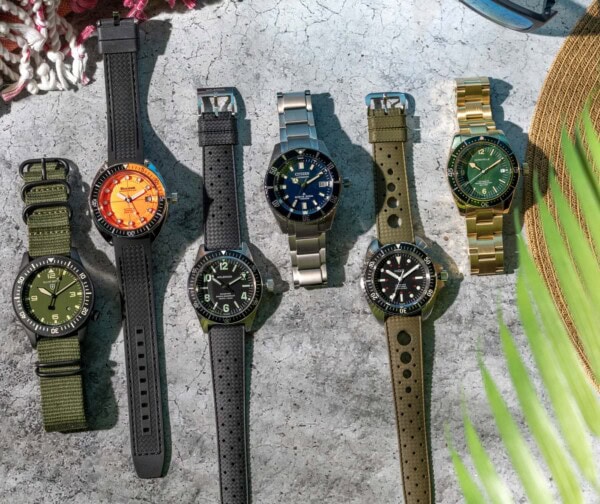
And that’s why I think Brew belongs here, and why they should be considered among the brands changing the landscape of watchmaking in this country. Because while the watches are made from parts sourced from a variety of countries, the brand exists because of an entrepreneurial spirit that we think of as uniquely American in character. Brew is part of a movement in micro and independent brands that has roots in this country and has grown in scale in recent years to the point that the presence of microbrands in the watch space can no longer be ignored by large conglomerate owned brands, and kingpin affordable staples like Seiko and Citizen.
Brew is not the only brand that you could think of in this way. Jack Mason, Nodus, Trafford, and many others work within a similar paradigm. Always community focused, egalitarian, and open and honest about where the watches themselves are coming from. No one here is hiding that the movements might come from Japan, the cases and dials from China, and so forth. But they’re designed from the distinct point of view of New Yorkers, Southern Californians, and Texans. Seems pretty American to me.
J.N. Shapiro
J.N. Shapiro sits on the opposite side of the American made spectrum as Brew, and takes a very different approach more generally. They belong on any list of great American brands, regardless of the criteria. They are not only fantastic watches on a technical and artistic level, but represent a great American story of ingenuity, hard work, and curiosity.

Josh Shapiro is not just a master guilloche artisan, he’s a true scholar of watch history and understands the importance of making watches in the United States. Even more important than that, though, he’s a great communicator on the subject. If you haven’t already checked it out, his interview on this website with our own David Von Bader is essential reading. If you prefer an audio format, he was great on Collective’s Open Work podcast as well. It will come as no surprise at all, after listening, that Shapiro was a teacher before he was a watchmaker.
The fact is, no brand has done more to prove that high end, artisanal watchmaking in the style of George Daniels, Roger W. Smith, and a select few others who strive to make everything themselves is possible in America. The Resurgence, Shapiro’s watch line which is made entirely in-house, is a truly monumental American achievement.

Celeste Watch Company
Celeste Wong’s brand is a great example of ways that artistic craft are entering the enthusiast space in unexpected ways. Celeste’s specialty is working with abalone shell inlays in an endless variety of colors. She cuts and crafts the shell material by hand to create elaborate and evocative designs. Every piece is essentially unique, and a significant part of her business is made up of commissions, creating designs to client specifications. She also works with cloisonne enamel artisans to craft very special watches that combine the two disciplines. They are very special watches, and while certainly not to everyone’s taste, if you’ve ever been blown away by the dynamism of a mother of pearl dial, Celeste’s abalone shell creations will be seriously impressive.
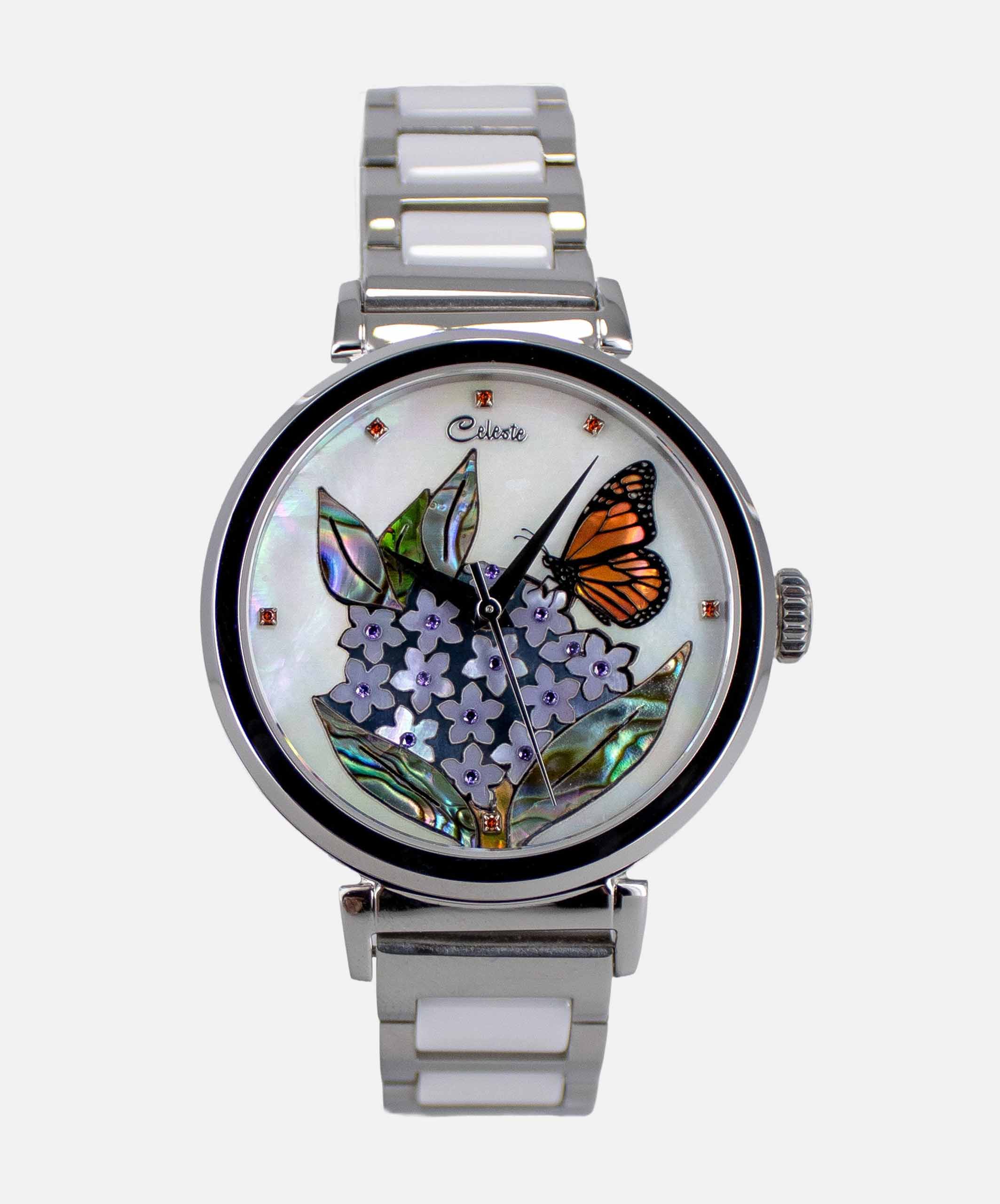
What I think is fascinating about Celeste’s work, though, beyond the obvious charm of it, is that she has been cultivating a following working outside the traditional apparatus of the watch industry. While she has exhibited at Windup Watch Fairs in the past, she’s primarily getting the word out about her brand through arts fairs up and down the west coast of the United States (she is based in Oregon). It’s fascinating to consider that there are almost certainly other incredibly talented American artists working outside of the watchmaking system who could adapt their techniques to watch dials, casemaking, and even leatherwork. Celeste’s brand is a reminder that not every great watch comes from a source you’d expect or in forms you’re familiar with, and that America has a deep bench when it comes to artisanal talent.
SēL Instruments
Usually when the topic of American watchmaking at scale is discussed, there’s a lot of consternation about manufacturing infrastructure. To make a lot of watches, you need a factory, and a watchmaking factory is a very specific thing. Most brands figure out a way to make components in other places, like China, Switzerland, or Germany. A few, though, with a lot of ambition, figure out ways to do it here. SēL Instruments, based in Arizona, is one such brand.
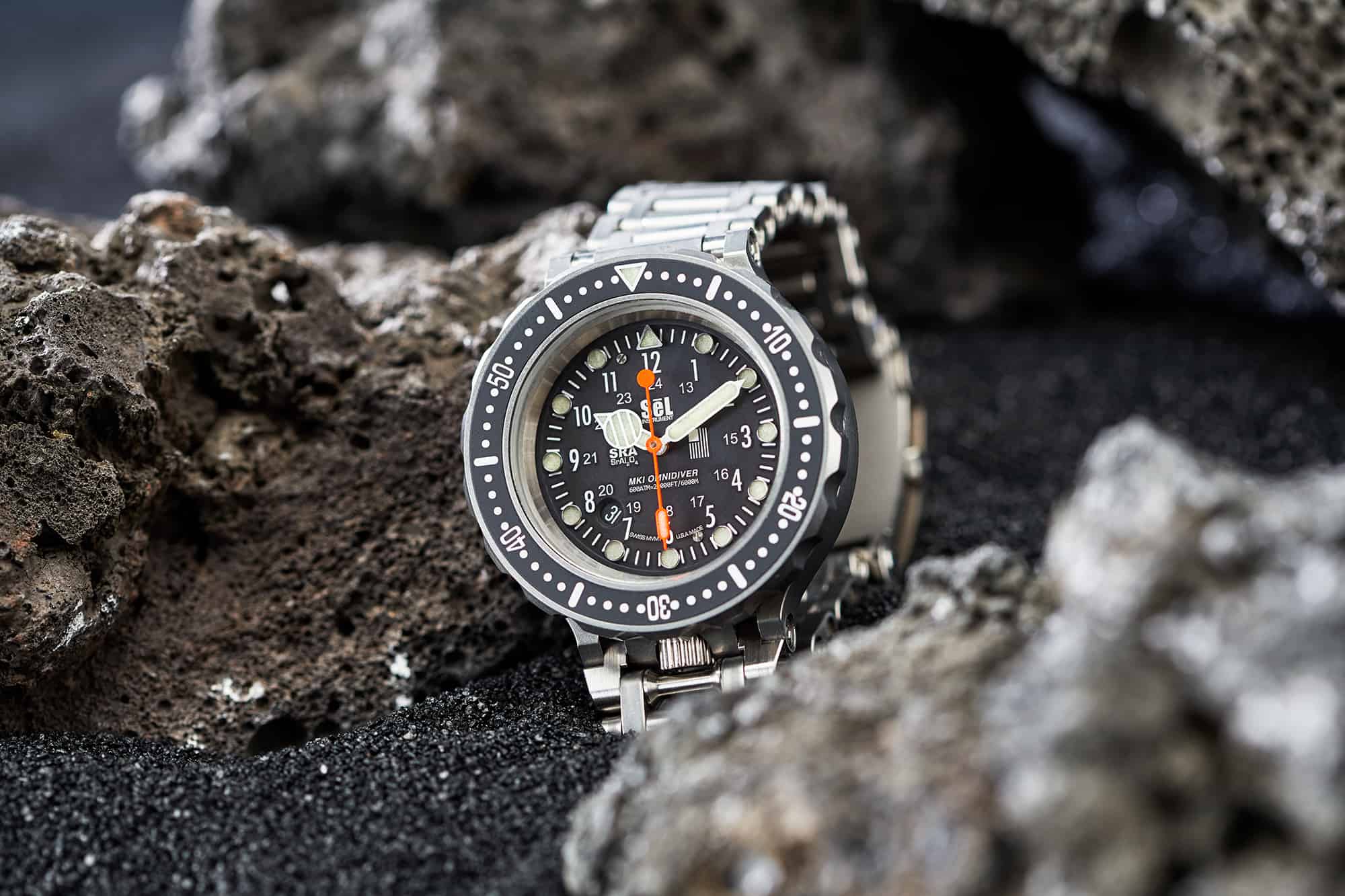
I first wrote about SēL in 2020, and was astonished to learn that they produce their own cases, bezels, crowns, hands, bracelets, dials, and even screws in their Arizona facility. This is dramatically counter to the narrative that watches can’t be made here because we don’t have the proper resources or tools. While SēL does not produce a huge volume of watches compared to big Swiss brands, they’ve proven that a niche can be filled with American manufacturing if your idea is solid enough. Their “bombproof” watches are over the top tools that appeal to professionals in fields that still have a need for indestructible watches (commercial divers and military personnel, for example), and their success should serve as a blueprint to others, showing that it is indeed within the realm of possibility to make a (relatively) affordable watch with components machined in the United States.