
 Latest Review





American watchmaking is having a moment. And if there’s any day that’s worth celebrating, it’s the Fourth of July. Happy birthday, America, hope you like Damaskeening!
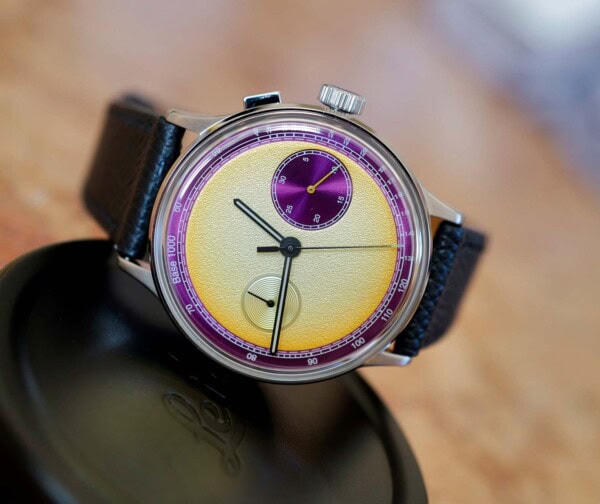
Just in the last month or so, we’ve seen a new release from J.N. Shapiro that could point to an entirely new and more accessible concept for the brand. Cornell Watch Co. revealed their new Lozier, with a case, dial, crown, and handset machined in the United States. Colorado Watch Company, the Fort Collins, CO based brand making cases and dials in-house with movements assembled in the United States, just shipped their first batches of new watches to customers after extensive prototyping. And Keaton Myrick, who makes watches completely by hand in vanishingly small runs in Oregon and somehow has flown under the worldwide watch community’s radar for years, just saw a fantastic result in a public sale via Phillips that went for just over the high estimate.

And it’s not just that there’s a lot of activity. The watches mentioned above are all, actually, very very good, and show that American watchmakers and brands can succeed in multiple ways, using different models. Myrick and Shapiro operate at the very highest end of the spectrum, while Colorado Watch Company has the ethos of a microbrand (the project was funded via Kickstarter, just like their sister brand, Vortic). The Cornell model, though, is probably the most interesting to me. The majority of the watch is manufactured in the United States, but it’s outsourced to Hour Precision, a machine shop in Ohio owned by Zach Smith, with ambitions of doing similar work for other brands looking to produce more components on American shores.
If Cornell’s model is successful it could dramatically change how we think about American watchmaking. There’s a possible future where Hour Precision is booked solid, producing cases, dials, and other components for dozens of American microbrands and indies, and perhaps other shops pop up to compete, driving competition in real American watch manufacturing for the first time in a century. Brands that previously outsourced to Switzerland, Japan, and, yes, China, may decide to produce components here. Not out of some type of patriotic duty, but because the work is that good and the price makes sense.

And, hopefully, because watch consumers want to buy American watches. This is, as ever, a big question mark. The watch community has been conditioned for years to believe that “Swiss Made” equals the pinnacle in terms of quality. In some cases, it is. But it doesn’t have to be, and an American-made watch can be worth buying, wearing, and collecting on its own merits. The future of American watchmaking might not mean equalling the Swiss at their ability to mass produce watches for a worldwide market (or make incredibly high end artisanal pieces using old fashioned techniques for a much smaller one), but in carving a unique way forward built on collaboration, transparency, creativity, and ingenuity.
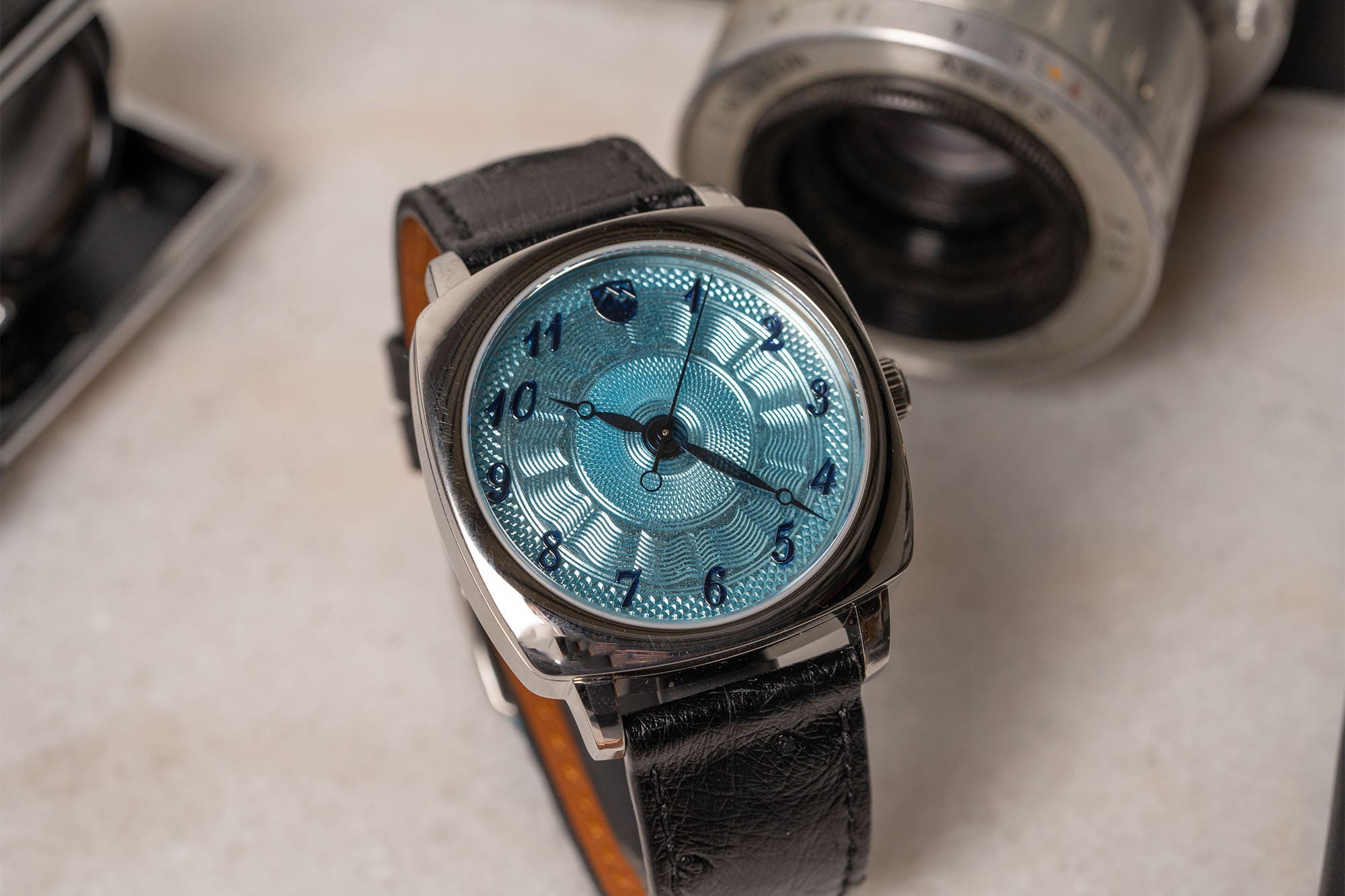
I saw Cornell’s Lozier in the weeks before its big public unveiling, and I was very impressed. Cornell’s John Warren walked us through the project’s concept, and explained that the CNC machines used in Zach Smith’s shop were the same ones used by big Swiss brands like IWC. The idea was that with skill and know-how, they should be able to make a watch of the same quality. It’s a simple enough idea, and while I didn’t have an IWC on hand to do a side by side comparison, I’ve handled enough IWCs to confidently say the machining and especially the dial work meets or exceeds that standard.
View this post on Instagram